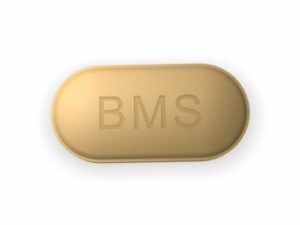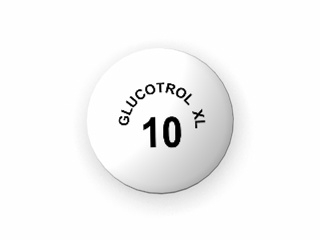

Glucotrol (Glipizide) – Patient Information (UK)
Glucotrol contains glipizide, a medicine used to help control blood sugar in adults with type 2 diabetes. It belongs to the group of medicines called sulfonylureas. Glipizide works by helping the pancreas release insulin, which lowers blood glucose levels.
This guide is designed to be clear and practical. It explains how the medicine works, how to take it safely, key interactions (including alcohol), what to expect, and when to seek advice.
Basic product information
| Feature | Details |
|---|---|
| Medicine name | Glucotrol (Glipizide) |
| Active ingredient | Glipizide |
| Medicine type | Sulfonylurea (oral glucose-lowering medicine) |
| Who it is used for | Adults with type 2 diabetes |
| Main benefit | Helps lower blood glucose by increasing insulin release |
| Common side effect to know | Hypoglycaemia (low blood sugar) |
How glipizide works (mechanism of action)
Glipizide reduces blood sugar mainly by stimulating the pancreas to release insulin. It does this by closing ATP-sensitive potassium channels on pancreatic beta cells. This leads to insulin release, which helps move glucose out of the bloodstream and into tissues for use.
Because it works by increasing insulin secretion, glipizide is most effective when the body can still produce insulin—this is typical in many people with type 2 diabetes, particularly earlier in the disease course.
Pharmacokinetics (how the body handles the medicine)
Absorption: Glipizide is absorbed from the gastrointestinal tract after oral dosing. Food may affect the rate of absorption, and many people are advised to take doses with meals to reduce the risk of low blood sugar.
Distribution: Once absorbed, glipizide circulates in the bloodstream and binds to plasma proteins.
Metabolism: Glipizide is metabolised mainly in the liver.
Excretion: Metabolites are eliminated primarily via the kidneys and urine.
Clinical implication: If you have significant liver or kidney impairment, your healthcare team may choose a different approach or adjust monitoring, because the risk of side effects—especially hypoglycaemia—may be higher.
Typical use in the UK
Glucotrol (glipizide) is used as part of diabetes care for adults with type 2 diabetes when lifestyle measures (diet, activity, weight management) are not enough. It may be used alone or in combination with other glucose-lowering medicines.
In many UK treatment plans, glipizide is one option among several medicines. The choice depends on individual factors such as blood glucose levels, risk of hypoglycaemia, weight considerations, kidney function, and existing comorbidities.
Common scenarios where it may be considered
- When a person needs an oral medicine that can lower glucose quickly after starting therapy.
- When other medicines are unsuitable due to side effects, cost, availability, or individual preference (for example, if alternatives are not appropriate).
- When additional glucose control is needed alongside lifestyle changes and/or other therapies.
Indications (what it is used to treat)
Glipizide is indicated for the treatment of type 2 diabetes mellitus in adults to improve glycaemic control. It is used alongside diet and exercise.
Timing and how to take it
Many people take glipizide once or twice daily depending on the prescribed regimen. Because glipizide lowers blood sugar by increasing insulin release, it is generally recommended to take doses with food to reduce the chance of low blood glucose—especially if you skip meals.
Practical timing tips
- Take with breakfast or your main meal if your dose is once daily.
- If you take it twice daily, take with breakfast and with the evening meal, unless advised otherwise.
- Try to take the medicine at similar times each day.
- Do not skip meals after taking glipizide.
- Keep up regular blood glucose monitoring if you have been advised to do so.
Dosing (general guidance for patients)
Doses vary from person to person and depend on blood glucose results, response, age, and risk factors for hypoglycaemia. Your prescriber and diabetes team will tailor your dose. The information below is general and not a substitute for personal medical advice.
Typical dosing principles
- Treatment often starts with a lower dose and then increases gradually if needed.
- Dose adjustments are usually based on blood glucose monitoring and overall diabetes control.
- People at higher risk of hypoglycaemia may be started at lower doses and monitored more closely.
If you miss a dose
- If you miss a dose, take it when you remember only if it’s still close to your usual mealtime.
- If it is nearly time for the next dose, skip the missed dose and continue as normal.
- Do not double up to make up for a missed dose.
If you are unsure what to do after a missed dose, speak to your healthcare team or pharmacist.
Food interactions and what to eat/avoid
Food does not “cancel out” glipizide, but meal timing is important. Because glipizide can cause low blood sugar, taking it with meals helps match insulin release with glucose availability.
Key food-related points
- Take with food whenever possible, especially if you are at risk of hypoglycaemia.
- Do not skip meals after taking a dose.
- If you plan to eat less than usual (for example, illness or reduced appetite), you may need additional guidance on monitoring and dose adjustments.
- Keep a consistent approach to carbohydrate intake across the day, particularly if you use insulin or other glucose-lowering medicines.
In general, glipizide does not require a special “diabetes diet” beyond the standard nutritional advice provided for diabetes. However, erratic eating patterns can increase the risk of low or high blood sugar.
Alcohol interactions
Alcohol can affect blood sugar in multiple ways. It may contribute to low blood glucose, especially if you drink without eating, drink heavily, or have reduced food intake. Alcohol may also make the symptoms of hypoglycaemia harder to recognise.
Safer drinking guidance
- Avoid drinking on an empty stomach.
- Limit alcohol and follow “lower-risk drinking” guidance.
- Monitor your blood glucose if you drink alcohol and are at risk of hypoglycaemia.
- Seek medical advice for personalised guidance, especially if you have liver disease or frequent hypos.
If you feel unwell after drinking (shaky, sweaty, confused, unusually drowsy), treat possible hypoglycaemia promptly and get urgent help if you cannot recover.
Medicine interactions (including common combinations)
Many medicines can affect glucose control and the risk of side effects. Some interactions can increase the chance of hypoglycaemia, while others may reduce glipizide’s effect.
Medicines that may increase the risk of hypoglycaemia
The following categories can sometimes increase the effect of blood sugar lowering medicines:
- Other glucose-lowering medicines (for example, insulin or other antidiabetic tablets)
- Some antibiotics and antifungals (depending on the specific agent)
- Certain pain medicines (not all; depends on the drug)
- Some hormone-related medicines that influence glucose metabolism
Medicines that may reduce glipizide’s effect
- Corticosteroids (for example, prednisolone)
- Some diuretics (water tablets)
- Medicines that increase blood glucose levels in certain people
- Some antipsychotic medicines (depending on the specific agent)
What you should do
- Tell your pharmacist or healthcare team about all medicines you take, including over-the-counter products and herbal supplements.
- If a new medicine is started, ask whether it changes your diabetes monitoring plan.
- If you notice more hypos or consistently high readings, contact your healthcare team promptly.
Safety profile: important risks and side effects
Serious risk: hypoglycaemia (low blood sugar)
Hypoglycaemia is the key risk with sulfonylureas like glipizide. It can happen especially if:
- You take glipizide but eat less than usual or skip meals
- You increase physical activity without adjusting food intake
- You drink alcohol
- You take other medicines that lower blood glucose
- You have kidney or liver impairment
- Dose is too high for your needs
Common symptoms of hypoglycaemia
- Sweating, shaking, trembling
- Hunger, nausea
- Headache, dizziness
- Feeling anxious, weak, or confused
- Palpitations
What to do if you suspect low blood sugar
- Check your blood glucose if possible.
- Take fast-acting carbohydrate (for example glucose tablets, sweets, or juice) according to your diabetes plan.
- Recheck after a short period if you were advised to do so.
- If symptoms do not improve or you are unable to swallow safely, seek urgent medical help.
Other possible side effects
Side effects vary by person. Many people tolerate glipizide well, particularly when starting at appropriate doses and taking with meals.
- Gastrointestinal upset (for example nausea, indigestion)
- Weight gain (common with insulin secretagogues)
- Headache
- Skin reactions (rare)
- Changes in blood counts (rare; more likely with other agents, but monitoring may be required if clinically indicated)
Seek medical advice urgently if you develop signs of severe allergic reaction (such as facial swelling, difficulty breathing), or if you experience repeated episodes of hypoglycaemia.
Practical use tips for day-to-day safety
- Follow meal timing: Take your dose with a meal and avoid skipping carbohydrates.
- Monitor blood glucose as advised. If you are new to glipizide, more frequent checks may be helpful.
- Keep fast sugar available (e.g., glucose tablets) in case of low blood sugar.
- Carry identification (diabetes card/bracelet) if you are prone to hypos.
- Be cautious with exercise changes. If you plan extra activity, consider checking your glucose and eating appropriately.
- Hydrate and maintain regular eating when you are unwell. Illness can change glucose readings.
- If you have symptoms of hypoglycaemia, do not “push through” them—treat promptly.
When to contact a healthcare professional
- You experience repeated hypos or severe symptoms.
- Blood glucose readings are consistently too high despite taking the medicine with meals.
- You are starting a new medicine that could interact with diabetes control.
- You develop symptoms of infection or illness that affect your eating or hydration.
- You have kidney or liver concerns or changes in your health status.
Alternative options (other ways to manage type 2 diabetes)
If glipizide is not suitable—or if you need a different balance of benefits and risks—there are several alternatives commonly used in the UK. Choice depends on your glucose levels, cardiovascular risk, weight goals, kidney function, and side effect considerations.
Possible alternatives include
- Metformin (often first-line; helps reduce glucose production by the liver and improves insulin sensitivity)
- DPP-4 inhibitors (lower glucose with generally lower hypoglycaemia risk than sulfonylureas)
- SGLT2 inhibitors (increase glucose loss in urine; may offer cardiovascular and kidney benefits for some people)
- GLP-1 receptor agonists (increase insulin in response to meals and can support weight loss)
- Other sulfonylureas (different dosing and risk profiles)
- Insulin (effective when glucose is high or when oral options are inadequate)
Your healthcare team can help you select the most suitable alternative based on your individual circumstances.
UK market and legal context (patient-friendly overview)
In the United Kingdom, glipizide products are regulated medicines. Diabetes treatment is guided by clinical standards and local NHS pathways, with medicines provided through NHS services or community pharmacies.
Diabetes care in the UK is commonly supported by structured reviews, blood glucose monitoring plans, and medication review processes. Medicine choice is influenced by national recommendations and real-world factors such as safety monitoring, cost-effectiveness, and availability.
Recent guidance (high level)
In recent years, UK diabetes guidance has continued to emphasise:
- A patient-centred approach balancing glucose lowering benefits with side effects and hypoglycaemia risk.
- Using medicines with benefits for cardiovascular and kidney outcomes for suitable people.
- Regular review of therapy effectiveness, safety, and adherence.
- Minimising avoidable hypoglycaemia, particularly in higher-risk groups.
Sulfonylureas (including glipizide) remain an option in selected cases, but the overall emphasis is on choosing therapies that fit individual needs and reduce harm.
Delivery and availability (UK)
Availability of Glucotrol (glipizide) can vary by strength, formulation, and stock status. Online pharmacy services in the UK typically provide ordering options with estimated delivery windows.
- Stock status: Check the product page for current availability.
- Dispatch: Many pharmacies dispatch orders after payment verification and processing.
- Delivery: Delivery timeframes depend on your location (UK mainland versus other areas) and the courier used.
- Packaging: Medicines are usually supplied in secure packaging to protect tablets and labels.
If you need urgent supplies or have concerns about delivery timing (for example, if you are close to running out), contact customer support so they can advise on stock and shipping options.
FAQ
Is Glucotrol (glipizide) used for type 1 diabetes?
Glipizide is used for type 2 diabetes in adults. It is not intended for type 1 diabetes.
How quickly does glipizide start working?
Glipizide can begin lowering blood glucose after you take a dose, but the full benefit is assessed over days to weeks through blood glucose monitoring and longer-term measures such as HbA1c.
Can I drive or operate machinery while taking glipizide?
Driving and machinery use are generally safe for many people taking glipizide, but caution is important if you are at risk of hypoglycaemia. If you have had hypos, feel warning symptoms, or have frequent glucose swings, discuss this with your healthcare team.
What should I do if I get symptoms of low blood sugar?
Treat it promptly with fast-acting carbohydrate and follow your diabetes action plan. If symptoms are severe, persistent, or you cannot swallow safely, seek urgent medical help.
Does glipizide have to be taken with food?
Taking glipizide with food is usually recommended to reduce the risk of hypoglycaemia. If your personal regimen differs, follow the instructions given by your healthcare professional.
Can I drink alcohol while using glipizide?
Alcohol can increase the risk of low blood sugar. If you choose to drink, do so cautiously and avoid drinking without food. If you’re unsure, ask a pharmacist for personal advice.
Are there any foods I must avoid completely?
There are no absolute food exclusions for glipizide, but consistent eating patterns matter. Skipping meals increases the risk of hypoglycaemia.
What if I take other diabetes medicines as well?
Combining medicines can improve glucose control but may increase the risk of hypoglycaemia. Your dose and monitoring plan should be set by your healthcare team.
Can I stop taking Glucotrol if I feel better?
Do not stop or change your dose without advice from your healthcare team. Even if your readings improve, diabetes is a long-term condition.
Who should be extra cautious?
People who are older, have kidney or liver impairment, eat irregularly, have had hypos, or take interacting medicines may have a higher risk of hypoglycaemia and should be monitored carefully.
Note: This information is intended to support understanding and safe use of Glucotrol (glipizide). For advice tailored to your circumstances, speak to your pharmacist or healthcare professional—especially if you have other medical conditions, are pregnant or planning pregnancy, or are taking multiple medicines.