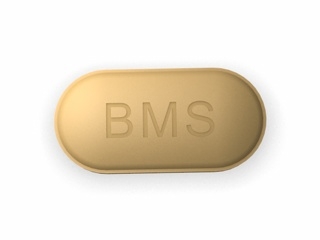
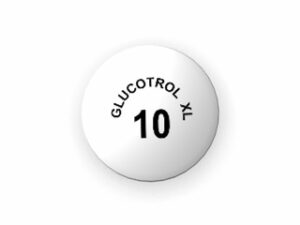

Glucovance (Metformin / Glyburide) — Patient Guide (UK)
Glucovance is a combination medicine used to help manage type 2 diabetes. It contains two active ingredients:
- Metformin
- Glyburide (also known as glibenclamide in some countries)
This guide explains how Glucovance works, when it’s typically taken, what to expect, important safety information, and practical tips for safe use in the United Kingdom.
Basic product information
| Product | Glucovance |
|---|---|
| Active ingredients | Metformin + Glyburide (glibenclamide) |
| Medicine type | Oral blood glucose–lowering medicine (antidiabetic combination) |
| Common use | Type 2 diabetes, particularly when metformin alone isn’t enough |
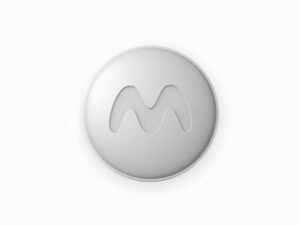
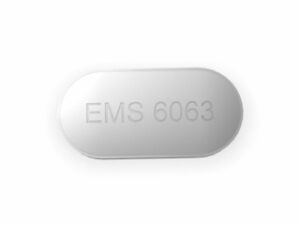
| Form | Tablets (strength varies by product presentation) |
| Key safety note | Includes a sulfonylurea (glyburide) → risk of low blood sugar (hypoglycaemia) |
Note: The exact tablet strength and dosing schedule depend on the formulation available and your individual treatment plan. Always follow the instructions provided with your specific product.
How Glucovance works (mechanism of action)
Glucovance combines two medicines with complementary effects:
-
Metformin
- Helps reduce glucose production by the liver (suppresses hepatic gluconeogenesis)
- Improves insulin sensitivity, allowing your body to use insulin more effectively
- May reduce absorption of glucose from the gut
-
Glyburide (glibenclamide)
- Belongs to the sulfonylurea group
- Stimulates the pancreas to release insulin
- Works by closing ATP-sensitive potassium channels in pancreatic beta cells
Together, these actions can lower blood glucose in people with type 2 diabetes.
Pharmacokinetics (how the body handles the medicine)
Pharmacokinetics describes absorption, distribution, metabolism, and elimination.
Metformin
- Absorption: Absorbs from the gastrointestinal tract (bioavailability varies).
- Distribution: Widely distributed into tissues; not extensively protein bound.
- Metabolism: Minimal metabolism in the body.
- Elimination: Excreted primarily unchanged via the kidneys.
Implication: Kidney function is important when taking metformin, because reduced kidney clearance can increase risk of side effects (including rare but serious lactic acidosis).
Glyburide (glibenclamide)
- Absorption: Generally well absorbed after oral dosing.
- Distribution: Protein binding occurs.
- Metabolism: Metabolised in the liver (mainly via CYP enzymes).
- Elimination: Excreted as metabolites, via bile and/or kidneys depending on metabolite routes.
Implications: Liver impairment may increase exposure; drug interactions can affect levels and hypoglycaemia risk.
Typical use in the UK
Glucovance is used to improve blood sugar control in type 2 diabetes when:
- Diet and exercise alone aren’t enough, and
- Metformin alone is insufficient for adequate control, or
- A clinician decides that a combination approach is appropriate for your individual situation.
In routine UK diabetes care, treatment is usually adjusted based on measured blood glucose and/or HbA1c (a long-term marker of average blood sugar), alongside your overall health, kidney function, weight goals, and risk of side effects.
When to take it (timing and consistency)
Glucovance is usually taken with meals. A key reason is to reduce the likelihood of low blood sugar caused by glyburide. Taking it with food also supports tolerability for metformin-related stomach effects.
- Take with meals: Follow your specific schedule (commonly once or twice daily, depending on strength and clinician advice).
- Try to keep timing consistent: If you take it in the morning and evening, aim for similar times each day.
- Do not skip meals: Skipping meals increases hypoglycaemia risk.
- Missed dose: If you forget a dose, take it when you remember unless it’s close to the time for the next dose. Do not take a double dose.
Practical tip: If you often miss breakfast or lunch, discuss this with a healthcare professional. Adjustments to dosing timing and meals may help reduce risk.
Food interactions and dietary considerations
Food interacts with Glucovance in several ways:
- Meals reduce hypoglycaemia risk: Because glyburide increases insulin release, taking it without food can lead to low blood sugar.
- Carbohydrate consistency helps: Large swings in carbohydrate intake can make blood glucose less predictable.
- Gastrointestinal tolerance: Metformin commonly causes stomach-related side effects (such as nausea or diarrhoea), which may be reduced by taking with food.
General dietary approach for type 2 diabetes: Many people benefit from a balanced diet focused on carbohydrate quality (e.g., high-fibre options), portion awareness, regular meals, and weight management where appropriate.
Alcohol and medicine interactions
Alcohol should be used with caution. Alcohol can affect blood glucose levels and can increase risk of adverse effects.
- Risk of hypoglycaemia: Alcohol may lower blood glucose, especially if you drink on an empty stomach or have irregular eating patterns.
- Risk related to metformin: Heavy or binge drinking may increase the risk of lactic acidosis, a rare but serious condition. This risk is higher in people with dehydration, liver problems, or significant alcohol use.
- Practical advice: If you drink, do so with food and in moderation. Avoid binge drinking and ensure you stay hydrated.
If you plan to drink alcohol regularly or attend social events where meals may be irregular, it’s a good idea to discuss a safety plan with your healthcare team.
Medicine interactions (common and important)
Glucovance may interact with other medicines. Some interactions can increase hypoglycaemia risk; others can affect metformin levels or kidney function.
Drugs that may increase hypoglycaemia risk
- Other diabetes medicines (including insulin or other blood glucose–lowering agents)
- Some anti-infectives and pain medicines may affect blood glucose or drug metabolism (examples include certain antibiotics and non-steroidal anti-inflammatory drugs in some cases)
- Medicines that affect liver enzymes may change glyburide metabolism
Drugs that may affect kidney function or metformin safety
- Some medicines that can affect kidney blood flow or function
- Dehydrating medicines (e.g., some diuretics) especially if you become dehydrated
Contrast agents and imaging tests
Metformin is sometimes temporarily paused around certain imaging procedures involving iodinated contrast due to kidney risk and the rare concern of lactic acidosis. Your clinic will advise what to do, based on your kidney function.
Always tell your pharmacist or clinician about all medicines you take, including over-the-counter products and supplements.
Indications (what Glucovance is used for)
Glucovance is indicated as an oral therapy for type 2 diabetes to improve glycaemic control. It is typically considered when:
- Blood sugar remains above target despite lifestyle measures and/or metformin therapy, or
- A clinician determines that a metformin + sulfonylurea approach is suitable based on your treatment history and individual risk factors.
It is not used for type 1 diabetes and is not intended for treatment of diabetic ketoacidosis.
Dosing guidance (general information)
Dosing varies by patient and formulation. The following provides general principles used in practice:
- Start low and increase gradually: Metformin often starts at a lower dose to improve stomach tolerance.
- Take with meals: Important for glyburide-containing medicines.
- Adjust based on glucose monitoring: Dose changes are typically guided by HbA1c and/or blood glucose readings.
- Kidney function matters: Metformin dosing may need adjustment or avoidance in significant renal impairment.
- Hypoglycaemia risk: Because glyburide can cause low blood sugar, dosing may need to be conservative in older adults or those with higher risk factors.
Important: Do not change your dose without medical advice. If you experience frequent low blood sugar or intolerable side effects, seek guidance promptly.
Safety profile and side effects
Like all medicines, Glucovance can cause side effects. Many are manageable, but some require urgent action.
Common side effects
- Gastrointestinal symptoms (more commonly with metformin): nausea, diarrhoea, abdominal discomfort, loss of appetite
- Headache
- Low blood sugar (hypoglycaemia), particularly if meals are skipped or doses are high relative to intake
Serious side effects — seek help urgently
-
Hypoglycaemia: Symptoms may include sweating, trembling, dizziness, hunger, confusion, palpitations, or weakness.
- If you feel symptoms, treat quickly with fast-acting carbohydrate (e.g., glucose tablets or sugary drink) and re-check your sugars if possible.
- Severe symptoms (such as collapse, seizures, or inability to swallow) require emergency help.
- Lactic acidosis (rare): A serious condition associated with metformin, particularly during severe illness, dehydration, or kidney impairment. Warning signs can include unusual muscle pain, feeling very unwell, unusual sleepiness, slow or irregular breathing, and abdominal discomfort with vomiting.
When to be extra cautious
- Kidney impairment (metformin clearance depends on the kidneys)
- Liver impairment (glyburide metabolism may be affected)
- Older age or frailty (hypoglycaemia risk increases)
- Irregular meals or reduced intake
- Intense exercise without carbohydrate planning
Practical use tips for everyday life
- Carry a diabetes plan: If you have episodes of low blood sugar, consider carrying glucose and wearing medical ID.
- Monitor blood glucose if advised: Your clinician may recommend periodic testing to guide dose adjustments.
- Recognise early hypoglycaemia: Symptoms can vary; early recognition improves safety.
- Stay hydrated: Dehydration increases kidney stress and can raise risk related to metformin.
- Be careful during illness: If you are vomiting, have severe diarrhoea, or cannot eat normally, contact a healthcare professional for advice. Medicines may need temporary review.
- Keep an eye on kidney function: Regular checks help ensure metformin remains safe for you.
Alternative options (if Glucovance isn’t suitable)
There are multiple medicines for type 2 diabetes. Which one is best depends on your blood sugar level, kidney function, weight considerations, side-effect tolerance, and cardiovascular risk.
Common alternative classes include:
- Metformin alone (if sulfonylurea is not appropriate)
- Sulfonylureas other than glyburide (some people may tolerate them differently, but hypoglycaemia risk remains)
- DPP-4 inhibitors (lower blood sugar with a generally low hypoglycaemia risk)
- SGLT2 inhibitors (help the kidneys remove glucose; may have additional benefits for some patients)
- GLP-1 receptor agonists (often with weight benefits for some individuals)
- Insulin for more advanced disease or specific situations
- Other combinations depending on what’s available and suitable
Your healthcare team can help decide the most appropriate option based on updated results and your overall health profile.
UK market and legal context (general overview)
In the United Kingdom, diabetes medicines are regulated by medicines and healthcare systems oversight. Availability may vary based on the product’s status, supply, and local prescribing practices.
Online pharmacies must comply with applicable UK regulations regarding safe supply, verification processes, and information for patients. Always ensure you buy from a reputable provider and that the product description matches the tablet strength and formulation you need.
Patient safety reminder: Counterfeit or incorrectly labelled medicines can be dangerous. Only use suppliers that provide clear product identification, batch/expiry information where appropriate, and appropriate guidance.
Recent guidance and clinical approach (UK context)
UK diabetes care is guided by national recommendations and evolving evidence. General trends in recent years include:
- Individualised care: Treatment targets and medication choice consider comorbidities and risks (including cardiovascular and kidney risks).
- Review and optimisation: Medicines are regularly reviewed to balance benefits and side effects.
- Hypoglycaemia avoidance: Clinicians consider low blood sugar risk when selecting and dosing therapies, especially in older adults.
- Metformin kidney assessment: Continued emphasis on kidney function monitoring for metformin-containing therapies.
While the exact approach differs from person to person, it’s common for treatment to be adapted as HbA1c changes, as kidney function evolves, and as new evidence supports different therapy options.
Delivery and availability (what to expect online in the UK)
Availability of specific strengths and pack sizes can vary. When ordering online, look for:
- Clear product details (active ingredients, tablet strength, pack size)
- Expiry date and batch information where displayed
- Secure packaging and appropriate handling for temperature stability (as required by the manufacturer)
Delivery times: Many UK online pharmacies offer standard and express delivery options, but exact schedules depend on supplier location, stock status, and courier services.
Keep track of orders: Ensure your contact details are accurate for delivery updates. If you’re not available, check delivery instructions provided at checkout.
FAQ: Glucovance (Metformin / Glyburide)
1. What is Glucovance used for?
Glucovance is used to improve blood sugar control in people with type 2 diabetes, particularly when combination therapy is appropriate.
2. How quickly does it work?
Blood glucose changes can begin after starting, but the full effect on long-term markers like HbA1c takes time (typically weeks). Your clinician may review results after an appropriate period.
3. Can I take Glucovance if I skip meals?
It’s generally not advisable. Because glyburide can cause hypoglycaemia, skipping meals increases the risk of low blood sugar. If your eating pattern is irregular, discuss safer options and dosing timing.
4. What should I do if I get symptoms of low blood sugar?
Treat quickly with fast-acting carbohydrate (such as glucose tablets or a sugary drink). Then re-check blood glucose if possible. If symptoms are severe or you cannot swallow, seek urgent medical help.
5. Are there foods I must avoid?
There are no absolute food bans for most people, but consistent carbohydrate intake and taking your dose with meals are important. Alcohol should be limited and taken with food to reduce risks.
6. Can I drink alcohol while taking Glucovance?
Use caution. Alcohol can lower blood sugar and may increase risk of serious complications in some situations. Avoid binge drinking and ensure you drink with food. Seek advice if you have liver disease or drink heavily.
7. Who should be extra careful with Glucovance?
People with kidney or liver impairment, older adults, those with irregular meals, and anyone with a history of hypoglycaemia should be closely monitored. If you fall into these groups, discuss suitability and dosing carefully.
8. What happens if I miss a dose?
If you miss a dose, take it when you remember unless it’s close to the next dose. Don’t take a double dose. If you’re unsure, ask a pharmacist.
9. Can Glucovance cause stomach upset?
Yes. Metformin commonly causes gastrointestinal side effects, especially when starting or increasing the dose. Taking with meals can help. Persistent or severe symptoms should be discussed with a healthcare professional.
10. Is Glucovance suitable for everyone?
No. Suitability depends on your medical history, kidney and liver function, other medicines, and your risk of hypoglycaemia. A clinician should confirm appropriateness for your individual case.
Patient reminder: This information is intended to help you understand Glucovance and how it’s commonly used in the UK. It does not replace advice from a healthcare professional. If you have concerns about side effects, interactions, or whether the medicine is right for you, seek professional guidance.