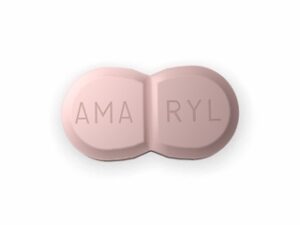

Glycomet (Metformin) – Patient Information (UK)
Glycomet contains metformin, a medicine used to treat type 2 diabetes. It helps lower blood glucose (sugar) levels and is widely used in the UK because it is effective, generally well tolerated, and does not usually cause hypoglycaemia when taken alone.
This page explains how Glycomet works, how to take it, key safety information, and what to expect in daily life. Always follow the advice of your healthcare professional and read the patient information leaflet supplied with your medicine.
Quick overview
| Feature | What it means for you |
|---|---|
| Medicinal ingredient | Metformin |
| Common uses | Type 2 diabetes (often first-line), sometimes with other diabetes medicines |
| How it works | Reduces glucose production in the liver and improves insulin sensitivity |
| Typical timing | Often taken with meals to reduce stomach side effects; follow your prescription directions |
| Important checks | Kidney function (eGFR), vitamin B12 levels (long-term use), and awareness of rare lactic acidosis risk |
| Alcohol | Be cautious; heavy drinking or acute illness can increase the risk of lactic acidosis |
Basic product information
Glycomet is a brand name for metformin. Metformin is a biguanide medicine. Depending on the product strength and formulation, dosing schedules may differ; some tablets are immediate-release, while others may be modified-release in other metformin brands. Ensure you have the correct product and strength.
- Medicinal form: tablets (strength varies by product)
- Therapeutic group: oral antidiabetic medicine
- Common target: type 2 diabetes management
How Glycomet works (mechanism of action)
Metformin helps control blood sugar by acting mainly in the liver and also by improving the way the body uses insulin. It does not directly stimulate insulin release from the pancreas, which is why it typically carries a lower risk of hypoglycaemia when used by itself.
Key mechanisms include:
- Lowering liver glucose output: Metformin reduces the production of glucose by the liver, helping lower fasting blood sugar.
- Improving insulin sensitivity: It enhances how peripheral tissues respond to insulin, helping move glucose into cells more effectively.
- Effects on gut and metabolism: It may influence intestinal absorption of glucose and cellular energy pathways (including effects involving AMP-activated protein kinase, AMPK).
Pharmacokinetics (how the body handles metformin)
Pharmacokinetics describes what happens to a medicine in the body: absorption, distribution, metabolism and elimination. For metformin:
- Absorption: Metformin is absorbed from the gastrointestinal tract. Taking it with food can reduce gastrointestinal discomfort.
- Distribution: It is distributed into tissues, with limited protein binding. Metformin can accumulate in the body if kidney function declines, which is why dose and suitability depend on kidney health.
- Metabolism: Metformin is not significantly metabolised by the liver.
- Elimination: It is excreted largely unchanged by the kidneys. Reduced kidney function increases metformin exposure.
Clinical implication (important): Because metformin is cleared through the kidneys, healthcare professionals monitor eGFR (estimated glomerular filtration rate) to minimise risk of rare but serious side effects such as lactic acidosis.
Typical use in the UK
Glycomet (metformin) is commonly used as:
- First-line treatment for many people with type 2 diabetes, alongside lifestyle changes (diet, physical activity, and weight management).
- Combination therapy with other diabetes medicines if blood glucose goals are not met.
- Adjunct therapy to improve HbA1c (long-term blood sugar measure) and fasting glucose.
Your clinician may also consider other factors such as cardiovascular risk, kidney function, weight goals, and side-effect profile when deciding on your diabetes plan.
Indications (who it is for)
Metformin is indicated for the treatment of type 2 diabetes mellitus, particularly in adults. In some settings, metformin may be used in certain patients under professional guidance.
In practice: It may be recommended when:
- Blood sugar is elevated due to type 2 diabetes
- Lifestyle changes alone are insufficient
- Additional medicines are needed to reach target HbA1c
- Weight and low risk of hypoglycaemia are important considerations
When and how to take Glycomet (timing and dosing)
Always follow the dosing instructions on your medicine label and the advice given by your healthcare professional. Below are general patient-friendly guidelines that may help you understand typical regimens.
Starting treatment
- Gentle titration is common: Many people start on a low dose and increase gradually to improve tolerance—especially for stomach-related side effects.
- Review after dose changes: Your clinician may check blood glucose and adjust the dose.
Typical dosing approach (general)
Doses vary by product strength and personal factors (including kidney function). Common regimens often involve splitting the dose during the day, such as:
- Once daily (depending on the product and dose)
- Twice daily with meals
- Higher daily doses may be divided into multiple doses
Do not increase your dose to “catch up” missed doses. If you miss a dose, take it when you remember unless it is close to the next dose—then skip the missed dose and continue as usual.
How to take it
- Take with food: This can help reduce nausea, abdominal discomfort, and diarrhoea.
- Swallow tablets whole: Unless your product instructions say otherwise.
- Keep consistent timing: Helps maintain steady blood levels.
Important: kidney function limits
Your ability to take metformin depends on kidney function (eGFR). Dosing and suitability may change if your eGFR declines. Ask your clinician how often you should have blood tests.
Food interactions and diet guidance
Metformin works best as part of an overall diabetes management plan. Food does not usually “cancel out” the medicine, but what you eat can affect blood glucose—therefore food choices still matter.
Should you take it with meals?
- Yes, typically. Taking Glycomet with meals can reduce gastrointestinal side effects.
- If you experience stomach upset, taking the medicine with the largest meal of the day may help (seek advice before adjusting your schedule).
Effect on appetite and weight
Many people experience stable or modest weight effects with metformin. It is not a weight-loss medicine, but compared with some diabetes treatments it is associated with less weight gain. If you are trying to lose weight, combine metformin use with diet and activity changes.
Alcohol and medicine interactions
Alcohol and the risk of lactic acidosis
A rare but serious adverse effect linked with metformin is lactic acidosis. Alcohol can increase risk, particularly:
- With heavy or binge drinking
- During times when you are dehydrated
- When you are fasting or not eating well
- During acute illness that affects breathing, circulation, or hydration
Practical advice: If you choose to drink alcohol, do so moderately and with food when possible. Avoid alcohol when you are unwell (for example, vomiting or diarrhoea) and seek medical advice if you have symptoms suggestive of serious illness.
Interactions with other medicines
Metformin can interact with several medicines via kidney function, blood sugar effects, or changes to metabolism. Always tell your clinician or pharmacist about all medicines you take, including over-the-counter products.
Examples of important interaction considerations:
- Medicines affecting kidney function: Some medicines can reduce kidney clearance. If your kidney function is affected, metformin levels can rise.
- Contrast media for scans: In the UK, metformin may require temporary review around certain imaging tests involving iodinated contrast, depending on kidney function and the scan plan.
- Other blood glucose–lowering medicines: While metformin alone usually does not cause hypoglycaemia, combination therapy can.
- Medicines that influence blood sugar: Steroids (including some inhaled forms), diuretics, and some hormonal treatments can raise glucose and may require diabetes regimen adjustment.
Never start or stop other medicines without checking compatibility with your diabetes plan.
Safety profile and side effects
Metformin is generally well tolerated. However, it can cause side effects, particularly early in treatment or when doses are increased quickly.
Common side effects
- Gastrointestinal symptoms such as nausea, diarrhoea, vomiting
- Abdominal discomfort or bloating
- Loss of appetite (often temporary)
These effects often improve as your body adjusts, and they may be reduced by taking metformin with meals and increasing the dose gradually.
Less common but important risks
- Vitamin B12 deficiency: Long-term metformin use can lower vitamin B12 levels. Low B12 may lead to anaemia or nerve-related symptoms (tingling, numbness). Regular monitoring may be advised, especially in people with symptoms or risk factors.
- Lactic acidosis (rare): A serious condition where lactic acid builds up in the blood. Risk increases with significant kidney impairment, severe infection, dehydration, low oxygen states, or excessive alcohol intake.
Seek urgent medical help if
Contact urgent medical services or seek immediate advice if you develop symptoms suggestive of lactic acidosis, such as:
- Severe or unusual tiredness
- Muscle pain
- Breathing difficulties
- Somnolence (unusual sleepiness)
- Abdominal pain with vomiting
- Feeling very unwell, especially with dehydration or infection
Who needs extra caution?
- People with reduced kidney function (lower eGFR)
- Older adults, especially if kidney function is borderline
- People who are frequently dehydrated
- Those who drink alcohol heavily
- Anyone with severe illness (for example, serious infection or breathing problems)
Practical tips for using Glycomet day to day
- Start low, go slow: If you are newly prescribed or your dose has changed, give your body time to adjust. Follow the titration plan from your healthcare professional.
- Take it with meals: Keeping a consistent meal routine can reduce side effects.
- Hydration matters: Drink fluids regularly—especially if you are warm, exercising, or unwell.
- Know “sick day” precautions: If you are vomiting, have severe diarrhoea, have a high fever, or you cannot eat or drink normally, you may need temporary guidance about continuing metformin. Seek advice promptly.
- Monitor glucose and HbA1c: Your results guide whether dose changes or combinations are needed.
- Ask about B12: Discuss vitamin B12 monitoring if you take metformin long term or have symptoms.
- Review other medicines: When you are prescribed new drugs (including short courses like antibiotics or steroids), ask if they affect diabetes control.
Alternative options to consider
Type 2 diabetes treatment is individual. Alternatives may include other oral or injectable medicines depending on your HbA1c, weight goals, kidney function, cardiovascular risk, and side-effect preferences.
Common alternatives (examples)
- Other oral medicines such as sulfonylureas, DPP-4 inhibitors, SGLT2 inhibitors, or pioglitazone
- GLP-1 receptor agonists (injection) for suitable patients
- Insulin when needed for glucose control
If you cannot tolerate metformin due to side effects, or if it is not suitable because of kidney function, your clinician may consider:
- Switching to a different metformin formulation (e.g., modified-release where available)
- Reducing the dose and titrating more slowly
- Using metformin in combination with another medicine rather than increasing metformin further
UK market and legal context (high-level)
In the United Kingdom, medicines are regulated by the Medicines and Healthcare products Regulatory Agency (MHRA). Metformin products such as Glycomet are licensed medicines with specific indications and dosing recommendations described in their product information.
Diabetes care in the UK is typically guided by evidence-based pathways. Clinicians consider patient factors including comorbidities (such as heart disease and kidney disease) and monitor safety parameters such as kidney function and vitamin B12 for long-term users.
Important: You should not adjust metformin dosing outside clinical advice. If you have concerns about side effects, affordability, or missed doses, speak to a pharmacist or your healthcare team.
Recent guidance and clinical updates (UK overview)
Diabetes management guidance in the UK (including recommendations from professional bodies and national formularies) may evolve over time, but metformin remains a foundational treatment for many people with type 2 diabetes.
Common themes in recent practice:
- Individualised treatment escalation: Add-on therapy choice is influenced by cardiovascular and kidney risk.
- Safety monitoring: Regular assessment of kidney function (eGFR) and awareness of symptoms of serious adverse effects.
- Medication review around procedures: Increased attention to how medicines are handled around imaging or situations that affect kidney function.
- Patient education: Emphasis on “sick day” advice and recognising when to seek help.
If you would like to know what guidance applies most closely to your situation, ask your local pharmacist or clinician.
Delivery, availability and purchasing in the UK
Glycomet (metformin) is commonly available through UK pharmacies and pharmacy-led online services, subject to local regulations and availability from suppliers.
- Stock availability: May vary by strength and tablet count.
- Delivery times: Delivery schedules depend on your location and the service level chosen at checkout.
- Cold chain: Metformin tablets do not typically require refrigeration.
When ordering, ensure you select the correct strength and formulation that matches your current treatment plan. If you are unsure, check the medicine name and strength on your existing packaging and speak to a pharmacist.
Glycomet FAQ
1) Can I take Glycomet if I have type 1 diabetes?
Metformin is for type 2 diabetes. If you have type 1 diabetes, metformin is generally not used as a primary treatment unless specifically advised by a specialist for a particular reason. Ask your healthcare team for guidance.
2) Will Glycomet cause hypos (low blood sugar)?
Metformin alone usually has a low risk of causing hypoglycaemia because it does not stimulate insulin release. However, if you take it with other medicines that can cause hypos (such as insulin or sulfonylureas), the overall risk may increase.
3) What should I do if I forget a dose?
Take it as soon as you remember unless it is near your next dose. If it is close, skip the missed dose and resume your usual schedule. Do not double up to make up for a missed tablet.
4) How long does it take to work?
Many people notice some improvement in blood glucose within days to weeks. However, the full effect on HbA1c is assessed over roughly 2–3 months.
5) I have diarrhoea and nausea—should I stop?
Mild gastrointestinal symptoms can be common, especially early on. Do not stop abruptly without advice, but you should contact your healthcare professional if symptoms are severe, persistent, or you become dehydrated. Your clinician may adjust the dose or recommend a different formulation.
6) Can I take Glycomet with other diabetes medicines?
Often, yes. Metformin is frequently combined with other diabetes therapies to reach treatment targets. Your clinician will plan the combination to balance glucose control with safety (including risk of hypoglycaemia).
7) Are there any foods I must avoid?
There are no specific “forbidden” foods with metformin. The main practical advice is to take your tablet with meals and aim for a balanced diabetes-friendly diet. If alcohol is involved, follow cautious guidance as outlined above.
8) Can I drink alcohol while taking metformin?
Moderate alcohol may be possible for some people, but caution is advised. Avoid heavy drinking and be extra careful during illness or dehydration. If you are unsure, ask a pharmacist for personalised advice based on your health situation.
9) Will I need blood tests?
You may have periodic blood tests to check kidney function (eGFR), glucose control (HbA1c), and possibly vitamin B12 levels, especially if you have symptoms or use metformin long term.
10) Is there anything special about taking it during illness?
If you are unwell—especially with vomiting or diarrhoea—your healthcare team may advise temporary adjustments to medicines. Seek urgent advice if you cannot keep fluids down or you feel very unwell.
Disclaimer: This information is for general education and does not replace medical advice. If you have questions about your specific dose, suitability, side effects, or interactions, speak to a pharmacist or clinician.