
Hydroxyurea (Hydroxycarbamide) — Patient-Friendly Guide
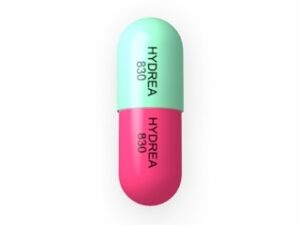
Hydroxyurea (also known by the brand name Hydrea in some places and the generic name hydroxycarbamide) is a medicine used to treat certain blood-related conditions and some cancers. It works by slowing the growth of cells, particularly fast-growing blood cells. This guide explains how hydroxyurea works, how it is used, what to expect, and how to take it safely.
Important: This information is for general patient guidance. Your clinician may tailor your regimen based on your diagnosis, blood test results, age, kidney and liver function, and overall health.
Key product information
| Category | Details |
|---|---|
| Generic name | Hydroxyurea (hydroxycarbamide) |
| What it’s used for | Certain blood disorders and cancers, including chronic myeloid/other myeloproliferative disorders and some solid tumour settings (as advised by specialist teams) |
| How it’s taken | Usually by mouth, once daily (sometimes different schedules depending on condition) |
| Common form | Capsules or tablets (strengths vary) |
| How it’s monitored | Regular blood tests (full blood count, kidney/liver function as appropriate) |
How hydroxyurea works (mechanism of action)
Hydroxyurea is a cytotoxic medicine (it affects cell growth) that also helps control abnormal blood cell production. It:
- Inhibits ribonucleotide reductase, an enzyme needed for making DNA building blocks (it reduces availability of deoxyribonucleotides).
- Helps slow down DNA synthesis, particularly in rapidly dividing cells.
- Reduces the production of certain blood cells, which can relieve symptoms and reduce the risk of complications in disorders where blood counts are too high.
In some conditions, hydroxyurea can also help improve blood viscosity and reduce disease-related risks by lowering high cell counts over time.
Pharmacokinetics (how the body processes it)
Pharmacokinetics describes what the body does to a medicine—how it is absorbed, distributed, metabolised, and eliminated.
- Absorption: After oral dosing, hydroxyurea is absorbed through the gut. Food may affect the rate and extent of absorption.
- Distribution: It distributes into body tissues and reaches the bloodstream where it can act on bone marrow and other rapidly dividing cells.
- Metabolism: Hydroxyurea is metabolised mainly in the liver (details vary between individuals).
- Elimination: It is cleared from the body through metabolism and kidney (renal) excretion of metabolites.
- Half-life (general concept): Hydroxyurea does not remain in the body indefinitely; dosing schedules often rely on an understanding of how quickly its effects wear off and how blood counts recover.
Kidney function matters: Because elimination involves the kidneys, your clinician may adjust dosing or monitor more closely if you have reduced kidney function.
Typical uses and indications (what it may be prescribed for in the UK)
Hydroxyurea is used in specialist care for several conditions. Indications can vary and depend on local clinical practice and evolving guidance. Commonly, it may be used for:
- Myeloproliferative neoplasms (MPNs): such as polycythaemia vera, essential thrombocythaemia, and related disorders, particularly when there is a high risk of blood clots or uncontrolled high blood counts.
- Chronic myeloid conditions requiring cytoreduction in selected circumstances, as guided by haematology specialists.
- Some cancers where hydroxyurea is used as part of a treatment strategy, sometimes to sensitise cells or reduce tumour burden (use varies by clinical indication).
- Other specialist uses based on the patient’s risk profile and disease behaviour.
Because “indication” depends on diagnosis, always confirm the purpose of your treatment with your healthcare team. If you’re unsure why you are taking hydroxyurea, ask your clinician or pharmacist.
Dosing and timing — what “once daily” can mean for you
Doses vary widely depending on the condition, your blood test results, and tolerability. Hydroxyurea dosing is often individualised and adjusted over time.
Typical dosing approach
- Start low and monitor: Many regimens begin with a dose intended to achieve a balance between reducing abnormal blood counts and maintaining safe levels of white cells and platelets.
- Adjust based on blood counts: If your blood counts fall too low, your clinician may pause or reduce the dose. If counts are not adequately controlled, the dose may be adjusted.
- Long-term continuation: Some patients take hydroxyurea for extended periods while monitoring continues.
When to take it
Hydroxyurea is commonly taken . Choose a time that helps you remember and try to take it consistently at the same time each day.
- Consistency is important: Try to take your dose at about the same time each day.
- Missed dose: If you miss a dose, follow the advice from your healthcare team or the product instructions. Do not take a double dose to make up for a missed tablet/capsule unless instructed.
- Vomiting shortly after taking: If you vomit soon after your dose, contact your pharmacist for specific advice on whether to take another dose.
Food interactions and taking hydroxyurea with meals
Food can affect how hydroxyurea is absorbed. For patient safety and to maintain consistent dosing, many clinicians recommend taking hydroxyurea:
- Either consistently with food or consistently without food, depending on what your prescriber recommended.
- Do not change your meal pattern suddenly without discussing it.
Practical tip: If you experience stomach upset, taking it with a light meal may help—ask your clinician/pharmacist whether that is appropriate for your regimen.
Alcohol and medicine interactions
Alcohol: There is no single “safe amount” that applies to everyone. Alcohol may increase the risk of side effects such as nausea, dizziness, and can affect liver function and blood counts. Because hydroxyurea is used in patients requiring close monitoring, it is generally advisable to:
- Keep alcohol intake modest.
- Avoid binge drinking.
- Discuss your alcohol use with your clinician, especially if you have liver problems or low blood counts.
Other medicines: Hydroxyurea may interact with other treatments, particularly those that affect the bone marrow or DNA synthesis. Tell your clinician and pharmacist about all medicines you take, including:
- Other chemotherapy or cytotoxic medicines
- Immunosuppressants
- Radiotherapy
- Medicines that can affect kidney function
- Vaccines (especially live vaccines)
- Over-the-counter medicines and supplements
If you are planning to start a new medicine (including antibiotics, pain relief, herbal supplements, or vitamins), ask your pharmacist to check for interactions.
Safety profile — what to expect and when to seek help
Like all medicines, hydroxyurea can cause side effects. Many patients experience mild or manageable effects, but some reactions require urgent medical attention—especially because hydroxyurea affects blood cell production.
Common side effects
- Low blood counts (myelosuppression): reduced white blood cells, red blood cells, or platelets
- Infections or feeling more prone to illness due to lower white cells
- Nausea or gastrointestinal upset
- Fatigue or weakness
- Skin changes (e.g., dryness or rashes)
- Hair thinning in some cases
- Oral ulcers (mouth sores)
Serious risks (important)
Contact your healthcare team promptly if you develop any of the following:
- Signs of infection: fever, chills, sore throat, persistent cough, or unusual infections
- Signs of anaemia: unusual breathlessness, marked tiredness, dizziness
- Bleeding or bruising: unusual bruises, nosebleeds, bleeding gums, or red/purple spots on the skin
- Severe skin reactions or rapidly worsening rash
- Persistent mouth sores or inability to eat/drink
Regular monitoring is essential: Full blood count tests help detect low blood cells before complications occur.
Pregnancy and breastfeeding
Hydroxyurea may be harmful to an unborn baby. If you are pregnant, trying to conceive, or breastfeeding, discuss this urgently with your clinician. Contraception advice varies by individual and may include guidance for both men and women taking hydroxyurea.
Driving and using machines
Hydroxyurea is not usually known for directly causing severe drowsiness, but fatigue or dizziness can occur. Use caution when driving or operating machinery until you know how the medicine affects you.
Practical use tips (how to take hydroxyurea safely)
- Follow your blood test schedule: Do not skip monitoring appointments. Dose adjustments are often guided by results.
- Take it consistently: Use the same timing each day and maintain consistent food habits (with or without food, as advised).
- Protect others: Hydroxyurea is a cytotoxic medicine. Avoid opening tablets/capsules unless instructed, and keep it out of reach of children. If accidental contact occurs (powder or crushed tablets), wash skin with water immediately and seek advice.
- Skin care: Use gentle moisturisers and protect skin from the sun (SPF recommended). Skin reactions may be worsened by UV exposure.
- Oral care: If you develop mouth sores, use soft toothbrushes, keep good oral hygiene, and ask your clinician about treatments or mouthwashes.
- Hydration: Drink enough fluids unless you’ve been told to restrict fluids.
- Report new symptoms early: Early reporting helps adjust dose safely and reduce risk of complications.
Alternative options — what might be considered instead
Depending on your diagnosis, the goals of treatment (such as controlling blood counts, reducing clot risk, and symptom relief) may be met with other medicines. Alternatives may include:
- Other cytoreductive agents (chosen by specialists based on risk profile and tolerability)
- Supportive therapy (e.g., symptom control medicines, blood thinning strategies where appropriate)
- Observation or watchful waiting in selected low-risk cases
- Newer targeted therapies in some conditions (availability depends on diagnosis and NHS/local pathways)
- Procedures or other specialist interventions in selected patients
Your clinician will balance expected benefit with risks such as low blood counts, infection risk, and longer-term considerations.
UK market, legal and prescribing context (what to know in the United Kingdom)
In the UK, hydroxyurea is regulated as a prescription-only medicine. Supply is governed by medicines legislation and pharmacy standards. Medicines for cytotoxic use are typically handled under strict safety and storage requirements.
Why this matters: Because hydroxyurea requires close monitoring, safe supply depends on ongoing clinical review and appropriate laboratory tests. Your pharmacy may request information about your current prescription details and blood test schedule to support safe continued supply.
Recent guidance and practice trends: Haematology practice evolves based on clinical trial evidence and evolving treatment pathways. In general, contemporary management of myeloproliferative neoplasms places emphasis on:
- Risk stratification (thrombotic and bleeding risk)
- Regular blood count monitoring and dose titration
- Individualised choice of cytoreductive therapy
- Patient education about infection/bleeding warning signs
Your specialist team can provide the most up-to-date information for your specific condition.
Delivery and availability in the UK
Availability of hydroxyurea products can vary by strength and formulation. Most UK pharmacies aim to source medicines promptly, but stock can occasionally be limited—particularly for specific strengths or less common formulations.
- Order processing: Orders are typically processed during business hours.
- Dispatch: Your order may be dispatched once verification and fulfilment checks are complete.
- Delivery times: Delivery schedules depend on your location and courier service.
- Stock status: If a product is temporarily out of stock, your pharmacy may arrange an alternative equivalent product if appropriate, or contact you about sourcing options.
If you need your supply regularly (for example, for long-term therapy), consider planning ahead to avoid gaps and ensure you have enough medicine until your next monitoring appointment.
FAQ — Frequently asked questions about hydroxyurea
1) How long does hydroxyurea take to work?
Many patients start to see changes in blood counts within days to weeks, but full benefit may take longer. Dose is commonly adjusted based on repeated blood tests, so progress is monitored and titrated over time.
2) Will I feel any different straight away?
Some people feel tired or notice mild side effects early on. Others feel no immediate change. If your underlying symptoms improve (for example, fatigue related to high counts), this typically happens gradually.
3) What blood tests will I need?
Your clinician will usually monitor a full blood count (including white cells, haemoglobin, and platelets). Additional tests such as kidney or liver function may be required depending on your health and treatment plan.
4) What should I do if my blood counts are low?
If tests show low counts, your clinician may reduce the dose, pause treatment briefly, or adjust timing. Do not change the dose yourself—follow the plan from your healthcare team.
5) Can I take hydroxyurea with food?
Food can influence absorption. A common approach is to take it consistently either with or without food, according to your prescriber’s instructions. If you’re unsure, ask your pharmacist what they recommend for your particular brand and schedule.
6) Are there any foods or supplements to avoid?
There are no universal food bans, but supplements can sometimes interact with medicines or affect blood cells or immunity. Inform your healthcare team about herbal products, vitamins, and supplements you use regularly.
7) Is it safe to drink alcohol?
Moderate alcohol may be acceptable for some people, but alcohol can worsen side effects and may affect liver function. It’s best to discuss your situation with your clinician, particularly if you have ongoing liver issues, low blood counts, or other comorbidities.
8) Can I take paracetamol (acetaminophen) if I feel unwell?
Many patients can take paracetamol for pain or fever, but your clinician may advise which medicines are safest for you—especially if you have concerns about liver function. Ask your pharmacist if you’re not sure.
9) What should I do if I get a fever?
Because hydroxyurea can lower white blood cells, fever may signal infection. Seek medical advice urgently. If you have a temperature and feel unwell, contact your healthcare team promptly.
10) Are vaccinations safe while taking hydroxyurea?
Certain vaccines may be less suitable when immunity is affected. Generally, live vaccines require extra caution. Talk to your clinician or pharmacist about which vaccines are recommended for you.
11) What are the most important warning signs?
Seek urgent advice for fever or signs of infection, unusual bruising or bleeding, severe or worsening rash, and persistent mouth ulcers or severe tiredness/breathlessness.
12) Can I switch brands or strengths?
Switching between equivalent products should be discussed with your pharmacist. Differences in strength and formulation can affect dosing accuracy, so it’s important that your treatment remains consistent.
Summary
Hydroxyurea is a medicine used to help control conditions involving abnormal blood cell production and certain cancers, by slowing DNA synthesis in rapidly dividing cells. Because it can lower blood counts, it requires regular monitoring and careful attention to symptoms such as fever, bruising, or bleeding. Taking it consistently (including food habits) and discussing alcohol, interactions, and side effects early can help you use the medicine safely and effectively.
If you’d like, tell us your condition (e.g., polycythaemia vera, essential thrombocythaemia) and your dose strength, and we can help tailor a practical checklist of what to monitor and what questions to ask your healthcare team.