Karela (Medicinal Product) – Patient-Friendly Guide (UK)
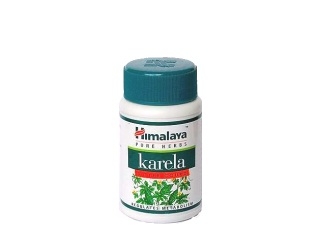
Karela is a traditional name commonly used for products containing bitter melon (also known as karela or Momordica charantia) and similar preparations. In the UK, “Karela” may be sold as an herbal food supplement or as part of an herbal medicinal product, depending on the exact brand and formulation.
Because products may vary (capsules, tablets, powders, teas, extracts), it’s important to check the label for the exact ingredients, strength, and directions. This guide explains how bitter melon products are typically used, the evidence and limitations, and key safety considerations.
Basic product information
- Common name: Karela (Bitter melon)
- Active source: Momordica charantia (varies by product)
- Typical forms: capsules/tablets, powders, teas, extracts
- What it’s used for (commonly): supporting healthy blood glucose levels and metabolic health
- Availability in the UK: widely available online; classification depends on product (food supplement vs medicinal product)
Important: For personalised advice, always consult a healthcare professional—especially if you have diabetes, use glucose-lowering medicines, are pregnant, or have liver or kidney problems.
How Karela is thought to work (mechanism of action)
Bitter melon is rich in naturally occurring compounds such as charantin, polypeptide-P, momordicosides, and various phenolic compounds. While the exact mechanisms depend on the preparation and dose, several pathways are commonly discussed:
- Improving glucose handling: Some components may help the body use glucose more effectively and influence insulin sensitivity.
- Influencing insulin signalling: Evidence suggests bitter melon compounds may interact with pathways related to insulin activity.
- Potential effects on carbohydrate absorption: Certain constituents may modestly affect how carbohydrates are absorbed in the gut.
- Antioxidant and anti-inflammatory activity: Bitter melon has antioxidant constituents, which may contribute to overall metabolic health.
What this means in practice: Karela products are generally used as a support rather than a guaranteed treatment. Effects—if present—tend to be gradual and vary widely between individuals and brands.
Pharmacokinetics (what happens in the body)
“Pharmacokinetics” describes how a substance is absorbed, distributed, metabolised, and eliminated. For bitter melon products, pharmacokinetic data in humans is limited and differs by extract type and standardisation.
- Absorption: Active constituents are likely absorbed to varying degrees depending on whether the product contains whole fruit powder, concentrated extract, or specific standardised fractions.
- Metabolism: Natural compounds may be metabolised in the liver and gut. The extent of metabolism depends on chemical structure and the person’s health.
- Elimination: Metabolites are typically cleared via normal pathways (commonly urine and bile), but the exact profile is not fully established for all preparations.
Clinical takeaway: Because Karela products can contain different extracts and concentrations, the “same dose” between brands may not mean the same biological effect. Always follow the dose on your specific label and avoid combining multiple similar products unless advised.
Typical use and indications
In the UK, Karela products are most commonly used to:
- Support healthy blood glucose levels as part of overall lifestyle measures (diet and exercise).
- Support metabolic wellbeing in people interested in natural health approaches.
Indications depend on classification:
- Food supplements are generally used to “maintain” or “support” health functions.
- Herbal medicinal products may have specific authorised indications stated on the packaging (these vary by product).
If your goal is to manage diagnosed diabetes, Karela should be discussed with your healthcare professional, particularly if you are taking insulin or glucose-lowering medicines.
When to take Karela (timing)
There is no single universal timing guideline, because product directions vary by brand. However, many users take bitter melon:
- With meals to reduce the chance of mild stomach upset.
- Before or with the first meal of the day if the label suggests once-daily use.
- Consistently at the same time each day if taking multiple doses.
Practical approach: Follow the label instructions first. If the product is intended to support glucose after meals, the directions often involve taking it alongside meals or shortly beforehand.
Dosing (general guidance)
Dosing for Karela depends on the form (powder vs extract), strength, and standardisation. Always use the dose stated by the manufacturer. Typical patterns include:
- Once daily for some mild preparations.
- Twice daily with meals for stronger extracts.
- Higher-frequency regimens are sometimes marketed, but higher doses increase the chance of side effects and interactions.
| Product type | Typical user pattern (example only) | Key note |
|---|---|---|
| Capsules/tablets (standardised extract) | 1 capsule/tablet once or twice daily with meals | Match the label dose; extracts vary widely between brands. |
| Powder | Measured dose mixed into food/drink once daily or in divided doses | May be harder to standardise; follow the manufacturer’s gram amount. |
| Tea/infusion | 1–2 cups daily | Strength varies by steeping time and product concentration. |
Do not exceed the recommended amount on the label. If you miss a dose, take it when convenient unless the label suggests otherwise—generally avoid doubling up.
Food interactions
Karela is generally taken with food, but food can influence tolerability and effects:
- With meals: Often better tolerated; may support post-meal glucose management.
- High-sugar meals: If you are using Karela for glucose support, be mindful that diet still has the largest effect.
- Digestive sensitivity: Bitter melon products can be bitter and may cause mild nausea, stomach discomfort, or loose stools in some people—taking with food can help.
If you notice persistent gastrointestinal symptoms, stop and seek advice.
Alcohol interactions
There is limited high-quality research specifically addressing alcohol interactions with bitter melon products. However, due to the potential for effects on metabolism and the fact that both alcohol and supplements can affect the body’s overall stress burden, the cautious approach is:
- Limit or avoid alcohol if you experience side effects or if you have liver concerns.
- Be careful with regular heavy drinking, particularly if you take multiple supplements or medicines.
If you drink alcohol, consider taking Karela only as directed and discuss use with a healthcare professional if you have chronic health conditions.
Interactions with medicines (important)
The most important interaction concern with Karela is its potential to influence blood glucose. Therefore, caution is essential if you take medicines that also lower glucose.
- Diabetes medicines (e.g., insulin, sulfonylureas, metformin, other glucose-lowering drugs): Combining with Karela may increase the risk of low blood sugar (hypoglycaemia) in some individuals.
- Blood pressure medicines: If you notice dizziness or unusually low readings, review your regimen with a professional.
- Other supplements with glucose-lowering effects: Combined effects may be additive.
- Liver-metabolised medicines: Bitter melon constituents may be metabolised in the body; interactions are not fully established. If you take medicines with a narrow therapeutic range, seek advice.
Action step: Tell your pharmacist or GP about all supplements and herbal products you use. This helps them assess interaction risks and monitoring needs (for example, checking glucose more often).
Safety profile and side effects
Most people tolerate bitter melon supplements reasonably well, but side effects can occur—especially at higher doses or in sensitive individuals.
Common possible side effects
- Stomach upset (nausea, indigestion)
- Diarrhoea or looser stools
- Headache
- Heartburn or abdominal discomfort
Serious concerns (seek medical advice urgently if severe)
- Signs of low blood sugar such as sweating, shaking, confusion, palpitations, or weakness—particularly if you use diabetes medicines.
- Allergic reactions (rash, swelling, breathing difficulties).
- Worsening liver symptoms (yellowing of eyes/skin, dark urine, severe fatigue)—seek prompt advice.
Who should take extra caution or avoid Karela
- Pregnancy and breastfeeding: bitter melon may not be appropriate; discuss with a healthcare professional before use.
- Children: avoid unless specifically advised by a clinician.
- Diabetes requiring medication: increased hypoglycaemia risk; use only with professional guidance.
- Liver or kidney disease: consult a professional.
- Planned surgery: it’s prudent to stop supplements ahead of surgery and seek guidance, to reduce uncertainty around glucose control.
Practical use tips (getting the best experience)
- Choose a reputable product: Look for clear ingredient lists, standardisation where applicable, and UK-compliant labelling.
- Start low: If the label allows flexibility, begin with the lower end to assess tolerance.
- Consistency matters: If you’re using Karela for metabolic support, take it regularly rather than sporadically.
- Monitor how you feel: Track any digestive symptoms or signs of low blood sugar.
- Maintain lifestyle foundations: Diet quality, weight management, and physical activity remain the most effective ways to support glucose.
- Don’t combine many similar products: Avoid stacking multiple herbal “glucose” supplements without checking interaction risks.
Stop and seek advice if you develop persistent side effects, symptoms of hypoglycaemia, or signs of allergic reaction.
Alternative options (if Karela isn’t suitable)
Alternatives depend on your goal (general metabolic support vs more targeted glucose management). Options may include:
- Lifestyle approaches: reducing refined carbs, increasing fibre, and regular exercise.
- Dietary strategies: balanced meals with protein and fibre to reduce post-meal glucose spikes.
- Other evidence-informed supplements: Examples sometimes used include berberine or alpha-lipoic acid. However, these can also interact with medicines and have their own safety considerations—seek advice before use.
- Medication management: For diagnosed diabetes, working with healthcare professionals to optimise prescribed therapy remains the safest route.
If you’re considering an alternative supplement, it’s best to consult a pharmacist—particularly if you take any glucose-lowering medicines.
UK market and legal context (what this means for you)
In the UK, products containing bitter melon may be sold under different regulatory categories. This affects what the product can claim and how it is labelled:
- Food supplements: These are regulated under food law. They must be safe and labelled appropriately. Health claims are restricted to authorised wording under the relevant EU/UK nutrition and health claim frameworks (as applicable to the product’s status).
- Herbal medicinal products: These are regulated as medicines and may have specific indications, dosing instructions, and warnings authorised by the appropriate authority.
For any “Karela” product, check:
- Whether it is labelled as a food supplement or medicinal product
- The exact ingredient and strength
- The recommended dose and contraindications
- The manufacturer/importer details
Retailers in the UK typically provide accessible product information, but the label remains the definitive source for dose and warnings for that specific brand.
Recent guidance and evidence: what to know
Over recent years, public health messaging and regulatory attention have reinforced several consistent points relevant to Karela/bitter melon use:
- Quality and standardisation vary: supplement products may differ in concentration and active constituents.
- Interaction risk is real: particularly for products that may influence glucose levels.
- Supplements are not a replacement for medical care: especially for chronic conditions like diabetes.
- Monitor and review: if you have persistent symptoms or are on ongoing medicines, regular review is recommended.
Because guidance evolves, always check your product’s most current label and consult healthcare professionals if you are unsure.
Delivery and availability (UK)
Karela products are commonly available online across the UK. Delivery times depend on the retailer and service option. When ordering:
- Check availability: some brands are seasonal or frequently sold out.
- Look for dispatch information: many retailers show an estimated dispatch/delivery window.
- Verify the product form and strength: capsules vs extract powder can differ significantly.
- Keep packaging: store products as directed (often cool, dry place) and retain the label for future reference.
If you have specific needs (dietary preferences, allergies, or you prefer tablets over capsules), you may want to compare ingredient lists before placing an order.
FAQ
1) What is Karela made from?
Karela is commonly associated with bitter melon (Momordica charantia). Many products use fruit extract or powder; others may use standardised extracts. Check the label for the exact source and strength.
2) What is Karela used for?
Most commonly, bitter melon products are used to support healthy blood glucose levels and overall metabolic wellbeing as part of lifestyle measures. Some products may have additional claims depending on how they are regulated and authorised.
3) How long does it take to work?
Effects—if present—may take days to weeks. Many people notice changes in how their body responds after consistent use, but individual results vary. If you don’t notice any benefit after an appropriate trial period, consider reviewing your plan with a healthcare professional.
4) Can I take Karela with food?
Often yes. Many people take it with meals for better tolerance and to align with post-meal glucose support. Follow your product’s label directions.
5) Can Karela cause low blood sugar?
It may, particularly if you take diabetes medications. Symptoms of hypoglycaemia can include sweating, shaking, confusion, palpitations, and weakness. If you’re on glucose-lowering therapy, speak to a healthcare professional before use and consider appropriate monitoring.
6) Is Karela safe for everyone?
Not necessarily. People who are pregnant, breastfeeding, under 18, or who have liver/kidney problems should seek professional advice first. Extra caution is also needed if you take other medicines, especially those affecting blood glucose.
7) What side effects are most common?
The most common are generally stomach upset and looser stools/diarrhoea. If symptoms are severe or persistent, stop use and seek advice.
8) Can I drink alcohol while taking Karela?
There is no universally established alcohol interaction for all bitter melon products. As a precaution—especially if you experience side effects or have liver concerns—limit alcohol and follow label guidance. If you drink heavily or regularly, discuss with a healthcare professional.
9) Are there alternatives to Karela?
Depending on your goal, alternatives may include dietary changes, exercise, and other supplements (each with their own risks and interactions). Always consider interactions if you take medicines.
10) How should I store Karela?
Store according to the label—commonly in a cool, dry place away from direct sunlight. Keep out of reach of children and check expiry dates.
Summary
Karela (bitter melon) products are often used in the UK as a natural option for supporting metabolic health, especially healthy blood glucose levels. The evidence for specific effects varies by product type and quality. While many people tolerate bitter melon supplements, safety and interactions—particularly with diabetes medicines—are important.
Always choose a reputable brand, follow the labelled dose, monitor your response, and seek professional advice if you have medical conditions or take regular medicines.