Keflex (Cephalexin) – Patient-Friendly Guide (United Kingdom)
Keflex is a brand name for cephalexin, an antibiotic used to treat certain bacterial infections. This page explains what Keflex is, how it works, how it’s taken, what to watch for, and how it fits into UK healthcare. It’s written to be easy to follow, but it does not replace advice from a healthcare professional.
Quick overview
- Medicine: Keflex (cephalexin)
- Type: Antibiotic (a cephalosporin)
- Common uses: Certain skin, soft tissue, and some urinary or respiratory infections caused by susceptible bacteria
- Key points: Take the full course as advised; do not use for viral illnesses like colds or flu
- Food: Can usually be taken with or without food (food may improve comfort if it upsets the stomach)
Basic product information
| Item | Details |
|---|---|
| Active ingredient | Cephalexin |
| Drug class | First-generation cephalosporin (beta-lactam antibiotic) |
| How it works | Kills bacteria by disrupting their cell wall formation |
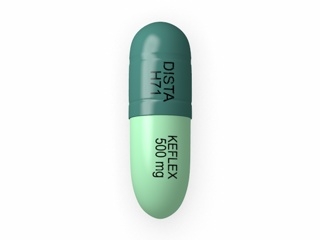
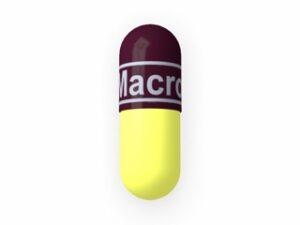
| Typical forms | Tablets/capsules and oral suspensions may be available depending on supplier and stock |
| Common dosing pattern | Often taken several times daily depending on the condition and strength |
How Keflex works (mechanism of action)
Cephalexin belongs to the cephalosporin family of antibiotics. It targets bacterial cell wall synthesis. Specifically, it binds to proteins involved in building the cell wall (often called penicillin-binding proteins), leading to a weakened cell wall and eventual bacterial death.
Keflex is effective against many bacteria that are susceptible to first-generation cephalosporins. It is not effective against viruses (such as the common cold or flu).
Pharmacokinetics (how the body handles Keflex)
Pharmacokinetics describes how a medicine is absorbed, distributed, metabolised, and removed from the body. In general:
- Absorption: Cephalexin is absorbed after oral administration. Taking it regularly helps maintain effective levels.
- Distribution: It distributes into body tissues and fluids, reaching sites where infections may be present.
- Metabolism: Cephalexin is not extensively metabolised.
- Elimination: The medicine is primarily cleared by the kidneys. This is why kidney function can matter for safe dosing.
- Half-life (general idea): The duration of action is long enough to allow multiple daily doses, but the exact interval depends on individual factors.
If you have kidney problems, you may need dose adjustment. Always follow clinician instructions carefully.
Typical uses of Keflex
Keflex is used for bacterial infections where the likely cause is susceptible to cephalexin. In the UK, antibiotic choice is guided by local guidelines, the suspected infection site, severity, and the person’s history (including allergies).
Common infection areas may include:
- Skin and soft tissue infections (e.g., certain forms of infected skin lesions)
- Some bone or joint infections (specialist-led decisions may apply)
- Some urinary tract infections depending on bacterial sensitivity
- Some respiratory infections (where appropriate and guided by susceptibility)
- Dental-related infections in selected cases where a clinician judges cephalexin suitability
If you are unsure whether Keflex is the right antibiotic for your infection, consult a healthcare professional. Using antibiotics unnecessarily can increase side effects and contributes to antibiotic resistance.
When and how to take Keflex (timing and regimen)
How often you take Keflex depends on the strength prescribed and the condition being treated. A common approach is to take doses at regular intervals throughout the day.
General timing tips
- Keep a regular schedule: Try to take doses at similar times each day.
- Space doses evenly: This helps maintain effective antibiotic levels.
- Finish the course: Even if you feel better, completing the full course helps prevent relapse.
- If you miss a dose: Take it as soon as you remember. If it is nearly time for the next dose, skip the missed dose and continue as normal. Do not take a double dose.
Can you take Keflex with food?
Keflex may be taken with or without food. If it upsets your stomach, taking it with meals or a snack can help. The main goal is to maintain consistent dosing.
- With food: May reduce stomach discomfort and nausea for some people.
- Without food: Some people tolerate this well; if you notice indigestion, consider taking with food next time.
Alcohol and medicine interactions
Alcohol
Keflex does not typically have the kind of direct alcohol interaction seen with some other medicines (for example, medicines that cause unpleasant reactions with alcohol). However, it is still wise to be cautious:
- During infection: Alcohol can worsen dehydration and sleep, and may slow recovery.
- During treatment: If you feel unwell (vomiting, diarrhoea, dizziness), avoid alcohol to reduce strain on your body.
If you plan to drink alcohol, discuss it with a clinician or pharmacist—especially if you have other health conditions.
Interactions with other medicines
Always tell a healthcare professional about any other medicines, supplements, or herbal products you use. Important potential interactions include:
- Probenecid: May affect clearance of cephalexin and lead to higher antibiotic levels.
- Oral anticoagulants (e.g., warfarin): Antibiotics can sometimes influence blood clotting in certain people. Monitoring may be required if you are taking warfarin.
- Other antibiotics: Combining antibiotics is sometimes appropriate but depends on the infection and bacterial sensitivity.
- Oral contraceptives: Cephalexin is not typically expected to reduce effectiveness, but severe diarrhoea or vomiting can indirectly affect absorption. If you have significant gastrointestinal upset, follow advice about backup contraception.
This list is not exhaustive. For best safety, consult a pharmacist if you have a complex medicine regimen.
Indications: situations Keflex may be considered
“Indication” means the medical reason an antibiotic is prescribed. Keflex may be considered for infections where:
- The likely bacteria are susceptible to cephalexin
- The infection site matches conditions treated with a cephalosporin
- The benefits outweigh risks for that individual (including allergy history and kidney function)
In UK practice, antibiotic selection is influenced by guidelines and local resistance patterns. If there is concern about resistance or if infection is severe, a clinician may request tests (such as swabs or urine culture) or choose an alternative antibiotic.
Dosing guidance (what to expect)
Dosing is individual. It depends on the specific infection, severity, age, weight (for children), kidney function, and the formulation used. The information below is educational and describes typical patterns, not personalised instructions.
Typical adult dosing patterns (general examples)
- Cephalexin regimens are often given multiple times per day to keep antibiotic levels within the effective range.
- Total daily dose may vary by infection type and clinical judgement.
Children and dose adjustments
For children, dosing is usually based on body weight and the infection being treated. Oral suspensions may be used. Only use the exact measurement tool provided (or one recommended by the pharmacist), and shake suspension well if instructed.
Kidney impairment
Because cephalexin is cleared through the kidneys, people with reduced kidney function may need dose adjustment. If you have kidney disease, diabetes with kidney involvement, or have been told you have impaired renal function, mention this before starting.
How long should Keflex be taken?
Course duration varies. Some skin infections may be treated over a short course, while other conditions require longer. The safest approach is to follow the exact duration advised by your clinician.
Safety profile and side effects
Like all medicines, Keflex can cause side effects. Many people tolerate it well, but you should be aware of possible reactions. If you have any concerning symptoms, seek medical advice promptly.
Common side effects
- Diarrhoea (mild, temporary in some cases)
- Nausea or mild stomach upset
- Skin rash or itching (non-allergic rashes can occur, but new rashes should be assessed)
- Headache
- Vaginal thrush (or other yeast overgrowth), particularly after antibiotics
Seek urgent medical help for serious reactions
Contact urgent care or emergency services immediately if you experience signs of a severe allergic reaction, such as:
- Swelling of the face, lips, tongue, or throat
- Difficulty breathing or wheezing
- Severe rash, blistering, or widespread skin peeling
- Fainting or feeling very unwell
Antibiotic-associated colitis (important)
Antibiotics can sometimes cause inflammation of the bowel. Seek prompt medical advice if you develop:
- Severe or persistent diarrhoea
- Blood or mucus in stool
- Severe abdominal cramps and fever
Who should take extra care?
- People with penicillin or cephalosporin allergy (or history of serious reactions)
- Those with previous antibiotic-associated diarrhoea
- People with kidney impairment
- Anyone with complex medical conditions or who takes multiple medicines
Practical use tips (how to get the best results)
Start correctly
- Check you have the correct strength and formulation.
- Shake suspensions well if the instructions say to.
- Take the doses at consistent times.
Stay hydrated
If you experience stomach upset or mild diarrhoea, drinking fluids can help. If diarrhoea becomes severe, seek advice.
Don’t stop early without advice
Stopping early can increase the risk that the infection returns or that bacteria survive and develop resistance. If side effects become problematic, consult a pharmacist or clinician rather than stopping abruptly on your own.
Storage and handling
- Store at the temperature stated on the label (often room temperature for tablets/capsules).
- Keep out of sight and reach of children.
- For suspensions, follow instructions about refrigeration (if applicable) and use-by date after opening.
Alternatives to Keflex (what you might be offered instead)
The “best” antibiotic depends on the infection type, local guidelines, bacterial susceptibility, and your personal allergy history. Alternatives commonly considered for susceptible bacterial infections may include:
- Other cephalosporins (depending on spectrum of activity and guidelines)
- Penicillins where appropriate and safe
- Macrolides (for selected respiratory or skin infections, and when cephalosporins are not suitable)
- Other antibiotic classes tailored to suspected bacteria
If you are allergic to cephalexin, alternatives may be used that do not share cross-reactivity risks. Always seek advice before switching.
Non-antibiotic measures (such as wound care, analgesia, hydration, and monitoring) may also be important depending on the infection.
United Kingdom market and legal context
In the UK, antibiotics are medicines regulated to support safe use and antimicrobial stewardship. Keflex is supplied through legitimate UK pharmacy supply chains. Online medicine providers typically operate under UK medicines regulation and pharmacy standards.
Key points for UK customers:
- Quality and authenticity: Ensure the product is sourced from authorised suppliers.
- Appropriate use: Antibiotics should only be used for bacterial infections for which they are suitable.
- Stewardship: UK guidance strongly emphasises avoiding unnecessary antibiotics and using the right one at the right dose for the right duration.
Recent guidance and antimicrobial stewardship (UK overview)
UK clinical practice follows antimicrobial stewardship principles and evidence-based guidelines for common infections. These guidance frameworks emphasise:
- Diagnosis: Confirming or making a careful clinical judgement about bacterial infection
- Local resistance awareness: Choosing antibiotics that are likely to work where you live
- Right duration: Using the shortest effective course
- Review: Reassessing if symptoms do not improve or worsen after starting
If symptoms do not improve within a reasonable timeframe, or you worsen, contact a clinician for review. Some infections may require tests or different treatment.
Delivery and availability (what UK customers can expect)
Availability of Keflex can vary by pharmacy stock and by which formulation (tablets/capsules or suspension) is requested. Many online pharmacies in the UK offer:
- Home delivery: Dispatch times and delivery speeds depend on the provider and your postcode area.
- Tracking: Some services offer order status updates and delivery tracking.
- Substitution rules: If a specific brand or pack size is unavailable, suppliers may follow their substitution policy and UK medicine supply rules.
- Packaging: Medicines are supplied in secure, tamper-evident packaging where required.
Always check the product details on the label when it arrives (strength, formulation, and expiry date).
When to seek help (red flags)
While most courses are completed without major issues, you should seek urgent advice if you experience:
- Symptoms of allergy (breathing problems, facial swelling, widespread hives)
- Severe or persistent diarrhoea, especially with blood or mucus
- A rapid worsening of symptoms or failure to improve after starting treatment
- High fever, severe pain, or signs of a deeper or spreading infection
FAQ about Keflex (Cephalexin)
1) What is Keflex used for?
Keflex (cephalexin) is used to treat infections caused by susceptible bacteria. It is commonly considered for certain skin/soft tissue infections and some other bacterial infections depending on local guidelines and the suspected organism.
2) Is Keflex effective for colds or flu?
No. Keflex is an antibiotic and does not treat viral infections such as the common cold or flu.
3) How quickly should I feel better?
Many people notice improvement within a couple of days, but this varies by infection type and severity. If you do not improve, or you worsen, contact a clinician for reassessment.
4) Can I take Keflex with food?
Yes. It can usually be taken with or without food. If it upsets your stomach, taking it with meals may help.
5) What should I do if I miss a dose?
Take it as soon as you remember unless it is close to the time for the next dose. Do not take a double dose to make up for a missed one.
6) Can I drink alcohol while taking Keflex?
Keflex does not usually have a direct problematic interaction with alcohol, but alcohol can make you feel worse while you’re ill. If you choose to drink, keep it moderate and avoid alcohol if you have vomiting, diarrhoea, or feel unwell.
7) Are there medicines that interact with Keflex?
Some medicines may affect how cephalexin works or may increase side effects. Examples include probenecid and certain anticoagulants. Always check with a pharmacist if you’re taking other medicines.
8) What if I am allergic to penicillin?
Inform a pharmacist or clinician about any penicillin or cephalosporin allergy, including what happened during the reaction. People with certain allergies may need an alternative antibiotic.
9) Can Keflex cause diarrhoea?
Yes. Mild diarrhoea can occur. However, seek urgent advice if diarrhoea is severe, persistent, or contains blood/mucus, as this can indicate inflammation of the bowel.
10) What are the safest storage instructions?
Follow the label instructions. Keep medicines in a safe place away from children and store at the temperature stated on the packaging. For suspensions, follow any guidance about shaking and refrigeration.
11) What are the common side effects?
Common effects include stomach upset, diarrhoea, headache, mild rash, and sometimes yeast infections. Seek advice if you develop a new rash or any severe symptoms.
12) Are there alternatives if Keflex doesn’t work?
Yes. If symptoms fail to improve or bacterial resistance is suspected, clinicians may recommend an alternative antibiotic or additional tests. Do not switch on your own.
Important note
This information is intended to support understanding of Keflex (cephalexin) and safe use. For advice tailored to you—especially regarding dose, suitability, allergy concerns, kidney function, and interactions—speak to a qualified healthcare professional.