Macrobid (Nitrofurantoin Monohydrate) — Patient-Friendly Guide (UK)
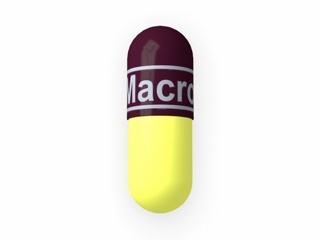
Macrobid is a brand of nitrofurantoin monohydrate, an antibiotic medicine commonly used to treat certain urinary tract infections (UTIs), particularly bladder infections (cystitis). This guide explains what Macrobid is, how it works, how it is taken, what to expect, and important safety information—written for patients in the United Kingdom.
Always follow the instructions provided by your healthcare professional and the medicine label.
1) Basic product information
| Product name | Active ingredient | Common use | Typical form |
|---|---|---|---|
| Macrobid | Nitrofurantoin monohydrate (often with other nitrofurantoin components depending on formulation) | Uncomplicated lower UTIs (bladder infections) | Oral capsules |
How it’s supplied in the UK: Macrobid is an established antibiotic brand. Availability may vary by supplier and stock levels.
2) What is Macrobid and how does it work?
Mechanism of action
Nitrofurantoin is an antibiotic that works mainly in the urinary tract. After you swallow it, it reaches the bladder at effective concentrations. In bacteria, nitrofurantoin is converted to reactive compounds that:
- damage bacterial DNA and other cellular components
- interfere with key bacterial metabolic processes
- make it difficult for bacteria to survive and multiply
Why it’s mainly used for bladder infections: Nitrofurantoin concentrates in urine. It is less suitable for infections outside the urinary tract (such as kidney infections), where concentrations may be inadequate.
Activity against common urinary pathogens
It is often active against bacteria that commonly cause uncomplicated cystitis, including certain strains of E. coli. Your clinician may consider local resistance patterns and your previous urine culture results if available.
3) Pharmacokinetics (how the body handles the medicine)
Pharmacokinetics describes absorption, distribution, metabolism, and excretion.
- Absorption: Nitrofurantoin is absorbed after oral dosing. The way you take it (especially with food) can influence how well it is absorbed and how well it tolerates in the stomach.
- Distribution: The goal is high levels in urine. Effective concentrations in blood are not the primary objective for this product.
- Excretion: The medicine is mainly cleared by the kidneys and excreted into urine.
- Urinary concentration: Higher urinary concentrations help treat bacteria in the bladder.
- Kidney function matters: Because elimination relies on the kidneys, reduced kidney function can increase the risk of side effects and reduce effectiveness.
Practical implication: Good kidney function supports the medicine reaching effective urinary levels. Your clinician may check kidney function, especially if you are older, have known kidney disease, or take other medicines that affect the kidneys.
4) Typical use in the UK
Macrobid is typically used for uncomplicated urinary tract infections (commonly referred to as lower UTIs or bladder infections). It is commonly considered when:
- symptoms suggest cystitis (for example, burning when passing urine, frequent urges, lower abdominal discomfort)
- there is no evidence of more serious infection such as kidney involvement
- your healthcare team judges it appropriate based on guidance and local resistance patterns
Important: Macrobid is not the right choice for every UTI. Kidney infections (pyelonephritis) and complicated UTIs usually need different assessment and antibiotic choices.
5) Indications (what conditions it is used for)
In everyday terms, nitrofurantoin (including Macrobid) is used for:
- Uncomplicated cystitis (bladder infection) in adults
- Recurrent uncomplicated UTIs in selected patients, where appropriate management is agreed with a clinician
Not intended for:
- Kidney infections (symptoms such as fever, chills, flank/back pain—pain in the side of the back above the waist)
- Sepsis or serious systemic illness
- Infections outside the urinary tract
- Gonorrhoea or sexually transmitted infections (different treatments are required)
6) Timing and how to take Macrobid
Timing
Macrobid is usually taken at regular intervals throughout the day to maintain effective urinary concentrations.
Common approach in adults (varies by product and clinician instructions):
- Take doses evenly spaced (for example, morning and evening, or as directed)
- Try to finish the full course even if you start feeling better
How to take
- Swallow capsules whole with water—do not crush or chew unless your pharmacist advises otherwise.
- Take with food if this helps reduce stomach upset.
- If you miss a dose, follow the instructions on the package or ask a pharmacist. Generally, avoid doubling up unless told to do so.
Seek advice promptly if symptoms do not improve within the expected time (often within 48 hours) or if they worsen.
7) Dosing (general information)
Because dosing depends on the specific product, indication, and individual factors (including kidney function and age), always use the dose and schedule provided with your medicine.
For many uncomplicated bladder infections in adults, nitrofurantoin regimens are commonly prescribed as a short course. Your clinician or pharmacist may specify a particular dosing schedule based on UK guidance and your circumstances.
Factors that can change the dose choice
- Kidney function (nitrofurantoin is cleared by kidneys)
- Age and frailty
- Severity of symptoms and whether a kidney infection is suspected
- Allergies to antibiotics or prior reactions
- Pregnancy or breastfeeding status (special considerations apply)
- Other medicines you take
Do not adjust your dose without professional advice.
8) Food interactions (including taking with meals)
Taking Macrobid with food can improve tolerability and absorption for some people and can reduce nausea and stomach upset.
- Food: Taking after food or with meals is often recommended.
- Timing around food: If your stomach is sensitive, taking it with a full meal may help.
Some patients find that taking it with a snack rather than on an empty stomach reduces gastrointestinal effects.
9) Alcohol and medicine interactions
Alcohol
Most antibiotics can be used alongside moderate alcohol, but it may not be ideal because alcohol can:
- worsen dehydration (especially if you feel unwell)
- increase stomach irritation and nausea
- mask worsening symptoms
Practical advice: If you are taking Macrobid and have a UTI, consider avoiding alcohol or keeping it to low amounts until you feel better.
Interactions with other medicines
Nitrofurantoin can interact with certain medicines. Common considerations include:
- Probenecid (and similar medicines): may affect elimination of nitrofurantoin and can reduce urinary concentrations.
- Medicines that affect kidney function: may increase the risk of side effects if kidney clearance is reduced.
- Antacids containing magnesium trisilicate: may reduce effectiveness in some antibiotic contexts (discuss with your pharmacist if you use antacids frequently).
Tell your pharmacist about all medicines you take, including over-the-counter products, herbal remedies, and supplements.
Note on urine test strips: Nitrofurantoin can sometimes interfere with certain urine tests. If you are doing home testing, discuss unusual results with a healthcare professional.
10) Safety profile (side effects and warnings)
Common side effects
- Nausea
- Vomiting
- Headache
- Loss of appetite
- Diarrhoea (mild cases can occur)
Less common but important side effects
Seek medical advice urgently if you experience:
- Allergic reaction (swelling of face/lips, rash, itching, wheezing, trouble breathing)
- Breathlessness, persistent cough, chest pain, or unusual fatigue (rare lung reactions can occur)
- Severe or persistent diarrhoea or blood/mucus in stool (could indicate a serious gut reaction)
- Signs of liver problems (yellowing of eyes/skin, dark urine, severe upper abdominal pain)
- Numbness, tingling, or weakness (rare nerve-related effects)
- Severe skin reactions (blistering, peeling, painful rash)
Rare serious risks with longer use
Nitrofurantoin can, in rare situations, be associated with more serious side effects (for example, pulmonary, hepatic, or neurological effects), particularly when used for prolonged periods or repeatedly. For short courses for cystitis, the risk is lower, but you should still be alert to new or severe symptoms.
Who should use extra caution
- People with reduced kidney function
- History of nitrofurantoin-related adverse reactions
- Older adults (kidney function can decline with age)
- Those with glucose-6-phosphate dehydrogenase (G6PD) deficiency (increased risk of blood issues)
- Pregnancy and breastfeeding (timing and trimester matter)
When to seek urgent help
Contact urgent care or seek emergency help if you have:
- fever, chills, or back/flank pain (possible kidney infection)
- confusion, severe weakness, fainting, or signs of sepsis
- severe allergic symptoms
- persistent vomiting preventing you from keeping medication down
11) Practical use tips (to get the best results)
- Hydrate: Drink water regularly unless you have been told to restrict fluids.
- Finish the course: Even if symptoms improve quickly, completing treatment reduces the chance of relapse.
- Observe symptom change: Improvement is often seen within 24–48 hours. If not, contact your pharmacist or clinician.
- Avoid irritants: Caffeine and alcohol can irritate the bladder for some people.
- Use comfort measures: A warm drink, heat pad to the lower abdomen, and paracetamol (if suitable for you) can help with discomfort.
- Do not self-treat repeatedly: If you keep getting UTIs, discuss prevention strategies and whether cultures or further assessment are needed.
Urine testing: In some cases, a urine sample is taken before treatment or if symptoms recur, especially in recurrent or complicated cases.
12) Alternative options for UTIs (discuss with your pharmacist/clinician)
For bladder infections, the best antibiotic depends on factors such as local resistance, kidney function, pregnancy status, allergy history, and prior antibiotic exposure. UK practice often considers recommended first-line options.
Common alternatives (examples)
- Trimethoprim (in selected cases where appropriate)
- Amoxicillin or co-amoxiclav (depending on local guidance and likely bacteria)
- Cephalosporins in selected situations
- Fosfomycin trometamol (where available and suitable)
- Other regimens for specific patient groups or complicated infections
Non-antibiotic support: Pain relief, hydration, and bladder-friendly habits can help manage symptoms, but antibiotics may be needed when infection is confirmed or strongly suspected.
13) UK market and legal context (how it fits into UK healthcare)
In the United Kingdom, antibiotics are medicines regulated to ensure quality and safe use. Nitrofurantoin-containing products are part of established NHS and community prescribing practice for appropriately selected UTIs.
- Antibiotic stewardship: UK clinicians follow national guidance aimed at using the right antibiotic for the right duration to reduce resistance.
- Local policies: Decisions may reflect local microbiology data and formulary preferences.
- Safety monitoring: If you have kidney impairment, a clinician may choose an alternative or adjust the approach.
Recent UK guidance (high-level): UK antimicrobial guidance generally emphasises careful selection of antibiotics for suspected UTIs, confirmation of diagnosis where appropriate, and review if symptoms persist or worsen. Exact recommendations may vary by setting and evolving local resistance patterns.
For the most current advice, consult the NHS and local clinical guidance or speak to a pharmacist.
14) Recent guidance: what to expect if your symptoms don’t improve
Current UK practice typically includes:
- encouraging patients to seek advice promptly if symptoms fail to improve within a short timeframe
- considering urine culture or reassessment if recurrent symptoms occur
- considering alternative antibiotics if resistance is suspected or if nitrofurantoin is unsuitable due to kidney function or other factors
- urgently assessing for kidney infection red flags (fever, flank pain, systemic symptoms)
Key message: Don’t “wait it out” if you develop severe symptoms or no improvement—contact healthcare services.
15) Delivery and availability (UK online pharmacy)
Availability can vary based on supplier stock levels. Many pharmacies provide:
- Standard delivery for in-stock items
- Tracked delivery options (depending on provider)
- Secure packaging to protect capsules and outer packaging
Delivery times: Typical delivery windows depend on stock and carrier schedules. Your order confirmation should show expected dispatch and delivery dates.
If you need Macrobid urgently due to significant symptoms, check the pharmacy’s stock status and delivery cut-off times before ordering.
16) FAQ (Frequently asked questions)
How quickly should I feel better after starting Macrobid?
Many people start to feel some improvement within 24–48 hours. If you don’t notice improvement by then, or if symptoms worsen, contact a pharmacist or clinician for advice. If you develop fever, back/flank pain, or feel very unwell, seek urgent assessment.
Can I take Macrobid with food?
Yes. Taking it with food is often recommended to reduce stomach upset and support tolerability. Follow the instructions provided with your medicine.
Is it safe to drink alcohol while taking Macrobid?
Moderate alcohol may not be strictly prohibited for everyone, but it’s best to keep alcohol low and avoid it if it worsens nausea or dehydration. If you feel unwell, consider avoiding alcohol until you recover.
What should I do if I miss a dose?
Check the instructions on the package or follow the guidance provided by your pharmacist. In general, avoid taking a double dose to make up for a missed one unless advised. If you’re unsure, ask a pharmacist.
Can I use Macrobid for a kidney infection?
Macrobid is mainly intended for lower urinary tract infections (bladder infections). Kidney infections typically require urgent assessment and different treatment.
Who should not take nitrofurantoin?
Some people should avoid nitrofurantoin or use it only with careful medical advice, particularly those with certain kidney function limitations, known allergies, or specific medical conditions. If you have kidney problems, G6PD deficiency, or have previously had a reaction, discuss suitability with a healthcare professional.
What side effects are most common?
The most common are nausea, headache, and stomach upset. If you get a rash, breathing problems, severe diarrhoea, or symptoms that concern you, seek medical advice promptly.
Will Macrobid cure my UTI?
In many uncomplicated cases, nitrofurantoin is effective and symptoms improve as treatment progresses. However, no antibiotic works for every situation, and resistance or an alternative diagnosis can occur. If symptoms persist, seek reassessment.
How should I manage pain while waiting for the antibiotic to work?
Many people use simple measures such as drinking fluids, applying gentle warmth to the lower abdomen, and using appropriate pain relief (for example, paracetamol if suitable for you). Avoid using pain relief alone to delay assessment if red-flag symptoms develop.
Can I prevent recurrent UTIs?
Prevention strategies may include hydration, bladder habits, and discussing personalised options with a clinician—especially if UTIs keep returning. In some cases, further evaluation and targeted prevention may be recommended.
Summary
Macrobid (nitrofurantoin monohydrate) is an oral antibiotic used mainly for uncomplicated bladder infections in adults. It works by targeting bacteria in a way that helps clear infection in the urine. Taking it as directed—often with food and at regular intervals—supports effectiveness and tolerability. If symptoms do not improve within the expected timeframe, or if you develop fever, back/flank pain, or signs of allergy or severe side effects, seek medical advice promptly.
If you’d like, tell me your age range, whether you’re pregnant or breastfeeding, and any kidney issues or medicines you take, and I can help you find the most relevant safety points to consider.