Lotrisone (Betamethasone / Clotrimazole) — Patient-Friendly Guide (UK)
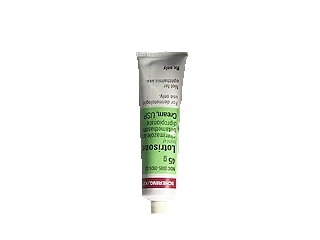
Lotrisone is a combined medicine used on the skin to treat certain inflammatory fungal infections. It contains two active ingredients:
- Betamethasone (a corticosteroid that reduces inflammation and itching)
- Clotrimazole (an antifungal that treats the fungal infection)
This guide explains how Lotrisone works, how it is typically used, key safety information, and what to expect. It is written for people in the United Kingdom and uses general, patient-friendly information. Always follow the instructions provided with your medicine and seek medical advice if you are unsure.
Basic product information
| Item | Details |
|---|---|
| Medicine name | Lotrisone |
| Active ingredients | Betamethasone / Clotrimazole |
| Type | Topical (applied to the skin) combination medicine |
| What it treats | Fungal skin infections with inflammation (redness/itching) |
| Route | Skin (cream/ointment forms depending on product) |
Important: Lotrisone is for use on the skin only. Avoid eyes, mouth, and other sensitive areas unless your clinician advises otherwise.
How Lotrisone works (mechanism of action)
Lotrisone combines an antifungal and a steroid:
- Clotrimazole (antifungal): Clotrimazole interferes with the production of ergosterol, an essential component of fungal cell membranes. This weakens the fungal cell membrane and helps stop the fungus from growing.
- Betamethasone (corticosteroid): Betamethasone reduces inflammation by dampening immune responses in the skin. It can quickly relieve symptoms such as itching, redness, swelling, and discomfort.
Why this combination matters: Many fungal rashes cause significant inflammation. The steroid component helps you feel better sooner, while clotrimazole treats the underlying fungal cause.
Pharmacokinetics (what happens in the body)
Because Lotrisone is applied to the skin, only small amounts are normally absorbed into the bloodstream, particularly when used for short periods and on small areas.
- Absorption: Absorption may be higher if applied to large areas, under occlusion (covered), on broken skin, or for prolonged periods.
- Distribution: Any absorbed corticosteroid may be distributed through the bloodstream like other corticosteroids.
- Metabolism and elimination: Like many corticosteroids, betamethasone is metabolised mainly in the liver and cleared by the kidneys and/or in bile (exact pathways vary). Clotrimazole is also metabolised in the liver.
Clinical meaning for patients: To reduce the risk of steroid-related side effects, use Lotrisone exactly as directed and avoid using it longer than recommended.
Typical uses in the UK
Lotrisone is typically used for fungal skin infections that are also inflamed. Common examples (depending on diagnosis) include:
- Tinea infections (ringworm-type rashes), where there is redness/itching alongside fungal involvement
- Skin candidiasis (yeast infections) in certain inflammatory cases
- Fungal infections in skin folds (intertrigo) where inflammation is significant
Clinicians decide whether the combined steroid/antifungal approach is appropriate based on the appearance of the rash and the likelihood of a fungal cause.
Note: Lotrisone is not suitable for all rash types. Some conditions can worsen with steroid use if the true cause is not fungal (for example, certain viral or bacterial skin infections, or eczema without fungal involvement).
When to apply (timing and routine)
Typical regimens vary by product strength and the condition being treated, but a common approach for topical combination antifungal/steroid creams is:
- Frequency: Usually twice daily (morning and evening) for a limited period.
- Duration: Often around 1–2 weeks, or until improvement is clear—however, your local instructions or clinician’s plan should be followed.
How to fit it into your day:
- Apply to clean, dry skin.
- Wash hands before and after application.
- Apply a thin layer to the affected area and (if instructed) a small margin around it.
If you miss a dose: Apply it as soon as you remember, unless it is near the time of the next application. Do not apply double amounts.
Food interactions
Food interactions are not expected with Lotrisone because it is applied to the skin and systemic absorption is usually low.
However: If you are applying Lotrisone to a large area, under occlusion, or for an extended period, systemic effects could increase, and it is wise to ask a healthcare professional about any concerns. For normal topical use, no special dietary changes are typically required.
Alcohol and medicine interactions
Alcohol: There are no well-known direct interactions between topical Lotrisone and alcohol. Because systemic absorption is generally limited, moderate alcohol consumption is unlikely to cause issues in most people.
Other medicines: Caution may be needed if you are using other topical products on the same area, especially:
- Other steroid creams (risk of excessive steroid exposure)
- Other antifungal products (may cause irritation or confusion about which treatment is working)
- Strong antiseptics or irritant skin products (may increase burning/stinging)
- Products that can cause occlusion (bandages/plasters used over treated skin)
If you use other prescription or over-the-counter medicines, including creams, tell your pharmacist or clinician—especially if you have widespread or recurrent symptoms.
Indications (what it is used for)
Lotrisone is indicated for fungal infections of the skin where there is inflammation and symptoms such as redness and itching. It is aimed at cases where an antifungal alone may not provide enough symptom relief quickly.
Important limitations:
- Do not use it for suspected viral skin infections (e.g., herpes, warts) or acne.
- Avoid use on open wounds, infected skin without a clear fungal diagnosis, or around the eyes.
- It is not intended for scalp or nails unless specifically advised.
Dosing (how much to use)
Follow the instructions on your packaging or from your healthcare professional. Typical patient instructions for topical Lotrisone include:
- Amount: Apply a thin layer to the affected area.
- Coverage: Include a small surrounding margin if your clinician/pharmacist instructed you to.
- Frequency: Commonly twice daily.
- Duration: Usually a short course. If you do not see improvement within the expected timeframe, stop and seek advice rather than extending steroid use.
Practical tip: Use clean hands and avoid sharing towels or clothing that touches the affected skin.
If symptoms return quickly: Recurrence may mean incomplete treatment, reinfection, resistant organisms, or a different underlying condition. Re-checking the diagnosis is often helpful.
Safety profile and side effects
Like all medicines, Lotrisone can cause side effects, although not everyone gets them.
Common side effects
- Skin irritation (burning, stinging, mild redness)
- Itching or temporary discomfort
- Dryness or flaking at the application site
Less common but important risks (especially with longer use or larger areas)
Because Lotrisone contains a potent corticosteroid, prolonged or excessive use can lead to steroid-related skin changes, such as:
- Skin thinning (atrophy)
- Stretch marks (striae)
- Telangiectasia (visible small blood vessels)
- Perioral dermatitis or worsening of facial rash if used incorrectly
- Rebound or flare when treatment is stopped
Allergic or severe reactions
Seek urgent medical help if you develop signs of severe allergy, such as:
- Swelling of the face, lips, or throat
- Breathing difficulties
- Widespread hives
When to contact a clinician promptly
- No improvement after a short course of treatment
- Worsening redness, pain, oozing, or spreading rash
- Rash near the eyes or treatment on delicate areas
- Recurrent infections or repeated need for treatment
Practical use tips for best results
- Apply to clean, dry skin: Pat the area dry gently before applying.
- Use a thin layer: More cream does not necessarily work better and may increase side effects.
- Wash hands: Especially after applying to avoid transferring to eyes or other body areas.
- Avoid occlusion unless advised: Don’t cover with airtight bandages or plastic wrap (this can increase absorption).
- Maintain hygiene: Keep the area dry. Change underwear/socks regularly. If treating fungal infections in folds, drying measures are especially helpful.
- Treat triggers: For some people, sweating, friction, obesity, poor drying after bathing, and shared towels can contribute to recurrence.
- Don’t share towels or clothing: This helps reduce reinfection.
- Complete the course: Even if symptoms improve, stopping too early may allow recurrence.
Important warning: Do not use Lotrisone on broken skin unless a clinician advises it. If the area is weeping, very sore, or looks infected, get medical advice.
Alternative options (other treatments you may see)
Depending on your diagnosis, alternatives may include:
- Antifungal creams without steroid (commonly used for uncomplicated fungal infections)
- Antifungal tablets for more widespread or stubborn infections (prescribed by clinicians)
- Moisturising and anti-inflammatory skin care if the problem is dermatitis/eczema rather than fungus
- Barrier creams if the rash is mainly due to friction or moisture (e.g., intertrigo)
When alternatives matter: Steroid/antifungal combination products are often chosen for inflamed fungal rashes, but if the rash is misdiagnosed, steroid treatment can make the condition harder to treat later. If you are not improving, re-checking the cause is important.
Market and legal context in the UK
In the UK, medicines are regulated through the Medicines and Healthcare products Regulatory Agency (MHRA). The classification and supply route of a product can vary based on ingredients, strength, and intended use.
For patients, key practical points include:
- Packaging and instructions are designed to guide safe use according to the medicine’s category.
- Pharmacists and clinicians may advise whether Lotrisone is appropriate based on the appearance of the rash and your history.
- Use should be time-limited for steroid-containing products to reduce risk of side effects.
UK guidance trend (general): Antifungal treatment should be targeted to the correct diagnosis, and steroid-containing products should be used carefully—especially on delicate skin and for short durations—because misuse can mask symptoms and worsen underlying infections.
Recent guidance and clinical considerations (general overview)
Across UK clinical practice, the following principles commonly guide treatment of fungal rashes:
- Confirm likely diagnosis: Many rashes resemble each other (fungus, eczema, psoriasis, allergic/contact dermatitis). If uncertain, clinicians may recommend testing or reassessment.
- Use steroids cautiously: Steroids can reduce inflammation and itch but may also suppress signs of infection or trigger complications when the diagnosis is incorrect.
- Short courses are preferred: If improvement is not seen promptly, reassessment is recommended rather than simply extending steroid exposure.
- Address recurrence factors: Moisture, friction, and close-contact transmission contribute to repeated fungal infections.
If your rash persists, spreads, or returns soon after stopping, it’s worth seeking professional advice to confirm the cause.
Delivery and availability in the UK
Lotrisone may be available through pharmacies and online pharmacy services in the UK. Availability can depend on stock levels and product packaging formats.
What to expect when ordering online:
- Delivery times: Commonly within a few working days, depending on the retailer and your location.
- Packaging: The product should arrive sealed and labelled with instructions and batch information.
- Cold chain: Not usually required for topical creams under typical UK delivery conditions.
If you require delivery to a specific address (e.g., for someone else), check the courier options offered by the retailer.
FAQ
1) Can I use Lotrisone on any fungal rash?
Lotrisone is intended for fungal skin infections that are also inflamed. Not every rash is fungal, and steroid-containing creams can be unsuitable if the cause is different. If you are unsure, get advice from a pharmacist or clinician.
2) How long should I use it?
Use it for a short course and follow the instructions provided. If you don’t notice clear improvement within the expected timeframe, seek medical advice rather than continuing longer due to the steroid content.
3) What if my symptoms improve but the rash isn’t fully gone?
It may still be safe to continue for the intended course if that’s what you’ve been told and if the rash matches the expected diagnosis. If it’s worsening, spreading, or not improving, reassessment is recommended.
4) Can I cover the treated area with a bandage?
Avoid airtight or occlusive coverings unless a clinician advises it. Occlusion can increase absorption of the steroid and raise the risk of side effects.
5) Is it safe to use on skin folds (groin/underarms/in between buttocks)?
Skin folds are often where fungal infections occur, but this is also delicate skin where steroid absorption can be higher. Use only if appropriate for your condition and follow guidance carefully.
6) Can children use Lotrisone?
Children are more vulnerable to steroid side effects. Whether Lotrisone is suitable depends on age, diagnosis, and area of application. Ask a pharmacist or clinician for specific advice.
7) Can I use it during pregnancy or breastfeeding?
If you are pregnant or breastfeeding, discuss use with a healthcare professional. In general, topical medicines should be used cautiously—especially on large areas or for prolonged periods.
8) What should I do if I accidentally get it in my eyes or mouth?
Rinse thoroughly with water. If irritation persists or the medicine is swallowed, seek medical advice or contact NHS 111 for guidance.
9) Will Lotrisone treat athlete’s foot?
Athlete’s foot is commonly fungal. Whether Lotrisone is the best option depends on your symptoms and diagnosis. For simple cases, antifungal-only options may be preferred; for inflamed cases, clinicians may consider combination products. Ask a pharmacist if you’re unsure.
10) Are there any specific hygiene tips to stop reinfection?
Yes. Keep the area dry, change socks/underwear regularly, wash towels and clothes hot if possible, avoid sharing towels, and consider treating footwear if athlete’s foot is present.
Final reminder: Lotrisone combines an antifungal and a steroid. It can relieve symptoms quickly, but correct diagnosis and careful, time-limited use are key to safety and effectiveness. If your rash does not improve or you have concerns about side effects, speak to a pharmacist or clinician.