Sporanox (Itraconazole)
Sporanox is a medicine containing itraconazole, an antifungal used to treat a range of fungal infections. This page provides patient-friendly information about how it works, how to take it safely, common uses, food and alcohol considerations, possible side effects, and practical tips for everyday use in the UK.
1) Basic product information
- Active ingredient: Itraconazole
- Medicine type: Antifungal (triazole)
- Common brand name: Sporanox
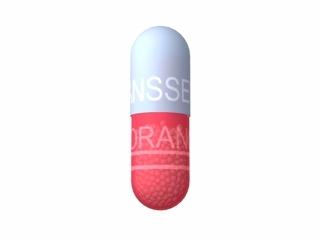
- How it may be supplied: Capsules (and/or oral solution in some markets—availability may vary)
- Brand variations: Different itraconazole formulations exist; follow the specific instructions provided with your product.
- In the UK: Itraconazole medicines are regulated and supplied in line with UK healthcare guidance and pharmacy requirements.
2) How Sporanox works (mechanism of action)
Fungi rely on a key component in their cell membranes called ergosterol. Itraconazole works by blocking an enzyme involved in ergosterol production. Without ergosterol, the fungal cell membrane becomes unstable, leading to impaired growth and ultimately killing (or preventing the spread of) the fungus.
Itraconazole is considered a broad-spectrum antifungal, with activity against many yeasts and moulds. Which organisms it covers best depends on the type of infection.
3) Pharmacokinetics (how the body handles itraconazole)
Pharmacokinetics describes what the body does with a medicine—how it is absorbed, distributed, metabolised, and eliminated. Key points for itraconazole include:
- Absorption is formulation-dependent: Capsules generally require stomach acid for best absorption. This means some medicines that reduce stomach acid can significantly lower itraconazole levels.
- Food can improve absorption for capsules: Taking itraconazole capsules with food can increase the amount absorbed.
- Long time to reach steady levels: Itraconazole may take several doses to reach steady concentrations. This helps explain why improvement can be gradual, particularly in deeper or slower-to-resolve infections.
- Metabolism: Mainly processed in the liver (particularly via CYP enzymes).
- Elimination: Removal from the body occurs through metabolic pathways and excretion; traces may remain for some time.
Because itraconazole absorption and metabolism can be affected by other medicines, a careful review of interactions is important.
4) Typical use in the UK (timing and expectations)
Sporanox is used for specific fungal infections as determined by healthcare professionals and guided by local treatment recommendations. The timing and duration depend on:
- the infection site (skin, nails, lungs, systemic illness)
- the suspected or confirmed fungus
- severity of disease
- immune status and overall health
- the itraconazole formulation (capsule vs. oral solution)
Important: If symptoms start to improve, continue the course exactly as directed. Fungal infections can relapse if treatment is stopped too early.
5) Indications (what Sporanox may be used for)
Itraconazole is prescribed for a variety of fungal conditions, which may include:
- Vaginal candidiasis (where appropriate—treatment choices vary)
- Oropharyngeal or oesophageal candidiasis
- Dermatophyte infections (such as certain nail and skin fungal infections in selected cases)
- Aspergillosis and other mould-related infections in appropriate situations
- Systemic (deep) fungal infections when benefits outweigh risks and treatment alternatives are unsuitable
- Other serious fungal infections depending on local guidance and susceptibility
The exact indication depends on the diagnosis and local clinical protocols. If you’re unsure whether itraconazole is suitable for your condition, speak to a clinician for advice.
6) Dosing information (general guidance)
Dosing must be individualised. This section provides general information about dosing patterns. Always follow the dosing regimen provided with your specific product.
Common dosing patterns (examples)
- Nail infections (onychomycosis): Some regimens are “pulse” style, for example several cycles with breaks between.
- Skin infections: Daily dosing may be used for a defined period.
- More serious infections: Higher or longer courses may be required under specialist care.
How to take it
- Capsules and food: For capsules, take them with food to improve absorption.
- Swallow whole: Swallow capsules whole with water; do not crush or open unless your product instructions say otherwise.
- Try to take at the same time each day: This helps maintain consistent levels.
- Duration matters: Fungal infections may take weeks (or longer) to fully clear, especially nail infections.
Missed dose: If you miss a dose, take it when you remember unless it is close to the next dose. Do not take double the dose to make up for a missed one.
| Situation | Typical approach | Timing notes |
|---|---|---|
| Nail fungal infection | Often pulse or defined course | Improvement may take months as nails grow |
| Skin fungal infection | Defined daily course | Continue for the full course even if symptoms improve |
| Serious/deep fungal infection | Longer, higher intensity regimens may apply | May require close monitoring and review |
| Recurrent or complex cases | Individualised plan | Drug interactions are especially important to check |
7) Food interactions (what to eat and what to avoid)
Food can affect itraconazole absorption, particularly with capsules.
- Take capsules with food: This is generally recommended to improve absorption.
- Avoid skipping meals where possible: If you take itraconazole on an empty stomach, absorption may be reduced, making treatment less effective.
- Stomach acid is important: Medicines that reduce stomach acid may significantly lower itraconazole levels.
Acid-reducing medicines (important)
Please be cautious if you use:
- Proton pump inhibitors (PPIs) (e.g., omeprazole, lansoprazole)
- H2 blockers (e.g., famotidine)
- Antacids (e.g., aluminium/magnesium hydroxide)
These can reduce absorption. Your healthcare professional may advise timing changes or alternative treatment.
8) Alcohol and itraconazole interactions
While there is no single universal rule for every person, itraconazole can be hard on the liver in some cases, and alcohol can also affect the liver. For safer use:
- Moderate alcohol: If you drink alcohol, keep it minimal during treatment.
- Avoid binge drinking: This increases strain on the body and can raise risk of liver-related side effects.
- Stop and seek urgent medical advice if: you develop symptoms of liver problems (see “Safety profile”).
If you have liver disease, heavy alcohol use, or previous medication-related liver issues, you should discuss itraconazole suitability with a clinician.
9) Medicine interactions (including alcohol-like effects and critical drug groups)
Itraconazole has many potential interactions because it is metabolised by liver enzymes and can also affect the enzymes that process other medicines. Always check your full list of medicines (including over-the-counter products and herbal remedies).
Common interaction categories
- Other antifungals: effects can change depending on the combination.
- Medicines that reduce stomach acid: can lower itraconazole absorption (see food section).
- Certain antibiotics and antivirals: may increase or decrease itraconazole levels.
- Heart rhythm and QT-prolonging medicines: itraconazole can increase risk when combined with certain drugs.
- Statins (cholesterol medicines): interaction risk may occur depending on which statin you use.
- Anticoagulants (blood thinners): interactions can affect bleeding risk or clotting control (for example, via changes to drug levels).
- Immunosuppressants (e.g., ciclosporin or tacrolimus): levels may change and may require monitoring.
- Antiarrhythmics and some sedatives: can have clinically important interactions.
Herbal and non-prescription products
- St John’s wort (Hypericum perforatum) can reduce itraconazole effectiveness and is usually advised against.
- Check with a pharmacist before using herbal products, because “natural” does not mean “safe” in combination.
If you take medicines for heart problems, irregular heartbeat, seizures, HIV, transplant medicines, blood thinning, or high cholesterol, it’s especially important to confirm compatibility before starting itraconazole.
10) Safety profile and side effects
Like all medicines, itraconazole can cause side effects. Many people tolerate it well, but some effects require prompt medical attention.
Common side effects
- Nausea, upset stomach, abdominal discomfort
- Headache
- Diarrhoea
- Skin reactions (e.g., rash) in some people
- Changes in taste
Less common but important effects
- Liver problems: fatigue, loss of appetite, dark urine, yellowing of eyes/skin (jaundice), severe nausea/vomiting
- Heart-related effects: in some circumstances, itraconazole may worsen heart failure or contribute to fluid retention
- Allergic reactions: swelling of face/lips, difficulty breathing, severe rash with blistering
- Severe skin reactions: blistering or peeling skin, sores in mouth, or widespread rash
When to seek urgent help
Get urgent medical advice if you experience any of the following:
- Signs of a serious allergic reaction (swelling, breathing difficulty)
- Symptoms suggesting liver injury (jaundice, dark urine, severe tiredness)
- Chest pain, fainting, severe breathlessness, or new/worsening swelling of legs
- Severe or rapidly spreading skin rash
Who should be extra careful?
- People with a history of liver disease or abnormal liver function tests
- People with heart failure or significant cardiac conditions
- People taking multiple medicines (higher interaction risk)
- Pregnancy and breastfeeding situations (risk/benefit must be assessed by a clinician)
- Older adults and people with kidney/liver impairment may need closer monitoring
11) Practical use tips (to improve results and reduce problems)
- Take with food (capsules): Many treatment failures relate to reduced absorption when taken without food.
- Keep a medication list: Include OTC products and supplements. Bring it to your pharmacist or clinician for interaction checking.
- Don’t share medicines: Antifungal treatment should match the exact diagnosis and severity.
- Know how long you’ll need: Skin infections may improve in days to weeks; nail infections can take months.
- Support the area: Keep skin/nails clean and dry. For nail infections, avoid nail trauma and follow nail care advice.
- Watch for interaction red flags: If you start a new medicine (including antibiotics or acid reducers), ask whether it affects itraconazole.
- Adherence matters: Try using phone reminders or linking dosing to routine meals.
12) Alternative options for fungal infections
Alternatives depend on the infection type and site. Common options include other antifungal medicines such as:
- Terbinafine (often used for dermatophyte skin/nail infections)
- Fluconazole (commonly used for certain yeast infections)
- Voriconazole or posaconazole (often for certain mould infections under specialist care)
- Topical antifungals (e.g., creams/ointments for skin lesions, medicated nail treatments in selected cases)
Your best option depends on which organism is likely involved, your medical history, and potential drug interactions. A clinician or pharmacist can help choose the most suitable treatment plan.
13) UK market and legal context (what this means for patients)
In the United Kingdom, itraconazole-containing medicines are regulated under UK medicines legislation and are supplied through appropriate healthcare channels. Pharmacy supply processes ensure medicines are used safely, particularly because itraconazole has clinically important interactions and safety considerations.
Availability may differ between formulations (capsules vs. oral solution) and between brands/generic products. The online pharmacy experience in the UK typically includes checks and advice to support safe use and appropriate selection of treatment.
Recent guidance considerations: Antifungal selection can change over time based on emerging evidence, regional resistance patterns, and updates to clinical guidance. If you have been previously treated for fungal infection, it can be helpful to mention this history when discussing new treatment.
14) Delivery and availability (UK online pharmacy)
Availability of Sporanox (itraconazole) may depend on the specific product strength and formulation. When ordering online in the UK:
- Stock status: Some items may be held in stock, while others may be subject to supply timing.
- Packaging: Medicines are supplied in original manufacturer packaging where possible.
- Dispatch: Delivery schedules depend on order cut-off times and courier services.
- Cold-chain requirements: Itraconazole is not typically temperature-sensitive in the way some biologics are, but follow any storage instructions provided.
If you need treatment urgently (for example, with severe infection symptoms), it’s important to seek timely medical advice. Online pharmacy delivery should not delay emergency care.
15) Storage and disposal
- Storage: Store at room temperature, away from heat and moisture, and keep out of sight and reach of children.
- Follow the label: Use the storage conditions printed on your package.
- Disposal: Do not flush medicines down the toilet. Use community medicine take-back schemes where available or follow local guidance.
16) FAQ
How long does it take for Sporanox to work?
It depends on the infection. Skin symptoms may start to improve within days, but complete clearance often takes longer. Nail infections can take months because nails grow slowly. If you don’t see any improvement within the expected timeframe, contact a pharmacist or clinician for review.
Should I take Sporanox with food?
For itraconazole capsules, taking the dose with food is generally recommended to improve absorption. If you were given a specific formulation and directions, follow those instructions carefully.
Can I take indigestion medicine or antacids with Sporanox?
Some indigestion medicines can reduce itraconazole absorption. It’s best to discuss timing and suitability with a pharmacist. In particular, acid-reducing medicines (PPIs/H2 blockers) may require special timing or alternative treatment.
Is it safe to drink alcohol during treatment?
Moderate alcohol use may be possible for some people, but itraconazole can affect the liver. To reduce risk, avoid heavy drinking and stop alcohol if you develop symptoms such as jaundice, dark urine, or unusual fatigue. Seek medical advice promptly.
What medicines should I be extra careful about?
Be particularly cautious with medicines that can interact through liver enzyme pathways or stomach acid effects. Examples include certain statins, anticoagulants, heart rhythm medicines, transplant medicines, some antibiotics/antivirals, and St John’s wort. Provide your complete medication list to a pharmacist for a thorough interaction check.
What if I miss a dose?
Take it as soon as you remember unless it’s near your next scheduled dose. Do not take a double dose. If you frequently miss doses, talk to a pharmacist for adherence support.
Will itraconazole treat athlete’s foot or ringworm?
It may be used for certain fungal infections, including some cases of skin or nail involvement. Often, topical treatments or different oral antifungals may be preferred depending on the exact diagnosis and severity. A clinician can confirm the best option.
Can I stop Sporanox once I feel better?
No—don’t stop early. Fungal infections can return if treatment is stopped too soon. Completing the full course helps reduce recurrence.
Are there any signs I should watch for urgently?
Yes. Seek urgent help if you experience symptoms of a severe allergic reaction (swelling, breathing difficulty), liver problems (yellowing of eyes/skin, dark urine), severe skin reactions, or worsening heart-related symptoms (new/worsening breathlessness, swelling of legs, chest pain).
Where can I find the exact dosing schedule for my condition?
Your specific dosing schedule depends on the infection being treated and the itraconazole formulation you have. Follow the instructions provided with your medicine and any clinician plan.