
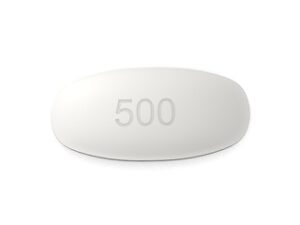
Maxalt (Rizatriptan) – Patient Information for the UK
Maxalt is a medicine used to treat migraine attacks. This page explains how rizatriptan works, how to take it for best results, and important safety information. It is written for patients in the United Kingdom (UK) and aims to be clear and practical.
1) Basic product information
Brand name: Maxalt
Generic name: Rizatriptan
Medicine type: Triptan (a migraine-specific medicine)
What it’s used for: Treatment of migraine attacks, with or without aura
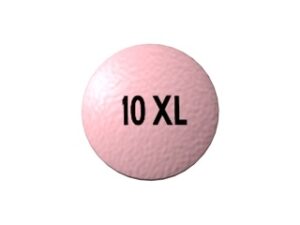
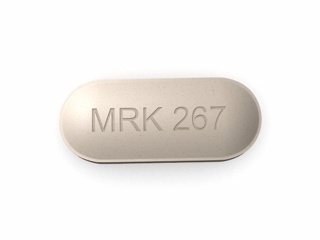
Maxalt tablets may be available in different strengths depending on local supply (for example, 5 mg and 10 mg strengths). Some markets also supply an “melt” formulation; availability can vary. Your packaging and pharmacy label will show the exact strength and formulation you have.
2) What is a migraine and when is Maxalt used?
A migraine is a recurring neurological condition. Common symptoms include:
- Moderate to severe headache (often one-sided, throbbing, and made worse by activity)
- Nausea and/or vomiting
- Sensitivity to light (photophobia) and/or sensitivity to sound (phonophobia)
- Aura in some people (e.g., visual disturbances) before the headache
Maxalt is used to relieve migraine symptoms during an attack. It is not a preventive (prophylactic) treatment.
3) How Maxalt works (mechanism of action)
Rizatriptan belongs to the triptan group. It targets migraine biology by acting on serotonin (5-HT) receptors—primarily 5-HT1B and 5-HT1D.
In practical terms, it helps to:
- Reduce dilation of certain blood vessels involved in migraine
- Inhibit release of neuropeptides (including pathways linked to pain signalling)
- Modulate pain pathways within the nervous system
The result is relief from migraine headache and associated symptoms for many people when taken early in an attack.
4) Typical use and when to take it
Maxalt is typically taken as soon as a migraine attack begins. Some people benefit when they take it at the first signs of migraine pain. If you notice aura symptoms, you may take it when the migraine headache starts (follow your clinician’s advice and your product information).
Important points:
- Use only when you have a migraine attack, not routinely every day.
- Do not exceed the daily maximum dose.
- If symptoms return, you may be advised to take another dose after an appropriate interval (see dosing section).
5) Timing: how quickly it works
Many people experience improvement within about 1–2 hours, though timing varies by individual and by severity of the attack. The sooner you take it during an attack, the more likely it is to help.
If the first dose does not relieve the migraine:
- You should check your product instructions for whether a second dose is appropriate for that same attack.
- If you do not respond, it may be appropriate to discuss alternative strategies with a healthcare professional.
6) Food interactions
Rizatriptan’s absorption can be influenced by the presence of food, and the speed of absorption may change. In general, you can take Maxalt with or without food.
However, for migraines accompanied by nausea or vomiting, taking the tablet when you can keep fluids down may improve your chance of absorption. If vomiting occurs soon after taking a dose, speak to a pharmacist for advice about whether you should take another dose.
7) Alcohol and medicine interactions
Alcohol
There is no single universal rule, but alcohol can:
- Trigger migraines in some people
- Worsen nausea and dehydration
- Make it harder to judge symptom changes
If alcohol triggers your migraines, it’s best to avoid it around typical migraine times. In general, use caution and avoid drinking excessively when you are treating an attack.
Other medicines
Rizatriptan interacts with other medicines because it can affect serotonin pathways and because some medicines can change how fast rizatriptan is cleared from the body. The most important interaction categories are below.
- Other triptans (e.g., sumatriptan, zolmitriptan) – avoid using together for the same period to reduce risk of additive effects.
- Ergot medicines (e.g., ergotamine, dihydroergotamine) – avoid combination unless specifically directed.
- MAO inhibitors – can significantly affect rizatriptan levels. Many MAO inhibitors require rizatriptan to be avoided.
- Strong CYP1A2 inhibitors (a drug interaction pathway) – may raise rizatriptan levels.
- Some antidepressants affecting serotonin – caution may be needed because of theoretical risks when combining medicines that influence serotonin.
- Propranolol – may increase rizatriptan levels; dose adjustments are sometimes required.
Always tell your pharmacist or doctor what you are taking, including:
- Prescription medicines
- Over-the-counter treatments (including migraine products and painkillers)
- Herbal products and supplements
If you’re unsure about a specific medicine, ask a pharmacist—interaction risk depends on the exact product and dose.
8) Indications (what Maxalt is approved/used for)
Maxalt (rizatriptan) is indicated for the acute treatment of migraine attacks, with or without aura, in adults. (Use in children and adolescents depends on local product guidance and formulation; check your packaging instructions or ask a pharmacist.)
It helps to relieve the headache and associated symptoms of migraine during an attack.
9) Dosing: how much to take and maximum limits
Dosing should follow your product label and the instructions provided by your pharmacist or prescriber. Below is general information commonly used for rizatriptan in migraine.
| Situation | Typical adult dosing (general information) | Interval and maximum |
|---|---|---|
| First dose at onset of migraine | Often 10 mg per attack (some patients use 5 mg) | Take as soon as symptoms begin |
| If migraine returns after initial improvement | Another dose may be taken | Allow a suitable interval between doses (commonly at least 2 hours) |
| Daily maximum | Maximum daily dose depends on guidance and interacting medicines | Do not exceed the daily limit stated in your leaflet/box |
| Special dosing considerations | Lower dose may be advised with certain interactions (e.g., with propranolol) | Follow specific dosing recommendations for interacting medicines |
Key reminder: Always follow the maximum number of tablets and the maximum daily dose listed in your leaflet. If you have kidney or liver impairment, a lower dose may be required.
How to take Maxalt practically
- Take the tablet with water.
- If you feel nauseated, try to take it when you can tolerate fluids.
- Do not take more than directed to “catch up” if the first dose is slow or less effective.
10) Pharmacokinetics (what the body does to rizatriptan)
“Pharmacokinetics” describes how rizatriptan is absorbed, distributed, metabolised, and eliminated. This information helps explain why timing and interactions matter.
- Absorption: Rizatriptan is absorbed after oral dosing; peak blood levels typically occur within a few hours.
- Distribution: It distributes through the body, including reaching the central nervous system where migraine pathways are relevant.
- Metabolism: Rizatriptan is metabolised mainly in the liver via enzymes including MAO-A and other metabolic pathways.
- Excretion: Metabolites are eliminated predominantly through the urine (kidneys), with a smaller portion via faeces.
Because metabolism involves pathways that can be affected by other medicines (e.g., MAO inhibitors and some drug-metabolising enzyme inhibitors), interactions can change how strong or long the effects last.
11) Safety profile: common effects and when to seek help
Like all medicines, Maxalt can cause side effects. Many people tolerate it well, but some effects can occur.
Common side effects
- Headache or changes in headache sensation
- Dizziness
- Sleepiness or fatigue
- Nausea (often hard to distinguish from migraine itself)
- Dry mouth
- Sensation of warmth, tingling, or flushing
- Muscle pain or tightness (sometimes described as pressure)
Serious side effects – seek urgent medical help
If you experience symptoms that could indicate a serious reaction, you should seek urgent medical advice. In particular, be cautious if you notice:
- Chest pain, tightness, or pressure
- Shortness of breath or fainting
- Signs of an allergic reaction (swelling of face/lips, rash, wheezing)
- Sudden severe headache unlike your usual migraine (rule out other causes)
- Signs of serotonin-related toxicity if you take certain interacting antidepressant medicines and develop symptoms such as confusion, fever, agitation, muscle stiffness, or diarrhoea
If any of these occur, do not take additional doses until you have medical advice.
Medication overuse headache
Using acute migraine medicines too frequently can contribute to medication overuse headache (sometimes called rebound headache). As a general principle:
- Limit acute migraine medicine use to the minimum needed to treat attacks.
- If you need to use triptans frequently, consider discussing prevention strategies with a healthcare professional.
12) Practical use tips (to get the best results)
- Take early in the attack: For many people, early treatment works better.
- Stay hydrated: Migraine can cause dehydration from reduced intake or vomiting.
- Choose a calm environment: Light and noise sensitivity can worsen symptoms.
- Consider an anti-sickness medicine if advised: If nausea is a major barrier, discuss options.
- Keep a migraine diary: Track triggers, time of dose, response, and side effects.
- Know your limits: Follow the leaflet maximum dose and daily limit.
13) Alternative options for acute migraine in the UK
Depending on your symptoms, medical history, and how often you get migraines, your pharmacist or clinician may suggest alternatives to Maxalt. Options include:
- Other triptans (e.g., sumatriptan, zolmitriptan, naratriptan, eletriptan) – different triptans may suit different individuals.
- Gepants (calcitonin gene-related peptide receptor antagonists) – available in some settings for acute treatment depending on current UK availability and eligibility.
- Ditans (where available) – another non-triptan option.
- NSAIDs (e.g., ibuprofen, naproxen) and paracetamol – may help mild to moderate attacks, or in combination strategies.
- Anti-sickness medicines (antiemetics) – may improve tolerance and absorption.
If Maxalt does not work well for you, ask about different acute options and whether preventive therapy might be appropriate.
14) UK market and legal context (what patients should know)
In the UK, migraine treatments are widely available through pharmacies and healthcare services, but product classification and access can vary by formulation and strength. Advice on use should be taken from the packaging leaflet and from the pharmacy team.
Key UK considerations include:
- Patient information: You should receive a Patient Information Leaflet (PIL) with details specific to your product.
- Pharmacovigilance: Suspected side effects should be reported through the appropriate UK system.
- Guideline-based care: Migraine management in the UK typically follows guidance from bodies such as NICE and other professional organisations.
Product availability can change over time due to market supply, batch availability, and updates to formularies or guidance.
15) Recent guidance and practice points (UK)
While detailed updates change over time, current migraine practice in the UK generally emphasises:
- Using acute treatment early during an attack.
- Limiting triptan use to reduce risk of medication overuse headache.
- Considering preventive treatment if attacks are frequent, disabling, or acute medicines are not sufficient.
- Evaluating “red flags” for headaches that may not be typical migraine.
If your migraine pattern changes significantly (for example, new severity, new neurological symptoms, or a headache unlike usual), seek medical advice promptly.
16) Delivery and availability (UK)
Availability of Maxalt may vary by strength and formulation. Online pharmacies in the UK may stock different presentations depending on current supply. When ordering:
- Check the strength (e.g., 5 mg or 10 mg) and form shown in the listing.
- Review the estimated delivery times and ensure the delivery address is correct.
- If you need urgent treatment, confirm stock status and dispatch timing.
Delivery processes and estimated timelines can differ between providers. Your order confirmation typically includes tracking or dispatch information.
17) FAQ – Frequently asked questions
How soon should I take Maxalt?
Ideally, take it as soon as your migraine starts. Many people benefit when taken early after symptoms begin.
Can I take Maxalt during an aura?
Aura symptoms can occur before headache. Some patients take treatment at the start of the headache phase. For personalised timing, follow the instructions on your leaflet or the advice you received when your treatment plan was agreed.
What if the first dose doesn’t work?
If there is no improvement, do not automatically take extra doses beyond the label. Check your product instructions for guidance on whether a second dose is appropriate for that same attack. If you repeatedly don’t respond, discuss alternative acute or preventive options with a healthcare professional.
How many tablets can I take in a day?
There is a maximum daily dose and often a maximum number of doses per 24 hours. Always follow the maximum limits stated in your leaflet/box. Limits may change if you are taking certain interacting medicines.
Can I take Maxalt with ibuprofen or paracetamol?
Many migraine patients use pain relief alongside migraine-specific treatments. For safe combinations, follow the guidance in your leaflet or ask a pharmacist, especially if you have stomach, kidney, bleeding, liver, or other medical conditions.
Should I avoid alcohol?
Alcohol can trigger migraines and worsen nausea or dehydration, which can reduce effectiveness. If alcohol is a trigger for you, avoid it—particularly around your typical migraine times.
Are there medicines I should not combine with Maxalt?
Yes. Avoid combinations with certain medicines, including other triptans, ergot medicines, and MAO inhibitors. Some antidepressants and certain drug inhibitors (including strong enzyme inhibitors) can require caution. Always check with your pharmacist if you are unsure.
Who should be extra careful when taking rizatriptan?
Extra caution is needed if you have known heart disease, risk factors for cardiovascular disease, uncontrolled high blood pressure, a history of stroke/TIA, or significant liver or kidney impairment. If you have any of these, discuss suitability with a pharmacist or clinician before use.
Can I drive after taking Maxalt?
Some people feel dizzy, sleepy, or unwell. If you experience dizziness or drowsiness, avoid driving or operating machinery. Follow the safety warnings in your leaflet.
What should I do if I feel worse after taking Maxalt?
If you develop worrying symptoms—particularly chest pain, shortness of breath, signs of allergy, or sudden severe headache—seek urgent medical advice. Do not take further doses until you have been advised.
18) When to seek medical advice
Contact a healthcare professional promptly if:
- Your migraines become more frequent or severe
- You have new symptoms that are not typical for you
- You need to use acute treatment very often
- You experience side effects that concern you
- You suspect medication overuse headache
If you have symptoms suggesting a medical emergency (such as chest pain or signs of a severe allergic reaction), seek emergency help immediately.
Note: This information is intended to support patient understanding and does not replace the instructions on the product packaging or advice from a healthcare professional or pharmacist.