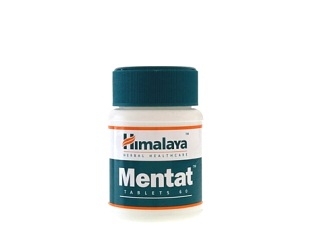


Mentat Tablets (UK) — Patient Information
Mentat is a well-known herbal supplement used by many people in the United Kingdom to support mental performance and concentration. This guide explains what Mentat is, how it works, how the body handles it, how to take it safely, and what to expect.
Important: This page is for general information. Always read the package leaflet and follow the directions on the product label. If you are pregnant, breastfeeding, taking other medicines, or have a medical condition, speak to a pharmacist or clinician before use.
Quick overview
| Topic | Summary |
|---|---|
| Product name | Mentat Tablets |
| Type | Herbal supplement |
| Common goal | Support for concentration, memory and mental clarity |
| Typical use | Daily use during periods of study, workload or mental fatigue |
| How it’s taken | Swallowed with water, usually once or twice daily (see label) |
| Time to notice effects | Varies by person; many people trial for several weeks |
| Key cautions | Check interactions with other medicines and herbal products |
Basic product information
Mentat is marketed in the UK as a traditional herbal product. The formula typically contains plant extracts that are commonly used in herbal traditions for cognitive support. The exact ingredients and amounts can vary by version and batch, so it is essential to check the label on the pack you receive.
What to look for on your pack:
- Active herbal ingredients and their standardised amounts (if stated)
- Recommended daily dose and directions for use
- Warnings and contraindications (for example, pregnancy/breastfeeding cautions)
- Storage instructions
- Batch number and expiry date
How Mentat works (mechanism of action)
The precise biological mechanisms of herbal supplements are often not fully defined in the same way as for conventional medicines. However, Mentat’s herbal components are commonly associated with several pathways that may contribute to mental performance, such as:
- Neuroprotective and antioxidant activity: Some herbal constituents may help protect cells from oxidative stress.
- Support for neurotransmission: Certain traditional ingredients are used to support normal brain signalling.
- Stress and mental fatigue support: Herbal extracts may be used traditionally to promote “mental steadiness” during demanding periods.
- Cognitive support over time: Many users take Mentat consistently rather than “as needed,” aiming for gradual support.
What this means for you: You may notice improved focus or alertness in some people, but results vary. Mentat is intended to support wellbeing and cognitive function rather than treat a medical condition.
Pharmacokinetics: what happens in the body
“Pharmacokinetics” describes how a substance is absorbed, distributed, metabolised and eliminated by the body. For herbal products like Mentat, detailed pharmacokinetic data may be limited because multiple plant constituents are involved. General expectations include:
- Absorption: Active constituents may be absorbed in the gastrointestinal tract; absorption can vary with formulation and individual digestion.
- Distribution: Components are distributed via the bloodstream, with some potentially reaching the brain.
- Metabolism: Many plant constituents are metabolised in the liver and other tissues.
- Excretion: Metabolites are typically eliminated via urine and/or bile (via stool), depending on the compound.
Practical takeaway: Because multiple compounds are present, effects may not be immediate. Consistent daily use and realistic timeframes (often weeks) are commonly recommended by users and product directions.
Typical use and when it may be helpful
Mentat is often chosen for everyday cognitive support, especially during times when concentration and memory demands increase. People commonly consider it when:
- Studying for exams or coursework
- Preparing for work presentations or busy office periods
- Feeling mentally fatigued or “foggy” at times
- Supporting an overall routine for mental performance
Not a replacement for: sleep, balanced nutrition, exercise, and standard medical care when needed. If you have persistent difficulties with memory, mood, attention, or concentration, consider speaking to a healthcare professional.
Indications (what Mentat is used for)
In the UK, herbal supplements like Mentat are generally indicated for traditional/ongoing wellbeing support, rather than for treating diseases. Typical supported indications include:
- Support for concentration and mental clarity
- Support for memory and cognitive function*
- Support for normal mental performance during periods of mental demand
*Claims may vary by product version and regulatory wording on the label.
How to take Mentat: dosing and timing
Follow the dosing instructions on your Mentat pack. Since formulations can differ, exact dosing can vary between products. If your label states a specific regimen, that is the dose you should use.
Typical dosing guidance
Many Mentat tablet products are taken once or twice daily. Common patterns include:
- Once daily: often taken in the morning
- Twice daily: morning and later in the day (often avoiding late evening if it affects sleep for you)
Best timing (practical advice)
- Morning use: may suit those who want support for daytime focus.
- Consistent daily routine: helps you assess whether it’s helping your concentration.
- Trial period: consider using it consistently for several weeks (or as directed on the label) before deciding if it suits you.
How to swallow: take with a glass of water. If tablets are difficult to swallow, check whether the product offers an alternative form.
Food interactions and what to eat/drink
Food interactions can affect how well herbal constituents are absorbed. Mentat directions commonly suggest taking it with or after food, but you should follow your pack’s advice.
General guidance:
- With meals: may improve tolerance for some people and can be helpful if the supplement feels “strong” on an empty stomach.
- Empty stomach: some individuals prefer it, but if you get stomach discomfort, take it after food.
- High-fibre meals: may influence absorption for some supplements; keep your routine consistent.
If you notice indigestion, nausea, or changes in bowel habit after starting Mentat, try taking it with food and review the dosing instructions.
Alcohol interactions and combined use
There is no universal “rule” that herbal supplements must be avoided with alcohol. However, alcohol can worsen sleep quality, increase stress, and impair concentration—factors that may mask or counteract Mentat’s intended cognitive support.
Practical advice:
- Moderation is best: keep alcohol intake within recommended limits.
- Avoid “stacking” effects: combining alcohol with other substances that affect the nervous system may increase side effects.
- Monitor yourself: if you feel unusual symptoms after drinking (such as dizziness or palpitations), stop and seek advice.
If you have a history of liver disease or take regular medication, ask a pharmacist for tailored interaction advice.
Medicine interactions (including prescription medicines)
Even though Mentat is a herbal supplement, interactions can still occur. This is especially important if you take medicines on a regular basis or have chronic health conditions.
Always check interactions if you take:
- Antidepressants or anti-anxiety medicines: herbal constituents may theoretically influence neurotransmitters or sedation.
- Anticoagulants/antiplatelet medicines: some herbs may affect bleeding risk.
- Diabetes medicines: some supplements may affect blood sugar indirectly.
- Blood pressure medicines: watch for dizziness or light-headedness.
- Thyroid medicines: changes in how you tolerate stress, metabolism or timing can matter.
- Seizure-related medicines: avoid mixing without professional guidance.
Also consider: other supplements (especially multiple herbs for “brain” or “calm”) can overlap in ingredients and effects.
Best practice: keep a list of all medicines and supplements you take, including occasional products, and review it with a pharmacist or healthcare professional before starting Mentat.
Safety profile: who should be cautious
Mentat is generally used by healthy adults as a cognitive support supplement. As with any product, safety depends on the ingredients, the dose, and your personal circumstances.
Common side effects
Many people tolerate Mentat well. However, possible side effects can include:
- Mild stomach upset (nausea, indigestion)
- Headache
- Dizziness (rare)
- Allergic reactions in sensitive individuals (rare)
Seek medical advice urgently if
- You develop swelling of the face/lips, difficulty breathing, or widespread rash (possible allergy)
- You feel severe or worsening symptoms after taking the product
Who should avoid or seek advice first
- Pregnant or breastfeeding: speak to a healthcare professional before use.
- Children: only use if the product is specifically intended for children and the label states it is suitable.
- People with chronic medical conditions: ask for advice tailored to your situation.
- People taking regular medicines: pharmacist review is recommended.
Practical use tips
- Start consistently: take it at the same times each day to judge effects fairly.
- Keep expectations realistic: supplements often support rather than “instantly” change cognition.
- Track changes: note concentration, energy, sleep, and any stomach effects for the first 2–4 weeks.
- Support it with basics: hydration, adequate sleep, regular breaks, and a varied diet improve results.
- Avoid doubling up: if you already use other herbal “brain” products, check ingredient overlap before adding Mentat.
- Respect the label: do not exceed the recommended daily amount.
If you decide it isn’t right for you, you can typically stop—though you should still follow any specific guidance from the label. If you experience persistent adverse effects, stop use and consult a healthcare professional.
Alternative options
If you’re considering Mentat for concentration support, you may also explore other lawful, commonly used options in the UK. Which choice is best depends on your needs and any health conditions.
Alternative supplement approaches
- Ginkgo biloba supplements: sometimes chosen for memory and cognitive support.
- Omega-3 (fish oil) or algae-based DHA/EPA: supports brain health; effects may be gradual.
- L-theanine: often used for calm focus (may suit those with anxiety-related concentration issues).
- Magnesium: may help if poor sleep or muscle tension contributes to mental fatigue.
Lifestyle alternatives (often high impact)
- Sleep improvement: consistent sleep times and reduced late caffeine can significantly improve focus.
- Exercise: regular movement supports brain function and energy levels.
- Work structure: time-blocking, shorter study bursts, and regular breaks improve attention.
- Nutrition: stable meals with protein and complex carbohydrates help sustained energy.
If your symptoms are persistent—such as memory loss, significant concentration problems, or mood changes—consider professional assessment.
UK market and legal context
In the United Kingdom, supplements like Mentat are typically sold as food supplements or traditional herbal products, depending on classification. As products are regulated under UK food law and/or relevant frameworks, claims must be compliant and accurately described.
Key points relevant to shoppers:
- Labelling requirements: product names, ingredients, recommended dose, and warnings must be provided.
- Claims: cognitive-support claims are generally limited to permitted wording and should not suggest treatment of disease.
- Safety responsibility: manufacturers and distributors must ensure products are safe for intended use.
- Quality: reputable sellers provide clear batch details, expiry dates, and storage instructions.
Recent guidance and what it means for you
UK guidance for supplement users generally emphasises:
- Read the label carefully and follow dosage directions.
- Be cautious with interactions—especially if you take medicines or have ongoing health conditions.
- Report side effects and stop use if you experience unexpected symptoms.
- Do not exceed recommended intake to avoid unnecessary risk.
Government and regulator communications also encourage consumers to buy from reputable sources with transparent ingredient lists. If a product’s label is incomplete or unclear, it’s best to choose another option.
Delivery and availability in the UK
Mentat is widely available through online pharmacies and supplement retailers in the UK, subject to availability and stock rotation. Delivery options vary by supplier, but many offer:
- Standard delivery: typically a few working days
- Express delivery: faster shipping for eligible postcodes
- Trackable dispatch: confirmation when the parcel leaves the warehouse
Storage at home: keep tablets in a cool, dry place away from direct sunlight. Keep out of reach of children.
If you have questions about dispatch times, returns, or substitute stock, check the retailer’s service information at checkout or contact customer support.
FAQ about Mentat
1) What is Mentat used for?
Mentat is used to support mental performance, including concentration and memory support, especially during periods of mental demand. It is not intended to treat medical conditions.
2) How long does it take to work?
Everyone is different. Some people notice changes sooner, but many aim for a trial of several weeks using the product consistently. If you notice no benefit after the label’s recommended trial period, consider stopping or switching approach.
3) Can I take Mentat with food?
Yes—many people find it easier to take after food to reduce the chance of stomach discomfort. Follow the label directions provided with your pack.
4) Can I drink alcohol while taking Mentat?
Moderate alcohol intake is generally considered compatible for most people, but alcohol can reduce sleep quality and impair concentration. If you experience side effects, reduce or avoid alcohol and seek advice if symptoms persist.
5) Are there any medicine interactions?
Potential interactions are possible with some prescribed or over-the-counter medicines and other herbal supplements. If you take any regular medicines, it’s sensible to ask a pharmacist before starting Mentat and to provide a list of everything you use.
6) Who should not take Mentat?
People who are pregnant or breastfeeding, children (unless specifically for them), and those with certain medical conditions should seek professional advice first. Also avoid exceeding the recommended dose on the label.
7) What if I miss a dose?
Take it when you remember unless it’s close to the time for the next dose. Do not take a double dose to make up for the missed tablet.
8) What side effects should I watch for?
Possible effects can include mild stomach upset, headache, or dizziness in some people. Stop use and seek medical advice urgently if you experience signs of allergy such as rash, swelling, or breathing difficulty.
9) Is Mentat suitable for long-term use?
Many users take supplements as ongoing support, but it’s wise to review your needs periodically. If you’re using it long-term, consider regular check-ins with a pharmacist—especially if your health or medicines change.
10) What are good alternatives if Mentat doesn’t suit me?
Alternatives may include other cognitive-support supplements (such as omega-3, L-theanine, or ginkgo) or a lifestyle-first approach (sleep, exercise, and stress management). Choose based on your goals and talk to a pharmacist if you take medicines.
Disclaimer: This information is provided for general educational purposes and does not replace advice from a pharmacist or healthcare professional. Always check the product label and leaflet for your specific Mentat pack, including ingredient details, warnings, and dosing instructions.