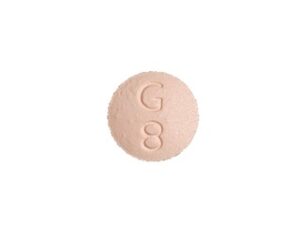


Fulnite (Eszopiclone) — Patient Information
Fulnite is a medicine containing eszopiclone, used to treat problems with sleep. This page explains how Fulnite works, how it is typically taken, what to expect, and important safety information to help you use it as safely as possible.
If you have questions about your individual situation, talk to a healthcare professional or pharmacist. This information is for general guidance.
1. Basic product information
| Item | Details |
|---|---|
| Medicine name | Fulnite |
| Active ingredient | Eszopiclone |
| What it is used for | Insomnia (sleep onset and/or sleep maintenance problems, depending on your situation) |
| Medicine type | Hypnotic/sedative (a non-benzodiazepine “Z-drug”) |
| How it is usually taken | By mouth, shortly before bedtime |
| Common strengths (availability) | Available as tablet strengths depending on local supply (your pharmacist can confirm what’s available) |
Note: Brand names and available strengths can vary. Always check the packaging for the exact strength you have been given.
2. What is insomnia and what does Fulnite help with?
Insomnia is a common condition that can include:
- Trouble falling asleep
- Waking during the night
- Difficulty returning to sleep
- Feeling unrefreshed after sleep
Fulnite is designed to help you sleep by acting on brain pathways that regulate sleep and wakefulness.
3. Mechanism of action (how it works)
Eszopiclone belongs to the class of medicines called hypnotics, often referred to as Z-drugs. It works by binding to specific sites in the brain called the GABA-A receptor (gamma-aminobutyric acid).
GABA is a natural chemical messenger in the brain that helps to reduce nerve activity. By enhancing the effect of GABA, eszopiclone:
- Promotes sleepiness
- Helps you fall asleep more easily
- May help with sleep maintenance for some people
This action can improve sleep quality, but it may also cause side effects such as next-day drowsiness in some individuals.
4. Pharmacokinetics (how the body handles eszopiclone)
Pharmacokinetics describes what the body does with a medicine (absorption, distribution, metabolism, and elimination).
- Absorption: Eszopiclone is absorbed after you swallow the tablet. Peak blood levels typically occur within a few hours.
- Distribution: It distributes into body tissues and crosses into the central nervous system to exert its sleep effect.
- Metabolism: Eszopiclone is mainly broken down by the liver via metabolic pathways involving enzymes.
- Elimination: The medicine and its metabolites are cleared primarily through the kidneys.
Half-life: The duration of effect varies among individuals. Because the medicine can remain in the body longer than expected in some cases, it can contribute to next-day impairment, especially if sleep time is shortened.
5. Typical use and indications (what it’s used for)
Fulnite is used for the treatment of insomnia in adults.
It may be considered when sleep problems are causing significant distress or impaired functioning.
Important: Your prescriber/pharmacist may recommend behavioural strategies (sleep hygiene) alongside medication, and the goal is usually the shortest duration that helps your symptoms.
6. Timing: when and how to take Fulnite
To reduce the chance of side effects and to help you get the most benefit, timing matters.
How to take it
- Take Fulnite immediately before bedtime or when you are ready to sleep.
- Make sure you can get a full night’s sleep after taking it (at least several hours) before you need to be active again.
- Swallow the tablet with water.
If you wake up during the night
If you have to get up, consider your safety first. Avoid tasks requiring full attention if you feel drowsy or unwell.
Do not take extra doses to “make up” for a missed or forgotten dose unless advised by a healthcare professional.
7. Dosing (typical adult dosing approach)
Dosing is individual. Your healthcare professional will choose a dose based on your sleep pattern, age, medical history, and other medicines you may be taking.
Common general principles include:
- Start low where appropriate.
- Adjust if needed based on effectiveness and tolerability.
- Use the lowest effective dose for the shortest possible time.
Renal/hepatic considerations: Some people (such as those with liver problems, kidney impairment, or older adults) may need dose adjustments and closer monitoring.
Missed dose: If you miss a dose, do not take it later than intended. Take only when it’s time for bedtime and you can plan a full night’s sleep.
8. Food interactions (including what to eat and drink)
Food can affect how quickly eszopiclone starts working. In general, to support timely sleep onset:
- Avoid taking Fulnite with a heavy meal right before bedtime, as it may delay absorption and onset.
- Try to take it as directed at bedtime for best results.
Caffeine: If you struggle with insomnia, caffeine (coffee, tea, cola, energy drinks, some painkillers) later in the day may worsen sleep and reduce the benefit of any sleeping medicine.
9. Alcohol and medicine interactions
Alcohol
Do not drink alcohol while taking Fulnite. Alcohol can:
- Increase sedation and impairment
- Increase risk of dangerous behaviour (including falls)
- Worsen breathing problems in susceptible people
Other medicines that increase drowsiness
Caution is needed when Fulnite is taken with other medicines that depress the central nervous system, such as:
- Opioid pain medicines (e.g., morphine, oxycodone, codeine)
- Some antihistamines that cause drowsiness
- Some antidepressants with sedating effects
- Anti-anxiety medicines or other hypnotics
- Antipsychotic medicines
Combining these can increase sedation, confusion, slowed reaction times, and risk of falls or breathing difficulties.
Medicines affecting liver enzymes
Eszopiclone is metabolised by the liver. Some medicines can change its blood levels. Tell your pharmacist about all medicines you take, especially:
- Strong enzyme inhibitors or inducers
- Some antifungals and antibiotics
- Medicines used for HIV treatment
- Some anticonvulsants
Always check before starting or stopping medicines
Even “over-the-counter” products (such as sedating cold remedies) can interact. If you are unsure, ask a pharmacist.
10. Safety profile and side effects
Like all medicines, Fulnite can cause side effects. Many are dose-related and may be more likely if you take the medicine and do not get a full night’s sleep.
Common side effects
- Drowsiness or sleepiness the next day
- Headache
- Dry mouth
- Nausea
- Unpleasant taste
Less common but important risks
- Complex sleep-related behaviours (e.g., sleepwalking, sleep driving, or other activities while not fully awake)
- Memory problems (amnesia)
- Falls or unsteadiness
- Worsening of breathing problems in people with sleep apnoea or severe lung disease
- Dependence and tolerance (risk increases with longer use and higher doses)
- Withdrawal symptoms if the medicine is stopped suddenly after regular use
Seek urgent medical help if you experience severe confusion, unusual behaviour, fainting, trouble breathing, or signs of a serious allergic reaction (such as swelling of the face/lips, rash with difficulty breathing).
11. Practical use tips for safer sleep
These tips can improve both safety and results:
- Plan your sleep: Take Fulnite only when you can sleep for several hours afterward.
- Don’t multitask: Avoid activities requiring full alertness until you feel fully awake the next day.
- Be careful with older age: If you are older or have mobility problems, take extra precautions against falls.
- Keep a sleep routine: Try to go to bed and get up at consistent times.
- Reduce time in bed when awake: If you can’t sleep, get out of bed briefly and return later (as recommended by sleep specialists).
- Use light and temperature: A cool, dark room can improve sleep quality.
- Avoid late caffeine and nicotine: They can delay sleep onset.
Driving and machinery: Do not drive or use machinery if you feel drowsy, dizzy, or less alert than usual after taking Fulnite.
Behavioural changes: If you or someone around you notices unusual actions during sleep (for example sleepwalking), stop taking the medicine and seek medical advice promptly.
12. What if it doesn’t work or symptoms persist?
Insomnia can have many causes including stress, pain, depression, anxiety, restless legs, medications, alcohol, or underlying medical conditions. If your sleep does not improve after a short period, or if it worsens, speak to a healthcare professional.
- You may need assessment for contributing causes.
- Adjustments to dose/timing may be considered.
- Other sleep therapies (such as CBT-I) may be recommended.
13. Stopping Fulnite safely
If you have been taking Fulnite regularly, stopping suddenly may cause rebound insomnia or withdrawal symptoms in some people. Discuss a safe plan for reducing the dose with a healthcare professional.
- Do not stop abruptly without advice if you have used it for more than a short time.
- Report symptoms such as agitation, tremor, or worsening anxiety.
14. Alternative options for insomnia (UK context)
Depending on the cause and severity of insomnia, options may include:
- Non-drug approaches
- Sleep hygiene measures
- CBT-I (cognitive behavioural therapy for insomnia)
- Relaxation techniques and stimulus control
- Other medicines (choice depends on individual factors)
- Other “Z-drugs” (e.g., zopiclone, zolpidem) in certain circumstances
- Melatonin or melatonin receptor agonists for selected cases
- Some antidepressants may be used when insomnia is linked with mood disorders (under clinician guidance)
Only use alternatives if advised by a healthcare professional. Different hypnotics have different safety profiles and interaction risks.
15. Market and legal context in the United Kingdom
In the UK, the regulation of medicines is overseen by the Medicines and Healthcare products Regulatory Agency (MHRA), and medicines are dispensed in line with UK pharmacy practice and prescribing standards.
Medicines for insomnia may have restrictions depending on their classification and local guidance. Fulnite (eszopiclone) is a hypnotic medicine that requires appropriate clinical oversight due to risks such as dependence, impairment, and sleep-related abnormal behaviours.
Pharmacist and healthcare supervision: UK pharmacies provide advice on safe use, interactions, and how to minimise risk—particularly with sedation and alcohol.
Recent safety focus: UK and wider regulatory communications have continued to emphasise warnings around complex sleep behaviours, next-day impairment, risk with alcohol/opioids, and the importance of using the smallest effective dose for the shortest time.
16. Recent guidance and safety updates (general themes)
Recent regulatory and clinical safety messages across Europe and the UK have commonly highlighted:
- Use only when a sufficient block of sleep time is possible
- Avoid alcohol and limit combined sedating medicines
- Monitor older adults and those with respiratory conditions
- Be alert for unusual behaviours and memory lapses
- Minimise duration to reduce dependence and tolerance risk
- Do not stop abruptly after longer-term use without advice
Your pharmacist can also advise on current brand-specific instructions and how to interpret your tablet strength and directions.
17. Delivery and availability (UK online pharmacy)
Availability can vary by strength and supplier. When ordering from an online pharmacy, delivery timeframes depend on stock status and the delivery option selected.
What to expect:
- Items are supplied in tamper-evident packaging.
- Delivery is typically made to a UK address as arranged at checkout.
- Some orders may require verification steps in line with UK pharmacy regulations and standard safety checks.
Storage: Keep tablets in their original packaging, away from excess heat and moisture, and out of reach of children.
If you receive an incorrect product or damaged packaging: contact the pharmacy’s customer service promptly for advice.
18. Fulnite FAQ
Is Fulnite the same as sleeping tablets?
Fulnite is a type of sleeping tablet (a hypnotic/sedative) containing eszopiclone. It works by enhancing GABA activity to help sleep.
How quickly does Fulnite work?
Many people feel sleepiness relatively quickly after taking it before bedtime. However, the exact timing can vary based on factors such as meal timing, dose, and individual metabolism.
Can I take Fulnite with food?
For best results, take it as directed at bedtime. Heavy meals right before taking it may delay how quickly it starts working.
What happens if I wake up too soon after taking it?
If you wake up before the medicine has had time to wear off, you may feel drowsy, slower to react, or have memory problems. Plan to allow a full night’s sleep.
Can I drink alcohol while using Fulnite?
No. Alcohol can greatly increase sedation and other risks. It should be avoided while taking Fulnite.
Are there interactions with painkillers?
Yes. Opioid pain medicines and other sedatives can increase the risk of serious side effects such as excessive drowsiness and breathing problems. Tell your pharmacist about all medicines you take.
Will I become dependent on Fulnite?
Dependence can occur, particularly with long-term use or higher doses. Using the lowest effective dose for the shortest time reduces risk. Do not stop abruptly after regular use—seek advice first.
Can Fulnite cause abnormal sleep behaviours?
In some people, hypnotics can be associated with complex sleep-related behaviours (for example, sleepwalking or sleep driving) while not fully awake. If you (or someone else) notices these, contact a healthcare professional promptly.
Can I drive after taking Fulnite?
Do not drive or operate machinery if you feel drowsy, dizzy, or not fully alert. Because the medicine can affect alertness, it’s safer to avoid driving the next day unless you’re certain you’re fully recovered.
What should I do if I miss a dose?
If you miss it, do not take it later. Take it only when it’s time for bedtime and you can allow several hours of sleep. If unsure, ask your pharmacist.
Who should use Fulnite with extra caution?
Extra caution is often needed for older adults, people with breathing disorders (including sleep apnoea), those with liver problems, and anyone taking other sedating medicines. Your pharmacist can guide you based on your medicines list and medical history.
Summary
Fulnite (eszopiclone) is a hypnotic medicine used to treat insomnia. It works by enhancing GABA activity in the brain to promote sleep. For safer use, take it immediately before bedtime, avoid alcohol and sedating medicines, and plan enough time for a full night’s rest. If you experience unusual behaviour, excessive drowsiness, breathing difficulties, or persistent problems with sleep, speak to a healthcare professional promptly.