Naltrexone Hydrochloride (Naltrexone) — Patient Information (UK)
Naltrexone hydrochloride is a medicine used to help support treatment goals for certain substance-use conditions, and in some situations for problems related to alcohol use. It works by blocking specific receptors in the brain involved in rewarding effects and urges.
This page explains how naltrexone works, how it’s taken, what to expect, and important safety information. It is written for general patient understanding and does not replace advice from a healthcare professional.
Basic product information
| Item | Details |
|---|---|
| Medicine name | Naltrexone hydrochloride |
| Common brand examples | May vary by manufacturer and availability |
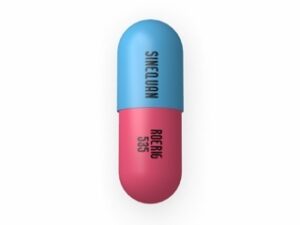
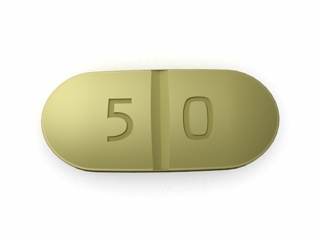
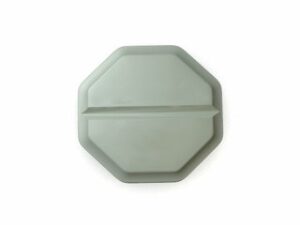
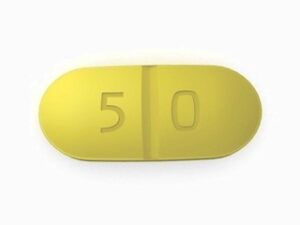
| Medicinal form | Tablets (and in some settings, other formulations may be available) |
| Strength | Often available in fixed tablet strengths depending on the product |
| Legal category | Varies by UK product presentation (follow local guidance for supply and use) |
| What it does | Helps reduce rewarding effects and cravings by blocking opioid receptors |
How naltrexone works (mechanism of action)
Naltrexone belongs to a group of medicines known as opioid receptor antagonists. In simple terms, it blocks opioid receptors—particularly the mu-opioid receptors—so that opioid substances (such as heroin or prescription opioid pain medicines) are less able to produce their effects.
- Opioids: Because opioid receptors are blocked, opioids may have little or no effect while naltrexone is active.
- Reward and urge pathways: Opioid signalling is involved in the “reward” response. By blocking these pathways, naltrexone may help reduce the reinforcing effects of certain substances and support recovery.
- Alcohol: Naltrexone is used in alcohol-related treatment. Alcohol can stimulate opioid signalling indirectly. Blocking these pathways may help reduce heavy drinking for some people.
Pharmacokinetics (how the body processes it)
Pharmacokinetics describes what the body does to a medicine: absorption, metabolism, distribution, and elimination.
Absorption
Naltrexone is absorbed after oral administration. Time to maximum blood levels is typically within a few hours (exact timing can vary between individuals and formulations).
Metabolism
Most naltrexone is metabolised in the liver. A key active metabolite is 6-β-naltrexol. Both naltrexone and its metabolite contribute to the overall effect.
Distribution
Naltrexone and its metabolite distribute through body tissues, including the central nervous system, where opioid receptor blockade matters for effect.
Elimination
Metabolites are mainly eliminated via the urine. The overall duration of receptor blockade may extend beyond the immediate peak in blood levels due to the presence of active metabolites.
Important: People with liver impairment may have higher exposure to the medicine. This can increase the risk of side effects, which is why liver function testing may be required before starting and during use.
Typical uses in the UK
In the UK, naltrexone is used as part of treatment strategies for:
- Alcohol dependence or help in reducing heavy drinking in appropriate patients.
- Prevention of relapse in some opioid-use contexts after opioids have been fully stopped and the body is opioid-free.
Individual eligibility depends on clinical assessment, including the type of substance use, current medications (especially opioids), and suitability based on liver function and overall health.
When to take it (timing and routine)
Many tablet regimens use once-daily dosing or a schedule set by a healthcare professional and treatment plan.
- Choose a consistent time: Taking it at the same time each day can improve adherence.
- Plan around “start day”: Because opioids can be blocked and withdrawal risk may occur if opioids are still present, it’s important that opioid use has stopped and adequate time has passed before starting—this should be guided by clinical advice.
- Missed dose: If you miss a dose, take it when you remember unless it is near the time for the next dose. Do not double up. Follow the advice in the product leaflet.
If you’re unsure: check the patient information leaflet that comes with your medicine or ask a pharmacist for guidance.
Food interactions and taking with meals
Food generally does not pose a major interaction risk for naltrexone.
- You can usually take naltrexone with or without food.
- If nausea occurs, taking it with a meal or at bedtime may help some people.
Practical tip: Keep hydration steady and consider taking with food if you experience stomach upset when starting treatment.
Alcohol interactions (and how to stay safe)
Naltrexone is used to support alcohol-reduction goals in many people. However, it does not make alcohol “safe” to drink.
- Alcohol may still affect your judgement and safety, even if naltrexone reduces rewarding effects.
- Combining alcohol with naltrexone may still increase risk of side effects such as nausea, dizziness, or drowsiness.
Medical caution: People with liver disease or elevated liver enzymes should take extra care, since both alcohol and naltrexone can affect the liver. Regular monitoring may be advised.
Medicine interactions (important points)
Naltrexone’s main clinically significant interactions relate to opioids.
Opioid-containing medicines (the key interaction)
- Opioid painkillers (e.g., morphine, oxycodone, codeine, dihydrocodeine, fentanyl) may not work properly while naltrexone is active.
- Attempting to override receptor blockade by taking more opioids can lead to dangerous overdose once naltrexone effect fades, or if naltrexone is not taken as directed.
- If opioid analgesia is needed urgently, clinicians must know you are taking naltrexone.
Other central nervous system (CNS) medicines
Naltrexone can cause side effects such as dizziness or nausea in some people. Be cautious when combining with medicines that also cause drowsiness, such as:
- sedatives and hypnotics
- some antidepressants or antipsychotics (depending on individual factors)
- antiemetics or antihistamines that make you sleepy
Liver-affecting medicines
Because naltrexone can affect liver enzymes, additional medications that stress the liver may require extra monitoring. Tell your pharmacist/clinician about:
- anti-tuberculosis medicines
- some anticonvulsants
- medicines known to raise liver enzymes
- regular herbal supplements (especially those associated with liver injury reports)
Always keep an up-to-date list of all medicines, including over-the-counter products and supplements, and review it when starting naltrexone.
Indications (why clinicians prescribe it)
In UK practice, naltrexone is indicated for:
- Alcohol dependence to help reduce heavy drinking and support abstinence goals in selected patients.
- Support after opioid dependence in settings where opioid receptor blockade is intended to reduce relapse risk once the person is opioid-free.
Eligibility depends on individual history and current substance exposure. Starting naltrexone while opioids are still in the body can precipitate withdrawal or other complications.
Dosing (general information)
Dosing must be individualised. The exact regimen should follow the product leaflet and clinical assessment.
Common tablet regimens
Many patients take naltrexone once daily. Dose amounts vary by indication and product strength.
- Typical start: may involve a lower dose initially or a planned start date based on opioid-free status and overall safety considerations.
- Maintenance: continues on the agreed daily schedule.
Who may require additional caution
- People with liver impairment: may require dose adjustment or close monitoring of liver function.
- People taking other medicines with interaction potential: pharmacists/clinicians may review suitability and timing.
- People with acute opioid use: must not start without ensuring they are opioid-free and assessed appropriately.
Do not change the dose without clinical guidance. If you feel the medicine is not helping or side effects are troublesome, seek advice rather than stopping abruptly unless instructed.
Safety profile (what to watch for)
Like all medicines, naltrexone can cause side effects. Not everyone gets them, and some effects often lessen as your body adjusts.
Common side effects
- Nausea
- Headache
- Dizziness
- Fatigue or tiredness
- Sleep changes (may include insomnia or unusual dreams)
- Stomach discomfort
Less common but important risks
- Liver effects: naltrexone can raise liver enzymes in some people, particularly at higher exposures or with pre-existing liver disease.
- Allergic reactions: seek urgent help if you develop swelling of the face/lips, difficulty breathing, or widespread rash.
- Withdrawal-like symptoms: if opioids are still present when starting, symptoms may occur. This is why opioid-free status matters.
When to get urgent medical advice
Contact urgent services or seek immediate medical help if you experience:
- severe allergic reaction symptoms
- yellowing of the skin/eyes (jaundice), very dark urine, or severe abdominal pain
- severe confusion, fainting, or breathing problems
Practical use tips (help making treatment successful)
- Start with a plan: naltrexone is most effective as part of a broader treatment approach (support, behavioural strategies, and monitoring).
- Avoid opioids unless advised: tell healthcare professionals and emergency services that you take naltrexone.
- Track triggers: keep notes on cravings, situations, and mood. This helps you and your support team adjust strategies.
- Stay hydrated and eat regularly if nausea occurs.
- Be consistent: missed doses can reduce protective effects and increase relapse risk.
Monitoring (commonly considered in UK care)
Depending on your history, clinicians may consider:
- Liver function blood tests before starting and during treatment
- review of opioid exposure and timing
- assessment of alcohol use patterns and adherence
Alternative options for alcohol or opioid relapse prevention
There are several medication and non-medication options available in the UK. The best choice depends on your substance-use history, health, and goals.
Medication alternatives (alcohol dependence)
- Acamprosate: may help maintain abstinence in some patients.
- Disulfiram: may deter drinking by causing unpleasant reactions if alcohol is consumed.
Medication alternatives (opioid relapse prevention)
- Opioid agonist treatments such as methadone or buprenorphine (used under specialist care)
- Supportive behavioural interventions and recovery programmes
Non-medication options commonly used in the UK include counselling, structured psychosocial therapies, and peer support services.
If naltrexone is not suitable or not effective for you, discuss alternatives with a clinician to find the safest plan.
UK market and legal context
Medicines in the UK are regulated to ensure quality, safety, and appropriate supply. Naltrexone products are subject to UK medicines regulation and must be handled according to local pharmacy and clinical standards.
Availability may vary depending on:
- the specific product strength and formulation
- current prescribing and supply policies
- pharmacy stock levels and distribution schedules
For the most current guidance, refer to official NHS resources and updates from relevant UK medicines authorities. Clinical decisions may be guided by national and local commissioning policies and treatment service pathways.
Recent guidance and clinical considerations (UK-focused)
While product labels and national recommendations evolve, the general themes in UK clinical practice typically include:
- Careful opioid-free assessment before starting naltrexone where opioid blockade is intended.
- Liver monitoring in people at risk, especially those with heavy alcohol use or known liver disease.
- Clear communication to patients and other clinicians about opioid interactions.
- Integration with psychosocial support for improved outcomes in alcohol and substance-use treatment programmes.
Note: Always follow the guidance provided with your specific product and any advice from your care team. Product leaflets contain the most relevant and up-to-date instructions for that formulation.
Delivery and availability (online pharmacy)
Availability of naltrexone depends on local supply chains and stock levels. When ordering online in the UK, your pharmacy may offer:
- Home delivery with tracking where available
- Secure packaging to protect medicines during transit
- Estimated delivery windows shown at checkout
To ensure smooth delivery:
- Check your address and contact details are correct.
- Be available to receive the package if deliveries require a signature.
- Store the medicine as directed on the packaging (typically at room temperature, away from excessive heat and moisture).
If you have urgent questions about your order, contact the pharmacy customer support using the details shown on the site.
Frequently Asked Questions (FAQ)
Can I take naltrexone with food?
Yes. Naltrexone is generally taken with or without food. If you feel nauseous, taking it with a meal or at bedtime may help.
How long does naltrexone take to work?
Some effects can begin after you take a dose, but overall benefits in alcohol-use treatment are typically assessed over days to weeks as part of a broader plan.
What happens if I drink alcohol while taking naltrexone?
Naltrexone may reduce the rewarding effects of alcohol for some people, but it does not remove all risks. Drinking can still cause side effects and impair safety. If you have liver problems, extra caution is needed.
What if I need pain relief—can I take opioid painkillers?
Opioid medicines may be less effective while naltrexone is active. Do not attempt to override the blockade by taking extra opioids. Tell any healthcare professional that you take naltrexone so they can choose the safest pain-relief options for you.
Can naltrexone cause liver problems?
Naltrexone can affect liver enzymes in some people. Your clinician may recommend blood tests, particularly if you have risk factors for liver disease. Seek urgent advice if you develop symptoms like jaundice or severe abdominal pain.
Who should not take naltrexone?
Suitability depends on your medical history, especially:
- whether you currently have opioids in your system
- existing liver impairment
- other medicines and health conditions
Check the patient leaflet and speak to a healthcare professional if you’re uncertain.
What should I do if I miss a dose?
Follow the instructions in the patient leaflet. In general, if you remember later, take it when convenient unless it is close to the next scheduled dose. Do not double up.
Is naltrexone addictive?
Naltrexone is not an opioid and is not known for producing the typical patterns of dependence seen with opioids. However, the best approach is always to use it as part of an overall treatment plan.
Are there alternatives if naltrexone doesn’t suit me?
Yes. Alternatives may include other medications for alcohol dependence (such as acamprosate or disulfiram) or opioid-use relapse prevention strategies. A clinician can help choose the safest and most effective option.
Remember: For the safest use of naltrexone, keep track of your medicines, avoid opioid exposure unless specifically discussed with a clinician, and pay attention to liver-related symptoms. If you have concerns about side effects or interactions, contact a pharmacist or healthcare professional promptly.