
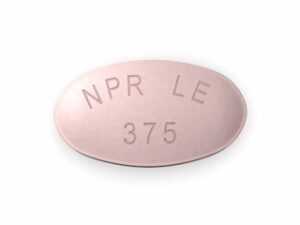

Neoral (Cyclosporine) — Patient-Friendly Guide (UK)
Neoral is a brand of cyclosporine, an immunosuppressant medicine used to reduce the activity of your immune system. It is prescribed to help control certain conditions where the immune system is involved, such as some autoimmune diseases, organ transplant rejection, and other immune-mediated conditions.
This guide explains how Neoral works, how it is used, common timing considerations, food and alcohol interactions, safety information, and practical tips for day-to-day use. It also includes general information about alternatives and what to expect in the United Kingdom.
Basic product information
- Medicine name: Neoral
- Active ingredient: Cyclosporine
- Medicine type: Immunosuppressant
- Form: Oral formulation (commonly supplied as capsules or oral solution; exact presentation depends on the pack)
- Who it’s for: Adults and children in appropriate indications, depending on clinician assessment
Note: Different brands and formulations of cyclosporine can have different absorption and dosing patterns. In the UK, it is important to follow the specific product you have been given and to discuss any switching with your clinician or pharmacist.
How Neoral works (mechanism of action)
Cyclosporine works by reducing immune system activity. It belongs to a group of medicines called calcineurin inhibitors.
In simple terms:
- Cyclosporine enters certain immune cells (mainly T-lymphocytes).
- Inside these cells, it binds to a protein called cyclophilin.
- This complex helps block an enzyme called calcineurin.
- Blocking calcineurin reduces the production of immune-activating substances (including interleukin-2).
- The result is a lower immune response, helping to control inflammation and prevent immune-mediated attacks.
Pharmacokinetics (how the body handles it)
“Pharmacokinetics” describes what the body does to a medicine—how it is absorbed, distributed, metabolised, and eliminated.
- Absorption: Neoral is formulated to improve and stabilise absorption of cyclosporine compared with some older formulations. However, blood levels can still vary between individuals.
- Distribution: Cyclosporine is distributed throughout the body and binds extensively to blood components and tissues.
- Metabolism: It is mainly metabolised in the liver by enzymes in the cytochrome P450 system (notably CYP3A4 and related pathways).
- Elimination: The medicine is eliminated mainly via the bile and faeces. Small amounts may be removed via urine.
- Monitoring: Because cyclosporine levels can vary and because safety depends partly on exposure, healthcare professionals often monitor cyclosporine trough blood levels in conditions where this is relevant (especially transplant medicine).
Why this matters: Interactions with other medicines that affect CYP3A4 can raise or lower cyclosporine levels. This may increase side effects (if levels rise) or reduce effectiveness (if levels fall).
Typical uses (indications)
Neoral is used in a variety of immune-related conditions. Indications can differ by patient group and local clinical guidance.
1) Organ transplant
- Prevention of organ transplant rejection (used as part of immunosuppressive regimens).
2) Autoimmune and inflammatory conditions
- Severe rheumatoid arthritis (typically when disease-modifying treatments are inadequate).
- Severe psoriasis and other difficult-to-treat skin conditions where immunosuppression is needed.
- Severe atopic dermatitis in selected cases.
- Some other immune-mediated conditions where cyclosporine may be appropriate under specialist care.
Important: The exact indication, eligibility, and monitoring plan depend on your diagnosis, medical history, and other medicines. Always follow advice specific to your condition.
How to take Neoral: timing and daily routine
Neoral is taken by mouth. Your clinician will decide the schedule and dose based on your condition, kidney/liver function, and other medicines.
Typical timing tips
- Try to take it at the same times every day to keep blood levels steadier.
- Maintain a consistent routine regarding meals and fluids.
- If you are prescribed twice daily, spacing doses evenly can help.
Do not change anything suddenly
Do not stop or adjust your dose on your own. Stopping abruptly may worsen the underlying condition or, in transplant patients, increase rejection risk.
Food interactions (what to watch for)
Food can affect the absorption of cyclosporine. While Neoral is designed to have more consistent absorption than older formulations, it is still best to be consistent with how you take it.
- Consistency is key: Take Neoral in a similar relationship to meals each day.
- Avoid sudden dietary changes (for example, switching from always taking with meals to always taking on an empty stomach) unless your pharmacist or prescriber advises it.
- Grapefruit and grapefruit juice should usually be avoided because they can increase cyclosporine levels.
If you’re unsure about the best way to take your dose—such as whether your plan requires taking it with food—ask your pharmacist for personalised advice based on your formulation and regimen.
Alcohol interactions
Alcohol does not have a single universal interaction with cyclosporine that applies to everyone, but there are practical safety concerns:
- Alcohol can burden the liver and cyclosporine is metabolised by the liver. Heavy or regular alcohol use may increase the risk of liver-related side effects.
- Infection risk: Because cyclosporine suppresses the immune system, it’s important to avoid practices that weaken overall health. Excess alcohol may do this.
Practical approach: If you drink alcohol, keep it moderate and discuss your typical intake with your clinician—especially if you have liver problems or abnormal liver blood tests.
Medicine interactions (including common categories)
Cyclosporine has many potential interactions because it is metabolised by and affects liver enzymes and transport proteins. Some interactions can significantly increase or decrease cyclosporine levels.
Always tell your pharmacist or prescriber about all medicines and supplements you take, including over-the-counter products and herbal remedies.
Examples of interaction types
- Medicines that may increase cyclosporine levels (potentially increasing side effects): certain antifungals (such as azoles), some macrolide antibiotics, protease inhibitors used for HIV, and other CYP3A4 inhibitors.
- Medicines that may decrease cyclosporine levels (potentially reducing effect): certain anti-epileptics, rifampicin, and medicines that strongly induce CYP3A4.
- Nephrotoxic medicines: combining with other medicines that can harm the kidneys can increase kidney risk.
- Potassium levels: some medicines can increase potassium, which may matter if you have kidney issues.
Herbal and “natural” products
- St John’s wort is commonly a problem because it can reduce cyclosporine exposure.
- Other herbal supplements can also have unpredictable effects—avoid starting them without checking.
Over-the-counter pain relief and NSAIDs
Some painkillers can affect kidney function or interact indirectly. In particular, non-steroidal anti-inflammatory drugs (NSAIDs) (for example, ibuprofen or naproxen) may increase kidney stress when combined with cyclosporine in some patients. Discuss what is safe for you.
Dosing overview (general information)
Dose varies widely by condition, age, kidney function, liver function, and co-medications. Your clinician will provide a personalised regimen.
Important principles
- Start dose: determined by your indication (transplant vs autoimmune), severity, and risk factors.
- Maintenance dose: adjusted based on response and tolerability.
- Monitoring: may include blood tests (kidney function, liver tests, electrolytes) and, in certain cases, cyclosporine trough levels.
Typical dosing pattern
Neoral is often taken twice daily in many regimens. However, dosing frequency and exact amounts depend on your treatment plan.
Do not attempt to calculate your dose from this information. Always follow the dose written on your medicine label and the advice given to you by your healthcare professional.
Safety profile: what to know before and during treatment
Like all medicines, Neoral can cause side effects. Some effects are more common at higher blood levels and can often be reduced by dose adjustment and careful monitoring.
Common or notable side effects
- Kidney problems (e.g., increased creatinine)
- Increased blood pressure
- Changes in electrolytes, including increased potassium
- Tremor or headache
- Gum overgrowth and increased facial/body hair in some patients
- Nausea or stomach discomfort
Less common but important risks
- Infections due to immune suppression
- Increased risk of certain cancers with long-term immunosuppression
- Liver problems (uncommon, but monitoring is important)
- Serious allergic reactions (rare)
- Neurological effects such as confusion or seizures (rare, but urgent)
When to seek urgent medical help
Contact urgent care or seek emergency help if you experience symptoms such as:
- Signs of a severe infection (high fever, severe chills, shortness of breath, rapid worsening)
- Chest pain, sudden severe headache, weakness on one side, or new severe neurological symptoms
- Fainting, severe allergic reaction (swelling of face/lips, difficulty breathing, widespread rash)
- Very reduced urine output or sudden swelling (possible kidney emergency)
Practical use tips for day-to-day life
1) Stick to the same brand and formulation
Because absorption can vary between cyclosporine products, avoid switching without talking to your pharmacist or prescriber.
2) Keep blood test appointments
Monitoring commonly includes:
- Kidney function tests (e.g., serum creatinine)
- Liver function tests
- Blood pressure checks
- Electrolytes (especially potassium and magnesium)
3) Watch for early infection signs
With immunosuppression, even routine symptoms may become more serious. Seek advice early if you have:
- Persistent fever
- Chest infection symptoms
- Burning pain when urinating
- Sore throat that doesn’t improve
4) Sun protection
Long-term immunosuppression may increase the risk of skin cancers. Use:
- SPF suncream
- Protective clothing and shade
- Regular skin checks for new or changing spots
5) Medication reminders
Consider phone alarms or pill organisers to help you take Neoral consistently—especially if your dosing is twice daily.
Alternative options (what might be considered)
Because Neoral is used for specific immune-related conditions, alternative options depend on your diagnosis and previous response. Possible alternatives may include:
- Other immunosuppressants (different mechanisms, similar monitoring considerations)
- Biologic medicines for certain autoimmune diseases (often specialist-led; may have different risks such as infection screening)
- For psoriasis/eczema/rheumatoid arthritis: disease-modifying treatments such as conventional DMARDs or targeted therapies may be considered depending on your case
Discuss alternatives with your clinician if you experience significant side effects, poor response, or if you have drug interaction concerns.
UK market and legal context (general)
In the UK, Neoral (cyclosporine) is an established medicine used in specialist and general practice settings under healthcare supervision. Medicines like cyclosporine are regulated and supplied through authorised routes.
Brand and substitution: In many cases, pharmacists may dispense alternatives depending on availability and local policies. Because cyclosporine formulations can vary, any substitution should be handled carefully to maintain appropriate exposure and monitoring.
Quality and safety: The UK medicines supply chain is regulated to support consistent product quality, and safety information is monitored through UK pharmacovigilance systems.
Recent guidance and monitoring themes (what clinicians commonly emphasise)
Recent years have reinforced several key practical themes for cyclosporine therapy:
- Close monitoring of kidney function and blood pressure
- Awareness of drug–drug interactions, particularly with antifungals, antibiotics, antivirals, and seizure medications
- Consistency of dosing and formulation to reduce variability in exposure
- Prompt evaluation of infection symptoms due to immunosuppression
- Patient education about adherence, sun protection, and regular lab checks
For the latest product-specific recommendations, your prescriber and pharmacist can provide up-to-date advice, including any updates to monitoring frequency for your situation.
Delivery and availability in the United Kingdom (online pharmacy information)
Availability can vary by formulation and strength. If you’re ordering through an online pharmacy, the typical process is:
- Product availability check based on the specific pack you select.
- Packaging and labelling in line with UK requirements.
- Dispatch time depends on stock status and the courier service available in your area.
- Delivery tracking is often provided.
Storage: Follow the storage instructions on the pack. Keep medicines out of sight and reach of children, and avoid storing in damp areas (like bathrooms) unless the label permits it.
If a medicine is temporarily unavailable, online pharmacies may contact you with options such as a delayed dispatch, equivalent pack availability, or advice on alternative products—always ensuring safe continuity for cyclosporine users.
FAQ: Common questions about Neoral (cyclosporine)
1) What is Neoral used for?
Neoral is used as an immunosuppressant for certain immune-mediated conditions (such as severe autoimmune diseases) and to help prevent transplant rejection as part of a broader treatment plan.
2) How soon does Neoral start working?
Response time varies by condition. Some inflammatory symptoms may improve over weeks, while full benefit can take longer. Your clinician will assess response over time and adjust dosing if needed.
3) Do I need blood tests while taking Neoral?
In many situations, yes. Monitoring commonly includes kidney function, liver function, blood pressure, electrolytes, and in relevant cases cyclosporine blood levels (especially in transplant regimens). Follow your clinician’s schedule.
4) Can I take Neoral with food?
It’s best to be consistent. Food may affect absorption, so many healthcare teams recommend taking it in the same relationship to meals each day. Ask your pharmacist for guidance tailored to your regimen and formulation.
5) What should I avoid while taking cyclosporine?
Common advice includes avoiding grapefruit/grapefruit juice and being cautious with herbal products (especially St John’s wort) and medicines that interact with cyclosporine. Always check before starting new drugs or supplements.
6) Is it safe to drink alcohol?
Moderation is generally sensible, and heavy alcohol intake may increase strain on the liver and overall health. Discuss your personal intake, especially if you have liver or kidney issues.
7) What side effects are most concerning?
Kidney problems, raised blood pressure, and infections are key concerns. Seek urgent advice if you develop symptoms suggesting a serious infection, significant neurological symptoms, an allergic reaction, or sudden changes in urine output.
8) Can I miss a dose?
If you miss a dose, take it as advised on the patient information sheet or by your pharmacist. In general, avoid doubling up. If you’re unsure, ask your pharmacist for instructions.
9) Can I switch to another cyclosporine product?
Switching between cyclosporine brands/formulations can change absorption and may affect blood levels. If switching is proposed, discuss it with your pharmacist and ensure appropriate monitoring.
10) Are there alternatives if Neoral isn’t suitable?
Yes. Alternatives depend on your condition and medical history and may include other immunosuppressants or targeted therapies. Your clinician can help choose the safest and most effective option for you.
Summary
Neoral (cyclosporine) helps control conditions driven by an overactive immune system by suppressing T-cell activity through calcineurin inhibition. Because cyclosporine levels and side effects can vary, careful attention to timing, consistent routine, monitoring, and interaction checks is essential. If you have questions about food, alcohol, other medicines, or what to watch for, your pharmacist and healthcare team can provide personalised guidance for your situation.