Gabapentin (UK) – Patient-Friendly Guide
Gabapentin is a medicine used to treat certain types of nerve pain and other related conditions. This guide explains what gabapentin is, how it works, how it is taken, and what to consider for safe use in the United Kingdom.
If you have any questions about your situation, your pharmacist or prescriber can help you choose the most suitable approach.
Basic Product Information
| Category | Details |
|---|---|
| Generic name | Gabapentin |
| Common uses | Nerve pain (including post-herpetic neuralgia and diabetic neuropathy), and as an option for certain seizure disorders |
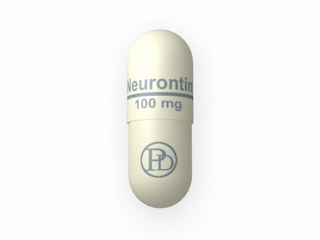
| How it’s taken | Usually by mouth in divided doses (capsules or tablets depending on brand and strength) |
| Medicinal form | Capsules/tablets (formulation and strength vary by product) |
| Who it is for | Adults and some children for specific indications, depending on the treatment plan |
What Is Gabapentin?
Gabapentin is an antiepileptic medicine that is also used for neuropathic (nerve) pain. It helps reduce symptoms such as burning, aching, stabbing, shooting, or electric-shock-like sensations.
It is often started at a low dose and increased gradually to reduce side effects and help your body adapt.
How Gabapentin Works (Mechanism of Action)
Gabapentin affects how nerve cells communicate. It binds to a specific part of nerve cells called the alpha-2-delta subunit of voltage-gated calcium channels.
By doing this, gabapentin can reduce the release of certain neurotransmitters involved in pain signalling and seizure activity. This is why it can help with both nerve pain and certain seizure types.
Pharmacokinetics: How Your Body Handles It
Pharmacokinetics describes how the body absorbs, distributes, metabolises, and excretes a medicine. Key points for gabapentin include:
- Absorption: Gabapentin is absorbed from the gut. Absorption can be reduced at higher doses and can vary between individuals.
- Peak effect: Blood levels typically rise to a peak after taking a dose, then gradually decline. Timing can influence how quickly you feel benefit.
- Metabolism: Gabapentin is not extensively metabolised by the liver.
- Excretion: It is mainly cleared by the kidneys. If you have kidney problems, your dose may need adjustment.
- Half-life: The duration of action is related to its elimination from the body, which often supports divided dosing (multiple times per day).
For best results, keep your dosing schedule consistent and follow your recommended titration plan.
Typical Use in the UK
Gabapentin is commonly used for:
-
Neuropathic pain such as:
- Post-herpetic neuralgia (nerve pain following shingles)
- Diabetic neuropathy (nerve pain in diabetes)
- Seizure disorders (as part of treatment plans for certain epilepsy types in adults and/or children, depending on age and indication)
Gabapentin is frequently considered when other measures are not sufficient or when a neuropathic pain medicine is needed. A healthcare professional may tailor the plan to your symptoms, medical history, and tolerability.
Indications and When Gabapentin May Be Considered
In clinical practice within the UK, gabapentin is used for specific indications. Your treatment may depend on:
- Your diagnosis (e.g., neuropathic pain type, seizure type)
- How severe your symptoms are and how long they have lasted
- Your other medicines (to minimise interactions)
- Kidney function
- Your age and any additional health conditions
How to Take Gabapentin: Timing and Practical Guidance
Gabapentin is usually taken by mouth in divided doses (often morning, afternoon/evening, and bedtime). The exact timing and schedule depend on the prescribed regimen and your tolerance.
Start low, go slow
Many people begin with a lower dose and then increase gradually. This approach helps reduce side effects such as dizziness and drowsiness.
Typical timing tips
- Try to take doses at similar times each day to maintain steadier levels.
- Don’t rush dose increases: follow your titration plan closely.
- Missed dose: if you miss a dose, take it when you remember unless it is close to the next dose. Avoid taking double doses.
If you are unsure what to do after missing a dose, check the patient information leaflet supplied with your product or ask your pharmacist.
Food Interactions: Can You Take Gabapentin With Meals?
Gabapentin can generally be taken with or without food. However, individual products and absorption may vary. Some people find that taking gabapentin with food improves comfort if they experience stomach upset.
Practical suggestion:
- Choose a routine you can follow consistently (e.g., always with meals or always between meals).
- If you notice changes in symptom control when your meal routine changes, discuss it with a pharmacist.
Alcohol and Medicine Interactions
Alcohol
Avoid or minimise alcohol while taking gabapentin unless your healthcare professional says it is safe for you. Alcohol can increase the risk of side effects such as:
- drowsiness and impaired alertness
- dizziness and unsteadiness
- slower reaction times
Other medicines that may interact
Gabapentin can interact with medicines that affect the brain’s function or breathing. Tell your pharmacist or clinician about all medicines you take, including over-the-counter products and supplements.
- Opioids (e.g., morphine, oxycodone, codeine) – can increase risk of sedation and breathing problems.
- Sedatives (e.g., benzodiazepines) – may increase drowsiness and dizziness.
- Sleep medicines – may add to sedation effects.
- Antacids – certain antacids can reduce gabapentin absorption. If used, dosing should be spaced appropriately.
If you are starting or stopping any medicine, it’s wise to ask how it might affect gabapentin.
Dose and Administration: What Is the Usual Dosing Approach?
Gabapentin dosing varies by indication, age, symptom severity, and kidney function. Below is a general overview of common dosing principles rather than a personal prescription.
General dosing principles
- Titration: many people start with a low dose and increase gradually.
- Divided dosing: doses are usually spread through the day to maintain effect.
- Kidney function matters: reduced kidney function may require lower doses.
- Stop safely: do not stop abruptly—tapering may be needed to reduce withdrawal or seizure risk.
Adults (general)
In adults, dose ranges may differ by country guidance and product strength. Your clinician will set the schedule best for you. Common regimens involve:
- starting low and increasing every few days or weekly depending on tolerance
- taking multiple daily doses
- reviewing pain control and side effects after dose changes
Children (general)
For paediatric use, dosing is weight- and age-dependent and must follow the specific plan for the child’s indication. Parents and carers should follow the supplied instructions carefully.
Always follow the dosing instructions provided with your gabapentin product and treatment plan. If you’re unsure about your schedule, speak to a pharmacist.
Safety Profile: Common and Serious Side Effects
Like all medicines, gabapentin can cause side effects. Many are mild to moderate and may improve as your body adjusts.
Common side effects
- dizziness
- drowsiness or fatigue
- unsteadiness (especially when starting or increasing dose)
- swelling in the legs or ankles (oedema)
- blurred vision
- dry mouth
- weight gain in some people
- nausea
Serious side effects: seek urgent medical advice
Get urgent help if you experience symptoms such as:
- swelling of the face, lips, tongue, or throat, or trouble breathing (possible allergic reaction)
- severe sleepiness, confusion, or difficulty waking
- breathing difficulties, especially if combined with other sedating medicines
- new or worsening suicidal thoughts or behaviour (rare, but important to report immediately)
Driving and operating machinery
Gabapentin may cause drowsiness, dizziness, or blurred vision—particularly when you first start or increase the dose. You should avoid driving or risky tasks until you know how it affects you.
Practical Use Tips for Patients
- Keep track of symptom changes: note when pain improves and when side effects occur, especially during titration.
- Rise slowly: if you feel light-headed, stand up more gradually from sitting/lying positions.
- Do not stop suddenly: sudden discontinuation can be problematic. If you need to stop, discuss a tapering plan.
- Check kidney-related advice: tell your clinician if you have kidney disease or changes in kidney function.
- Be cautious with other sedatives: avoid combining with alcohol or other sedating medicines unless advised.
- Use reminders: taking gabapentin at consistent times helps maintain steady benefit.
Alternative Options for Neuropathic Pain (and Seizures)
Depending on your diagnosis and past treatments, alternatives may include:
For neuropathic pain
- Pregabalin (similar class of medicines used for nerve pain)
- Duloxetine or amitriptyline (used for certain neuropathic pain conditions)
- Topical options where appropriate (e.g., capsaicin creams/patches for selected cases)
- Non-medication approaches such as physiotherapy, exercise therapy, and pain management strategies
For seizure disorders
Alternatives depend on seizure type and patient characteristics. Options may include other antiseizure medicines. A clinician can help choose the most appropriate therapy.
If you’re considering alternatives, do not switch or stop gabapentin without medical advice.
Market and Legal Context in the United Kingdom
In the UK, gabapentin is an established medicine. Availability and prescribing practices are governed by UK healthcare regulations. Medicines are classified under UK pharmacy and controlled access rules, which may include limitations depending on product and strength.
For patient safety, pharmacists and healthcare providers may request relevant information before dispensing or advising on use, such as:
- your age and indication
- current medicines (to reduce interaction risks)
- kidney function history
- allergies and previous medicine reactions
Product information is provided through the patient information leaflet and professional guidance, which may be updated as evidence evolves.
Recent Guidance and Ongoing Safety Considerations
UK clinical practice continues to emphasise careful patient selection, gradual dose titration, and regular review of benefit versus side effects. Ongoing safety focus includes:
- sedation risk when gabapentin is combined with other central nervous system depressants
- falls risk due to dizziness or unsteadiness
- appropriate use in kidney impairment due to renal excretion
- gradual withdrawal rather than abrupt stopping
If you experience new symptoms after starting gabapentin—especially increased sleepiness, confusion, or breathing issues—seek advice promptly.
Delivery and Availability (UK)
Gabapentin may be available through authorised pharmacy channels in the UK, depending on the specific product and formulation. Availability can vary by strength and pack size. Your order is typically processed through standard pharmacy supply workflows.
When shopping online, you may see:
- In-stock delivery estimates based on your postcode/region
- Alternative strengths or pack sizes if your exact option is temporarily unavailable
- Packaging and labelling that matches UK medicines regulations
After placing an order, you should receive confirmation details including expected delivery dates and tracking information if offered.
Important: store gabapentin as directed on the packaging—usually at controlled room temperature, away from moisture and heat. Keep it out of reach of children.
FAQ – Frequently Asked Questions
1) How long does gabapentin take to work?
Some people notice changes within days, while others may need several weeks—particularly when dose increases are gradual. Consistent dosing and follow-up reviews are important.
2) Will gabapentin cure nerve pain?
Gabapentin usually helps control symptoms rather than providing a cure. The goal is often to reduce pain intensity and improve day-to-day function.
3) Can I take gabapentin with food?
Generally, yes. You can take it with or without food, though taking with food may help if you experience stomach upset. Try to keep your routine consistent.
4) What should I do if I feel very drowsy?
Drowsiness is a known side effect. Avoid alcohol and driving. Contact your pharmacist or clinician—your dose may need adjustment. In combination with other sedating medicines, drowsiness can be more pronounced.
5) Is it safe to drink alcohol on gabapentin?
It is generally recommended to avoid or minimise alcohol because it can increase sedation and dizziness. Ask your pharmacist for advice tailored to your situation.
6) Can I stop gabapentin suddenly?
Do not stop suddenly unless a healthcare professional instructs you to. Stopping abruptly may cause problems, including return/worsening of symptoms or increased seizure risk in certain patients. If stopping, a gradual reduction plan may be recommended.
7) What about missed doses?
If you miss a dose, take it when you remember unless it is close to the next scheduled dose. Avoid taking double doses. If unsure, ask a pharmacist.
8) Who needs special caution?
People with kidney impairment, older adults (who may be more prone to dizziness/falls), and those taking other sedating medicines should be monitored more closely.
9) Are there alternatives if gabapentin doesn’t suit me?
Yes. Options may include pregabalin, duloxetine, amitriptyline, topical treatments, and non-drug strategies depending on the condition. Your clinician can help determine the most appropriate alternative.
10) What should I do if I suspect an allergic reaction?
Seek urgent medical advice if you have symptoms such as swelling of the face/lips/tongue or trouble breathing.
Always check the patient information leaflet supplied with your specific gabapentin product for details about dosing, side effects, and storage. If you have questions about interactions or suitability, a pharmacist can help you make a safe choice.