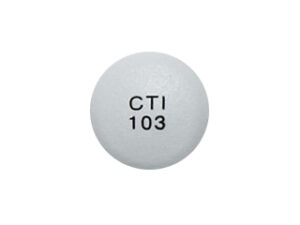
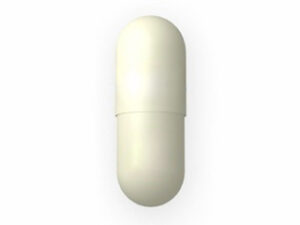
Flexeril (Cyclobenzaprine Hydrochloride) – Patient Information (UK)
Flexeril contains cyclobenzaprine hydrochloride, a medicine used to relieve muscle spasm and muscle pain. This page explains how Flexeril works, when it is typically used, how it’s taken, important safety information, and practical tips to get the most benefit.
Note: Product availability and exact brand presentation may vary. Always check the package leaflet supplied with your medicine for the most accurate details.
Quick Overview
- Active ingredient: Cyclobenzaprine hydrochloride
- Medicine type: Centrally acting muscle relaxant
- Main use: Short-term relief of pain and stiffness caused by muscle spasm
- Common form: Tablets (strengths may vary by product)
- Typical duration: Often a short course (for example, up to 2–3 weeks, depending on your clinician’s plan)
What Is Flexeril?
Flexeril is a muscle relaxant that works in the central nervous system (brain and spinal cord). It is intended to help reduce the discomfort and restricted movement that can occur when muscles go into painful spasm, such as after an injury, overexertion, or sudden strain.
Flexeril is generally used alongside other approaches—such as rest (but not complete inactivity), gentle movement, physiotherapy advice, and pain relief strategies—rather than as the only treatment.
Indications (What It’s Used For)
Flexeril is indicated for the short-term treatment of muscle spasm associated with acute, painful musculoskeletal conditions.
Examples include:
- Acute back pain with muscle spasm
- Neck pain due to muscle spasm
- Strains and sprains causing spasm and painful stiffness
Important: It is not meant to treat underlying causes such as fractures, severe nerve problems, or inflammatory conditions. If symptoms are severe, rapidly worsening, or accompanied by red-flag signs (see “When to seek urgent help”), medical assessment is essential.
How Flexeril Works (Mechanism of Action)
Cyclobenzaprine is thought to reduce muscle spasm by acting on the brainstem and pathways involved in movement and muscle tone. While the exact mechanism isn’t fully understood, its action is generally described as:
- Depressing excessive muscle activity that contributes to spasm
- Enhancing the effects of the nervous system’s “brake” signals to reduce pain-related muscle contractions
- Helping relieve painful stiffness and improve comfort and mobility
Because it works centrally, the medicine may also cause side effects such as sleepiness or dizziness.
Pharmacokinetics (How the Body Handles It)
Pharmacokinetics describes how the body absorbs, distributes, metabolises, and excretes a medicine.
- Absorption: After oral dosing, cyclobenzaprine is absorbed through the gut.
- Distribution: It distributes to tissues, including the central nervous system, which contributes to its muscle-relaxing effect.
- Metabolism: The medicine is primarily metabolised in the liver. This means liver function can influence how quickly it clears from the body.
- Elimination: Metabolites are excreted mainly via the kidneys (urine) after processing by the liver.
- Duration: Cyclobenzaprine’s effects may persist beyond the dosing interval, due to its pharmacological activity and metabolism.
Practical implication: Because of metabolism and possible accumulation, using higher doses or taking it longer than recommended can increase side effects and risk.
Typical Timing and How to Take It
The exact dosing schedule should follow the instructions on the product label or those given to you by a healthcare professional. Below is general information.
Timing
- Many people find it helpful to take a dose after meals if it causes stomach discomfort.
- Because it can cause drowsiness, doses are often planned to avoid work or driving demands.
What to do if you forget a dose
- If you miss a dose, take it when you remember unless it is close to the time for the next dose.
- Do not take a double dose to make up for the missed one.
Dosing (General Guidance)
Flexeril dosing varies depending on factors such as age, severity of symptoms, and how you respond to treatment. Always follow the instructions provided with your medicine.
Common adult approach: Cyclobenzaprine is often taken in divided doses over the day. It may be started at a lower effective dose if drowsiness occurs.
- Start low where appropriate, especially if you are prone to sedation.
- Do not exceed the recommended daily maximum.
- Short-term use is usual. If symptoms persist, it’s important to reassess the underlying cause rather than continue indefinitely.
Children and adolescents: Use in younger age groups requires specific guidance. Follow the advice from a healthcare professional and the medicine’s official guidance.
Older adults: The risk of side effects may be higher. A lower dose or alternative may be preferred.
Food Interactions
Food may influence comfort and absorption, but major food-drug interactions are not usually the deciding factor for cyclobenzaprine.
- Take with or after food if it upsets your stomach.
- Maintain consistent meal habits to help with regular dosing.
Practical tip: If you notice nausea, dizziness, or stomach discomfort, taking your dose with a meal may improve tolerance.
Alcohol and Medicine Interactions
Alcohol
It is strongly recommended to avoid or minimise alcohol while taking Flexeril. Alcohol can intensify drowsiness, impair coordination, and increase the risk of accidents and falls.
Other medicines that can interact
Cyclobenzaprine has the potential to interact with several medicines, mainly due to additive effects on sedation, the nervous system, or heart rhythm.
Seek advice before combining Flexeril with:
- Other sedatives (for example, sleeping tablets, strong antihistamines, opioid pain medicines): increased drowsiness and slowed reaction time
- Tranquillisers/benzodiazepines: heightened sedation and impaired driving/operating machinery
- Medicines that affect heart rhythm (QT prolongation): increased risk of abnormal heart rhythm
- Some antidepressants (particularly serotonergic or tricyclic-like effects): potential for serotonin-related or heart-related complications
- Strong liver enzyme inhibitors: may increase cyclobenzaprine levels, raising side effects
What to do: Keep a list of all medicines and supplements you take (including herbal products). Discuss them with a pharmacist or clinician to check for compatibility.
Safety Profile
Flexeril is generally well tolerated when used for a short period at recommended doses, but it can cause side effects—especially because it affects the central nervous system.
Common side effects
- Drowsiness or sleepiness
- Dizziness
- Dry mouth
- Blurred vision
- Constipation
- Fatigue
Less common but important risks
- Falls (especially in older adults due to dizziness/sedation)
- Confusion
- Urinary retention (difficulty passing urine), particularly in people with an enlarged prostate
- Heart rhythm changes (rare, but risk increases with certain medications or heart conditions)
When to seek urgent help
Get urgent medical help if you experience:
- Fainting, severe dizziness, or a very fast/irregular heartbeat
- Severe allergic reaction (swelling of face/lips, difficulty breathing)
- Severe confusion, agitation, hallucinations
- Symptoms of serious poisoning or overdose
Who should take extra care
Extra caution is advised if you have:
- Liver problems (metabolism may be reduced)
- Heart disease or a history of abnormal heart rhythm
- Glaucoma (narrow-angle)
- Urinary retention or prostate enlargement
- Seizure disorders
- Use of interacting medicines (especially those affecting heart rhythm or increasing sedation)
Practical Use Tips (To Improve Safety and Benefit)
1) Plan around drowsiness
- Avoid driving, cycling on busy roads, or operating machinery until you know how Flexeril affects you.
- If you feel sleepy after the first dose, consider taking the medicine later in the evening (only if consistent with your prescribed instructions).
2) Don’t use longer than advised
- Muscle spasm related to acute strains usually improves with time and supportive care.
- Prolonged use can increase side effects without addressing the cause.
3) Combine with safe movement
- Gentle activity (within comfort limits) often helps recovery.
- Consider stretching and physiotherapy guidance if appropriate.
4) Hydration and bowel care
- Dry mouth and constipation can occur. Drink water and include fibre in your diet if constipated.
5) Avoid double sedation
- Be especially cautious if you also use antihistamines for allergies/sleep or take other painkillers that may cause drowsiness.
When Flexeril May Not Be Suitable
Flexeril may be unsuitable or requires careful assessment if you:
- Have a known hypersensitivity to cyclobenzaprine or any ingredient
- Have specific heart rhythm conditions or a significant cardiac history
- Are taking interacting medicines such as certain antidepressants, sedatives, or drugs known to affect heart rhythm
- Have severe liver impairment
If any of these apply, ask a pharmacist or healthcare professional for advice before use.
Alternative Options
Depending on the cause of your muscle pain and spasm, other treatment options may be considered. Alternatives include:
- Non-medicine approaches: heat therapy, gentle stretching, activity modification, physiotherapy, ergonomics, and posture support
- Analgesics: paracetamol or non-steroidal anti-inflammatory drugs (NSAIDs) may be considered for pain relief in some people
- Other muscle relaxants: some conditions may respond to alternative centrally acting muscle relaxants, chosen based on your medical history and side-effect risk
Important: Alternatives are not always safer—each option has its own risk profile, interactions, and suitability considerations.
UK Market and Legal Context (Medicines in Great Britain)
In the United Kingdom, medicines are regulated by the Medicines and Healthcare products Regulatory Agency (MHRA) under the UK medicines framework. Medicines are classified by legal status (for example, prescription-only or pharmacy/other categories) depending on safety and risk.
Flexeril and cyclobenzaprine formulations may have different availability depending on manufacturer, licensing arrangements, and local supply. If you are unable to obtain Flexeril, a pharmacist may discuss suitable licensed alternatives available in the UK.
Safety monitoring: Like other medicines, cyclobenzaprine use is supported by ongoing pharmacovigilance (reporting of suspected side effects) to improve patient safety.
Recent Guidance and Evidence Snapshot
Current clinical practice commonly emphasises that acute musculoskeletal pain (including back/neck pain associated with spasm) should be managed with a combination of:
- Staying active where possible
- Short-term pain relief when needed
- Targeted muscle spasm treatment for a limited period if appropriate
- Escalation for “red flags” or persistent symptoms
Many professional recommendations advise cautious use of centrally acting muscle relaxants due to side effects such as sedation and dizziness, particularly for older adults and those taking interacting medicines.
Because guidance can evolve: consult the latest advice from NHS resources or a healthcare professional if you are unsure.
Delivery and Availability (UK Online Pharmacy Information)
Availability of Flexeril may vary by brand and strength. When ordered online from a UK pharmacy, delivery is typically arranged in line with the supplier’s stock levels and the medicine’s storage requirements.
Common expectations:
- Packaging: Medicines are shipped in appropriate protective packaging with clear labelling.
- Delivery timeframe: This depends on local courier routes and whether stock is held locally.
- Temperature: Cyclobenzaprine tablets do not generally require special refrigeration under normal storage conditions; however, follow the instructions on the pack.
If your delivery is delayed, contact the pharmacy to check status and alternative options if needed.
FAQ
1) How quickly does Flexeril start working?
Some people notice reduced muscle spasm and pain relief within the first day. Others may need a couple of days to feel a clear change. Drowsiness may occur early, so take care with activities until you know your response.
2) Can I take Flexeril with paracetamol or ibuprofen?
In many cases, combining a muscle relaxant with a common painkiller can be appropriate, but it depends on your medical history and other medicines. If you’re unsure, ask a pharmacist to review your specific combination.
3) Will Flexeril make me sleepy?
Yes, sleepiness is a common effect. Avoid driving and alcohol, and do not combine with other sedating medicines unless you’ve been advised it’s safe.
4) Is Flexeril addictive?
Cyclobenzaprine is not classed as a typical addictive medicine like some substances. However, it can still cause side effects and should be used only for the intended short period and at the recommended dose.
5) What if my muscle pain doesn’t improve?
If symptoms do not improve within the expected short timeframe, or if they worsen, seek medical advice. Persistent pain may indicate an underlying issue that needs assessment (for example, nerve involvement, injury, or inflammatory disease).
6) Can I drink coffee or energy drinks?
Caffeine may not directly interact with cyclobenzaprine, but it may worsen restlessness or mask drowsiness, which can lead to unsafe activity. If you feel sleepy, avoid trying to “push through” with stimulants.
7) Are there any symptoms that mean I should stop and get help?
Stop using the medicine and seek urgent help if you experience signs of serious allergy, fainting, severe confusion, severe chest symptoms, or symptoms of overdose. For milder but concerning effects (such as significant palpitations), contact a healthcare professional promptly.
8) Can I take Flexeril if I’m elderly?
Older adults often experience increased sensitivity to sedating and anticholinergic side effects (like dizziness, confusion, dry mouth, constipation, and urinary problems). A lower dose and close monitoring may be needed, so discuss suitability with a pharmacist or clinician.
9) Does Flexeril affect pregnancy or breastfeeding?
If you are pregnant, planning pregnancy, or breastfeeding, discuss use with a healthcare professional. The safest option depends on your condition and risk factors.
10) What is the best way to reduce muscle spasm besides medication?
For many people, recovery improves with gentle movement, stretching within comfort, heat therapy, good posture/ergonomics, and time. Physiotherapy advice can be especially helpful.
Summary
Flexeril (cyclobenzaprine) is a centrally acting muscle relaxant used for short-term relief of painful muscle spasm linked to acute musculoskeletal problems. It can help reduce spasm and improve comfort, but it may cause drowsiness and other side effects. Because it can interact with alcohol and certain medicines—especially those that cause sedation or affect heart rhythm—careful use is important.
If your symptoms don’t improve or you have red-flag signs (severe weakness, numbness, loss of bladder/bowel control, or unexplained severe symptoms), seek prompt medical attention.