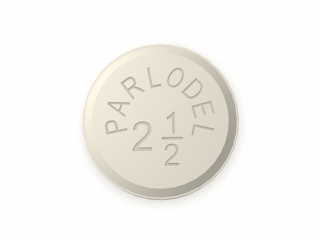


Parlodel (Bromocriptine) – Patient Information (UK)
Parlodel is a brand of bromocriptine, a medicine used to treat several hormone-related conditions. It works by affecting brain chemicals that control prolactin (a hormone involved in milk production), and it can also help with certain movement disorders. This guide explains how Parlodel works, how it’s used, common practical considerations, and key safety information to help you feel confident using your medicine.
Important: This page is for general information. Always follow the advice of your healthcare professional and the instructions provided with your medicine. If you have questions about your specific situation, ask a pharmacist or doctor.
Quick facts
- Active ingredient: Bromocriptine
- Medicine class: Dopamine receptor agonist
- Main effects: Reduces prolactin levels; may improve certain hormone-related problems and movement symptoms
- Typical forms: Oral tablets (strengths vary by product presentation)
- Common dosing frequency: Often 1–3 times daily depending on the condition
- Availability in the UK: Commonly supplied through prescription channels; availability can vary by strength and manufacturer
What Parlodel is used for (typical indications)
Parlodel is used in the UK for a range of conditions linked to high prolactin levels and other dopamine-related effects. The exact indication determines the dose and schedule.
Common indications include
- Hyperprolactinaemia: Conditions where the body produces too much prolactin, leading to symptoms such as irregular periods, fertility problems, or milk production not related to childbirth.
- Prolactin-secreting pituitary adenomas (prolactinomas): Benign pituitary tumours that increase prolactin.
- Galactorrhoea: Breast milk production not due to pregnancy or breastfeeding, often linked to elevated prolactin.
- Parkinson’s disease and parkinsonism: To improve movement symptoms by replacing or mimicking dopamine activity.
- Off-label or specialist-use situations: In some circumstances, specialists may use bromocriptine for other dopamine-responsive conditions. Your clinician will advise if this applies to you.
Note: Parlodel may also be used in specific reproductive-related settings under specialist supervision. The safest approach is to follow your healthcare professional’s plan exactly.
How Parlodel works (mechanism of action)
Bromocriptine is a dopamine receptor agonist. Dopamine is a natural chemical messenger in the brain. In normal physiology, dopamine helps control prolactin release from the pituitary gland.
- Prolactin reduction: Bromocriptine stimulates dopamine receptors (mainly D2 receptors) on lactotroph cells in the pituitary, which reduces prolactin secretion.
- Movement effects: In Parkinson’s disease, dopamine activity in specific brain pathways is reduced. By acting like dopamine at receptors, bromocriptine may help improve motor symptoms.
Because prolactin levels are affected, many hormone-related symptoms improve as levels normalise.
Pharmacokinetics: what the body does to Parlodel
Pharmacokinetics describes how the medicine is absorbed, distributed, metabolised, and removed from the body.
- Absorption: Bromocriptine is taken by mouth and is absorbed from the gastrointestinal tract. Absorption can be influenced by food, timing, and individual factors.
- Distribution: It distributes into tissues and can cross into the central nervous system, which is relevant to its effects on movement and brain hormones.
- Metabolism: Bromocriptine is primarily metabolised by the liver (commonly via cytochrome P450 enzymes). This means other medicines that affect liver enzymes may change levels of bromocriptine.
- Elimination: Metabolites are excreted mainly via the faeces and urine.
Half-life: Reported half-life can vary, and the clinical effect may outlast a single dosing interval. Your prescriber sets the dose based on your condition and response.
How to take Parlodel: timing and practical use
Parlodel dosing depends on the condition being treated. Always use the schedule provided by your healthcare professional. Below are general practical tips that many people find helpful.
General timing guidance
- Take it with food if needed: If you experience nausea or stomach upset, taking bromocriptine with food may improve tolerability (your clinician can advise the best approach for you).
- Consistency matters: Try to take each dose at roughly the same times daily.
- Do not double up: If you miss a dose, follow the advice in your medicine information leaflet (or ask your pharmacist). In general, doubling can increase side effects.
- Do not stop suddenly unless advised: For long-term therapy, sudden stopping can be problematic. Discuss any changes with a clinician.
Starting and dose adjustments
Many patients start on a lower dose and increase gradually to reduce side effects such as dizziness or nausea. Follow the titration plan carefully.
Food interactions: can you take Parlodel with meals?
Food may affect how bromocriptine is absorbed. For some people, taking Parlodel with food reduces gastrointestinal side effects.
- General approach: If your leaflet or clinician advises, take it with meals.
- Be consistent: If you start taking it with food, continue similarly to avoid day-to-day fluctuations.
- Absorption differences: Some medicines and meals can change drug absorption patterns. If you notice changes in symptoms after altering meal timing, speak to your pharmacist.
Alcohol interactions and alcohol safety
Alcohol can increase the risk of side effects such as drowsiness, dizziness, and low blood pressure. Bromocriptine may already cause these effects in some people.
Practical advice
- Limit or avoid alcohol until you know how Parlodel affects you.
- Be cautious with activities requiring alertness (driving, operating machinery) if you feel dizzy or sleepy.
- Report concerning effects (fainting, severe dizziness, unusual sleepiness) to a healthcare professional promptly.
Medicine interactions: important drug-to-drug considerations
Bromocriptine can interact with other medicines, particularly those affecting dopamine pathways, blood pressure, or liver metabolism. Always tell your pharmacist about:
- All prescription medicines
- Over-the-counter products
- Herbal supplements
- Any recent changes to medicines
Common categories that may interact
- Antipsychotics (dopamine antagonists) may reduce the effect of bromocriptine.
- Other dopamine-related medicines may alter effects or side-effect risk.
- Blood pressure medicines: bromocriptine can lower blood pressure in some people; combining may increase dizziness or faintness.
- Medicines that affect liver enzymes (for example certain antibiotics/antifungals or anti-seizure medicines) may change bromocriptine levels.
- Medicines that cause nausea or those used to treat it may be considered together for tolerability planning.
Signs an interaction may be happening
- Symptoms worsening unexpectedly
- New or stronger dizziness, fainting, or severe sleepiness
- Unusual involuntary movements or severe restlessness
- Severe stomach upset that doesn’t improve
If you suspect an interaction, seek advice from a pharmacist or prescriber rather than stopping abruptly.
Dose and how Parlodel is typically used
Because Parlodel is used for multiple conditions, dosing varies. Below are typical ranges used in clinical practice to help you understand how doctors often approach dosing. Your exact dose may differ.
| Condition (examples) | Typical starting approach | Typical dosing schedule | Adjustments |
|---|---|---|---|
| Hyperprolactinaemia / prolactinoma | Low dose initially to reduce side effects | Often taken 1–2 times daily | Dose may increase based on prolactin blood test results and symptom response |
| Galactorrhoea | Low dose initially | Usually 1–2 times daily | Adjusted depending on symptom improvement and prolactin levels |
| Parkinson’s disease | Low dose with gradual titration | Often 2–3 times daily depending on response | Increased carefully to balance symptom control and side effects |
Follow your local instructions: Your healthcare professional will prescribe the exact strength and schedule. Tablets may come in different strengths; ensure you’re taking the correct number of tablets.
Practical tip for dosing
- Use reminders (phone alarm, pill organiser) to help you take doses on time, especially when multiple daily doses are needed.
- Keep a simple log (what time you took it and any side effects). This helps your clinician fine-tune therapy.
Safety profile: side effects and when to seek help
Like all medicines, Parlodel (bromocriptine) can cause side effects. Many are mild and improve as your body adjusts, but some require urgent medical attention.
Common side effects
- Nausea and indigestion
- Dizziness or feeling light-headed
- Headache
- Fatigue
- Low blood pressure (sometimes especially on standing)
- Stomach upset
Less common but important effects
- Fainting or severe dizziness
- Hallucinations, confusion, or unusual behaviour (more relevant in some people, especially with Parkinson’s therapy)
- Uncontrolled sleepiness or sudden sleep episodes (important for driving safety)
- Impulse-control problems (such as compulsive gambling, increased libido, or compulsive spending) reported with some dopamine agonists
- Abnormal movements (for Parkinson’s patients, especially with combination therapy)
Seek urgent medical help if
- You experience chest pain, severe shortness of breath, or signs of a stroke (face drooping, arm weakness, speech problems).
- You have severe headache or sudden vision changes.
- You faint or have persistent severe dizziness.
- You notice severe mental health changes such as agitation, confusion, or dangerous behaviour.
If you are unsure whether symptoms are serious, it’s safer to contact NHS services or a pharmacist for urgent advice.
Practical use tips to improve tolerability
- Take with food if nausea is an issue (unless your healthcare professional advised otherwise).
- Stand up slowly, especially when you first start therapy or increase dose, to reduce dizziness.
- Monitor blood pressure if you have a history of low blood pressure or fainting.
- Avoid driving if you feel drowsy, dizzy, or unusually sleepy.
- Keep appointments for monitoring (e.g., prolactin levels for hormone conditions; symptom review for Parkinson’s treatment).
- Inform your clinician promptly about impulse-control behaviours, hallucinations, or sleep disturbances.
Alternatives to Parlodel (bromocriptine)
Depending on your condition, there may be other treatment options. Options vary by availability and whether you’re managing prolactin-related symptoms or Parkinson’s disease.
For high prolactin / prolactinomas
- Cabergoline is often used as an alternative dopamine agonist. Some patients find it easier because it’s taken less frequently.
- In certain cases, other therapies may be considered (including specialist options such as surgery or radiotherapy for specific tumour situations).
For Parkinson’s disease
- Other dopamine agonists may be used (choice depends on symptoms and side-effect profile).
- Levodopa-based therapy is another mainstay treatment for Parkinson’s, depending on stage and symptom pattern.
Your healthcare professional can help compare benefits and risks of each option for your individual circumstances.
UK market and legal context (high-level)
In the United Kingdom, bromocriptine-containing medicines like Parlodel are medicines that are regulated under the Medicines and Medical Devices framework. In practice, supply is managed through healthcare services and pharmacies, and availability may vary based on strength, packaging, and supply arrangements.
Brand and generic: Some markets provide both branded and generic versions depending on patent and licensing status. Your pharmacist can advise on the most appropriate product available.
Monitoring and guidance: For many conditions treated with bromocriptine, clinicians may monitor blood tests, symptoms, and side effects. For Parkinson’s disease, ongoing review is important due to the potential for behavioural and sleep-related adverse effects.
Recent guidance and safety updates (overview)
Across the UK, healthcare providers regularly review evidence for dopamine agonists and update advice relating to known risks such as:
- Impulse-control disorders
- Hallucinations and behavioural changes
- Excessive sleepiness / sudden sleep episodes
- Cardiovascular and blood pressure effects in susceptible individuals
Clinical practice in the UK generally emphasises:
- Starting with a lower dose and titrating carefully
- Regular follow-up to balance benefits and side effects
- Clear patient instructions about dizziness, driving, and behavioural symptoms
If you are currently taking Parlodel and have concerns, speak to a pharmacist or clinician to confirm the latest tailored advice for your situation.
Delivery and availability in the UK
Online pharmacies in the UK may offer delivery for eligible medicines according to UK regulations and the pharmacy’s services. Availability can depend on:
- Tablet strength and pack size
- Manufacturer and stock rotation
- Local supply conditions
Delivery options: Many online pharmacy services offer standard and express delivery. Delivery times vary by postcode and courier. Your order confirmation will show the expected dispatch and delivery window.
Storage: Store tablets according to the package instructions—typically at room temperature, protected from moisture and out of sight of children.
FAQ – Parlodel (bromocriptine)
1) Is Parlodel the same as bromocriptine?
Yes. Parlodel is a brand name that contains the active ingredient bromocriptine.
2) How long does it take to work?
For hormone-related conditions, changes in prolactin levels and symptoms can occur over days to weeks, with further improvement over time. For Parkinson’s symptoms, benefit may be noticeable after dose adjustments, though the final effect depends on titration and overall treatment plan.
3) What should I do if I miss a dose?
Follow the instructions in the patient information leaflet for missed doses. As a general rule, avoid taking extra doses to “catch up” unless advised. If you’re unsure, contact a pharmacist.
4) Can I take Parlodel if I feel nauseous?
Nausea is a known side effect. Taking it with food may help. If nausea persists or is severe, speak to your pharmacist or clinician—dose adjustments or supportive measures may be considered.
5) Can I drive after taking Parlodel?
Be cautious. Parlodel can cause dizziness or sleepiness in some people. Do not drive if you feel drowsy, faint, or unusually sleepy. If you experience sudden sleep episodes, do not drive and seek urgent medical advice.
6) Does alcohol make it worse?
Alcohol can increase dizziness, drowsiness, and blood pressure-related effects. It’s best to limit or avoid alcohol, especially when you’re starting or changing your dose.
7) What if I get hallucinations or unusual urges?
These can occur with dopamine agonists. Contact your healthcare professional promptly. Early discussion is important because adjustments can often reduce risk.
8) Are there alternatives if I can’t tolerate Parlodel?
Yes, depending on what you’re treating. For prolactin-related conditions, cabergoline is often considered. For Parkinson’s disease, other dopamine agonists or levodopa-based options may be appropriate. Your clinician can recommend the best fit.
9) How is Parlodel monitored?
Monitoring depends on the indication. For prolactin-related conditions, blood tests (prolactin levels) and symptom review are typical. For Parkinson’s, clinicians monitor symptom control and side effects, including sleepiness and behaviour changes.
10) Can I take other medicines with Parlodel?
Many medicines can be taken together safely, but some combinations may be risky or reduce effectiveness. Tell your pharmacist about your full medication list, including non-prescription products and supplements.
Summary
Parlodel (bromocriptine) is a dopamine receptor agonist used in the UK for conditions such as hyperprolactinaemia and certain pituitary-related problems, as well as Parkinson’s disease. It works by reducing prolactin secretion and mimicking dopamine effects in the brain. Side effects may include nausea, dizziness, and low blood pressure; careful dose titration and practical strategies—such as taking with food if needed and standing up slowly—can help improve tolerability.
If you have any concerns about interactions, side effects, or how to take your medicine, speak to a pharmacist or healthcare professional for personalised advice.