

Paxil (Paroxetine) — Patient Information (UK)
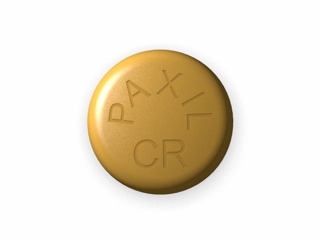
Paxil is a brand of paroxetine, a medicine used to treat several mental health conditions. This page explains how Paxil works, how it’s usually taken, common interactions, and practical tips to help you use it safely. Always follow the advice given by your healthcare professional and the information in the patient leaflet that comes with your medicine.
Quick product overview
| Item | Details |
|---|---|
| Medicine name | Paxil (paroxetine) |
| Medicinal class | Selective serotonin reuptake inhibitor (SSRI) |
| Common uses | Depression, panic disorder, obsessive-compulsive disorder (OCD), social anxiety disorder, generalised anxiety disorder, post-traumatic stress disorder |
| How it works (summary) | Increases serotonin activity in the brain by blocking its reuptake |
| Typical dosing approach | Start low and increase gradually if needed; dose and form depend on the condition |
| Time to benefits | Some improvement may appear after 1–2 weeks; full effect often takes several weeks |
| Key safety topics | Withdrawal symptoms if stopped suddenly; risk of serotonin syndrome with certain medicines; bleeding risk with NSAIDs/anticoagulants; sexual side effects; sleep changes |
What is Paxil (paroxetine)?
Paxil is an antidepressant medicine in the SSRI group. SSRIs help treat a range of conditions that involve mood, anxiety, and intrusive thoughts by adjusting serotonin signalling in the brain.
In the UK, different presentations may be available (for example, tablets and different strengths depending on local supply). Your exact product strength and dosing schedule should match what has been prescribed for you.
How Paxil works (mechanism of action)
Serotonin is a chemical messenger involved in mood, anxiety, appetite, sleep, and many other functions. Paroxetine works by:
- Blocking the serotonin transporter (SERT), reducing the reabsorption of serotonin back into nerve cells.
- Increasing serotonin availability in the synaptic space, which helps regulate mood and anxiety circuits over time.
Although it affects serotonin quickly, symptom improvement typically takes longer because the brain adapts gradually.
Pharmacokinetics (how the body handles paroxetine)
“Pharmacokinetics” describes how a medicine is absorbed, distributed, metabolised, and eliminated.
- Absorption: Paroxetine is absorbed after oral dosing. Peak effects in the body occur within hours.
- Distribution: It spreads through tissues and can cross into body fluids.
- Metabolism: Paroxetine is metabolised mainly in the liver.
- Elimination: It is cleared from the body via metabolism and excretion.
- Half-life: Paroxetine has a relatively intermediate duration of action compared with some other SSRIs, which may influence how withdrawal symptoms occur if it’s stopped abruptly.
Because metabolism and clearance can vary between individuals (for example, due to age, other medicines, and liver function), dosing decisions are personalised.
What Paxil is used for in the UK
Paxil/paroxetine may be used for the following conditions:
- Depression (including major depressive episodes)
- Panic disorder with or without agoraphobia
- Obsessive-compulsive disorder (OCD)
- Social anxiety disorder (social phobia)
- Generalised anxiety disorder
- Post-traumatic stress disorder (PTSD)
Use may depend on local clinical guidance and your specific symptoms, history, and tolerability of other treatments.
Timing: when to take Paxil
Timing can affect comfort and side effects, especially sleep or nausea.
- Once daily: Many people take paroxetine once per day.
- Morning vs evening: If it causes sleepiness, you may be advised to take it in the morning. If it causes insomnia or feels activating, evening dosing may be preferable—follow your prescriber’s advice.
- Consistency: Take it at the same time each day to help maintain steady levels.
How long does it take to work? Some people notice changes in sleep, appetite, or anxiety within the first 1–2 weeks, but mood and anxiety symptoms often require several weeks to improve fully. If you feel worse early on, contact your healthcare professional for advice—don’t stop suddenly without guidance.
Dosing: general principles (individualised)
Dose varies by condition, age, and how you respond. A clinician may start with a lower dose and adjust gradually.
- Start low and titrate: Gradual increases can reduce side effects such as nausea, headache, or sleep disturbance.
- Do not adjust without advice: Changing dose on your own can worsen side effects or destabilise symptoms.
- Duration matters: Even after improvement, continuing treatment for an appropriate period helps reduce the chance of relapse. Do not stop early unless advised.
Missed dose
- If you forget a dose, take it when you remember unless it is close to the next scheduled dose.
- Do not take a double dose to make up for the missed one.
- If you’re unsure, check the leaflet or ask a pharmacist.
Stopping Paxil: important withdrawal information
Paroxetine is known for a higher likelihood of discontinuation symptoms compared with some other antidepressants. If you need to stop, your clinician will usually recommend a gradual taper.
- Do not stop suddenly unless urgent medical advice is given.
- Possible discontinuation symptoms include: dizziness, “electric shock” sensations, nausea, headache, irritability, anxiety, sleep disturbance, and flu-like feelings.
If symptoms occur during tapering, your prescriber may slow the reduction or pause briefly before continuing.
Food interactions: can you take Paxil with meals?
Paroxetine can generally be taken with or without food. However, food may influence how you feel after taking it.
- If you get nausea, taking it with a meal may help.
- If you feel it affects sleep or causes stomach upset, adjusting the time of day can help.
Keep caffeine in mind: While not a direct “interaction,” caffeine can worsen anxiety or insomnia in some people. If your anxiety is improving slowly, consider moderating caffeine and discuss concerns with your healthcare professional.
Alcohol interactions and guidance
It’s generally recommended to avoid or limit alcohol while taking SSRIs. Alcohol can:
- worsen mood symptoms and anxiety
- increase drowsiness or dizziness (especially early in treatment or after dose changes)
- interfere with sleep patterns
If you choose to drink, keep it minimal and monitor how you feel. If you notice worsening depression, agitation, or poor coordination, stop drinking and seek advice.
Interactions with other medicines
Paroxetine can interact with other medicines because of effects on liver enzymes and serotonin signalling. Some combinations can be dangerous.
Medicines that may increase serotonin-related risk
Be particularly cautious with medicines that increase serotonin:
- Other antidepressants (especially MAO inhibitors)
- Linezolid (an antibiotic)
- Triptans (migraine medicines)
- Tramadol (pain relief)
- St John’s wort (herbal product)
Serotonin syndrome is rare but serious. Seek urgent medical help if you experience symptoms such as:
- agitation, confusion
- fever, heavy sweating
- shaking/tremor, muscle stiffness
- fast heart rate, diarrhoea
Medicines affecting bleeding risk
SSRIs can increase bleeding risk, especially when combined with:
- NSAIDs (for example ibuprofen, naproxen, diclofenac)
- aspirin
- anticoagulants (for example warfarin, apixaban, rivaroxaban)
- antiplatelet medicines (for example clopidogrel)
Watch for signs such as unusual bruising, nosebleeds, blood in stool or urine, or vomiting blood. Contact a clinician promptly if these occur.
Other important interaction examples
- Thioridazine and some other medicines with cardiac effects: may require careful review.
- Some antipsychotics and other CNS medicines: may increase side effects such as sleepiness or restlessness.
- Medicines affecting liver metabolism: some drugs can increase paroxetine levels, raising side effects.
- Atomoxetine, certain beta blockers, and other selectively metabolised drugs: may require dose adjustment depending on the regimen.
Always tell your pharmacist and prescriber about all medicines you take, including over-the-counter products and herbal supplements.
Safety profile: side effects and what to do
Like all medicines, Paxil can cause side effects. Many are mild and improve after the first couple of weeks. If side effects are severe or persistent, seek advice.
Common side effects
- nausea, stomach upset
- headache
- sleep changes (drowsiness or insomnia)
- dry mouth
- sweating
- sexual side effects (for example reduced libido or delayed orgasm)
- feeling more anxious at the start of treatment
- tremor or restlessness
Less common but serious risks
- Suicidal thoughts in young people: Some antidepressants can increase risk of suicidal thinking and behaviour in children, adolescents, and young adults, particularly early in treatment or after dose changes. Close monitoring is important.
- Mania or hypomania: In people with bipolar disorder or susceptibility, SSRIs can trigger mood switching. Stop and seek medical help if you have symptoms like unusually elevated mood, decreased need for sleep, rapid speech, or risky behaviour.
- Abnormal bleeding: See guidance above, especially with NSAIDs/anticoagulants.
- Hyponatraemia (low sodium): More likely in older adults, those taking diuretics, or those with dehydration. Symptoms may include confusion, weakness, unsteadiness, or severe headache.
- QT/cardiac concerns: While paroxetine’s cardiac risk is not the same as some other antidepressants, any history of heart rhythm problems should be discussed with your clinician.
- Serotonin syndrome: See interaction section.
Seek urgent help if you have
- signs of serotonin syndrome
- thoughts of harming yourself
- severe allergic reaction (swelling of face/lips, difficulty breathing)
- uncontrollable agitation, fever, or severe confusion
Practical use tips (patient-friendly)
- Give it time: Don’t judge the medicine after only a few days. Improvement often builds gradually.
- Track early effects: Keep brief notes on sleep, anxiety, appetite, and side effects. This helps your healthcare professional fine-tune dosing.
- Plan for nausea: Taking with food and staying hydrated can help. If nausea is troublesome, ask about supportive options.
- Expect possible sleep changes: Adjust the time of day only with professional guidance.
- Avoid sudden stopping: If you want to stop, arrange a taper with your clinician.
- Be careful when driving or operating machinery until you know how Paxil affects you—especially when starting or changing dose.
- Use a medication reminder (phone alarm, calendar) to reduce missed doses.
Alternative options (if Paxil isn’t suitable)
If Paxil/paroxetine doesn’t work well, causes troublesome side effects, or isn’t appropriate for you, several other treatment options may be considered. Your clinician may suggest one of the following categories:
Other antidepressants (SSRIs and beyond)
- Other SSRIs such as sertraline, citalopram, or fluoxetine
- SNRI antidepressants such as venlafaxine or duloxetine
- Other classes depending on your condition (for example mirtazapine for sleep/appetite issues in some people)
Non-medicine options
- Talking therapies (such as CBT), which are often recommended alongside or instead of medication for anxiety and depression.
- Structured support, lifestyle adjustments, and relapse-prevention planning.
Your best alternative depends on your diagnosis, other health conditions, and what side effects you experienced.
UK market and legal context (high-level)
In the United Kingdom, medicines like Paxil (paroxetine) are regulated and supplied according to UK medicines law and local clinical practice. Antidepressants are typically managed under structured care pathways, with safety monitoring and patient information provided in accordance with UK regulatory guidance.
Pharmacies and clinicians must follow relevant UK requirements for identification, safe supply, and appropriate counselling. Availability, pack sizes, and presentations may vary by supplier and pharmacy stock.
Recent guidance and safety monitoring (UK context)
Clinical practice in the UK emphasises:
- Careful assessment before starting (diagnosis, severity, past treatment response, comorbidities).
- Monitoring after starting and after dose changes, especially in younger people.
- Reviewing tolerability and ensuring a safe plan for continuing or stopping.
- Clear patient counselling about discontinuation symptoms and interactions.
If you’re taking Paxil and you’re unsure about monitoring or side effects, your pharmacist or GP practice can provide reassurance and next steps.
Delivery and availability
Availability can vary across the UK depending on local stock and supply chains. Where available through online pharmacy services, Paxil may be offered in standard strengths and pack sizes.
- Stock status: Some products may be available immediately; others may have limited stock.
- Packaging: Medicines are dispatched in appropriate pharmacy packaging with protective labelling.
- Delivery times: Delivery depends on your location and courier schedules.
- Cold-chain: Paxil does not generally require cold-chain shipping.
If your preferred strength is temporarily unavailable, you may be offered an alternative pack size or an equivalent product, subject to pharmacy policy and prescriber advice.
How to store Paxil
- Store according to the instructions on the pack (commonly at room temperature).
- Keep out of sight and reach of children.
- Do not use after the expiry date.
- Return unwanted or expired medicines to a pharmacy take-back service where available.
FAQ — Paxil (paroxetine)
1) Is Paxil the same as paroxetine?
Yes. Paxil is a brand name that contains paroxetine, an SSRI antidepressant.
2) When will I feel better?
Some people notice improvements in anxiety, sleep, or physical symptoms within 1–2 weeks. Full benefits often take several weeks. If you don’t feel better after the time your clinician expects, contact them to discuss whether dose adjustment or a different approach is needed.
3) Can I stop Paxil suddenly?
No. Stopping abruptly can cause discontinuation symptoms. If you need to stop, ask your healthcare professional for a gradual taper plan.
4) What should I do if I miss a dose?
Take it when you remember unless it’s close to the next scheduled dose. Do not double up. If you’re unsure, ask a pharmacist.
5) Does Paxil cause weight gain?
Some people experience weight changes with SSRIs. The degree varies. If weight gain or appetite changes occur, discuss it with your clinician; dietary and lifestyle adjustments may help, and alternative treatments can be considered.
6) Can I drink alcohol while taking Paxil?
It’s generally recommended to avoid or limit alcohol. Alcohol can worsen mood and anxiety and increase tiredness or dizziness. If you choose to drink, keep it minimal and monitor your response.
7) Are there medicines I must avoid?
Certain combinations carry serious risks, including MAO inhibitors and other medicines that affect serotonin. Also use caution with drugs that increase bleeding risk (such as NSAIDs or anticoagulants). Always tell your pharmacist about all medicines and supplements.
8) What are the signs of a serious reaction?
Seek urgent medical help for symptoms such as severe allergic reaction, signs of serotonin syndrome (agitation, fever, sweating, tremor, diarrhoea), severe confusion, or any sudden worsening with thoughts of self-harm.
9) Can Paxil affect sleep?
Yes. Paroxetine may cause either drowsiness or insomnia. If sleep is affected, your clinician may recommend changing the time you take it or adjusting the dose.
10) What if I experience sexual side effects?
Sexual side effects are possible with SSRIs. Don’t stop without advice—speak with your healthcare professional. Sometimes switching medication, adjusting dose, or managing timing can help.
Important: This information is for education and should not replace advice from a healthcare professional. If you have specific questions about Paxil for your situation, contact your prescriber or pharmacist.