Pentasa (Mesalazine) – Patient-Friendly Guide (UK)
Pentasa is a well-known medicine containing mesalazine (also called mesalamine). It is used to treat inflammatory bowel disease (IBD), particularly conditions affecting the lining of the bowel. This guide explains how Pentasa works, how it is taken, what to expect, and important safety information—written to be clear and practical for everyday use in the United Kingdom.
1) Basic product information
| Feature | Details |
|---|---|
| Active ingredient | Mesalazine (mesalamine) |
| Brand | Pentasa |
| Medicinal type | Aminosalicylate (5-ASA) anti-inflammatory medicine |
| Main uses | Ulcerative colitis; Crohn’s disease (selected cases) |
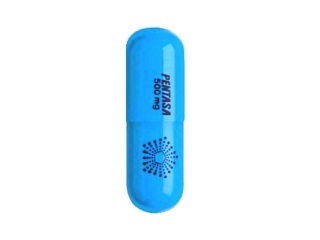
| Common formulation | Usually prolonged-release/modified-release granules or tablets (exact form varies by product) |
Pentasa products are designed to deliver mesalazine to the intestinal lining where it helps reduce inflammation. You may see different presentations depending on strength and local availability.
2) How Pentasa works (mechanism of action)
Mesalazine is an anti-inflammatory medicine. In IBD, the gut lining becomes inflamed and damaged. Pentasa helps by acting directly on the inflamed bowel wall.
While the precise mechanism is complex, mesalazine is thought to help by:
- Reducing inflammatory signalling in the intestinal mucosa.
- Acting locally in the gut, aiming to bring inflammation under control.
- Supporting immune regulation in the gut lining, which can reduce symptoms such as diarrhoea and rectal bleeding.
Because it is designed for local delivery, the medicine may work differently from medicines that act mainly throughout the whole body.
3) Pharmacokinetics (how the body handles it)
“Pharmacokinetics” describes what the body does to a medicine—absorption, distribution, metabolism, and elimination.
Absorption and delivery to the bowel
Pentasa formulations are designed to release mesalazine along the intestine. The goal is to maintain therapeutic levels in the gut wall, rather than relying solely on whole-body absorption.
Metabolism
Mesalazine is partly metabolised to inactive compounds, including N-acetyl-5-aminosalicylic acid (N-acetyl-ASA).
Excretion
Elimination occurs mainly via the kidneys and partly through the faeces. Because of this, kidney health is an important consideration during treatment.
Your exact experience may vary depending on the specific Pentasa product you use and your bowel condition.
4) Typical uses in the UK
Pentasa is used for inflammatory bowel conditions. The main indications are:
- Ulcerative colitis — to induce and maintain remission (reduce flares and keep symptoms controlled).
- Crohn’s disease — particularly when affecting the colon or ileum in appropriate circumstances (your clinician will determine suitability based on the pattern of disease).
Pentasa is a cornerstone “maintenance” treatment for many people with mild-to-moderate disease or for preventing relapse. It may be used during active phases as part of a broader management plan.
5) When to take Pentasa (timing and routine)
For best results, follow the schedule given with your specific Pentasa product. In general, mesalazine medicines are taken regularly to maintain the anti-inflammatory effect.
Practical timing tips
- Take at the same times each day to keep levels steady.
- If you take once daily, choose a time you can stick to.
- If you take twice daily, take one dose in the morning and one in the evening.
- Do not miss doses—missed doses can reduce control and increase the risk of flare-ups.
What about missed doses?
If you miss a dose, take it when you remember if it’s not too close to the next dose. If the next dose is near, skip the missed dose and continue normally. Avoid doubling up.
6) Food interactions and eating guidance
Pentasa can usually be taken with or without food, but individual advice depends on the formulation you’re using.
General guidance:
- Choose a routine that suits you (for example, with breakfast and/or evening meal).
- If your stomach feels unsettled, taking it with food may improve comfort.
If you are unsure, check the patient information leaflet for your exact Pentasa product or speak with your pharmacist.
7) Alcohol and medicine interactions
In most people, moderate alcohol intake is not directly contraindicated with mesalazine. However, alcohol may worsen gastrointestinal symptoms (such as diarrhoea or abdominal discomfort) and may trigger flare symptoms in some individuals.
Common-sense recommendations
- Start cautiously and observe how your gut responds.
- Avoid heavy drinking during a flare or if you notice symptom worsening.
- If you take other medicines for IBD (such as steroids, immunomodulators, or biologics), ask your healthcare team about combined effects and monitoring.
Other medicine interactions to be aware of
Mesalazine can interact with certain medicines—mainly those that affect the kidneys or the blood. Examples of interaction concerns may include:
- Non-steroidal anti-inflammatory drugs (NSAIDs) such as ibuprofen or diclofenac (may increase kidney-related risk in susceptible people).
- Other kidney-affecting medicines (your clinician/pharmacist can advise if any apply to you).
- Anticoagulants (blood thinning medicines) — monitoring may be needed depending on your overall treatment plan.
Always provide your full medication list to your pharmacist, including over-the-counter medicines and herbal products.
8) Indications: who Pentasa is for
Pentasa is indicated for certain inflammatory bowel diseases. In practice in the UK, clinicians most commonly use mesalazine-based treatment for:
- Ulcerative colitis (mild to moderate, and sometimes more severe cases depending on overall plan), including:
- when symptoms flare (induction of remission), and
- to help prevent relapses (maintenance).
- Crohn’s disease affecting areas where mesalazine is considered appropriate, often when inflammation is limited to certain regions.
Suitability depends on disease extent, severity, prior response to treatment, and other factors such as bowel imaging and lab tests. Pentasa may be part of combination therapy in some patients.
9) Dosing: what’s typical and what varies
Dosing of Pentasa depends on the condition, severity, formulation, and individual response. Below is patient-friendly information on how dosing commonly differs. Your exact dose should match the instructions for your specific product strength and form.
Typical dosing patterns (general guidance)
- Ulcerative colitis: doses may be higher during active flare treatment and then reduced/adjusted for long-term maintenance.
- Crohn’s disease: dosing may vary depending on bowel involvement and treatment goal.
Important: Do not change the dose yourself.
How to take Pentasa correctly
- If you have modified-release granules, take them as directed. Many formulations must be swallowed whole; some granule instructions specify mixing or careful administration—follow your leaflet exactly.
- Do not crush or chew unless the patient information for your exact product allows it.
- Use a consistent routine to help you remember doses.
Monitoring during treatment
Many people on mesalazine medicines have periodic blood and urine tests to check:
- kidney function
- full blood count (as a safety measure)
- liver-related parameters if your clinician requests them
Monitoring schedules vary by patient risk and local clinical practice.
10) Safety profile: side effects and when to seek help
Like all medicines, Pentasa can cause side effects. Many people tolerate mesalazine well, but it’s important to know what to watch for.
Common or mild side effects (may occur)
- nausea or mild stomach discomfort
- headache
- diarrhoea or changes in bowel habit (which can be hard to distinguish from IBD activity)
Serious side effects (seek urgent medical advice)
Contact a healthcare professional promptly if you experience symptoms that could indicate serious reactions, such as:
- Signs of an allergic reaction: sudden rash, swelling of the face/lips, wheezing, or trouble breathing.
- Kidney problems: reduced urine output, swelling, severe/flank pain, or unusual fatigue.
- Blood-related issues: unusual bruising, persistent sore throat, fever, or severe weakness.
- Severe or persistent worsening of gut symptoms with fever or feeling very unwell (especially if this is new or rapidly progressing).
If you are concerned about symptoms, it’s better to get advice early than to wait.
Medication precautions
- Kidney disease: people with reduced kidney function may need extra caution and closer monitoring.
- Liver or blood disorders: your clinician may monitor more closely.
- Asthma or allergy history: discuss any relevant history with your pharmacist or prescriber.
11) Practical use tips for everyday success
Make it easier to stick to treatment
- Link doses to routine: take Pentasa with breakfast and/or evening meal.
- Use a pill organiser if your formulation allows and your pharmacist agrees.
- Set reminders on your phone or watch.
Know your formulation
Pentasa may come in different forms. Each has specific instructions (especially for modified-release products). Keep the packaging so you can refer to the correct instructions.
Track symptoms and triggers
To support shared decision-making, it can help to note:
- bowel movement frequency
- blood in stool
- abdominal pain
- fever or fatigue
- possible triggers (diet changes, missed meals, stress, infections)
12) What to expect: timing of benefits
Some people notice improvement within days, while for others it can take longer. Maintenance benefits—keeping remission—often become clearer over weeks of consistent use.
If symptoms worsen despite taking Pentasa regularly, contact a clinician. Ongoing uncontrolled inflammation may require adjustments to therapy.
13) Alternative options for IBD when appropriate
If Pentasa isn’t suitable, doesn’t fully control symptoms, or causes side effects, there are other treatment options. The choice depends on your IBD type (ulcerative colitis vs Crohn’s), extent of disease, previous response, and safety considerations.
Alternative aminosalicylates (5-ASA)
- Other mesalazine brands or formulations
- Other 5-ASA prodrugs designed for bowel release (depending on region and formulation availability)
Other medicine categories
- Corticosteroids for short-term flares (not usually for long-term maintenance)
- Immunomodulators in selected patients
- Biologic therapies for moderate-to-severe disease
- Other targeted agents depending on the clinical situation
A pharmacist or clinician can explain which alternatives are most appropriate for your situation and how switching is handled.
14) UK market and legal context (patient information)
In the United Kingdom, Pentasa (mesalazine) is widely used for inflammatory bowel disease and is available through NHS and private routes where clinicians determine suitability. Medicines are regulated by UK medicines authorities and must meet standards for quality, safety, and effectiveness.
Availability may vary by strength and formulation. Online pharmacies may offer different brands or presentations of mesalazine depending on supply and licensing requirements.
Recent guidance and practical updates
Guidance for IBD care in the UK continues to emphasise:
- Early assessment of symptoms and confirmation of diagnosis/activity.
- Treat-to-target principles (aiming for symptom control and reduced inflammation).
- Regular monitoring for safety and response, including lab tests when indicated.
- Optimising adherence to maintenance therapies such as mesalazine when appropriate.
Local protocols may update over time; your healthcare team can provide the most current plan for your care.
15) Delivery and availability from an online pharmacy (UK)
When ordering online, availability depends on stock levels, the exact Pentasa formulation/strength, and current supply schedules. Delivery times may vary by service type and postcode.
What to check before ordering
- The exact product (strength and form) you need.
- Any storage requirements listed on the packaging (many medicines are stored at room temperature; confirm for your product).
- That your order matches your intended dose schedule to avoid missed or extra supplies.
Packaging and keeping track of supply
- Check that the packaging is sealed and intact on arrival.
- Store the medicine as directed and keep it out of sight and reach of children.
- Reorder before you run out to avoid interruption.
16) FAQ – Pentasa (Mesalazine)
Is Pentasa the same as mesalamine?
Yes. Pentasa contains mesalazine, which is the same medicine as mesalamine (different spelling used in different countries).
How long does it take to work?
Some people notice symptom improvement within days, but it can take longer. For maintenance and prevention of flares, benefits typically build over weeks with consistent use.
Can I take Pentasa if I’m breastfeeding or planning pregnancy?
Many people can use mesalazine during pregnancy and breastfeeding, but individual suitability depends on your medical history and disease activity. Speak with your healthcare team for personal advice. If you are trying to conceive, it’s helpful to plan ahead so medication decisions are made safely.
What should I do if I miss a dose?
Take it when you remember if it’s not too close to the next dose. If the next dose is near, skip the missed one and continue as normal. Don’t double the dose.
Does Pentasa interact with ibuprofen or other painkillers?
There can be interaction concerns, particularly related to kidney health, so it’s best to check with a pharmacist. If you need pain relief regularly, ask which options are safest for you.
Is it safe to drink alcohol?
Moderate alcohol is not usually directly prohibited, but it can worsen gut symptoms in some people. If you choose to drink, do so cautiously and monitor for any flare or worsening symptoms.
What monitoring is needed while taking Pentasa?
Many patients have periodic blood and urine tests to monitor kidney function and general safety. Your clinician decides the frequency based on your personal risk factors and local practice.
Can Pentasa cure IBD?
Pentasa is designed to control inflammation, induce remission, and help maintain remission. It is not usually considered a cure, but it can significantly improve quality of life and reduce flare frequency.
What if my symptoms keep returning?
If symptoms continue despite good adherence, you may need assessment for disease activity, review of dose and formulation, and possibly additional or alternative therapies. Contact your healthcare team promptly.
Summary
Pentasa (mesalazine) is a locally acting anti-inflammatory medicine used for inflammatory bowel disease—most commonly ulcerative colitis and in selected cases of Crohn’s disease. It helps reduce inflammation in the bowel lining and is often used for both flare control and long-term maintenance. With consistent daily use and appropriate safety monitoring (especially kidney-related checks), many people can achieve good symptom control. If you notice new or worrying side effects, or if symptoms worsen, seek medical advice without delay.