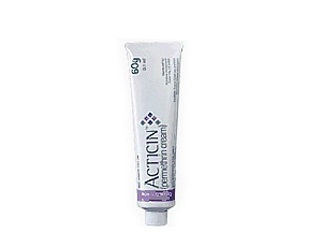
Permethrin – Insecticide Lotion/Cream for Itch Relief in UK Homes
Permethrin is a widely used medicine for treating certain skin infestations caused by parasites. It works by targeting the nervous system of the parasite, helping to stop them from spreading and causing symptoms such as intense itching. In the United Kingdom, permethrin-containing products are commonly used for conditions like scabies and certain types of lice (depending on the specific preparation and strength).
This guide is written to help you understand what permethrin is, how it works, how to use it effectively, and what to expect. Always read the patient information leaflet supplied with your specific product, because concentration and instructions can vary.
Basic product information
| Topic | Details |
|---|---|
| Active ingredient | Permethrin |
| Common forms | Lotion, cream or emulsion (product varies by indication) |
| Typical strength | Often 5% for scabies preparations; other strengths exist for other conditions |
| How it is used | Applied to the skin or affected hair/scalp area, depending on product |
| Who it may be used for | Based on the condition and age group in the leaflet (paediatric use varies) |
| Main goal | Kill parasites and reduce symptoms |
Important: Permethrin products are designed for specific conditions and application methods. Using the wrong product (for example, mixing scabies and head lice instructions) can reduce effectiveness.
Mechanism of action
Permethrin belongs to the group of insecticides called pyrethroids. It works by affecting the parasite’s nervous system:
- Permethrin interferes with the function of voltage-gated sodium channels.
- This leads to abnormal nerve firing, paralysis, and ultimately death of the parasite.
- Because it acts locally where it is applied, the medicine is formulated to reach the parasite on the skin or hair/scalp area.
In scabies, the goal is to kill the mites and reduce the ongoing trigger for itch. In head lice, the goal is to kill live lice and help prevent further infestation (product instructions will guide whether repeat treatment is needed).
Pharmacokinetics (how the body handles permethrin)
Pharmacokinetics describes how a medicine is absorbed, distributed, metabolised, and eliminated. For permethrin:
- Absorption: When used as directed on the skin, systemic absorption is generally low. Absorption can increase if large areas are treated, skin is inflamed, or there are extensive skin breaks.
- Distribution: Only small amounts enter the bloodstream, so widespread effects are uncommon when used properly.
- Metabolism: Any absorbed permethrin is metabolised mainly in the liver.
- Elimination: Metabolites are excreted, primarily through the kidneys (in urine).
For most people, the amount absorbed is small enough that adverse systemic effects are unlikely when permethrin is used correctly.
Typical uses in the United Kingdom
Depending on the product and strength, permethrin is used to treat:
- Scabies (itch mite infestation). This is one of the most common reasons people use permethrin in the UK.
- Head lice (for appropriate permethrin-based lice treatments, following the leaflet instructions for that specific product).
Permethrin is not a general antiseptic or a general-purpose “skin treatment.” It is intended for specific parasitic infestations.
When to apply and treatment timing
Timing is critical for success because parasites and eggs may survive initial treatment. Your leaflet will specify whether a second application is needed and when.
Common timing principles
- Apply to clean, dry skin or scalp/hair as directed.
- Leave on for the specified time (do not shorten or extend beyond instructions unless advised).
- Repeat treatment if instructed. For some conditions (especially scabies and head lice), repeating at an interval helps ensure eggs or newly hatched parasites are addressed.
- Household/environment measures may also be needed, particularly for scabies and lice.
What symptoms may feel like after treatment
After treating scabies, itching can continue even after mites are killed. This does not always mean treatment failed; inflammation and hypersensitivity can persist for days to weeks. If symptoms worsen significantly or fail to improve, seek further advice.
Food interactions
Permethrin is applied to the skin (or scalp/hair), not taken by mouth. As a result, food interactions are not expected in most cases.
However, if your product instructs you to avoid eating/handling certain situations while applying (for example, if it gets near the mouth or hands), follow those directions.
Alcohol and medicine interactions
Alcohol interactions are not generally expected with topical permethrin because systemic absorption is low. Still, keep the treated area clean and avoid getting product into the mouth.
Drug interactions with other medicines: Because permethrin exposure is typically local and minimal, clinically significant interactions are uncommon. However, if you are using other topical medicines (creams, steroids, antiseptics), it’s best to follow the leaflet guidance and your pharmacist’s advice about whether to apply them at the same time or at different times.
Indications: when permethrin is appropriate
Permethrin is indicated for particular parasitic conditions. It is appropriate when:
- You have been diagnosed with or strongly suspect scabies and the leaflet instructions match your product.
- You are treating head lice with a permethrin-based lice treatment intended for that purpose.
Seek medical or pharmacy advice if:
- You are unsure of the diagnosis (for example, symptoms can resemble eczema or other skin conditions).
- The person being treated has widespread skin disease, is very young, is pregnant, or has complex medical needs—always check the leaflet for age and special precautions.
- There are signs of infection in skin lesions (increasing redness, heat, swelling, pain, or pus).
Dosing and how to use permethrin correctly
Dosing depends on the specific condition and the exact product concentration. Always follow the leaflet for your product. The sections below describe common general dosing principles, but they are not a substitute for the instructions supplied with your medicine.
General dosing principles (scabies)
- Quantity: Use enough to cover the entire body area specified in the leaflet.
- Application: Apply thinly but thoroughly, including commonly missed areas (for example, between fingers and toes, around wrists, ankles, and other sites specified for the age group).
- Timing: Leave on for the time stated by the leaflet, then wash off as directed.
- Repeat dose: Many scabies treatments include a planned repeat application at an interval (commonly around 7 days), but follow your exact product instructions.
General dosing principles (head lice)
- Application to hair/scalp: Apply the lotion or emulsion to damp or dry hair depending on leaflet instructions, ensuring thorough coverage of the scalp and hair.
- Comb support: Often, treatments work best when combined with combing to remove lice and nits (eggs). Use the comb provided or one recommended by the leaflet.
- Repeat dose: Many lice regimens require repeat treatment after about a week, but this depends on the product—confirm in the leaflet.
Step-by-step practical use tips
- Check the label for the exact indication and age guidance.
- Prepare the skin/hair as instructed (usually clean and dry for scabies, and prepared according to the lice product instructions).
- Apply carefully to the areas described—don’t skip folds or commonly missed sites.
- Avoid eyes and mucous membranes. If accidental contact occurs, rinse with water immediately.
- Use only the amount required. More is not better and may irritate skin.
- Wash off at the correct time.
- Clean clothing/bedding/environment if treating scabies or head lice, as recommended by the leaflet and local health guidance.
- Monitor symptoms and follow up if treatment does not seem to work.
Safety profile and side effects
Like all medicines, permethrin can cause side effects, although not everyone gets them. Most side effects are local and mild, relating to application.
Common or mild side effects
- Skin irritation such as redness or mild burning/stinging
- Itchiness (may be similar to the underlying condition)
- Dryness or mild rash at the application site
Less common reactions
- More pronounced skin inflammation
- Allergic-type reactions (rare)
When to stop and seek advice urgently
Get prompt medical advice if you develop signs of a severe allergic reaction such as:
- Swelling of the face, lips, or throat
- Difficulty breathing
- Severe widespread rash or hives
Special considerations
- Children and infants: Follow the leaflet dosing and age guidance closely.
- Pregnancy and breastfeeding: Check the leaflet and speak to a pharmacist/clinician for advice before use.
- Broken or very inflamed skin: Tell your pharmacist if skin is severely damaged; absorption may be higher.
- Eye and mouth area: Avoid application near the eyes. For lice treatments, follow specific instructions for facial areas.
Practical use tips for better results
Many treatment failures are due to incomplete coverage, mistimed repeats, or inadequate household measures. These tips can improve success:
- Follow the repeat schedule: do not skip the second application if your product requires it.
- Treat close contacts if advised: for scabies, household and close contact management is often essential.
- Use the comb (for lice): combing removes lice and helps reduce egg burden.
- Wash/heat treat fabrics if instructed: bedding, towels, and clothing used close to the treatment time may need cleaning.
- Be patient with itch: itch can continue after scabies is eradicated. If itch improves gradually, treatment likely worked.
- Avoid over-application: repeating too frequently may irritate skin without improving outcomes.
Alternative options (UK)
If permethrin is unsuitable or doesn’t work, there may be alternative medicines or approaches depending on the condition and local guidance. Options can include other topical insecticides and non-medicinal strategies.
For scabies
- Other scabicides (for example, treatments containing different active ingredients) may be considered depending on availability and suitability.
- Supportive care such as emollients and anti-itch measures can help symptoms.
For head lice
- Other lice treatments with different active ingredients may be used.
- Wet combing and careful nits removal may be recommended as part of management.
Important: Because resistance can occur in some lice populations and because conditions may be misdiagnosed, it is sensible to speak with a pharmacist if you have already tried a product without success.
Market and legal context for the UK
In the UK, the availability and classification of medicines are regulated to ensure appropriate safe use. Permethrin products are typically marketed for parasitic infestations and come with patient information leaflets and clear instructions on where and how to apply.
Consumer access may differ by product type and strength—for example, some formulations are sold as over-the-counter options, while others may be supplied through regulated routes. Regardless of route, the label instructions are essential for correct dosing and safe use.
Always check: the product’s packaging for the intended indication (scabies vs head lice), strength, and age suitability.
Recent guidance and practical public health advice
General UK public health messages emphasise:
- Correct identification of scabies or lice before treating.
- Timely repeat treatment where recommended by the product leaflet.
- Treating close contacts when scabies is suspected, because untreated contacts can reintroduce infestation.
- Good cleaning of fabrics and bedding where indicated, particularly for lice and scabies.
- Managing itch after treatment with supportive skin care and approved symptom relief measures.
Because local advice can evolve, it’s wise to check the leaflet and consult a pharmacist if you’re unsure about whether to treat contacts or how to handle clothing and bedding.
Delivery and availability (United Kingdom)
Permethrin-containing products are generally available through pharmacies and online pharmacy retailers in the UK, subject to product availability and supply. Delivery typically follows standard UK postal and courier services.
Delivery considerations:
- Order processing time can vary by retailer.
- Some items may be shipped in branded packaging.
- Check the estimated delivery window displayed at checkout.
Availability: Stock can vary. If your preferred permethrin preparation is temporarily out of stock, the pharmacy may suggest an alternative within the same indication.
FAQ about Permethrin
1. Does permethrin kill the parasite immediately?
Permethrin is designed to kill parasites after application. However, symptom relief (especially itching) may not be immediate. For scabies, itching can continue for days to weeks due to skin inflammation, even when mites are dead.
2. How long should I leave permethrin on my skin?
Leave it on for the exact duration stated in the leaflet for your specific product. Do not shorten or extend the time, as effectiveness and irritation risk can change.
3. When will my itching stop?
Itching can persist after successful scabies treatment. The trend should be gradual improvement over time. Seek advice if symptoms worsen, new lesions appear after the recommended schedule, or there is evidence of infection.
4. Do I need to treat everyone in my household for scabies?
Often, yes—close contacts may need treatment to prevent reinfestation. Follow the leaflet instructions and seek pharmacist advice for your household situation, especially if there are children or multiple itchy contacts.
5. Can I wash after applying permethrin?
Yes, but only at the correct time specified in the leaflet. Washing too early can reduce effectiveness.
6. Is permethrin safe for children?
Permethrin products may be suitable for children depending on age and the product used. Always confirm suitability and dosing from the leaflet and follow instructions carefully, particularly around the eyes and facial areas.
7. What if I accidentally get permethrin in my eyes?
Rinse immediately with water for several minutes and seek further advice if irritation continues.
8. Can I use other creams at the same time?
You may be able to use moisturisers or other treatments, but it’s best to follow the leaflet and ask a pharmacist if you’re using multiple topical products. Applying multiple products at once may dilute or interfere with the intended effect.
9. Will permethrin work if I reapply too soon?
Reapplying too early can increase skin irritation and may not improve outcomes. Follow the leaflet’s repeat timing.
10. Are there food, alcohol, or medicine interactions?
Food interactions are not expected with topical permethrin. Alcohol interactions are also unlikely. Significant medicine interactions are uncommon due to low systemic absorption, but always tell a pharmacist about all medicines and products you use, especially other topical treatments.
Key takeaways
- Permethrin is a pyrethroid insecticide used for parasitic skin infestations such as scabies and certain lice conditions (depending on the product).
- It works by disrupting the parasite’s nervous system.
- Systemic absorption from skin is generally low when used as directed.
- Success depends on proper application, correct timing, and (for many conditions) repeat treatment and contact/environment measures.
- Itch may persist after scabies treatment; that can be part of the healing process.
- Always follow the leaflet for your exact product, especially regarding age guidance and repeat schedules.
Need help choosing the right approach? If you’re unsure whether your symptoms fit scabies, head lice, or another skin condition, speak to a pharmacist. Correct identification helps ensure you use the right product and achieve the best results.