
Mebendazole: Patient-Friendly Guide (UK)
Mebendazole is an anti-parasitic medicine used to treat certain worm and parasite infections. It works by stopping parasites from using the energy they need to survive, allowing your body to clear the infection. This guide explains what mebendazole is, how it works, how to take it safely, and what to expect.
Important: This information is for general education and does not replace advice from a healthcare professional. If you are unsure which infection you have, or you are not getting better, seek medical advice promptly.
Basic product information
| Category | Details |
|---|---|
| Medicine | Mebendazole |
| What it treats | Selected intestinal worm infections (e.g., threadworms/pinworm, roundworm, whipworm, hookworm), and some other parasitic conditions as advised |
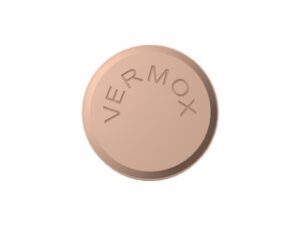
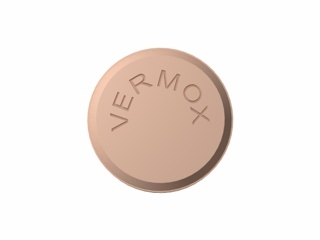
| Common formulations | Tablets or chewable tablets; some markets also have oral suspension depending on brand and strength |
| How it is taken | By mouth (swallowed with water or chewed as directed) |
| Typical course | Often a single dose with a repeat dose after a short interval for certain infections (exact regimen depends on the condition) |
How mebendazole works (mechanism of action)
Mebendazole belongs to the benzimidazole group of anti-parasitic medicines. It interferes with the parasite’s internal functioning in two key ways:
- Blocks energy production: It inhibits the parasite’s ability to use glucose (a vital energy source).
- Disrupts cellular structure: It affects the formation and maintenance of the parasite’s microtubules (structures needed for survival and growth).
Because of this, the worm or parasite becomes unable to live and reproduce, and it is gradually eliminated from the body.
Pharmacokinetics (how the body handles it)
Pharmacokinetics describes how the medicine is absorbed, distributed, metabolised, and excreted.
- Absorption: Mebendazole is absorbed only to a limited extent from the gut. Absorption can vary depending on formulation and whether it is taken with food.
- Metabolism: After absorption, it is metabolised mainly in the liver.
- Elimination: Most of the drug and its metabolites are eliminated through the digestive system and urine, depending on dose and individual factors.
- Half-life: The elimination half-life is typically in the range of a few hours, but clinical effect depends more on parasite exposure and dosing schedule than on how quickly levels fall in blood.
Practical takeaway: Even with limited absorption, mebendazole can be effective against many intestinal worm infections because it reaches therapeutic levels in the gut where the parasites live.
Typical use in the UK
Mebendazole is commonly used for intestinal worm infections. In the UK, one of the most frequent reasons people consider it is threadworm (pinworm), particularly in children and households where infections spread easily.
It is also used for other worm types depending on the diagnosis, symptoms, and local clinical guidance.
Common indications (conditions it may be used for)
- Threadworm (Enterobius vermicularis)
- Roundworm (Ascaris lumbricoides)
- Whipworm (Trichuris trichiura)
- Hookworm (Ancylostoma duodenale / Necator americanus)
- Some other parasitic infections may be treated under specialist or guideline-based regimens
Note: The most appropriate treatment depends on the organism involved and your age, weight, and health status. If symptoms are severe or persistent, or if you suspect an unusual infection (for example after travel), seek clinical advice.
Timing: when to take it and how to space doses
The timing of doses varies by infection and dose regimen. Many common regimens use a short course with a repeat dose to target worms that survive the first dose or hatch later.
General guidance you may see
- Threadworm: Often a single dose is followed by a repeat dose about two weeks later to reduce reinfection from newly hatched worms.
- Other intestinal worms: May require a single or multi-day course, depending on the type and severity.
Take your dose as directed on the label/packaging or by your clinician. If the medicine is taken at the wrong interval, treatment may be less effective.
Food interactions (what to eat when taking mebendazole)
Mebendazole can generally be taken with or without food, depending on the product instructions. However, food may influence how much is absorbed.
- If your stomach is sensitive: Taking with a small meal or snack can reduce nausea for some people.
- Do not take with large amounts of alcohol (see alcohol section) and avoid extremes like heavy, fatty meals if your label advises it—follow the product instructions.
Practical tip: If you already know your absorption tends to be lower, consistent timing (same meal type each time) can help reduce variability between doses.
Alcohol and medicine interactions
There are no commonly reported dangerous interactions between mebendazole and alcohol for typical short courses. That said, alcohol can worsen stomach upset or dizziness in some individuals.
Alcohol
- Recommended approach: If possible, limit or avoid alcohol while you’re taking the medicine, especially if you experience nausea or stomach discomfort.
- Seek advice: If you have liver disease or your clinician has previously advised you to avoid alcohol, follow that advice strictly.
Other medicines
Always check the specific product leaflet for your brand and strength. Some medicines may alter liver metabolism or interact with the way mebendazole is processed.
- Liver-impacting medicines: If you take medicines that can affect the liver, discuss mebendazole use with a pharmacist or clinician before starting.
- Enzyme inducers/inhibitors: Some medicines can change metabolism pathways in the liver, potentially affecting drug levels.
- Warfarin (where relevant): Interactions are not commonly highlighted for short-course use, but if you take warfarin or other anticoagulants, it’s best to ask a pharmacist for confirmation.
Medication review tip: If you take more than one medicine (including herbal products), have a pharmacist check for interactions.
Dosing: how much and for whom
Dosing depends on the type of parasite, the patient’s age and weight, and the specific product strength. Always follow the instructions supplied with your medication.
Common dosing patterns include:
- Threadworm (pinworm): Many regimens use a dose based on age, followed by a repeat dose after about two weeks.
- Other intestinal worms: Courses may last from a few days to longer depending on diagnosis.
To avoid dosing errors:
- Use the exact strength on your pack (for example, 100 mg chewable tablets are not the same as other strengths).
- If you are using an oral suspension, use the measuring device supplied and measure carefully.
- Do not double doses to “make up” for a missed dose unless instructed.
Typical adult and child considerations
- Children: Dosing is usually age/weight-based. Some formulations may be more suitable for younger children.
- Pregnancy and breastfeeding: Use should be discussed with healthcare professionals. Many people prefer to seek advice before starting treatment, especially during the first trimester.
- People with liver problems: Longer courses or higher dosing may increase risk; medical advice is important.
Because dosing varies by condition and product strength, the most reliable dosing information is the leaflet for your exact mebendazole product.
Safety profile: what to know before taking mebendazole
Mebendazole is generally well tolerated when used for appropriate worm infections. Side effects are usually mild and temporary, especially for short courses.
Common side effects
- Abdominal pain or cramps
- Nausea
- Diarrhoea or loose stools
- Headache
- Dizziness in some people
Less common but important effects
- Allergic reactions (rare): rash, itching, swelling, breathing difficulty—seek urgent help if these occur.
- Changes in blood counts (more relevant with prolonged or higher dosing)
- Liver effects (uncommon with short courses; risk increases with long-term use and higher doses)
When to seek medical advice
- Symptoms are severe, worsening, or not improving after treatment
- You develop signs of liver trouble (yellowing of skin/eyes, dark urine, unusual tiredness)
- You suspect a type of infection outside typical intestinal worms
- Your child is very young or has complex medical conditions
Practical use tips (to improve success and reduce reinfection)
Anti-worm medicine works best when paired with hygiene measures, particularly for threadworm, which spreads easily within households.
Hygiene and household measures (especially for threadworm)
- Handwashing: Wash hands thoroughly after using the toilet and before eating.
- Keep nails short: This reduces egg transfer from under fingernails.
- Morning bathing: Consider bathing or showering in the morning to remove eggs laid overnight.
- Clean bedding and underwear: Change daily during treatment period as recommended by your clinician or pack leaflet.
- Limit close contact: Avoid sharing towels and ensure everyone in the household follows hygiene steps.
Do household members need treatment too?
For some worm infections—particularly threadworm—treating household contacts at the same time is often advised to reduce reinfection risk. Follow local guidance and your clinician’s advice.
Missed dose
- If you miss a dose, check the leaflet for what to do.
- In many regimens, timing is important; taking an incorrect schedule may reduce effectiveness.
- When in doubt, ask a pharmacist.
Storing the medicine
- Store at room temperature unless your pack instructs otherwise.
- Keep out of reach of children.
- Do not use after the expiry date.
Alternative options
Depending on the suspected parasite and your medical situation, other anti-parasitic medicines may be considered. Your choice can depend on local availability, age suitability, and the treatment regimen.
Possible alternatives (by indication)
- Albendazole: another benzimidazole often used for similar intestinal helminth infections
- Praziquantel: used for certain other parasitic infections (not the same range as mebendazole)
- Other targeted medicines: specific parasites require specific agents
Important: Alternatives are not automatically interchangeable. The right medicine depends on the parasite type and your age and health status.
UK market and legal context (what to expect in the UK)
In the United Kingdom, the availability of mebendazole products may vary by brand, formulation, and strength. Some worm treatments may be sold through pharmacies and may have different supply arrangements depending on the product classification and intended audience.
Online pharmacies in the UK typically provide products that meet UK legal and regulatory standards. It’s normal to see product leaflets, batch details, and storage instructions included with your order.
Why this matters: Correct diagnosis and appropriate dosing intervals affect outcomes—particularly for threadworm, where reinfection is common unless hygiene measures and repeat doses are handled properly.
Recent guidance and common updates
Recommendations for worm treatment in the UK generally emphasize:
- Appropriate diagnosis: Treat the specific parasite rather than guessing.
- Repeat dosing where necessary: Especially for threadworm due to eggs and hatching cycles.
- Household hygiene: Handwashing, morning washing, and laundering to reduce reinfection.
- When to seek help: If symptoms persist, if there are red flags (weight loss, significant abdominal pain, blood in stool), or if infection is suspected to be something more complex.
As guidance can evolve with time and local public health advice, checking the leaflet for your specific medicine and consulting a pharmacist if you’re unsure is always wise.
Delivery and availability (online pharmacy)
Availability may depend on brand, strength, and supply. When ordering online in the UK, you can typically expect:
- Pack sizes: Different packs for different age groups or regimens
- Delivery options: Standard and expedited services depending on the pharmacy
- Discreet packaging: Many online pharmacies ship in plain packaging
- Tracking: Depending on the provider, you may receive tracking information
Tip: If this is for a household situation (e.g., school-age children), consider ordering enough to treat everyone you plan to include, based on guidance.
FAQ about mebendazole
1) What does mebendazole treat?
Mebendazole is used to treat certain intestinal worm infections, such as threadworm (pinworm), roundworm, whipworm, and hookworm. The exact suitability depends on the parasite and the treatment regimen.
2) How quickly does mebendazole work?
Many people notice improvement in symptoms within a few days, but complete clearance may take longer. For threadworm, repeat dosing is often needed to manage worms that hatch later.
3) Should I repeat the dose?
For some infections—most notably threadworm—repeat dosing after about two weeks is commonly recommended to reduce reinfection. Always follow the schedule in your medicine leaflet or clinician’s guidance.
4) Can I take mebendazole with food?
Generally, it can be taken with or without food. If it upsets your stomach, taking it with a small meal can help.
5) Can I drink alcohol while taking it?
There is no widely known severe interaction for typical short courses, but it’s sensible to limit alcohol while you’re unwell or if you experience nausea. If you have liver disease, ask a pharmacist for tailored advice.
6) Are there interactions with other medicines?
Some medicines can affect how mebendazole is metabolised or increase liver-related risks, especially with longer courses. If you take regular medication or have liver concerns, ask a pharmacist to check for interactions.
7) Is mebendazole safe for children?
It is used in children for appropriate worm infections, but the dose must match the child’s age and weight and the product strength. Always follow the leaflet and consult a healthcare professional if you are unsure.
8) What hygiene steps should we do if treating threadworm?
Focus on handwashing, short nails, morning bathing, daily underwear/bedding changes during the recommended period, and washing clothing/bedding as advised. Treating household contacts may also be recommended to reduce reinfection.
9) What if my symptoms don’t improve?
If symptoms persist after completing the course (and repeat dose when needed), seek medical advice. It could be the wrong diagnosis, reinfection, or a different condition altogether.
10) Can mebendazole cause side effects?
Yes, but most side effects are mild and temporary (e.g., stomach pain, nausea, diarrhoea, headache). Seek urgent help for allergic reactions or breathing problems, and speak to a professional if you develop symptoms suggesting liver trouble.
Summary
Mebendazole is a widely used anti-parasitic medicine for certain intestinal worm infections. It works by disrupting the parasite’s ability to absorb energy and maintain its internal structure. For best results—particularly with threadworm—follow the dosing schedule carefully and apply hygiene measures to prevent reinfection.
If you’d like, tell me which worm infection you suspect (e.g., threadworm/pinworm) and the age of the person to be treated, and I can help you understand the typical timing and practical steps to reduce reinfection—based on general UK guidance and the product instructions.