

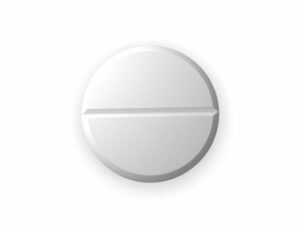
Prelone (Prednisolone) Tablets / Oral Solution
Prelone is a brand of prednisolone, a medicine in the corticosteroid (steroid) family used to reduce inflammation and calm an overactive immune system. Prednisolone can be used for many conditions where swelling, redness, allergic reactions or immune-driven disease are causing symptoms.
This guide is designed to be patient-friendly and UK-focused, helping you understand what Prelone is for, how it works, what to watch for, and practical considerations for safe use.
Key product information
| Item | Details |
|---|---|
| Medicine | Prelone (prednisolone) |
| Type | Corticosteroid (glucocorticoid) |
| Main use | Reduces inflammation and suppresses excessive immune responses |
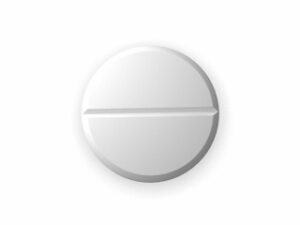
| Common forms | Tablets and oral solution (strengths vary by product) |
| How it is taken | By mouth |
| How long it takes to work | Often within hours to a few days, depending on the condition |
How Prelone works (mechanism of action)
Prednisolone works by mimicking natural glucocorticoid hormones produced by the adrenal glands. It reduces inflammation and changes immune activity by:
- Reducing inflammatory chemicals released by the body (e.g., cytokines and prostaglandins).
- Suppressing immune cell activity involved in allergic and autoimmune responses.
- Stabilising blood vessel function and lowering swelling.
- Improving symptoms such as pain, stiffness, breathing difficulty or skin inflammation, depending on the condition being treated.
Important: Steroids like prednisolone can help rapidly, but they also change how your body responds to infections. Always use them as directed and do not stop suddenly after prolonged use.
Pharmacokinetics (how the body handles prednisolone)
While exact values can vary between people, the typical pharmacology of prednisolone includes:
- Absorption: Prednisolone is absorbed after oral dosing.
- Distribution: It binds partly to plasma proteins and spreads into body tissues where needed.
- Metabolism: It is metabolised mainly in the liver.
- Excretion: Metabolites are cleared primarily through the kidneys (urine).
- Duration of effect: Clinical effects can last longer than the drug itself remains detectable, because of downstream effects on inflammation and immune signalling.
What Prelone is used for (indications)
Prelone is commonly used for conditions where inflammation or immune activity needs to be controlled. Indications may include (depending on individual assessment):
- Severe allergic reactions and allergic flare-ups in certain situations.
- Asthma exacerbations and inflammatory airway conditions (short-term use in flares).
- Autoimmune and inflammatory diseases such as rheumatoid arthritis, inflammatory bowel disease or connective tissue disorders.
- Skin conditions where strong anti-inflammatory treatment is needed.
- Eye inflammation in some specialists’ treatment plans.
- Blood disorders related to immune activity (e.g., specific haematological conditions).
- Some neurological inflammatory conditions as determined by specialists.
Use can vary widely by condition, severity and treatment history. Your clinician will balance the benefits of reduced inflammation against the risks of steroid side effects.
Typical timing and how to take it
Steroids often have a natural rhythm in the body (cortisol levels vary throughout the day). For some conditions, taking prednisolone in the morning may be preferred to better match your body’s natural cycle and potentially reduce sleep disturbance.
General timing guidance
- Morning dosing: Many regimens use once-daily dosing in the morning (commonly between 7am and 9am), depending on your plan.
- More than once daily: If a twice-daily schedule is recommended, doses are often split to reduce night-time side effects.
- Consistency: Try to take it at the same times each day.
Do not change the timing or frequency without advice. Your schedule may be tailored to your specific condition and risk factors.
Dosing (what “typical” means in practice)
Prednisolone dosing is highly individual. Factors include your diagnosis, severity, age, body weight (in children), previous steroid exposure, and response to treatment.
A clinician may prescribe different strengths and durations, such as:
- Short courses for flare-ups (often days to a few weeks).
- Longer courses for chronic inflammatory or autoimmune conditions, sometimes with gradual adjustment.
- Tapering schedules (gradually reducing the dose) if you have taken it for more than a short period.
Follow the directions given for your specific product strength (tablets vs oral solution can differ). If you are unsure how much to take, check the label and speak to a pharmacist.
Food interactions and taking with meals
Prednisolone can affect the stomach. To improve comfort and reduce the risk of stomach irritation, it is often recommended to take it with food or immediately after a meal.
- With or after food: Commonly helps reduce indigestion, nausea or gastric discomfort.
- Milk and antacids: These may help some people feel more comfortable, but they do not replace proper dosing.
- Diet considerations: Steroids can increase appetite and may influence blood sugar; a balanced diet is helpful.
- Grapefruit: While not the most significant concern for prednisolone compared with some other medicines, it’s generally sensible to avoid large amounts of grapefruit products unless your clinician/pharmacist confirms it’s safe for you.
If you experience severe stomach pain, black stools, vomiting blood, or persistent indigestion, seek medical advice promptly.
Alcohol interactions
Alcohol is not always strictly prohibited, but it can increase the likelihood of side effects such as stomach irritation and mood changes, and it may worsen sleep. Steroids can also affect blood sugar and blood pressure in some people.
- Best approach: Keep alcohol moderate and monitor how you feel.
- Avoid heavy drinking: This increases risk of gastritis and other complications.
- Consider safety first: If you’ve had stomach ulcers, GI bleeding, or significant liver problems, ask your clinician/pharmacist before drinking.
Medicine interactions (important)
Prednisolone may interact with other medicines. Some interactions can change prednisolone levels, while others can add to side effects (such as effects on the immune system, blood sugar, blood pressure, or potassium).
Common interaction themes
- Other medicines that suppress immune function: Taking multiple immune-modifying drugs may increase infection risk.
- Diabetes medicines: Prednisolone can raise blood glucose. Monitoring may be needed.
- Blood pressure and diuretics: Steroids can cause fluid retention; some blood pressure medicines may need review.
- Non-steroidal anti-inflammatory drugs (NSAIDs) such as ibuprofen: Combined use may increase risk of stomach irritation/bleeding.
- Warfarin: Steroids may affect clotting control in some people. Close monitoring of INR may be needed.
- Antifungals and antivirals: Certain medicines can alter steroid metabolism or increase effects.
- Enzyme inducers: Some medicines can reduce steroid levels, potentially weakening effect.
- Vaccines: Live vaccines may be inappropriate during steroid treatment at certain doses/durations.
Always tell your pharmacist or clinician about all medicines and supplements you take, including over-the-counter products. If you have a long list of medications, ask for a dedicated interaction check.
Safety profile and side effects
Like all medicines, prednisolone can cause side effects. Many are dose- and duration-dependent. Short courses may be tolerated well by many people, but risks increase with higher doses or longer treatment.
Common side effects
- Increased appetite
- Fluid retention and swelling
- Indigestion or stomach discomfort
- Changes in mood (e.g., feeling restless or irritable)
- Difficulty sleeping (insomnia)
- Headache
- Increased blood sugar (especially in people with diabetes or pre-diabetes)
- Higher blood pressure in some people
Less common but important risks
- Infection risk: Steroids can reduce the body’s ability to fight infections.
- Gastrointestinal bleeding: Risk may be higher if combined with NSAIDs.
- Bone thinning (osteoporosis) with long-term use.
- Eye effects (e.g., increased risk of cataracts or glaucoma with prolonged use).
- Skin changes (thin skin, easy bruising, acne-like eruptions).
- Muscle weakness (especially with higher doses over time).
- Adrenal suppression: The body may reduce its own steroid production during prolonged treatment, so stopping suddenly can be unsafe.
Seek urgent help if you have
- Signs of a serious infection (e.g., high fever, severe chills, shortness of breath, confusion)
- Severe allergic symptoms (e.g., swelling of face/lips, trouble breathing)
- Black or tarry stools, vomiting blood, or severe persistent abdominal pain
- Severe mood/mental health changes (e.g., agitation, hallucinations, feeling significantly unwell)
- Sudden severe weakness or collapse after stopping or missing taper steps
Practical use tips for UK patients
- Take with food when possible: It can reduce stomach discomfort.
- Use the correct measuring device: If using oral solution, measure carefully using the supplied syringe/measure.
- Do not stop suddenly: If you have been taking prednisolone for more than a short course, you may need a taper plan.
- Track symptoms and side effects: Jot down changes in sleep, appetite, mood, blood sugar, or swelling.
- Protect against infection: Wash hands regularly and seek advice early if you develop fever or infection symptoms.
- Bone health: If on longer courses, your clinician may recommend vitamin D and calcium or other protective steps.
- Blood sugar monitoring: If you have diabetes, follow your monitoring plan closely and alert your team if readings rise.
- Carry information: If you take steroids long term, consider keeping a list of medicines you use.
Missed dose advice
If you miss a dose, take it as soon as you remember unless it is close to the next dose. Do not take a double dose to make up for the missed one. If you’re unsure, speak to a pharmacist for guidance based on your schedule.
Stopping and tapering
Prednisolone can suppress your body’s natural steroid production. Your body may take time to recover after steroid exposure. This is why, after longer courses, clinicians typically reduce the dose gradually (“tapering”).
- Do not stop suddenly if you have been taking it for more than a short period.
- Follow the taper plan exactly, including dose reductions and timing.
- Report symptoms during tapering: Fatigue, weakness, dizziness or worsening of the original condition should be discussed with a healthcare professional promptly.
Alternative options
Depending on the condition being treated, alternatives to prednisolone may include other anti-inflammatory medicines, different steroid formulations, or non-steroidal therapies. Options can include:
- Other corticosteroids (e.g., dexamethasone, prednisolone in different forms, or topical steroids for skin conditions).
- Inhaled corticosteroids for asthma or COPD (often with reliever inhalers).
- Non-steroidal anti-inflammatory strategies where appropriate.
- Biologic or targeted immune therapies for some autoimmune diseases (specialist-led).
- Supportive treatments such as antihistamines for allergy or disease-specific medicines.
Your clinician will choose alternatives based on the diagnosis, severity, past treatment response, comorbidities, and your personal risk profile.
United Kingdom market and legal context
In the UK, corticosteroids including prednisolone are regulated medicines. Access is governed by UK pharmacy and prescribing rules, and the exact requirements can depend on strength, formulation and local supply arrangements.
When buying medicines online, reputable UK pharmacy services follow requirements designed to ensure:
- Only appropriate medicine is supplied to suitable patients
- Correct dispensing, labelling and safety information are provided
- Clear product details (strength, form, batch/expiry) are available
- Pharmacist advice is accessible where needed
If you have questions about eligibility, availability, or product suitability, a UK registered healthcare professional or pharmacist can help.
Recent guidance and awareness (what to keep in mind)
Clinical practice evolves with new evidence and safety updates. Patients should generally be aware of:
- Infection precautions: Steroids can raise infection risk; guidance often emphasises early medical advice if you feel unwell.
- Immunisations: Timing of vaccines may need review if you are taking steroids.
- Tapering and adrenal suppression: Stopping steroid therapy abruptly after longer courses may be unsafe, and healthcare teams often highlight tapering schedules.
- Metabolic effects: Monitoring blood glucose and blood pressure is commonly recommended for at-risk patients.
Always follow the plan provided by your healthcare professional and consult local guidance if you are unsure.
Delivery, availability and ordering in the UK
Availability of Prelone (prednisolone) can depend on formulation (tablets vs oral solution), strength, and current pharmacy stock. UK online pharmacies typically provide:
- Secure ordering with clear product details on the listing
- Delivery options covering many UK postcodes
- Tracking or delivery updates (varies by provider)
- Packaging designed to protect tablets/solutions and include pharmacy labelling
Delivery times can vary, especially during periods of high demand. If your treatment is time-sensitive (for example, a worsening flare), contact customer support for the latest dispatch/ETA information.
Check expiry dates when your medicine arrives and store as directed on the packaging.
Storage advice
- Follow label instructions for temperature and light exposure.
- Keep out of sight and reach of children.
- Do not use after expiry date.
- Oral solution: If it needs refrigeration after opening or has a limited use-by period once opened, follow the packaging instructions.
FAQ: Prelone (Prednisolone)
1) What is Prelone used for?
Prelone (prednisolone) is used to reduce inflammation and control immune overactivity. It’s used for a wide range of conditions, including some allergic reactions, asthma flare-ups, autoimmune and inflammatory diseases, and other specialist conditions.
2) How quickly does prednisolone work?
Many people notice improvement within hours to a few days. The exact timing depends on the condition being treated and the dose.
3) Should I take it in the morning?
Often, once-daily prednisolone is taken in the morning to better match the body’s natural steroid rhythm and reduce sleep problems. However, follow your specific dosing instructions.
4) Can I take Prelone with food?
Yes—taking prednisolone with food or after a meal can help reduce stomach irritation. If your clinician has given you specific instructions, follow those.
5) Are there any foods I should avoid?
There are no universal dietary restrictions, but prednisolone can affect appetite and blood sugar. Eating a balanced diet and managing carbohydrate intake (if advised) may be helpful. If you have diabetes or are at risk, discuss diet and monitoring.
6) Can I drink alcohol while taking prednisolone?
Moderate alcohol may be acceptable for some people, but it can worsen stomach irritation and affect sleep or mood. Avoid heavy drinking, and seek advice if you’ve had stomach ulcers or liver problems.
7) What medicines commonly interact with prednisolone?
Interactions can occur with diabetes medicines, warfarin, NSAIDs (like ibuprofen), some antivirals/antifungals, enzyme-inducing medicines, and other immune-modifying treatments. Tell your pharmacist about everything you take so they can check interactions.
8) Is it safe to stop Prelone suddenly?
Do not stop suddenly if you have been taking prednisolone for more than a short period. Your body may have reduced its own steroid production, and you may need a gradual taper.
9) What side effects should I watch for?
Common effects include increased appetite, indigestion, mood changes and sleep disturbance. More serious concerns include infection risk, stomach bleeding, significant mood changes, and long-term effects such as bone thinning and eye problems (mainly with prolonged use).
10) What should I do if I miss a dose?
Take it when you remember unless it’s close to the next dose. Don’t double up. If you’re unsure, ask a pharmacist for advice.
11) Can children or older adults take prednisolone?
Prednisolone can be used in children and older adults when clinically indicated, but doses and safety monitoring are more carefully tailored. If it’s for a child, ensure the correct formulation and measure dosing accurately.
12) Do I need monitoring while on Prelone?
Monitoring needs depend on dose and treatment length. People with diabetes may need blood sugar monitoring; long-term users may require checks for bone health, blood pressure and eye health.
Important: This information is for general guidance and does not replace advice from a healthcare professional. If you have questions about whether Prelone is right for you, or if you notice severe or worrying symptoms, seek medical advice promptly.