
Prometrium (Progesterone) – Patient Information Guide (UK)
Prometrium is a brand of micronised progesterone, a natural hormone that plays an important role in the female reproductive system. It is used to support the uterus and manage certain hormone-related conditions. This guide explains how Prometrium works, how it is typically used, what to expect, and key safety information for people in the United Kingdom.
Always follow the instructions provided with your medicine and any advice from your healthcare professional.
1) Basic product information
| Category | Details |
|---|---|
| Medicine name | Prometrium (Progesterone) |
| Active ingredient | Micronised progesterone |
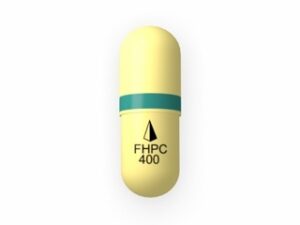
| What it is | A hormone medicine taken by mouth in capsule form |
| Common strengths | Often available as 100 mg and 200 mg capsules (strength may vary by product) |
| How it is taken | Oral use, usually once daily or divided dosing depending on the indication |
| Why it is used | To provide progesterone support in specific reproductive and hormonal situations |
2) What is progesterone and how does Prometrium work?
Progesterone is a natural steroid hormone produced mainly by the ovaries (and later by the placenta during pregnancy). Its key job is to help prepare and maintain the lining of the womb (endometrium) and support pregnancy.
Mechanism of action (how Prometrium works)
- Supports the uterine lining: Prometrium helps convert the endometrium into the right state for implantation and maintenance.
- Balances effects of oestrogen: In some situations, progesterone is used alongside oestrogen to protect the uterine lining from overstimulation.
- Helps regulate menstrual changes: By providing progesterone, the medicine can influence bleeding patterns when used for the right indication.
- Reproductive hormone support: It can be used as part of fertility treatment protocols where progesterone support is required.
3) Pharmacokinetics (what the body does with Prometrium)
Pharmacokinetics describes how the body absorbs, distributes, metabolises, and excretes a medicine.
- Absorption: After taking an oral capsule, micronised progesterone is absorbed through the gastrointestinal tract.
- Metabolism: Progesterone is extensively metabolised, mainly in the liver.
- Active metabolites: Progesterone is converted into metabolites (breakdown products) that may contribute to overall effects.
- Elimination: Metabolites are primarily eliminated via the kidneys (urine) and to a lesser extent by other routes.
- Half-life (general concept): Like many steroid hormones, progesterone levels fall after dosing as metabolism and elimination proceed. Individual responses vary.
Practical takeaway: Timing and consistent dosing are important because hormone levels can change across the day. If you miss a dose, follow your clinician’s or medicine label’s advice.
4) Typical uses in the UK
In the UK, Prometrium is used for specific hormone-related indications. Common uses include:
Typical indications
- Progesterone support in assisted reproduction (fertility treatment): For certain protocols where luteal phase or early pregnancy support is needed.
- Hormone therapy support (oestrogen followed by progesterone): When oestrogen is used for menopausal symptoms, progesterone may be required to help protect the uterine lining in people who still have a uterus.
- Conditions related to low progesterone: Where clinicians determine progesterone supplementation is appropriate.
Note: The exact indication, regimen, and duration depend on your medical history and treatment plan.
5) When and how to take Prometrium (timing and schedule)
How you take Prometrium may differ depending on why you are using it. Always follow your prescribed dosing instructions and the information on the medicine packaging.
Timing tips
- Take at the same time each day: This helps maintain steadier hormone levels.
- Consider taking in the evening: Some people feel drowsy or “sleepy” after progesterone. Evening dosing can help if this affects you.
- Use a consistent routine: Many patients find it easier to link dosing to a regular activity (e.g., after dinner or before bed).
Can you take it with food?
Prometrium may be taken with or without food for many patients. However, individual advice can vary. If the medicine upsets your stomach, taking it with a light meal may help.
Food interaction (general): Food can affect absorption speed for some oral medications. If you are told to take it a particular way, follow that guidance.
6) Dosing guidance (general information)
Dosing depends strongly on the reason you are taking Prometrium. Typical regimens include once-daily or multiple daily dosing, sometimes using different strengths.
Examples of common dosing patterns
- Once daily dosing: Some schedules use progesterone once daily (e.g., 200 mg daily is common in certain protocols, but your exact dose may differ).
- Split dosing: Some regimens may use divided doses (morning and evening) depending on clinical preference and tolerability.
- Cyclic or sequential use: When used with oestrogen therapy for menopausal hormone therapy, progesterone may be given for part of the cycle, rather than continuously.
Important: Do not adjust your dose without speaking to a healthcare professional. If you think you have taken too much, contact NHS 111 or your local emergency service for advice.
7) Alcohol and medicine interactions
It’s sensible to be cautious with alcohol when taking hormonal medicines. While there is not always a direct “absolute” interaction, alcohol can affect your wellbeing, sleep, and ability to tolerate side effects.
Alcohol
- Drowsiness and dizziness: If Prometrium makes you feel sleepy, alcohol may make this worse.
- Safety: Avoid driving or operating machinery if you feel affected.
Other medicines (general interaction principles)
Prometrium may interact with other medicines through liver metabolism pathways. Some medicines can increase or decrease progesterone levels.
Discuss before starting Prometrium if you take:
- Enzyme-inducing medicines (some anti-epileptics, certain antibiotics like rifampicin/rifabutin, and some medicines used for HIV)
- Some herbal products (e.g., St John’s wort may affect hormone levels)
- Anticoagulants / blood thinners (warfarin and others): hormone therapies can affect clotting risk and monitoring needs
- Other hormone medicines (oestrogens, selective oestrogen receptor modulators, etc.)
Always tell your healthcare team about all medicines, including over-the-counter products and herbal supplements. If you are already taking multiple medicines, pharmacists can help check for interaction risks.
8) Safety profile and side effects
Like all medicines, Prometrium can cause side effects. Not everyone experiences them. Many are mild and improve as your body adjusts.
Common side effects
- Sleepiness / tiredness
- Headache
- Nausea or stomach discomfort
- Mood changes (some people notice changes in mood or emotional sensitivity)
- Breast tenderness
- Breakthrough bleeding or spotting (particularly when used cyclically)
- Vaginal discharge (may be hormone-related)
Serious but less common risks (seek urgent advice)
Some hormonal medicines can be associated with blood clot risks. While specific risk depends on your individual factors, seek urgent medical help if you develop symptoms such as:
- Sudden breathlessness, chest pain, or coughing blood
- Sudden leg swelling or pain (especially one-sided)
- Sudden severe headache, weakness, facial droop, or speech difficulty
- Vision changes or loss of vision
- Severe abdominal pain
Allergy warning signs
- Rash, itching, swelling of the face/lips, wheezing, or difficulty breathing
When to contact a clinician promptly
- Persistent abnormal vaginal bleeding
- Severe or worsening side effects
- Signs of liver problems (e.g., yellowing of skin/eyes, dark urine)
9) Practical use tips to get the best results
- Stick to the schedule: Try not to miss doses. If you do, follow the guidance from your healthcare professional or pharmacy.
- Plan for drowsiness: If Prometrium makes you sleepy, consider evening dosing and avoid alcohol and driving if affected.
- Track symptoms: Keeping a simple diary of side effects or bleeding patterns can help you and your clinician assess how you’re responding.
- Use reminders: Phone alarms, blister-pack tracking (if applicable), or medication apps can help.
- Storage: Store as directed on the packaging (typically at room temperature and away from moisture/heat). Keep out of sight and reach of children.
- Don’t stop suddenly without advice: If you are using it as part of fertility or ongoing hormone support, stopping abruptly may affect outcomes.
10) Food interactions
For most patients, Prometrium can be taken with or without food. However:
- If your stomach feels uncomfortable: taking with a light meal may reduce nausea.
- Consistency matters: try to keep your routine the same day to day (e.g., always after dinner).
Tip: If your product leaflet gives specific instructions about food, follow that advice.
11) Indications and clinical context (what it is used for)
In everyday terms, Prometrium is used where progesterone support is needed. Depending on your circumstances, clinicians may use it to:
- Support early pregnancy or reproductive treatments: especially when natural progesterone may be insufficient for the luteal phase after ovulation or in assisted reproduction.
- Help protect the uterus during oestrogen therapy: for people who still have a uterus and are taking oestrogen for menopausal symptoms.
- Address hormone imbalance: when progesterone levels are low or when progesterone is needed to manage specific cycle-related issues.
Because indications vary, your dose and duration should be tailored to your specific plan.
12) Alternative options
If Prometrium is not suitable due to side effects, availability, or your treatment plan, there may be alternatives. These could include other progesterone formulations or different hormonal strategies.
Possible alternatives (depending on indication)
- Other micronised progesterone capsules (different brand/generic availability)
- Vaginal progesterone preparations (often used in fertility support; may have different side-effect patterns)
- Other progestogens used in hormone therapy
Speak to a healthcare professional to determine the most appropriate alternative for your situation.
13) UK market and legal context (overview)
In the UK, progesterone medicines are regulated and must be supplied in line with medicines legislation and pharmacy standards. How Prometrium is supplied can depend on:
- Your clinical indication
- Local prescribing and supply arrangements
- Whether a medicine is classified as a prescription-only or pharmacy-supplied product for your specific circumstances
Pharmacies providing medicines to people in the UK should operate according to applicable regulations, ensuring correct product identification, safe packaging, and appropriate checks to support safe use.
For the most up-to-date UK supply information: consult your pharmacy or refer to official NHS and MHRA resources.
14) Recent guidance and updates (general note)
Clinical guidance on progesterone use may evolve as new evidence becomes available, particularly for fertility support and hormone therapy. In the UK, recommendations are informed by professional bodies and evidence-based guidelines.
- Fertility pathways: protocols can vary between clinics; progesterone type and dosing may be adjusted based on individual risk and response.
- Menopausal hormone therapy: clinicians generally use the lowest effective dose for the shortest duration, and review regularly.
If you’re using Prometrium as part of fertility treatment or hormone therapy, it’s wise to follow clinic-specific instructions and attend scheduled follow-ups.
15) Delivery and availability in the United Kingdom
Prometrium availability can vary depending on stock levels, capsule strength, and the specific product packaging sold by different suppliers. Many UK pharmacies offer:
- Home delivery for eligible orders within the UK
- Secure packaging to protect medicine integrity
- Tracking information where available
- Customer support to help with order queries
Delivery considerations: availability and delivery times may be affected by demand, warehouse processing times, or courier service schedules. If you have time-sensitive treatment (e.g., in fertility cycles), ordering early and checking stock status is recommended.
16) Frequently Asked Questions (FAQ)
Q1: What is Prometrium used for?
Prometrium is micronised progesterone. It is commonly used to provide progesterone support in fertility-related protocols and/or to balance hormone therapy for people who take oestrogen and still have a uterus. Your specific use depends on your condition and treatment plan.
Q2: When should I take Prometrium?
Follow your individual dosing instructions. Many people take it once daily and often choose evening dosing if it causes sleepiness. Taking it at the same time each day can help maintain steady hormone levels.
Q3: Can I take Prometrium with food?
Many patients can take it with or without food. If you experience nausea or stomach upset, taking it with a meal may help. Keep your routine consistent unless your clinician advises otherwise.
Q4: What if I miss a dose?
How to handle missed doses depends on your dosing schedule and your indication. In general, you should follow the advice given with your medicine or by your healthcare professional. If you’re unsure, contact a pharmacist for guidance.
Q5: Can I drink alcohol while taking Prometrium?
Alcohol may increase drowsiness or dizziness for some people. If Prometrium makes you feel sleepy, it’s best to limit or avoid alcohol. If you have concerns, ask your pharmacist.
Q6: Are there any important medicine interactions?
Yes, some medicines can affect progesterone levels or the risk profile. This includes certain liver enzyme inducers (some anti-epileptics and antibiotics), herbal supplements like St John’s wort, and medicines that affect clotting. Always check with a pharmacist if you start or stop any medicine.
Q7: Is Prometrium safe for everyone?
No medicine is suitable for everyone. Prometrium may not be appropriate for individuals with certain medical conditions, including some clotting disorders, liver problems, or unexplained vaginal bleeding. Your healthcare professional will assess suitability for your situation.
Q8: What side effects are most common?
Common side effects may include tiredness or sleepiness, headache, nausea, breast tenderness, mood changes, and occasional spotting or breakthrough bleeding (especially when used cyclically).
Q9: When should I seek urgent medical help?
Seek urgent medical advice if you experience symptoms that could suggest a blood clot (e.g., sudden breathlessness, chest pain, one-sided leg swelling), a severe allergic reaction, or severe neurological symptoms (e.g., weakness on one side, difficulty speaking).
Q10: What are my options if Prometrium doesn’t suit me?
Depending on why you are taking it, alternatives can include other progesterone formulations or different progestogen medicines. Discuss options with your clinician or pharmacist.
Need more help? If you have questions about how to use Prometrium safely, your local pharmacy can provide guidance on how to take your capsules correctly and check general interaction risks with your current medicines.