Tobramycin and Dexamethasone: Patient Information (UK)
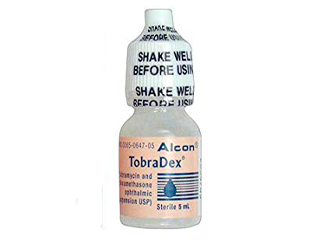
Tobramycin and dexamethasone is a combination medicine used to treat certain eye conditions where both bacterial infection and inflammation may be present. It contains:
- Tobramycin: an antibiotic (from the aminoglycoside group)
- Dexamethasone: a corticosteroid (anti-inflammatory)
This information is designed to be patient-friendly and help you understand how the medicine works, how it is typically used, and what to watch for.
Basic product information
- Medicine name: Tobramycin and dexamethasone
- What it’s used for: eye infections with inflammation, where bacterial involvement is suspected or confirmed
- Common form: eye drops and/or eye ointment (product strength and form vary by brand)
- Target audience: people in the UK receiving care for relevant eye conditions
Brand names and strengths can differ. Always check your specific pack for the exact concentration and form.
How the medicine works (mechanism of action)
The combination is designed for two aims:
- Tobramycin (antibiotic action): Tobramycin works by interfering with the bacteria’s protein production. This reduces bacterial growth and can kill susceptible bacteria.
- Dexamethasone (anti-inflammatory action): Dexamethasone helps reduce inflammation by affecting inflammatory signalling pathways. This can lessen redness, swelling, and discomfort caused by inflammation.
Important: The steroid component can reduce visible symptoms even when infection is not fully controlled. That is why correct use and follow-up are important.
What conditions is it used for? (indications)
Tobramycin and dexamethasone is typically used for eye conditions where:
- there is evidence or strong suspicion of bacterial infection, and
- there is also significant inflammation or allergic/inflammatory signs alongside infection.
Your clinician may consider it for specific diagnoses such as:
- infective conjunctivitis with marked inflammation
- blepharitis or keratoconjunctivitis where bacterial involvement is likely
- other bacterial eye inflammations where a steroid is judged beneficial and safe for your particular situation
The exact suitability depends on your eye exam (for example, whether there is corneal involvement, whether there are signs of viral infection, and whether you have risk factors for steroid side effects).
Pharmacokinetics (how the body handles it)
Eye drops/ointments are primarily intended for local action on the surface of the eye. Systemic absorption is generally low, but it can vary depending on factors such as eye washing, tear production, and whether the eye is inflamed.
- Absorption: Tobramycin and dexamethasone may be absorbed through ocular tissues and drainage pathways into the bloodstream.
- Distribution: Local ocular distribution occurs first; only small amounts typically reach the systemic circulation.
- Metabolism and elimination: Any systemically absorbed fraction is processed by the body and eliminated via normal routes. The degree of systemic exposure is usually limited with correct eye use.
If you are pregnant, breastfeeding, have kidney problems, or are using it for longer periods, you may have additional considerations.
Typical dosing and timing (UK patient guidance)
Dosing schedules differ by product and the severity of the condition. Always follow the instructions on your pack or provided by your clinician. Below are common patterns used in clinical practice for eye drops/ointments.
| Situation | Typical timing (examples) | Notes |
|---|---|---|
| Mild to moderate infection/inflammation | Often 1–2 drops in the affected eye(s) 2–4 times daily | May be adjusted based on response and exam findings. |
| More severe symptoms (as directed) | May start more frequently, e.g. every 4–6 hours during waking hours | Follow the planned review schedule to avoid unnecessary steroid exposure. |
| If using an ointment | Commonly at night or as directed; can be used with drops | Ointments may blur vision temporarily. |
Timing tips:
- Try to space doses evenly during the day.
- If you miss a dose, take it as soon as you remember unless it’s close to the next dose—then skip the missed dose.
- Do not use a double dose to make up for a missed one.
How to use it safely (practical use tips)
Good technique helps medicine reach the eye and reduces contamination risk.
- Wash your hands before and after using the medicine.
- Check the tip of the bottle/ointment tube for cleanliness (avoid touching it to the eye).
-
Use correctly:
- For drops: tilt your head back, gently pull down the lower eyelid, and place the prescribed number of drops into the pocket of the lower eyelid.
- Close your eye gently. Keep it closed for about 1–2 minutes.
- Reduce drainage (optional but helpful): after applying, you can gently press the inner corner of your eye (near the nose) for about 1 minute to reduce drainage into the tear duct.
- Wait between eye medicines: if you use other eye drops, wait at least 5–10 minutes before the next one. Ointments are usually applied last.
- Contact lenses: avoid using contact lenses unless your eye care professional advises otherwise. Many clinicians recommend stopping lenses during treatment.
If you have a crusted discharge or severe eyelid inflammation, gently cleaning the eyelids with appropriate sterile cleansing products may be advised. Use caution and follow local guidance from your clinician.
Food interactions
Because tobramycin and dexamethasone are used in the eye, food interactions are not expected in the usual sense (unlike many oral medications). However, general practical considerations still apply:
- Stay hydrated if you have eye irritation or dryness.
- Avoid rubbing your eyes after using the drops.
- Maintain any dietary guidance given by your healthcare team for other conditions.
If you are using other medicines (for example, tablets for infection or inflammation), check those separately for interactions.
Alcohol and medicine interactions
Alcohol
No direct alcohol interaction is typically expected with eye drops/ointment containing tobramycin and dexamethasone because systemic absorption is usually low. That said:
- Alcohol can worsen dehydration and dryness, which may increase eye discomfort.
- If you notice increased irritation after alcohol, consider reducing alcohol and seek advice.
Other medicines (interactions)
The risk of interactions is generally lower with topical eye treatment, but it is still important to consider:
- Other eye medications: spacing doses helps avoid “wash-out” and dilution.
- Systemic antibiotics or steroids: if you are also taking other antibiotics or corticosteroids, your clinician may consider your overall exposure.
- Topical antivirals/other eye anti-infectives: if your eye diagnosis is viral or fungal, using steroid-containing drops can be inappropriate. Always follow diagnostic advice.
Tell your pharmacist or clinician about all medicines you use, including eye drops, ointments, and non-prescription products.
Safety profile and important warnings
Like all medicines, tobramycin and dexamethasone can cause side effects. Many people tolerate it well, especially when used for the intended duration. However, the steroid component has specific considerations.
Common side effects
- temporary stinging or burning after application
- redness
- blurred vision temporarily (more likely with ointment)
- unusual taste in the mouth (from drainage into the throat)
Serious side effects (seek medical advice promptly)
- Worsening pain, worsening redness, or reduced vision
- Increase in discharge or no improvement after the initial period of treatment (often within a few days, but follow your clinician’s plan)
- Symptoms of allergy such as swelling of eyelids, rash, or severe itching
- Eye pressure problems (steroid-related): long use can increase intraocular pressure in some people. Your clinician may recommend eye pressure checks.
- Signs of infection with non-bacterial causes (e.g., viral or fungal keratitis) may worsen under steroid treatment.
Special safety considerations (steroid risks)
Corticosteroids in the eye may:
- increase intraocular pressure
- increase the risk of cataracts with prolonged use
- delay healing
- mask or worsen infections caused by organisms not covered by the antibiotic
For that reason, steroid-containing eye products should typically be used for the shortest effective time and with appropriate review.
Who should take extra care?
- History of glaucoma or raised eye pressure
- Thinning of the cornea or previous corneal problems
- Known or suspected viral eye infections (e.g., herpes simplex)
- Unexplained eye pain or severe symptoms
- Contact lens wearers (lens-related infections can require different treatment)
If any of the above apply, discuss your history with a pharmacist or clinician before using.
Duration of treatment and timing of improvement
Most eye infections/inflammatory conditions should show some improvement within a few days if treated appropriately. If you have no improvement or your symptoms worsen, you should seek advice promptly.
- Continue only for the intended period recommended for your condition.
- Do not stop early if you were advised to complete a course—however, do not extend treatment without review.
Alternative options
Alternatives depend on the exact cause of your eye problem. In general, options may include:
- Antibiotic-only drops/ointments (for bacterial infection without significant steroid requirement)
- Anti-inflammatory drops (non-steroid options in some situations)
- Antiviral or antifungal treatment if a viral or fungal cause is suspected or confirmed
- Supportive treatments such as lubricating drops for dryness/irritation (not a cure for infection)
A clinician may adjust treatment based on examination findings, including corneal staining, eye pressure checks, and response to initial therapy.
Market and legal context for the UK
In the United Kingdom, medicines containing antibiotics and especially those containing a corticosteroid are regulated to ensure safe and appropriate use. The specific legal status of a product (for example, whether it is prescription-only or not) depends on the formulation and strength, and on UK regulatory classification.
- Antibiotic stewardship: The NHS and related bodies encourage careful use of antibiotics to reduce resistance.
- Safety of steroid-containing eye products: Steroids require caution because they can worsen certain infections and affect eye pressure.
- Professional oversight: Many eye conditions need assessment, and follow-up may be required.
Always read the leaflet provided with your medicine and follow local guidance from healthcare professionals.
Recent guidance and best practice (UK-focused)
While guidance can vary by condition, current UK best practice typically emphasises:
- Correct diagnosis before using steroid-containing eye drops
- Limiting duration of steroid use to the shortest effective period
- Reviewing response early when symptoms do not improve
- Avoiding unnecessary antibiotic use when infection is unlikely
- Monitoring risk of steroid side effects (such as raised intraocular pressure) when treatment is prolonged
If you have worsening symptoms, severe pain, reduced vision, or light sensitivity, seek urgent eye advice.
Delivery and availability in the UK
Tobramycin and dexamethasone eye preparations may be available through pharmacies and online medicine suppliers in the UK, depending on legal classification and individual product details. Availability can vary by brand and strength.
- Dispatch times: Many UK online pharmacies dispatch within 24 hours on business days, subject to stock and verification checks.
- Delivery options: Home delivery is commonly available; some suppliers offer next-day or timed delivery.
- Packaging: Medicines are typically supplied in original packaging with patient information and expiry details.
If your medicine is urgent (for example, you have significant discomfort), check estimated delivery times at checkout and consider contacting the supplier for advice.
FAQ
1) Can I wear contact lenses while using this medicine?
It’s usually advised to avoid contact lenses during treatment unless your eye care professional advises otherwise. Lenses can worsen irritation and may increase risk of infection.
2) What if I accidentally use the drops in the wrong eye?
If it is used in both eyes or the wrong eye, it may not be harmful in most cases, but you should continue as directed. If you notice significant discomfort or worsening symptoms, seek advice from a pharmacist or clinician.
3) How long until I feel better?
Many people notice some improvement within a few days. If there is no improvement or symptoms worsen, you should seek medical advice rather than continuing unchanged.
4) Is it safe to use if I have glaucoma?
Steroids can raise intraocular pressure in susceptible individuals. If you have glaucoma or a history of raised eye pressure, you should use only under appropriate professional guidance and may need pressure monitoring.
5) Can children or babies use this medicine?
Use in children depends on age, diagnosis, and product formulation. Follow the advice on the packaging or provided by a clinician. If you are unsure, speak to a pharmacist.
6) What should I do if my eye becomes more painful or my vision changes?
This can be a warning sign. Stop using the product and seek urgent advice from an eye care professional or NHS services, especially if you have significant pain, light sensitivity, or reduced vision.
7) Are there any interactions with other eye drops?
Generally, you can use other eye drops, but spacing doses is important. Wait 5–10 minutes between different drops, and apply ointments last. Always tell your pharmacist what else you use in your eyes.
8) Can I drink alcohol while using it?
A direct interaction is not expected, but alcohol may worsen dryness and irritation. If you notice increased discomfort, consider limiting alcohol and seek advice if symptoms persist.
9) Should I continue even if symptoms improve?
Follow the planned treatment duration. Improvement can happen before the infection and inflammation are fully controlled. However, do not extend use without review, particularly because of the steroid component.
10) What is the risk of antibiotic resistance?
Antibiotic resistance is a concern with all antibiotic use. Using the medicine only when appropriate and for the recommended duration helps reduce risk. If your symptoms don’t improve as expected, reassessment is important.
Summary
Tobramycin and dexamethasone combines an antibiotic to target susceptible bacteria with a corticosteroid to reduce inflammation. Correct use, appropriate timing, and attention to safety—especially regarding steroid risks—are important. If you develop severe pain, worsening redness, reduced vision, or no improvement, seek urgent eye advice.