
Serophene (Clomiphene) – Patient Guide (UK)
Serophene is a medicine containing clomiphene, used to help certain people achieve ovulation as part of fertility care. This guide explains how Serophene works, what it’s used for, how it’s usually taken, and important safety information. It is written in clear, patient-friendly language for people in the United Kingdom.
Always follow the advice of your healthcare professional. Individual circumstances can affect which option is safest and most suitable.
Quick overview
- Active ingredient: Clomiphene
- Common use: Inducing ovulation in certain fertility-related situations
- How it works: Encourages the brain and pituitary to increase hormones involved in ovulation (LH/FSH)
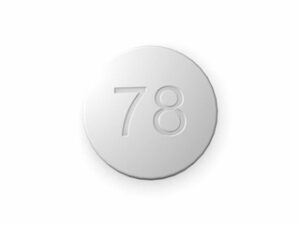
- Typical form: Oral tablet
- Typical schedule: Short course early in the menstrual cycle (often days 2–6 or 3–7), depending on guidance
- Key cautions: Ovarian enlargement/overstimulation risk, visual symptoms, possible effects on pregnancy/early loss, and interactions with certain medicines
Basic product information
Serophene (clomiphene) is part of a group of medicines known as selective oestrogen receptor modulators (SERMs). In fertility settings, clomiphene is used to stimulate the release of eggs from the ovary by influencing the hormone signals from the brain to the reproductive system.
In the UK, availability and brand packaging may vary. Your local pharmacy or clinic can confirm the exact strength and form you have been supplied.
How Serophene works (mechanism of action)
To understand clomiphene’s role, it helps to know that ovulation is controlled by a hormone “feedback loop” involving:
- Hypothalamus (brain): releases GnRH
- Pituitary gland: releases FSH and LH
- Ovaries: produce oestrogen and manage egg maturation
Clomiphene acts by blocking oestrogen receptors in certain parts of the brain. When the brain senses less oestrogen signalling, it interprets this as a signal to increase reproductive hormones—particularly:
- FSH (stimulates follicle growth in the ovary)
- LH (supports follicle maturation and triggers ovulation)
As a result, Serophene can help many people with irregular ovulation (or absent ovulation) to produce an egg during the cycle.
What Serophene is used for (indications)
Serophene is commonly used to induce ovulation in fertility care. Typical reasons include:
- Ovulatory dysfunction (for example, irregular or absent ovulation)
- Polycystic ovary syndrome (PCOS) (a frequent cause of irregular ovulation)
- Unexplained infertility with ovulatory problems (as advised by a specialist)
Important: Serophene is not the same as fertility injections, and it does not treat all causes of infertility (such as blocked fallopian tubes or severe male factor infertility). Your fertility specialist will guide whether clomiphene is appropriate for your diagnosis and circumstances.
Pharmacokinetics (how the body processes it)
Pharmacokinetics describes how a medicine is absorbed, distributed, metabolised, and eliminated.
- Absorption: Clomiphene is taken by mouth and is absorbed through the gastrointestinal tract.
- Metabolism: It is metabolised mainly in the liver.
- Elimination: Clomiphene and its active metabolites are eliminated slowly, with a prolonged effect because of long-lasting active components.
- Onset and duration: The biological effects occur across the menstrual cycle. Effects can persist beyond the days you take tablets, which is one reason timing and monitoring are important.
Because clomiphene is associated with long-lasting active metabolites, follow-up guidance and monitoring (when advised) are important, particularly if you are aiming for pregnancy across multiple cycles.
Typical dosing and timing in the menstrual cycle
Serophene is usually taken for a short period early in the cycle. Many commonly used regimens include taking tablets for 5 days starting on day 2–6 or day 3–7 of the menstrual cycle, but the exact schedule should follow your healthcare professional’s instructions.
In practice, clomiphene regimens may follow a step-up approach depending on response and ovulation confirmation.
| Cycle day / timing | What typically happens | Notes |
|---|---|---|
| Start (often day 2–6 or day 3–7) | Begin tablets for several days | Take once daily at the same time each day if possible. |
| After finishing tablets | Follicle development continues | Ovulation may occur later in the cycle, depending on individual response. |
| Mid to late cycle | Possible ovulation | Your clinician may advise timed intercourse or monitoring. |
| After ovulation (luteal phase) | Wait for pregnancy testing or next steps | Follow pregnancy testing advice for timing. |
Missed dose advice
If you miss a dose, take it when you remember unless it is close to the next dose. Do not double up. Because dosing schedules matter for fertility outcomes, it’s best to ask your healthcare professional or pharmacist for advice based on your specific timing.
When Serophene is taken: expected timing of effects
Clomiphene’s effect is linked to your cycle. In many people:
- Ovulation may occur roughly 5–10 days after completing the tablets (varies by individual).
- Because of individual differences, some clinicians recommend ovulation prediction kits, blood tests, or ultrasound monitoring to confirm response.
Practical tip: If you are tracking cycles, note the first day of bleeding and keep a written schedule of tablet days and any monitoring. This can help your clinic make decisions for future cycles.
Food interactions
Clomiphene can usually be taken with or without food. However, if it upsets your stomach, many people find it more comfortable to take it after a meal. Consistency matters—try to take it at the same time daily.
Be cautious with supplements or remedies that affect the liver. If you take herbal products (for example, St John’s Wort) or have ongoing liver conditions, speak to your healthcare professional before starting clomiphene.
Note: This article focuses on general patient guidance. Your prescribed plan may include additional recommendations.
Alcohol and medicine interactions
Alcohol
There is no single universal rule that everyone must avoid alcohol completely. However, fertility treatment is a time when overall health and early pregnancy planning are important. Alcohol can affect cycle health and may increase fatigue or nausea.
- If you drink, consider keeping it low and infrequent.
- If you become pregnant or are trying to conceive, many clinicians advise avoiding alcohol.
Interactions with other medicines
Clomiphene has important potential interactions. Always tell your clinician/pharmacist about:
- All prescription medicines
- Over-the-counter medicines
- Herbal products and supplements
Possible interaction themes include:
- Liver-metabolised medicines: because clomiphene is processed in the liver, medicines that strongly affect liver enzymes may change clomiphene levels.
- Hormonal therapies: other hormonal treatments may affect how clomiphene works or alter hormone feedback.
- Medicines for seizures or other strong enzyme inducers: these may reduce effectiveness in some cases.
If you are taking any long-term medications, ask your pharmacist to check for specific interactions with clomiphene based on your medicine list.
Safety profile: who should be cautious
Like all medicines, Serophene (clomiphene) can cause side effects. Most people tolerate it, but some effects require prompt medical attention. Your clinician will screen for conditions that could make clomiphene unsafe.
Common side effects
- Headache
- Nausea or mild stomach upset
- Hot flushes
- Breast tenderness
- Abdominal discomfort / bloating
- Vaginal dryness or changes in vaginal discharge
- Visual disturbances (for example, blurred vision or light flashes—usually temporary)
- Mood changes or fatigue
Serious but less common risks
Seek medical advice promptly if you experience any of the following:
- Vision changes: worsening blurred vision, persistent visual symptoms, or severe eye pain
- Signs of ovarian enlargement or overstimulation: severe abdominal/pelvic pain, marked bloating, rapid weight gain, shortness of breath
- Severe allergic reaction: swelling of face/lips, rash, difficulty breathing
- Possible blood clot symptoms: one-sided leg swelling/pain, chest pain, coughing blood, or sudden breathlessness
Pregnancy and multiple pregnancy risk: Clomiphene may increase the chance of multiple pregnancies (twins or more). It also carries a risk of miscarriage and other pregnancy complications, which is why early ultrasound and follow-up are usually important when pregnancy occurs.
When clomiphene may be unsuitable
Clomiphene may be inappropriate if you have certain medical conditions. Examples where extra caution or avoidance may apply include:
- Unexplained abnormal vaginal bleeding
- Known or suspected pregnancy at the start of treatment
- Ovarian cysts not related to normal follicle development
- Problems with the ovaries or pituitary gland that require different management
- Liver disease or significant liver impairment (due to liver metabolism)
- Certain hormone-dependent cancers (as advised by your specialist)
Your clinician will review your history and may perform blood tests or ultrasound checks before or during treatment.
Practical use tips
- Take it at the same time each day to keep your schedule consistent.
- Track your cycle (day 1 of bleeding, tablet days, and any monitoring).
- Don’t increase the dose yourself. Higher doses may increase side effects without guaranteeing better outcomes.
- Plan timed intercourse or monitoring based on your clinic’s advice. Ovulation timing is individual.
- Be alert to visual symptoms. If you experience blurred vision or light flashes, avoid driving or operating machinery until you are assessed or symptoms resolve.
- Seek help promptly for severe pain or rapid bloating. Ovarian enlargement can become urgent.
Monitoring during treatment
Depending on your risk factors and clinic protocol, your healthcare professional may suggest:
- Blood tests (for hormone levels)
- Ultrasound scans (to check follicle development and ovarian size)
- Monitoring for symptoms
Monitoring is particularly relevant if you have PCOS or a higher risk of ovarian over-response.
Alternative options for ovulation induction
If Serophene is not suitable, not effective, or side effects occur, fertility clinicians may discuss other options, depending on the cause of infertility and your medical history.
- Letrozole (commonly used for ovulation induction in PCOS in many guidelines)
- Metformin (often for insulin resistance in PCOS, sometimes used alongside ovulation strategies)
- Gonadotrophin injections (more intensive monitoring; used in selected cases)
- Assisted reproductive technology (ART) such as IVF in appropriate circumstances
- Lifestyle measures (especially in PCOS—weight management and exercise can improve ovulation for some people)
Your specialist can compare benefits and risks for your particular situation. In the UK, choice of first-line medication may depend on individual factors and current evidence.
Market and legal context in the United Kingdom
In the UK, medicines containing clomiphene are regulated and supplied under national frameworks. Fertility medicines are generally provided through community pharmacy services or fertility clinics, with prescribing and clinical oversight to ensure safe use.
Availability: Availability can depend on stock levels, strength, and manufacturer. A reputable UK pharmacy should be able to confirm whether Serophene is currently in stock or can be ordered from suppliers.
Safety oversight: Because clomiphene is used to influence ovulation and can cause important side effects, UK practice typically emphasises appropriate patient selection and follow-up.
Recent guidance and evidence (UK context)
Fertility care guidance in the UK evolves with emerging evidence. In many places, letrozole has gained prominence for ovulation induction in PCOS due to comparative outcomes in some studies. Clomiphene remains an established option and may still be used depending on:
- individual patient factors
- previous treatment response
- local clinical protocols
- availability and tolerability
Your clinician can explain why Serophene may be chosen for you specifically and how it compares with alternatives.
Delivery, availability, and what to expect
When ordering via an online pharmacy in the UK, typical steps include:
- Product confirmation: verifying strength, quantity, and suitability
- Packaging: medicines are supplied in sealed manufacturer packaging where applicable
- Delivery times: depend on courier service and stock status
- Cold chain: clomiphene tablets typically do not require cold storage
Advice: Store tablets at room temperature in a dry place away from direct sunlight, and keep out of reach of children. Check the patient information leaflet for full storage instructions.
Delivery options, cut-off times, and dispatch estimates vary by pharmacy. If you need the medicine by a specific cycle date, contact customer support early.
FAQ: Serophene (clomiphene)
1) How long does Serophene take to work?
Clomiphene works over the menstrual cycle. After you finish the tablets, ovulation may occur about 5–10 days later (varies by person). Your clinic may advise monitoring to confirm timing.
2) Can I take Serophene more than once?
Many people may receive several treatment cycles if it is appropriate and safe. The total number of cycles, and whether the dose is adjusted, should be determined by your healthcare professional based on your response and risk factors.
3) What if I don’t ovulate?
Some people require dose adjustments or alternative approaches. If ovulation doesn’t occur, your clinician may review your diagnosis, timing, and whether monitoring suggests inadequate response.
4) Does Serophene increase the chance of twins?
Yes. Clomiphene can increase the likelihood of multiple pregnancies. Your clinic can discuss your individual risk and may recommend early scan follow-up if pregnancy occurs.
5) When should I do a pregnancy test?
Testing timing varies based on when ovulation occurred and your clinic’s advice. Many people test about two weeks after ovulation or on the date suggested by their healthcare team. Follow the guidance you were given.
6) What visual side effects are warning signs?
Mild, temporary visual changes can occur in some people. However, you should seek medical advice promptly if vision symptoms are severe, worsen, or do not improve, or if you have eye pain. Avoid driving if you feel your vision is affected.
7) Is Serophene safe in people with PCOS?
Serophene is often used in PCOS. However, PCOS can also increase the risk of ovarian over-response, so monitoring and dose selection are especially important.
8) Can I drink alcohol while taking Serophene?
It’s best to keep alcohol low. If you are aiming for pregnancy, many clinicians recommend avoiding alcohol entirely once pregnant or when trying. Ask your healthcare professional what is safest for you.
9) Can I take Serophene with other fertility medicines?
Sometimes clomiphene is used alongside other interventions, but combinations should only be done under specialist guidance. Interaction and safety considerations vary by treatment plan.
10) What should I do if I experience severe pelvic pain?
Severe pelvic or abdominal pain, marked bloating, rapid weight gain, or shortness of breath should be treated as urgent. Contact your healthcare team promptly or seek emergency assessment.
Summary
Serophene (clomiphene) is an oral SERM used to help induce ovulation in certain fertility-related situations, particularly where ovulation is irregular or absent. It works by changing how the brain senses oestrogen, leading to increased FSH and LH signals that support follicle development and ovulation.
Success depends on correct timing, appropriate dose selection, and safe monitoring where required. While many people experience mild side effects such as headache or hot flushes, it’s important to watch for warning symptoms—especially visual changes and severe abdominal pain. If you’re considering Serophene, your fertility team can help tailor the plan to your medical history and goals.
For the safest use: follow your clinician’s instructions for cycle timing, report side effects, and keep all follow-up appointments.