Sinequan (Doxepin) — Patient Information Guide (UK)
Sinequan is a brand name for doxepin, a medicine from the group of drugs called tricyclic antidepressants (TCAs). In the UK, doxepin is used for specific mental health and symptom-related conditions, and depending on local guidance and the form of treatment, may also be used for certain situations where symptoms such as sleep disturbance and anxiety are prominent.
This guide explains how Sinequan works, typical uses, timing, interactions (including with food and alcohol), safety considerations, and practical tips to help you use your medicine more confidently. It also includes UK-focused information about availability and what to expect from an online pharmacy service.
Quick overview
- Active ingredient: Doxepin
- Medicine type: Tricyclic antidepressant (TCA)
- Common uses: Depression and related symptoms (where appropriate), and sometimes anxiety/insomnia-related symptoms under clinical guidance
- How it helps: Alters brain chemicals (especially serotonin and noradrenaline) and can also affect histamine and other receptors
- Common early effects: May cause drowsiness/sedation in some people
- Typical start-up: Some benefits may be noticed within days, but full effects often take several weeks
Basic product information
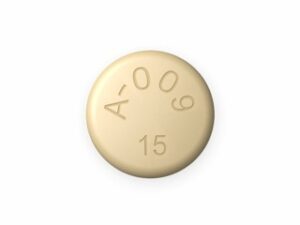
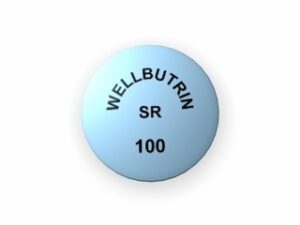
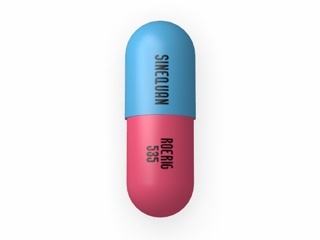
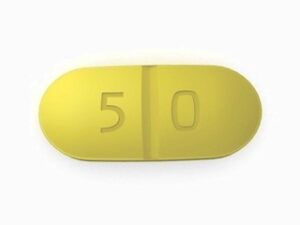
Sinequan contains the active substance doxepin. It is available in different formulations depending on manufacturer and market. Your product label or pharmacy information will confirm the exact strength and dosing schedule for your specific medicine.
Always check:
- Strength (mg) and formulation (e.g., capsules/tablets)
- How often it is taken (once or multiple times daily depending on the plan)
- Any special instructions from your healthcare professional
How Sinequan works (mechanism of action)
Doxepin helps treat symptoms by acting on several chemical systems in the brain. The main mechanisms include:
- Serotonin reuptake inhibition: Helps increase serotonin signalling by reducing the reabsorption of serotonin in nerve synapses.
- Noradrenaline reuptake inhibition: Helps increase noradrenaline signalling by reducing reabsorption in nerve synapses.
- Receptor effects: Doxepin also affects histamine receptors (H1), which can contribute to drowsiness. It may also affect other receptors involved in mood, anxiety, and sleep regulation.
Because of these combined actions, doxepin may help with both emotional symptoms (such as low mood) and sometimes with associated problems (such as sleep disturbance), depending on the condition being treated.
Pharmacokinetics: how the body handles doxepin
“Pharmacokinetics” describes what the body does to the medicine—absorption, distribution, metabolism, and elimination. Key points include:
- Absorption: Doxepin is absorbed after oral administration. Food can influence how quickly it begins to act, although the overall effect depends on the formulation and your dose timing.
- Distribution: Doxepin distributes throughout the body, including into the brain.
- Metabolism: Doxepin is extensively metabolised, mainly in the liver, by enzymes of the cytochrome P450 system (including CYP pathways).
- Half-life: Doxepin and its metabolites have a long duration of action, meaning effects can persist beyond a single dose.
- Elimination: Metabolites are eliminated primarily via the kidneys.
In practice, this is why:
- Dosage adjustments may be considered in people with liver impairment.
- Drug interactions can matter—especially if other medicines affect liver enzymes.
- Stopping suddenly can be uncomfortable for some people, so a gradual approach may be advised.
Typical use and indications (UK context)
Doxepin is indicated for specific conditions depending on product licensing, local guidance, and clinical judgement. In the UK, TCAs including doxepin are commonly considered for:
- Depressive illness (especially where other treatments may not be suitable or where TCA benefits are considered appropriate).
- Symptoms related to depression, including disturbed sleep or anxiety-like symptoms, when clinically appropriate.
Note: Indications can vary by formulation and evolving guidance. Your clinician/pharmacist will use up-to-date UK references to confirm suitability for your specific situation.
When to take Sinequan (timing)
Timing depends on your dose and the way you respond. Doxepin can cause sleepiness in some people, so it is often taken in the evening, particularly if sedation is expected.
Common timing approaches include:
- Evening or before bed: Often preferred if it makes you drowsy.
- Split dosing (if prescribed): Some people take doses morning and evening to balance daytime alertness and night-time benefit.
If you are unsure about timing, refer to the instructions on the medicine label or advice from your pharmacist.
How long before it helps?
Many people do not feel full benefit immediately. Typical patterns include:
- Sleep/anxiety symptoms: may improve within days for some people.
- Low mood and overall depression: often take 2–4 weeks (sometimes longer) to become clearly noticeable.
- Ongoing response: continued treatment may be needed for stabilisation and relapse prevention.
If side effects are significant early on, it’s important to discuss this with a healthcare professional—dose adjustments or supportive strategies may help.
Food interactions
In general, doxepin can be taken with or without food, but the timing of meals may influence how quickly you feel effects in some individuals. The most practical advice is:
- Be consistent: take it the same way each day (with food or without food) unless told otherwise.
- Avoid heavy meals immediately before bedtime if you experience nausea or indigestion.
There are also general TCA considerations:
- Grapefruit / grapefruit juice: may interact with medicines metabolised by CYP enzymes in some cases. If you use grapefruit, discuss it with a pharmacist.
- Alcoholic or sugary beverages: can worsen sedation or mood symptoms—see alcohol section below.
Alcohol and medicine interactions
Alcohol
Combining Sinequan with alcohol can increase side effects, particularly:
- Sleepiness and dizziness
- Impaired judgement and coordination
- Reduced safety for driving or operating machinery
For safety, it is usually best to avoid alcohol while starting doxepin or if you notice sedation. If you want to drink, speak to your pharmacist/clinician for personalised guidance.
Common medicine interactions (important)
Doxepin can interact with other medicines, sometimes increasing side effects or altering blood levels. Tell a pharmacist or clinician about all medicines you take, including over-the-counter products and supplements.
Examples of medicines that may interact include:
- Other antidepressants (including SSRIs/SNRIs or MAO inhibitors) — can increase serotonin-related or TCA-related side effects.
- Monoamine oxidase inhibitors (MAOIs) — generally require strict separation due to serious risk.
- Medicines that affect heart rhythm (e.g., some antiarrhythmics) — may add to cardiac risk, especially at higher doses.
- Medicines that cause drowsiness (e.g., sedating antihistamines, opioid painkillers, benzodiazepines) — can intensify sedation.
- Medicines that lower blood pressure — may increase dizziness or falls.
- Enzyme inhibitors/inducers (for example, certain anti-fungal or anti-viral medicines) — can raise or lower doxepin levels.
If you are switching antidepressants or starting another medicine, pharmacists can help check interaction risk and advise on safe timing.
Dosing: what is typical?
The exact dose of Sinequan depends on the condition being treated, your age, response, and other health factors (including liver function). Dosing strategies for TCAs often start low and increase gradually to balance benefits and side effects.
Typical dosing principles (general):
- Start low: to reduce early side effects such as drowsiness, dry mouth, or dizziness.
- Adjust gradually: based on response and tolerability.
- Evening dosing may be favoured: if sedation occurs.
Your label will provide the specific number of mg and dosing frequency for your situation. Do not change your dose without clinical guidance, and do not stop suddenly—discontinuation symptoms can occur.
Safety profile: common and serious side effects
Like all medicines, Sinequan can cause side effects. Many people experience mild effects early on, which may improve over time. However, some effects require urgent medical attention.
Common side effects
- Drowsiness or fatigue
- Dizziness, especially when standing up
- Dry mouth
- Constipation
- Blurred vision or difficulty focusing
- Increased appetite and possible weight gain
- Urinary retention (more relevant in men with prostate issues)
- Nausea
Less common but important risks
- Changes in heart rhythm: TCAs can affect cardiac conduction in some people. Risk is higher with overdose, high doses, or certain heart conditions and interacting medicines.
- Sedation-related falls: especially in older adults or when standing from bed/chairs.
- Confusion or worsening of cognition in some individuals (more likely with sedation or in older age).
Seek urgent help if you experience
- Symptoms of an allergic reaction (swelling of face/lips, rash, breathing difficulties)
- Fainting, severe dizziness, or fast/irregular heartbeat
- Signs of overdose (extreme drowsiness, seizures, severe confusion, breathing problems)
If you think you may have taken more than intended, contact emergency services immediately or seek urgent medical advice.
Practical use tips (how to make treatment easier)
- Plan for the first days: because sedation can occur, be cautious with driving and work activities, especially when starting or changing dose.
- Stay hydrated and manage dry mouth: sip water regularly, consider sugar-free lozenges, and maintain good oral hygiene.
- Prevent constipation: include fibre, fruit/veg, and adequate fluids; ask a pharmacist about stool softeners if needed.
- Stand up slowly: to reduce dizziness or lightheadedness, especially in the morning.
- Keep a routine: consistent timing helps your body adapt and can improve sleep quality.
- Don’t abruptly stop: if you need to discontinue, a gradual plan is usually safer. Discuss it with a clinician.
Driving, alcohol-free days, and daily activities
Doxepin can impair reaction time and judgement, particularly at the start of treatment or after dose increases. In the UK, always follow local advice about driving and medicines. If you feel drowsy, do not drive or cycle on busy roads, and avoid machinery until you know how you react.
For many people, sedation improves after the initial adjustment period. Still, it is best to be cautious—especially during the first two weeks.
Alternative options
Alternatives depend on the condition being treated, your medical history, and prior responses. If Sinequan is not suitable, clinicians may consider other therapies such as:
Other antidepressants
- SSRIs (e.g., sertraline, citalopram)
- SNRIs (e.g., venlafaxine, duloxetine)
- Other TCAs (e.g., amitriptyline or other choices when appropriate)
Non-medicine approaches
- Talking therapies (e.g., CBT)
- Lifestyle adjustments (sleep routine, physical activity, structured daily activities)
- Supportive interventions through primary care and mental health services
The “best” alternative varies. A pharmacist can help explain differences in side-effect profiles and interaction risks between options.
Market and legal context in the United Kingdom
Medicines in the UK are regulated by the medicines framework and supplied through authorised channels. Availability on online pharmacy services generally follows the same UK safety and regulatory requirements that apply to offline dispensing. Medicines are provided to patients based on appropriate assessment and supply processes that meet UK standards.
Sinequan (doxepin) is commonly handled as a prescription medicine within the UK supply chain, with strict rules around safe ordering, labelling, and patient counselling. Always ensure you receive your medicine from a legitimate, regulated pharmacy.
Recent guidance (what to keep in mind)
Clinical guidance for depression and anxiety evolves over time. UK recommendations commonly emphasise:
- Individualised treatment choice based on symptoms, previous response, and risk factors
- Starting low and reviewing regularly for medicines that can cause sedation or cardiovascular effects
- Monitoring for side effects, especially early in treatment
- Safe switching and stopping between antidepressants to reduce discontinuation or interaction risks
- Using talking therapies alongside medication where appropriate
If you have questions about suitability or your plan, speak to a qualified healthcare professional for the most up-to-date advice.
Delivery and availability (online pharmacy)
Online pharmacies in the UK aim to provide reliable access to medicines with standard UK delivery options. When ordering Sinequan, you can generally expect:
- Clear product details (strength, formulation, quantity)
- Secure packaging to protect tablets/capsules during transit
- Estimated delivery times shown at checkout
- Tracking or delivery updates depending on courier/service level
Availability can vary depending on manufacturer supply and regional demand. If a product is temporarily out of stock, an online pharmacy may offer alternatives such as contacting you for confirmation, or providing the closest available authorised option.
Information summary table
| Topic | What to know |
|---|---|
| Medicine type | Tricyclic antidepressant (TCA) |
| Active ingredient | Doxepin |
| How it works | Increases serotonin and noradrenaline signalling; also affects histamine and other receptors |
| Onset of benefit | Sleep/anxiety may improve in days; mood often takes weeks |
| Timing | Often in the evening due to sedation; follow your label instructions |
| Food | Usually can be taken with or without food; be consistent |
| Alcohol | May increase drowsiness and impaired coordination—avoid if possible |
| Key interactions | Other sedating medicines, some antidepressants, and medicines affecting heart rhythm or liver enzymes |
| Common side effects | Drowsiness, dry mouth, constipation, dizziness |
| Safety | Seek urgent help for severe reactions, fainting, irregular heartbeat, or overdose symptoms |
FAQ — Frequently asked questions
1) Is Sinequan the same as doxepin?
Yes. Sinequan is a brand name that contains the active ingredient doxepin.
2) How should I take it?
Follow the directions on your label. Doxepin is often taken in the evening, but your specific schedule may differ. Take it consistently and do not adjust your dose without professional advice.
3) Will it make me sleepy?
It can. Sedation is a common effect, particularly early in treatment. Avoid driving or operating machinery until you know how Sinequan affects you.
4) When can I expect improvement?
Some people notice changes in sleep or anxiety within the first few days. Improvements in depression typically take around 2–4 weeks or longer, depending on the person and dose.
5) Can I take it with food?
Often yes. If you experience stomach upset or want smoother tolerance, taking it with food may help. The best approach is to keep your daily method consistent.
6) Are there foods I should avoid?
There are no universal food bans for doxepin, but grapefruit products may be relevant because of enzyme metabolism. If you regularly consume grapefruit, discuss it with a pharmacist for personal advice.
7) Can I drink alcohol?
It is usually best to avoid alcohol, especially when starting or increasing the dose, because it can increase sedation and safety risks.
8) What medicines should I be careful with?
Be cautious with medicines that cause drowsiness, affect heart rhythm, or interact with liver enzymes. Tell your pharmacist about all products you take, including over-the-counter medicines and herbal supplements.
9) What should I do if I miss a dose?
If you miss a dose, follow the advice provided on your medicine packaging or by your pharmacist. In general, do not take a double dose to make up for a missed one.
10) What if I want to stop taking it?
Do not stop suddenly unless you have been advised to do so. TCAs can cause discontinuation symptoms. If you want to stop, discuss a gradual plan with a clinician/pharmacist.
11) Is Sinequan suitable for everyone?
Suitability depends on medical history, other medicines, age, and risk factors (including heart conditions and liver function). A pharmacist or clinician can help assess whether doxepin is appropriate for you.
12) Where can I get it?
You can obtain Sinequan through authorised UK channels, including reputable online pharmacies. Ensure the service is regulated and provides clear patient support and secure delivery.
Important: This information is intended to help you understand Sinequan (doxepin) in a general, patient-friendly way. Always follow the instructions provided with your specific product and seek medical advice for personalised guidance—especially if you have concerns about side effects, interactions, or changes in your mental health.