
Skelaxin (Metaxalone) – Patient Information (UK)
Skelaxin is a medicine containing metaxalone. It is used to relieve pain and muscle stiffness caused by acute, painful conditions affecting the muscles (for example, strains and sprains). This page explains how Skelaxin works, when it is typically used, how to take it safely, and what to expect.
Always read the patient information leaflet (PIL) that comes with your medicine and follow the advice provided by your healthcare professional.
Basic product information
| Feature | Details |
|---|---|
| Medicine name | Skelaxin |
| Active ingredient | Metaxalone |
| What it’s for | Short-term relief of muscle pain and stiffness |
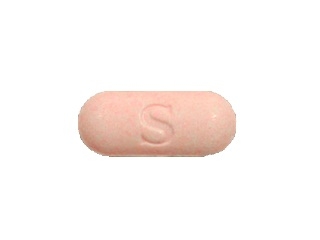
| How it may be supplied | Tablets (availability can vary by manufacturer/pharmacy) |
| Important safety note | May cause drowsiness; avoid driving if affected |
What Skelaxin does (mechanism of action)
Metaxalone is a muscle relaxant. The exact way it works in humans is not fully understood, but it is believed to help reduce painful muscle spasm and muscle tightness. By easing spasm, it can improve comfort and make it easier to move more normally during recovery.
Key points:
- It targets symptoms (muscle spasm and stiffness) rather than treating the underlying injury directly.
- It is typically used for short-term relief while the body heals.
- It is often used alongside rest, gentle movement, and pain relief measures such as heat or physiotherapy advice.
Pharmacokinetics (how the body handles metaxalone)
“Pharmacokinetics” describes what happens to a medicine from the moment you take it until it leaves your body. While specific values can vary between individuals and formulations, the overall pattern is:
- Absorption: Metaxalone is absorbed after oral dosing.
- Distribution: It reaches target tissues, including muscles.
- Metabolism: It is processed by the liver (metabolised).
- Elimination: Metabolites are excreted mainly through the kidneys and urine.
Practical implication: Because metabolism involves the liver, you may be advised to take extra caution if you have liver problems or drink alcohol regularly. If you develop signs of liver irritation (e.g., yellowing of the skin/eyes or dark urine), seek urgent medical advice.
Typical use and indications
Skelaxin is used for the relief of pain and muscle spasm associated with acute musculoskeletal conditions. Typical examples include:
- Back pain caused by muscle strain or spasm
- Neck pain due to muscular spasm
- Sprains and strains
- Other short-term painful conditions involving skeletal muscle
What it won’t do: It does not cure fractures, serious nerve compression, or conditions requiring urgent assessment. Persistent or severe symptoms should be reviewed by a clinician.
When to take it (timing and duration)
How often you take Skelaxin depends on your specific regimen and the dose prescribed. In many cases, muscle relaxants are taken on a regular schedule for a limited period to maintain symptom control.
General timing tips:
- Take it consistently: Try to space doses evenly throughout the day.
- Consider drowsiness: If it makes you sleepy, you may want to avoid taking a dose right before tasks that require alertness.
- Use short-term only: If symptoms do not improve after a short course, seek further advice. Ongoing pain may require a different approach.
Missed dose: If you miss a dose, take it when you remember unless it is close to the time for the next dose. Do not take double the amount to catch up. If you’re unsure, follow the advice in the PIL or ask a pharmacist.
Dosing (how much to take)
Dosing schedules vary by age, symptom severity, and the specific product strength. Always follow the dose instructions given for your medicine.
Important: Do not exceed the recommended dose. Taking more than advised increases the risk of side effects, including excessive sedation.
- Adults: Usual dosing is set by the product instructions and prescriber advice.
- Elderly: Older adults may be more sensitive to drowsiness or dizziness. Extra caution may be needed.
- Children: Use in children should only be under appropriate specialist guidance and according to the product licence/PIL.
- Renal/hepatic impairment: If you have kidney or liver disease, discuss with a healthcare professional before using metaxalone.
If you would like, tell us your age and the strength written on your tablet packaging (e.g., mg), and we can help you interpret the label directions and typical scheduling approach.
Food interactions
Metaxalone can be taken with or without food, but practical guidance often depends on tolerability.
- If it upsets your stomach: taking it with food may help reduce nausea or indigestion.
- Maintain consistency: take it the same way each dose unless you’re told otherwise.
What to avoid: There are no universal “must avoid” foods, but heavy meals may affect how you feel after taking the tablet (especially if it causes mild sedation). If you notice changes in stomach comfort, adjust with your pharmacist’s advice.
Alcohol and medicine interactions
Alcohol: Avoid or minimise alcohol while taking Skelaxin. Alcohol can increase the risk of side effects such as drowsiness, dizziness, and impaired coordination. This is especially important for activities like driving or operating machinery.
Other medicines that may interact:
- Other sedatives or sleep medicines (including some antihistamines that cause drowsiness): may increase sedation.
- Opioid painkillers (e.g., morphine, oxycodone) and some cough suppressants: may increase risk of excessive drowsiness.
- Antidepressants and anxiety medicines (especially those that can cause sleepiness): combined effects may lead to dizziness.
- Medicines affecting the liver: since metaxalone is metabolised in the liver, caution is advised if you take medicines known to impact liver function.
Always check: Tell your pharmacist about all medicines you use, including over-the-counter products, herbal remedies, and supplements. This helps avoid unintended interactions.
Safety profile (side effects and warnings)
Like all medicines, Skelaxin can cause side effects. Not everyone gets them. Side effects may be more likely at higher doses or when combined with alcohol or other sedating medicines.
Common side effects
- Drowsiness or feeling tired
- Dizziness
- Headache
- Nausea or stomach upset
Less common but important
- Allergic reactions (rash, itching, swelling, wheezing)
- Liver-related problems (unusual fatigue, loss of appetite, upper abdominal discomfort, dark urine, yellowing of skin/eyes)
Seek urgent help if you notice
- Signs of a severe allergic reaction (swelling of face/lips, difficulty breathing)
- Severe or persistent yellowing of the skin/eyes or dark urine
- Fainting, severe confusion, or breathing difficulties
Driving and operating machinery
Because metaxalone can cause drowsiness and dizziness, do not drive or use machines if you feel sleepy, dizzy, or not fully alert. This is particularly important during the first few doses until you know how you respond.
Pregnancy and breastfeeding
If you are pregnant, planning pregnancy, or breastfeeding, discuss with a healthcare professional before taking metaxalone. Risks and benefits should be considered individually.
Dependence and misuse
Metaxalone is not generally regarded as a drug of misuse in the way some substances are, but it can still cause unwanted effects such as sedation. Do not exceed the recommended dose and do not use longer than advised.
Practical use tips for getting better outcomes
Medication works best when combined with appropriate self-care. The following tips can help you use Skelaxin more safely and effectively:
- Rest, but keep gently moving: Avoid complete immobility. Gentle movement and physiotherapy advice can speed recovery.
- Heat or cold therapy: Many people find heat for muscle tightness or cold for acute injury helpful. Use for short periods and protect your skin.
- Check posture and activity: Avoid heavy lifting and positions that trigger spasm. Gradually return to normal activities.
- Stay hydrated: If you feel dizzy or unwell, drink water and take care when standing up.
- Reduce sedation risks: Avoid alcohol and be cautious with other sedating medicines.
- Monitor symptom pattern: If pain worsens, spreads, or is accompanied by numbness/weakness, seek medical assessment.
When to seek medical advice (red flags)
While muscle spasm is common, some situations require prompt review. Contact a healthcare professional urgently if you have:
- Severe pain after a significant injury
- Loss of bladder/bowel control, or numbness in the groin/saddle area
- Weakness in a leg/arm, or progressive numbness
- Fever, unexplained weight loss, or feeling very unwell
- Pain that does not improve after the expected short course
Alternative options (if Skelaxin is not suitable)
If Skelaxin isn’t appropriate due to side effects, interactions, or lack of benefit, there are other approaches to manage muscle spasm and pain:
Non-medicine options
- Physiotherapy and targeted exercise/rehabilitation
- Heat therapy, stretching, and mobility work
- Activity modification and ergonomic adjustments
Other medication approaches
- Simple pain relief such as paracetamol or non-steroidal anti-inflammatory drugs (NSAIDs) may be considered for pain control (subject to suitability).
- Other muscle relaxants may be used depending on diagnosis and tolerability.
Choosing an alternative: The best option depends on your symptoms, medical history, and any other medicines you take. A pharmacist can help you think through suitability and safety.
Market and legal context in the United Kingdom
In the UK, medicines are regulated by the Medicines and Healthcare products Regulatory Agency (MHRA), with guidance and oversight through UK medicines regulation. Supply arrangements—whether via pharmacies, under specific services, or with consultation—depend on the product’s licence and classification.
Important notes for UK customers:
- Availability can vary between brands, pack sizes, and distributors.
- Pharmacists may need to check suitability based on your age, medical conditions, and current medicines.
- For safe use, you should not combine products that contain similar ingredients.
Recent guidance and safety awareness: In general, UK healthcare messaging emphasises safe pain management, reviewing ongoing symptoms, avoiding medication duplication, and heightened caution with sedating drugs (including alcohol avoidance and driving warnings).
Delivery and availability (UK)
Skelaxin availability may change depending on supply chains and manufacturer stock. When offered through an online pharmacy, delivery times will depend on the service level selected and local courier routes.
What to expect when ordering online:
- Stock checks: Most reputable online pharmacies check real-time availability.
- Packaging: Medicines are typically dispatched in secure packaging with clear label details.
- Delivery: Delivery options (e.g., standard or tracked) vary by pharmacy.
- Returns: Follow the retailer’s policy; prescription status and pharmacy rules may affect returns and refunds.
Plan ahead: If symptoms are acute, order early so you can start treatment promptly (only if suitable for you). If the medicine is unavailable, your pharmacy may advise alternatives.
FAQ
1) What is Skelaxin used for?
Skelaxin (metaxalone) is used for short-term relief of pain and muscle spasm associated with acute musculoskeletal conditions such as strains and sprains.
2) How quickly does it work?
Many people notice relief within the first day or two, but this varies. If there is no improvement within the expected short timeframe, consult a healthcare professional.
3) Can I take Skelaxin with food?
Yes, it can usually be taken with or without food. If you get nausea, taking it with food may help.
4) Can I drink alcohol while taking Skelaxin?
It’s best to avoid or strongly limit alcohol. Alcohol can increase drowsiness, dizziness, and impaired coordination when combined with metaxalone.
5) Will Skelaxin make me sleepy?
It can. Drowsiness and dizziness are among the more common effects. Avoid driving and operating machinery until you know how you respond.
6) What should I do if I miss a dose?
Take it when you remember unless it’s close to the next dose. Do not take a double dose. Check the patient information leaflet or ask a pharmacist if you’re unsure.
7) Are there any signs I should stop and seek help?
Stop and seek urgent medical advice if you develop signs of a severe allergic reaction (swelling, breathing difficulties) or possible liver problems (yellow skin/eyes, dark urine, severe persistent fatigue).
8) Can I take Skelaxin with other painkillers?
Many people may use pain relief alongside muscle relaxants, but suitability depends on your health conditions and other medicines. Ask a pharmacist, especially if you use opioid painkillers or other medicines that cause drowsiness.
9) Is Skelaxin suitable for everyone?
No. People with certain liver or kidney issues, those with a history of allergy to metaxalone, pregnant or breastfeeding individuals, and those on interacting medicines may require caution or a different treatment plan.
10) What are the non-drug ways to help muscle spasm?
Gentle movement, physiotherapy exercises, stretching advice from a professional, heat/cold therapy, and avoiding aggravating activities can all support recovery.
Disclaimer: This information is intended to help you understand Skelaxin (metaxalone) and how it is commonly used. It does not replace medical advice. If you have questions about your specific situation—especially if symptoms are severe, worsening, or unusual—contact a healthcare professional or pharmacist.