


Anafranil (Clomipramine HCl) – Patient Information (UK)
Anafranil is a medicine containing clomipramine hydrochloride, a member of the tricyclic antidepressant (TCA) group. It is used for certain conditions where symptoms can significantly affect daily life, sleep, work, relationships and wellbeing.
This page explains how Anafranil works, how it is usually taken, important safety information, and practical tips to help you use the medicine confidently. If you have questions about your personal treatment plan, speak to a healthcare professional.
Key product information
| Medicine name | Active ingredient | Medicine type | Common use areas |
|---|---|---|---|
| Anafranil | Clomipramine HCl | Tricyclic antidepressant (TCA) | Obsessive-compulsive disorder (OCD) and related conditions |
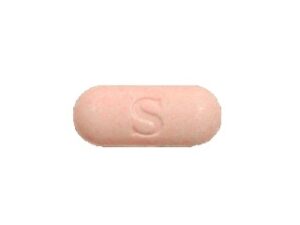
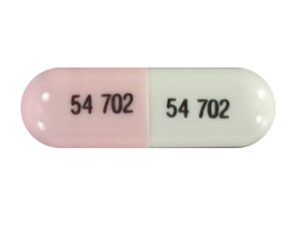
- Presentation: Anafranil is typically supplied as oral tablets.
- How it is used: Taken by mouth once or multiple times daily depending on the dosing schedule.
- Availability: May be supplied through UK community pharmacies where available and appropriate for the patient’s needs.
How Anafranil works (mechanism of action)
Clomipramine mainly affects brain chemicals involved in mood, anxiety and repetitive thoughts/behaviour. It works by:
- Inhibiting reuptake of serotonin (5-HT), increasing serotonin activity in the brain.
- Modestly affecting noradrenaline (norepinephrine) reuptake, which can influence alertness and mood.
- Blocking certain receptors (including histamine and muscarinic receptors), which can contribute to side effects such as drowsiness and dry mouth.
For OCD in particular, improvements may develop gradually as brain pathways involved in intrusive thoughts and compulsions adjust.
Pharmacokinetics: how the body handles clomipramine
Understanding pharmacokinetics can help explain why dosing may be adjusted and why effects build over time.
- Absorption: Clomipramine is absorbed after oral dosing.
- Metabolism: It is extensively metabolised in the liver (mainly via cytochrome P450 enzymes including CYP2D6).
- Active metabolites: Some metabolites may contribute to the overall effect.
- Distribution: It distributes throughout the body, including the central nervous system.
- Elimination: Drug and metabolites are cleared primarily through metabolism and excretion processes.
- Half-life: The medicine has a long enough duration of action that consistent dosing is important.
If you have liver problems, take medicines that affect liver enzymes, or you are an ultra-rapid or poor metaboliser (genetic variation in drug metabolism), blood levels and side-effect risk can change. Your clinician may therefore consider monitoring or dose adjustments.
What Anafranil is used for (indications)
Anafranil is used for conditions where intrusive thoughts and/or compulsive behaviours are prominent. The best-known indication is:
- Obsessive-compulsive disorder (OCD): especially when symptoms are persistent and interfere with daily functioning.
Depending on clinical judgement and local guidance, TCAs like clomipramine may also be considered for other related conditions. Your healthcare professional can confirm whether it is appropriate for your diagnosis.
When it starts working (timing) and how long it takes
Many people notice early changes such as reduced anxiety or better sleep, but full benefit for OCD usually takes longer.
- Early effects: may be seen within the first 1–2 weeks for some symptoms (not always).
- Ongoing improvement: often continues over several weeks.
- Full benefit: may require several months of consistent treatment for OCD.
Do not stop abruptly if you feel side effects early on or if you do not feel immediate improvement. Sudden stopping can lead to withdrawal-type symptoms. If you think the dose or timing needs changing, discuss it with a healthcare professional.
How to take Anafranil (typical dosing approach)
Doses vary by condition, age, tolerance, and how you respond. A common approach with clomipramine is to start low and increase gradually to reduce side effects.
Important: Always follow the dose schedule provided by your healthcare professional or medicines information document.
General guidance (what many regimens look like)
- Starting dose: usually low to assess tolerance.
- Gradual increase: dose may be increased stepwise at intervals.
- Maintenance dose: a dose that balances symptom control with tolerability.
How to take tablets
- Swallow tablets with water.
- Try to take your doses at the same times each day.
- If taking multiple doses, your regimen may be structured to reduce daytime drowsiness.
If you miss a dose
- Take it when you remember if it is not close to the next dose.
- If near the next scheduled dose, skip the missed dose and continue as normal.
- Do not double to make up the missed dose.
Food interactions and taking with meals
Food can influence comfort and absorption for some medicines. For clomipramine:
- Taking with food may help if you experience stomach upset or nausea.
- Consistency is helpful—try to take doses in a similar way each day (e.g., always with or always without food), unless advised otherwise.
If you notice worsening side effects with certain foods or drinks (for example, caffeine-heavy beverages increasing anxiety or palpitations), consider discussing this with your healthcare professional.
Alcohol and medicine interactions
Alcohol
Combining Anafranil with alcohol can increase sedation and affect judgement and coordination. It may also worsen mood, sleep quality and overall tolerability.
- Recommendation: avoid or minimise alcohol while taking clomipramine.
- If you do drink, keep it small and discuss with a clinician if you have sleepiness or dizziness.
Common medicine interactions (important)
Anafranil can interact with other medicines, sometimes significantly. Always tell your pharmacist/clinician about all medicines you take, including OTC products and herbal supplements.
- Other medicines affecting serotonin: combining with other serotonergic medicines can increase the risk of serotonin syndrome. Examples include some migraine treatments (triptans), certain pain medicines (e.g., tramadol), and other antidepressants.
- Monoamine oxidase inhibitors (MAOIs): dangerous interactions can occur when switching between MAOIs and TCAs; strict timing rules usually apply.
- Medicines that affect heart rhythm: clomipramine can influence cardiac conduction. Combining with other drugs that prolong QT can increase risk of abnormal heart rhythms.
- Enzyme inhibitors (e.g., CYP2D6 inhibitors): these may raise clomipramine levels and increase side effects.
- Other sedatives: benzodiazepines, opioid painkillers, antihistamines that cause drowsiness and some sleep medicines may add to sedation.
- Anticholinergic medicines: may increase dry mouth, constipation, blurred vision and urinary retention.
- Blood pressure or heart medicines: monitor for dizziness, changes in blood pressure, or palpitations.
Herbal and OTC interactions
- St John’s wort may increase serotonergic effects and reduce tolerability.
- OTC cough/cold products can contain ingredients that affect sedation or serotonin-like pathways—check labels or ask your pharmacist.
Safety profile: who should take extra care?
Like all medicines, Anafranil can cause side effects. Many are dose-related and may improve as your body adjusts, but some require prompt medical attention.
Common side effects
- Drowsiness or tiredness
- Dizziness
- Dry mouth
- Constipation
- Nausea or stomach upset
- Blurred vision
- Increased sweating
- Tremor in some people
- Weight change (often weight gain in longer-term use)
- Sexual dysfunction (libido changes, delayed orgasm)
Serious but less common risks
- Heart rhythm problems: clomipramine can affect electrical activity in the heart. Risk may be higher if you have existing heart disease or take interacting medicines.
- Seizures: risk increases at higher doses or with certain predispositions.
- Serotonin syndrome: particularly with other serotonergic medicines. Symptoms include agitation, confusion, sweating, fever, fast heart rate, tremor and diarrhoea.
- Mania or hypomania: in people with bipolar disorder (restlessness, unusually high energy, reduced need for sleep).
- Allergic reactions: swelling of face/lips, rash, breathing difficulties.
- Urinary retention: trouble passing urine (more likely with other anticholinergic effects).
When to seek urgent help
Contact urgent medical services or seek urgent help if you experience:
- Fainting, severe dizziness, chest pain, or strong palpitations
- High fever, severe agitation, muscle stiffness, or signs of serotonin syndrome
- Severe allergic symptoms (swelling, difficulty breathing)
- Seizure
Practical use tips (to help you get the best from treatment)
- Give it time: for OCD, improvements can be gradual. Track symptoms weekly to discuss progress.
- Plan for initial side effects: drowsiness or dry mouth are common early on; consider taking doses in a way that fits your day.
- Hydrate and manage constipation: drink fluids, eat fibre, and consider an appropriate stool softener if advised by a pharmacist.
- Dental care: dry mouth can increase tooth decay risk—use fluoride toothpaste and stay hydrated.
- Stand up slowly: dizziness can occur. Rise gradually from sitting/lying positions.
- Avoid driving if sleepy: do not drive or operate machinery until you know how Anafranil affects you.
- Keep a medication list: include all OTC and supplements to avoid dangerous interactions.
- Do not stop suddenly: if you need to stop, tapering is usually required.
Alternative options
Treatment choice depends on diagnosis, severity, prior responses, and individual risk factors. If Anafranil is not suitable or not tolerated, healthcare professionals may consider alternatives such as:
Psychological and non-medicine options
- CBT for OCD (including exposure and response prevention, ERP)
- Structured self-help approaches and symptom monitoring
Other medicine options
- SSRIs (commonly used first-line medicines for OCD in many cases, depending on local guidance)
- Other antidepressant strategies where clinically appropriate
Your clinician can explain why a particular medicine is selected and what benefits and risks to expect.
UK market and legal context (what this means in practice)
In the United Kingdom, medicines are regulated and classified for supply. The ability to purchase a medicine through online pharmacies may depend on:
- Its legal category (e.g., prescription-only vs. pharmacy-available, where applicable)
- Age restrictions and suitability checks
- Controlled medicine status (if relevant)
- Compliance with UK medicines regulations and pharmacy standards
Always ensure the medicine supplied matches the formulation and strength specified for your treatment plan. Counterfeit medicines are a serious risk—use reputable providers.
Recent guidance and monitoring approach (UK context)
OCD management typically combines evidence-based psychological therapy and medication when needed. In UK practice, clinicians often consider:
- Gradual dose titration to improve tolerability
- Regular review of benefits and side effects
- Medication interaction checks (especially for medicines that affect heart rhythm or serotonin levels)
- Assessment of risk factors such as personal or family history of arrhythmia, seizure risk, and bipolar history
Depending on your medical history, monitoring may include blood pressure checks and, in some cases, heart assessment (e.g., ECG) where appropriate for tricyclic antidepressants.
Delivery and availability (online pharmacy information)
Delivery availability can vary by supplier and stock status. When ordering Anafranil online in the UK:
- Check product details (strength, pack size, formulation) before checkout.
- Delivery times depend on the pharmacy service area and dispatch schedule.
- Cold-chain storage is usually not required for Anafranil tablets, but always store in line with label instructions.
- Discreet packaging is commonly used for prescription-style medicines.
After dispatch, you may receive tracking information where offered. If you have urgent needs or require confirmation of availability, contact the pharmacy’s support team.
Storage and handling
- Keep out of the sight and reach of children.
- Store at room temperature and protect from excessive heat and moisture, unless the label states otherwise.
- Keep tablets in their original packaging until you are ready to use them.
- Do not use after the expiry date printed on the pack.
FAQ about Anafranil (clomipramine HCl)
1) What is Anafranil used for?
Anafranil (clomipramine HCl) is used for conditions such as obsessive-compulsive disorder (OCD) where intrusive thoughts and compulsive behaviours significantly affect life.
2) How quickly will I feel better?
Some people notice changes in the first couple of weeks, but for OCD the most meaningful improvement often takes weeks to months. Consistent dosing and regular review are important.
3) Can I take Anafranil with food?
Yes. Taking with food may reduce stomach upset for some people. If a schedule suits you, try to keep it consistent.
4) Can I drink alcohol while taking Anafranil?
It’s generally advisable to avoid or minimise alcohol because it can worsen drowsiness, coordination problems and mood.
5) What medicines should I avoid mixing with Anafranil?
Because interactions can be significant, you should avoid starting or stopping medicines without advice. Particularly important categories include other antidepressants/serotonergic drugs, MAOIs, and medicines that can affect heart rhythm or increase sedation. Always check with your pharmacist or prescriber and provide a full list of your current medicines.
6) What should I do if I miss a dose?
Take it when you remember if it is not close to the next dose. If it’s near the next dose, skip the missed dose. Do not take a double dose.
7) Are there any common early side effects?
Common early side effects include drowsiness, dry mouth, constipation, dizziness and nausea. Many improve as your body adjusts, but persistent or severe effects should be discussed with a clinician.
8) Is Anafranil safe to stop suddenly?
Stopping suddenly can cause withdrawal-type symptoms. If you want to discontinue, your healthcare professional will usually recommend a gradual taper.
9) Do I need monitoring while taking Anafranil?
Monitoring needs depend on your health profile and dose. Some people may need heart monitoring (especially if they have risk factors) and regular symptom and side-effect review is typically recommended.
10) What are alternatives if Anafranil doesn’t suit me?
Alternatives may include other medicine options (often SSRIs for OCD) and psychological treatments such as CBT with exposure and response prevention (ERP). Your healthcare professional can help determine the best fit for you.
Reminder: This information is intended to support understanding of Anafranil. It does not replace personalised medical advice. If you have concerns about side effects, interactions, or whether the medicine is suitable for you, speak with a healthcare professional or pharmacist.