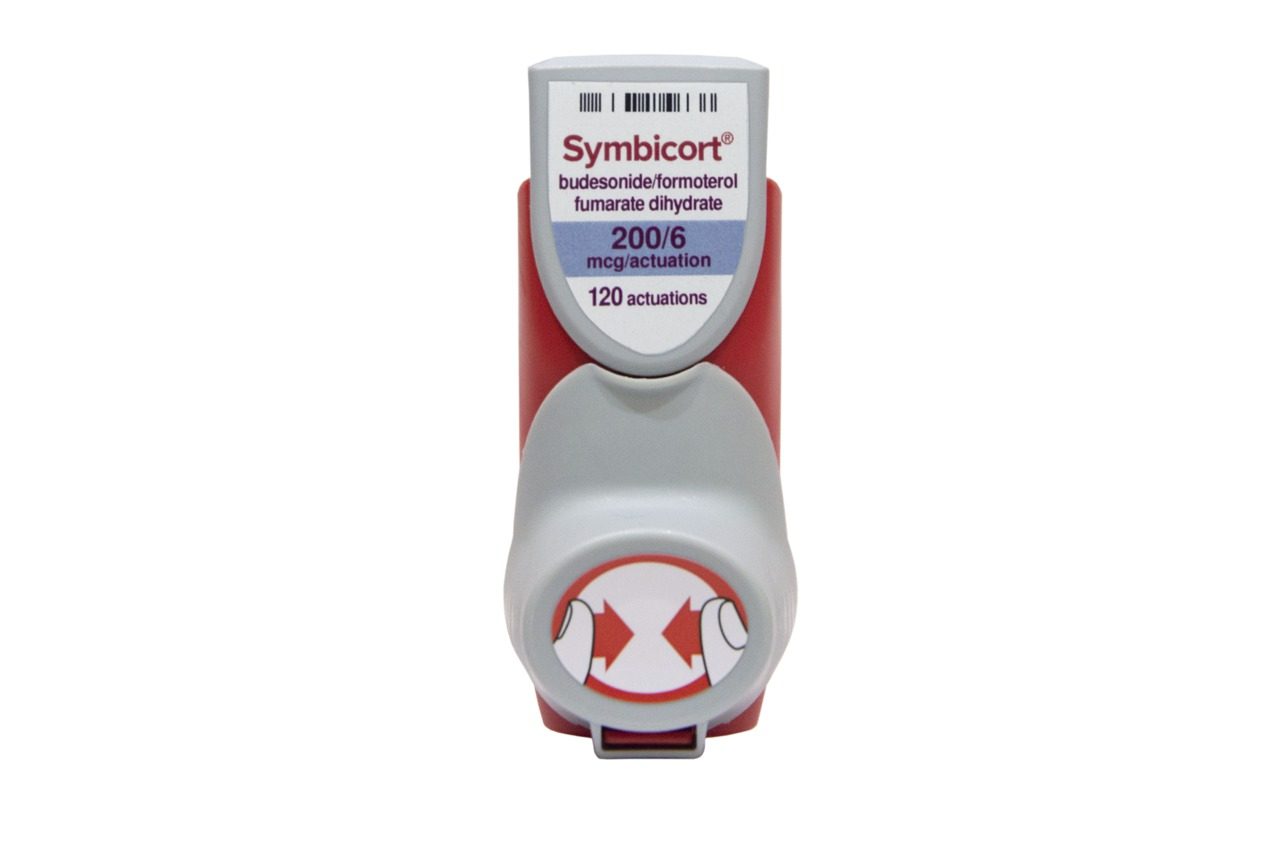
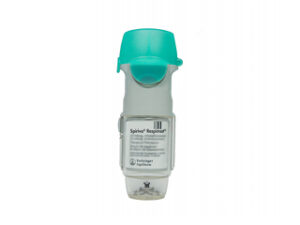

Symbicort (Budesonide / Formoterol Fumarate Dihydrate) Powder Form – Patient Information (UK)
Symbicort is an inhaled medicine used to help control asthma and, in some people, chronic obstructive pulmonary disease (COPD). It contains two medicines: budesonide (an inhaled corticosteroid) and formoterol fumarate dihydrate (a long-acting bronchodilator from the formoterol class).
This page explains how Symbicort works, how it is typically used, timing and technique tips, safety considerations, and how it compares with alternative options. It is written for patients in the United Kingdom.
At a glance: what Symbicort does
- Reduces airway inflammation (budesonide helps calm swelling and irritation in the lungs).
- Helps keep airways open (formoterol relaxes the muscles around the airways to improve breathing).
- Helps prevent symptoms and improve long-term control when used regularly.
- Depending on the prescribed approach, it may also be used for symptom relief in certain asthma action plans.
Basic product information
Product name: Symbicort (Powder Form)
Active ingredients: Budesonide / Formoterol fumarate dihydrate
Medicine type: Inhaled corticosteroid (ICS) + long-acting beta2-agonist (LABA)
Delivery form: Dry powder inhaler (DPI) technology (powder inhalation)
Common strengths (examples):
- Symbicort typically available in strengths such as 100/6 micrograms or 200/6 micrograms per inhalation (exact availability may vary).
Note: Always check the strength on your specific pack. Different strengths are used for different clinical needs and age groups.
How Symbicort works (mechanism of action)
Budesonide (inhaled corticosteroid)
Budesonide reduces inflammation in the airways. In asthma and some COPD patients, airway inflammation contributes to symptoms such as wheeze, shortness of breath, chest tightness, and cough.
- Helps decrease swelling and irritation.
- Reduces mucus production and airway hyper-responsiveness over time.
- Improves long-term symptom control and reduces exacerbations when used as directed.
Formoterol (beta2-agonist)
Formoterol relaxes smooth muscle in the airways, leading to bronchodilation (wider airways), which can improve airflow and reduce breathlessness.
- Acts quickly compared with some other LABAs.
- Has a relatively long duration of effect, supporting regular asthma control.
Combination benefit: Using both an ICS and a LABA targets two key aspects of airway disease: inflammation (budesonide) and bronchoconstriction (formoterol).
Pharmacokinetics (how the body processes the medicines)
Pharmacokinetics describes how the medicine is absorbed, distributed, metabolised, and eliminated.
Absorption
- Inhaled delivery: Most of the active substance is delivered to the airways via inhalation.
- Some portion may reach the gut after swallowing from inhaler technique; however, inhaled routes dominate overall effect.
Distribution
- Budesonide is widely distributed in the body and binds to plasma proteins.
Metabolism
- Budesonide is extensively metabolised, mainly in the liver.
- This contributes to the medicine’s safety profile and helps determine interactions with certain medicines.
Elimination
- Metabolites are removed primarily through the kidneys.
- Formoterol is also metabolised and eliminated from the body, with the dosing schedule reflecting its duration of action in the lungs.
Clinical implication: Liver function and certain interacting drugs can affect corticosteroid exposure and bronchodilator effects. If you have liver disease or take medicines that may interact, seek advice from a healthcare professional.
Typical uses in the UK
Symbicort is used for:
- Asthma: for ongoing control of asthma symptoms and prevention of attacks/exacerbations, depending on the individual treatment plan.
- COPD (where appropriate): in some patients to reduce symptoms and exacerbations, usually in combination with other COPD management strategies.
Important: Symbicort is not the same as a “rescue” medicine for every situation. Your personal asthma or COPD plan will specify how you should use your inhalers for day-to-day control and for symptoms.
Indications and treatment goals
In the UK, the overall goals of asthma and COPD inhaler therapy are to:
- Reduce symptoms and improve daily functioning.
- Prevent flare-ups (exacerbations).
- Maintain good lung function with minimal side effects.
- Use the lowest effective dose that achieves control.
Symbicort’s combination therapy is designed to support these goals by addressing both inflammation and airway narrowing.
Dosing: how much and how often?
Always follow your prescribed regimen. Dosing depends on your diagnosis, age, symptom control, previous inhaler use, and local clinical guidance.
Typical dosing patterns (general information)
- Asthma (maintenance): commonly taken as regular doses each day.
- Asthma (single inhaler approach in some plans): some patients use a combination inhaler for both maintenance and symptom relief, following an agreed action plan.
- COPD: usually taken regularly to reduce symptoms and exacerbation risk.
How to count doses: Many DPI inhalers work in set “inhalations per day” (e.g., 1–2 inhalations, morning and evening). Your exact number of inhalations is printed on your label and explained by your clinician.
Missed dose
- If you miss a dose, take it when you remember unless it’s close to the next scheduled dose.
- Do not take double to make up for the missed dose.
- If unsure, check your medication instructions or speak to a healthcare professional.
Timing: when to take Symbicort
Symbicort is generally used on a regular schedule for asthma control (and typically for COPD as well).
- Asthma maintenance: often taken morning and evening, or as otherwise advised.
- Symptom relief use (if included in your plan): use additional inhalations exactly as directed within your personalised asthma action plan.
Practical tip: Choose times you can easily remember (e.g., after brushing teeth in the morning and evening) and keep consistent daily dosing.
Food interactions
Food is not expected to have a clinically important direct interaction with Symbicort because the medicines are inhaled. However, general considerations still apply:
- For many patients, taking inhalers with or without food is acceptable.
- If you have nausea or throat irritation, consider using after food or with water, if appropriate to your routine.
Key point: There is no well-known requirement to avoid specific foods with budesonide/formoterol inhalation. Always follow advice provided with your prescription label and patient information leaflet.
Alcohol and medicine interactions
Alcohol
There is no specific, widely recognised alcohol interaction with inhaled budesonide/formoterol. However, alcohol may indirectly worsen breathing in some people (for example, by reducing sleep quality or increasing reflux in susceptible individuals).
- If you notice symptoms after drinking alcohol (wheeze, shortness of breath, increased cough), consider reducing alcohol and discussing concerns with a clinician.
Important medicine interactions
Interactions can matter, particularly for formoterol and for budesonide metabolism.
- Beta-blockers (including some eye drops): may reduce effectiveness of formoterol or worsen breathing in susceptible people.
- Other asthma medicines: ensure you understand which inhaler is for control vs relief.
- Medicines affecting liver enzymes (CYP450): some medicines can increase budesonide exposure, potentially raising side effects.
- Diuretics (water tablets) and other drugs affecting potassium: may increase risk of low potassium in some circumstances, which can affect the heart rhythm.
- Monoamine oxidase inhibitors (MAOIs) and certain antidepressants: may increase beta-agonist effects.
Tell your pharmacist: Bring a list of all medicines (including over-the-counter products, herbal remedies, and eye drops) to check for interactions.
Safety profile: common and serious side effects
Like all medicines, Symbicort can cause side effects. Many people have mild effects that improve as the body adjusts.
Common side effects
- Throat irritation or hoarseness
- Oral thrush (candidiasis) (more likely if you don’t rinse your mouth)
- Headache or mild dizziness
- Dry mouth
- Muscle cramps (may occur in some people)
- Tremor (more likely due to the beta-agonist component)
More serious side effects (seek urgent medical advice)
- Breathing suddenly worsens after inhalation, or severe allergic-type reactions (swelling of face/lips, rash, wheeze)
- Chest pain, irregular heartbeat, or fainting
- Severe or persistent high breathing rate, or very noticeable tremor
- Signs of infection that do not settle, especially with prolonged steroid exposure
Long-term steroid considerations
Because budesonide is an inhaled corticosteroid, some steroid-related effects can occur with higher doses or long durations. These may include:
- Potential effects on the skin or bruising
- Impact on bone health in high-dose long-term use (more relevant with systemic steroids)
- Cataracts/glaucoma risk in long-term use (inhaled steroids can contribute)
Your clinician may monitor you if you require higher doses over time.
Practical use tips: getting the best results
Correct inhaler technique is essential for Symbicort to work properly and to reduce side effects such as thrush.
Use steps (general DPI tips)
- Check your device: confirm you have the correct inhaler strength and that it’s within expiry.
- Prepare the dose: follow the steps on your inhaler (often includes opening the device and loading the dose).
- Breathe out fully away from the mouthpiece before inhaling.
- Seal your lips around the mouthpiece.
- Inhale strongly and deeply through the mouth to pull the powder into your lungs.
- Hold your breath for a few seconds (if comfortable) before breathing out.
- Close the inhaler and store safely.
If you’re unsure: ask your pharmacist or practice nurse to watch your technique. Many people need a small adjustment for the powder inhaler to deliver correctly.
Rinse and spit
- After using Symbicort, rinse your mouth with water and spit it out (do not swallow).
- This helps lower the risk of thrush and hoarseness.
Cleaning and storage
- Keep the inhaler dry.
- Clean only as instructed in the device instructions (some parts may not need frequent cleaning).
- Keep away from moisture and high humidity.
Track control
- Keep an eye on symptoms (daytime and night-time), reliever inhaler use, and any flare-ups.
- If you’re frequently needing extra doses or symptoms are worsening, your regimen may need review.
When to seek urgent help
Contact urgent medical services or seek immediate care if you experience:
- Severe breathlessness that is rapidly worsening
- Blue lips/face, inability to speak in full sentences
- Peak flow readings in a dangerously low range (if you monitor)
- Symptoms not improving despite following your agreed action plan
In asthma, delayed treatment of a severe attack can be dangerous, so prompt assessment matters.
Alternatives to Symbicort
Depending on your diagnosis and control level, clinicians may consider other inhaler combinations or single-agent therapies.
Possible alternative categories
- Other ICS/LABA combinations: different budesonide or fluticasone formulations combined with a LABA (e.g., formoterol or salmeterol).
- ICS alone: for milder asthma in selected patients.
- Different LABA options: some patients may be switched between bronchodilators based on response and side effects.
- Triple therapy (in COPD): in certain COPD patients, ICS/LABA may be escalated to include a LAMA (long-acting muscarinic antagonist).
Switching inhalers
If your clinician changes your inhaler, do not assume the dose is equivalent. Technique differences and strength differences can affect results. Ask for instructions on the new device.
Pharmacology notes for patients: what to expect
- Formoterol can provide quicker symptom relief for airway opening.
- Budesonide may take days to weeks to achieve full anti-inflammatory benefits.
- If you feel symptoms persist, technique and adherence are often the first things to check before changing dose.
Recent guidance and UK market context
In the United Kingdom, asthma and COPD inhaler use is guided by evidence-based recommendations from bodies including the NICE (National Institute for Health and Care Excellence) and professional respiratory organisations.
- Asthma: Many modern asthma plans emphasise optimising controller inhaler use and using a personalised action plan for worsening symptoms.
- ICS-containing therapy: Inhaled corticosteroids remain central to preventing exacerbations in people who need controller treatment.
- Device technique: Regular check-ups and technique coaching are strongly encouraged because incorrect inhaler use is a common cause of poor control.
- Safety monitoring: Ongoing review helps minimise side effects and ensure the lowest effective dose.
Availability: Symbicort is widely used in the UK and commonly available through community pharmacies and online dispensing services. Stock can vary, particularly for specific strengths or pack sizes.
Delivery and availability (online pharmacy information)
Online pharmacies in the UK typically offer:
- Home delivery with tracked postage for most orders.
- Standard and express options depending on the provider and location.
- Stock status updates if an item is temporarily unavailable.
How to ensure smooth delivery:
- Confirm your full address, including postcode.
- Ensure someone is available to receive the package if required.
- Store inhalers as directed (typically at room temperature, away from moisture).
Summary table (quick reference)
| Topic | What it means for you |
|---|---|
| What Symbicort contains | Budesonide (anti-inflammatory) + Formoterol (airway relaxation/bronchodilator) |
| Main benefits | Improves long-term control, reduces symptoms, and helps prevent flare-ups |
| How it works | Budesonide lowers inflammation; formoterol widens airways |
| When to take | On a regular daily schedule for controller therapy; timing depends on your action plan |
| Food interactions | No specific food interactions are expected for inhaled use |
| Alcohol | No specific direct interaction is expected; watch for symptom changes |
| Key side effect prevention | Rinse your mouth and spit after each dose to reduce thrush risk |
| When to get help urgently | Severe worsening breathing, allergic reactions, chest pain, fainting, or irregular heartbeat |
FAQ: Frequently asked questions
1) Is Symbicort a steroid?
Yes. Symbicort contains budesonide, an inhaled corticosteroid (a steroid medicine). Inhaled steroids work mainly in the lungs, and using correct inhaler technique and the lowest effective dose helps reduce side effects.
2) How quickly will Symbicort work?
Formoterol can work relatively quickly to improve breathing. Budesonide typically takes longer to fully reduce airway inflammation—often days to weeks. Your clinician may assess control over time.
3) Should I rinse my mouth after using Symbicort?
Yes. Rinse with water and spit out after each dose to lower the chance of oral thrush and hoarseness.
4) Can I use Symbicort for sudden breathing problems?
It depends on your individual asthma or COPD plan. Some asthma action plans allow additional inhalations of certain combination inhalers for symptom relief, but not all patients use Symbicort this way. Follow your plan and ask your healthcare professional if you’re unsure.
5) What if I feel worse after taking a dose?
Stop and seek medical advice urgently if you experience severe or sudden worsening breathing, significant chest tightness, wheeze that is rapidly increasing, or symptoms of an allergic reaction.
6) What should I do if I forget a dose?
Take it when you remember unless it’s close to your next dose. Do not take a double dose to make up for the missed one.
7) Are there medicines I should avoid?
Some medicines can affect Symbicort’s safety or effectiveness (for example, certain beta-blockers and medicines that interact with liver metabolism). Always review your full medication list with your pharmacist.
8) Can I drink alcohol while using Symbicort?
There’s no widely recognised direct interaction between alcohol and Symbicort inhalation. However, alcohol can worsen breathing in some individuals, so monitor how you feel and seek advice if symptoms become more frequent or severe.
9) Will Symbicort cause thrush?
Some people can develop thrush, especially if they do not rinse the mouth after inhalation or use high doses. Rinsing and correct technique can significantly reduce the risk.
10) How do I make sure my inhaler technique is correct?
Ask a pharmacist or nurse to observe your technique. Technique with a dry powder inhaler is particularly important—especially strong, deep inhalation to draw the powder into your lungs.
Important patient note
This information is designed to support understanding of Symbicort and how inhaled medicines are used in the UK. It does not replace personalised advice from healthcare professionals. If you have questions about whether Symbicort is suitable for you, your dosing schedule, or how to manage side effects, seek guidance promptly.