Spiriva (Tiotropium bromide) – Patient Guide (UK)
Spiriva is a medicines brand containing tiotropium bromide, an inhaled medicine used to help keep airways open and make breathing easier in certain long-term lung conditions. It belongs to the group of medicines called antimuscarinics (also known as anticholinergics).
This guide explains what Spiriva is, how it works, how to use it, common safety information, and practical tips. It is written for patients in the United Kingdom. Always follow the advice of your healthcare professional and the instructions provided with your device.
1. Basic product information
- Active ingredient: Tiotropium bromide
- Medicine type: Inhaled long-acting antimuscarinic
- Common brand name: Spiriva
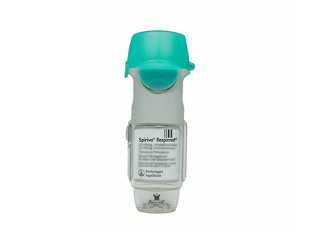
- How it is taken: Inhalation using a specific Spiriva inhaler device (the exact device may vary by product version)
- When it is taken: Usually once daily (device and condition determine the regimen)
Spiriva is used for chronic (long-term) respiratory conditions such as COPD and certain cases of asthma, depending on clinical assessment. Your inhaler type and dose instructions may differ.
2. Mechanism of action (how Spiriva works)
Tiotropium bromide works by blocking specific receptors in the airways known as muscarinic (cholinergic) receptors, mainly the M3 subtype. When these receptors are stimulated (for example by the body’s natural signalling), airways can tighten and secretions can increase.
By blocking these receptors, Spiriva:
- Helps relax airway muscles, reducing narrowing of the airways
- Reduces airway constriction and can improve airflow
- Supports longer-lasting bronchodilation (airway opening) with once-daily dosing
- May reduce symptoms and help prevent flare-ups in some people
Spiriva helps with maintenance of breathing over time. It is generally not intended for rapid relief of sudden breathlessness (often called “rescue” treatment), unless your clinician has specifically advised otherwise.
3. Pharmacokinetics (what the body does to the medicine)
Pharmacokinetics describes how the body absorbs, distributes, metabolises, and excretes a medicine. With inhaled tiotropium, the medicine primarily acts locally in the lungs.
- Absorption: Tiotropium is absorbed through the lungs after inhalation. Some drug may also be swallowed, but the main benefit is from lung deposition.
- Distribution: It distributes into the body tissues, with limited penetration into the central nervous system (brain).
- Metabolism: Tiotropium is not extensively metabolised in the body. Most is handled through excretion rather than transformation into many metabolites.
- Elimination (excretion): Tiotropium is mainly eliminated via the kidneys (urinary excretion). This is important if you have kidney problems.
- Onset and duration: After inhalation, bronchodilation develops and lasts over approximately a full day, supporting once-daily dosing.
Because tiotropium is eliminated primarily by the kidneys, your healthcare professional may assess kidney function and adjust clinical advice accordingly.
4. Typical uses and indications (UK)
Indications can depend on the specific Spiriva product and your diagnosis. Common approved uses in the UK include:
- Chronic obstructive pulmonary disease (COPD): Maintenance bronchodilator treatment to relieve symptoms and reduce exacerbations in appropriate adults.
- Asthma (in selected patients): Tiotropium may be used as an add-on maintenance bronchodilator in some people with asthma that remains inadequately controlled despite regular therapy, following specialist guidance.
Your clinician will decide whether Spiriva is suitable based on your symptoms, lung function tests, previous medicines, and current control of your condition.
5. Dosing and timing
Do not change your dose unless your healthcare professional tells you to. The exact dose and device instructions depend on the Spiriva product version you have been given.
| Condition | Typical dosing | How to time it | Notes |
|---|---|---|---|
| COPD | Usually one inhalation once daily (exact regimen depends on device) | Choose a time you can keep consistently (e.g., morning or evening) | Use regularly for maintenance benefit |
| Asthma (selected patients) | Often one inhalation once daily as an add-on maintenance option (device-dependent) | Same time each day if possible | Continue your other asthma controllers as prescribed |
What if you miss a dose?
- If you miss a dose, take it as soon as you remember.
- If it is nearly time for your next dose, skip
- Do not take a double dose to make up for the missed one.
Should you use it during sudden breathlessness?
Spiriva is intended for long-term maintenance. For sudden symptoms, your clinician may recommend a separate fast-acting reliever inhaler (commonly a short-acting bronchodilator). If you are unsure, check your personal asthma/COPD action plan.
6. Food interactions
Because Spiriva is inhaled and works mainly in the lungs, food interactions are generally not expected. Eating and drinking typically do not affect inhaled tiotropium in a clinically meaningful way.
However, practical inhalation matters:
- Try to take your inhalation when you can breathe comfortably.
- If you feel light-headed or shaky, sit down before using the inhaler.
- Follow the device’s cleaning and technique instructions carefully.
7. Alcohol and medicine interactions
Alcohol
There is no widely established direct alcohol–tiotropium interaction. That said, alcohol can worsen breathing in some people with COPD or asthma and may impair judgement regarding symptom control. If you drink alcohol, do so in moderation and monitor how your breathing and symptoms respond.
Other medicines (important interactions)
Tiotropium can interact with other medicines that affect the cholinergic system. The most relevant interactions include:
- Other anticholinergic medicines (including some inhalers or tablets with similar effects): using multiple antimuscarinics together may increase the chance of side effects.
- Medicines that affect heart rhythm (in certain circumstances): although tiotropium is not the same as medicines known for strong heart rhythm effects, any new or worsening symptoms should be discussed with a clinician.
- Medicines for urinary retention or prostate conditions: since anticholinergic effects can influence bladder function, your clinician may review your medicines if you have urinary problems.
- Other inhaled bronchodilators (e.g., beta-agonists): these are commonly used together in COPD/asthma care plans; interaction risk is usually managed through your treatment plan rather than avoided altogether.
Always keep an up-to-date list of your medicines (including inhalers, tablets, and over-the-counter products) and show it to your healthcare professional or pharmacist.
8. Safety profile (side effects and precautions)
Common side effects
Side effects can vary by person and by device technique. Commonly reported effects include:
- Dry mouth
- Throat irritation or mild cough
- Constipation or changes in bowel habit
- Headache (may occur)
- Urinary symptoms such as difficulty passing urine may occur in susceptible people
Serious side effects – seek urgent advice
Contact urgent medical care or a healthcare professional promptly if you experience:
- Signs of an allergic reaction such as swelling of the face/lips, rash, or severe breathing difficulty
- Worsening breathing that is unexpected after using the inhaler
- Severe eye pain, blurred vision, halos around lights, or redness of the eye (possible acute eye pressure issues if inhaled mist reaches the eye)
- Symptoms of urinary retention (inability to pass urine or severe difficulty urinating)
Who should take extra care?
- People with narrow-angle glaucoma (risk to eyes—seek medical advice about eye protection technique)
- People with urinary retention or enlarged prostate symptoms
- People with kidney impairment (since tiotropium is mainly cleared by the kidneys)
- People with previous sensitivity to anticholinergic medicines
Driving and using machines
Tiotropium is not generally associated with strong sedation or impairment of driving ability. If you feel dizzy or unwell after inhaling, avoid driving or operating machinery until you feel better.
9. Practical use tips (get the best benefit)
The technique for inhalation is important for effectiveness and safety. Each Spiriva device has specific steps, so use the instructions provided with your exact device. If you have difficulty, ask a pharmacist or nurse to watch your technique and correct it.
General inhaler technique principles
- Prepare: Keep the device ready and follow the preparation steps in the leaflet.
- Breathe out away from the inhaler: This helps ensure you inhale the full dose.
- Seal your lips around the mouthpiece (if your device requires this) to prevent leaks.
- Inhale firmly and steadily as instructed by your device—don’t rush.
- Hold your breath briefly after inhalation (as recommended) to allow deposition in the lungs.
- Rinse your mouth if your device leaflet recommends it. This may help reduce throat irritation. (Some inhaled treatments recommend rinsing; check your specific instructions.)
Device care and storage
- Store according to the leaflet (temperature, dryness, and light protection where required).
- Clean the mouthpiece area if your device instructions advise cleaning.
- Do not share your inhaler with others.
- Check expiry dates and dose counters if your device has one.
How to know it’s working
- In COPD or asthma, regular use should help reduce breathlessness and help maintain daily function.
- If symptoms remain uncontrolled, you may need a review of inhaler technique, adherence, and overall treatment plan.
10. Alternatives to Spiriva
Depending on your condition and severity, your clinician may consider other maintenance inhalers. Alternatives often include:
- Other long-acting antimuscarinics (different active ingredients or devices)
- Long-acting beta2-agonists (LABAs) (for bronchodilation)
- Combined inhalers (e.g., LABA + LAMA, or LABA + inhaled corticosteroid, depending on diagnosis)
- Inhaled corticosteroids (ICS) for asthma and some COPD patients as part of personalised therapy
The best alternative depends on your specific diagnosis (COPD vs asthma), symptom pattern, lung function, and previous treatment response. Don’t switch without professional advice.
11. UK market and legal context (overview)
In the UK, inhaled medicines such as Spiriva are regulated and supplied through the National Health Service (NHS) and private channels. Many respiratory medicines are classified and regulated under UK medicines legislation and are dispensed according to relevant healthcare rules.
For online pharmacy availability, products are subject to pharmacy and distribution regulations, including ensuring the correct medicine and device are supplied, and appropriate patient information is provided at point of sale. Eligibility for specific products may vary by age, diagnosis, and product version.
Your pharmacy should provide clear information about:
- Which Spiriva variant you’re receiving
- The device type and how to use it
- How often to take it
- Key safety advice and monitoring
12. Recent guidance and evidence (UK clinical practice)
Respiratory treatment in the UK is commonly guided by evidence-based recommendations and national care guidance. In general practice, Spiriva (tiotropium) is used as a maintenance bronchodilator in COPD and, in selected cases, as an add-on option in asthma where appropriate.
Clinical decisions are typically influenced by:
- Symptom control and frequency of flare-ups/exacerbations
- Inhaler technique and adherence
- Lung function measures (e.g., spirometry) where relevant
- Individual risk factors and comorbidities (such as kidney function or urinary symptoms)
If your symptoms worsen despite treatment, you may need a structured review and adjustment of your long-term plan. Use of any long-acting inhaler is usually assessed alongside other therapies.
13. Delivery and availability (UK)
Availability can vary depending on stock levels and the specific Spiriva formulation/device. When ordering online, ensure you select the correct product and check:
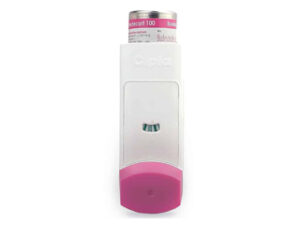
- Device type: The inhaler may look different between variants
- Strength and pack size
- Expiry date and whether it’s within a suitable timeframe
- Delivery options (standard vs tracked/special delivery)
Many UK pharmacies deliver within a standard timeframe. Some offer express or tracked delivery depending on location and order method. Always allow extra time around weekends and public holidays.
14. FAQ (Frequently asked questions)
1) What is Spiriva used for?
Spiriva (tiotropium bromide) is used as a long-term maintenance inhaler to help relieve symptoms and improve breathing in conditions such as COPD. It may also be used in selected asthma patients as an add-on maintenance bronchodilator.
2) How quickly will it work?
Many people notice improved breathing within hours to days, but the full benefit is usually assessed over weeks of consistent maintenance use. Your clinician can guide how to judge whether it is helping.
3) Can I use Spiriva for sudden breathlessness?
Spiriva is mainly for daily maintenance. For sudden symptoms, you may need a different “reliever” inhaler. If you’re unsure which inhaler to use when symptoms flare, ask your pharmacist or clinician for advice.
4) What should I do if I get dry mouth?
Dry mouth is a common antimuscarinic effect. Try sipping water, chewing sugar-free gum, or using saliva substitutes if recommended. If it becomes bothersome or severe, talk to your healthcare professional.
5) Can I take Spiriva with other inhalers?
Often yes—many COPD and asthma treatment plans use more than one inhaler type. The safest approach is to use medicines exactly as your healthcare professional has prescribed and keep them informed about all inhalers you use.
6) Are there any food interactions?
Generally, no clinically important food interactions are expected with inhaled tiotropium. The main thing is correct inhaler technique and regular daily use.
7) Does alcohol affect Spiriva?
No strong direct interaction is commonly expected, but alcohol can worsen breathing or affect wellbeing in some respiratory conditions. If you notice symptoms after drinking, discuss this with your healthcare professional.
8) What if I have kidney problems?
Because tiotropium is mainly cleared by the kidneys, kidney impairment may require extra caution and tailored advice. Inform your clinician/pharmacist about your kidney function and current medicines.
9) Are there any warning signs I should watch for?
Seek urgent help if you experience signs of a severe allergic reaction, sudden worsening breathing, or eye symptoms such as severe eye pain or blurred vision. Also seek advice if you develop trouble urinating.
10) How should I store Spiriva?
Follow the storage instructions in the patient leaflet. Keep the inhaler in a dry place and protect it as instructed. Check expiry dates and don’t use after expiry.
Disclaimer: This information is for general guidance and does not replace advice from a healthcare professional. If you have questions about your specific condition, device type, or side effects, consult a pharmacist or clinician.