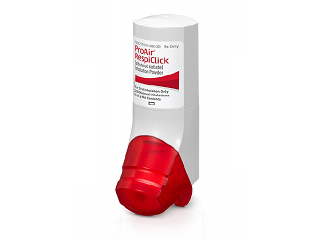
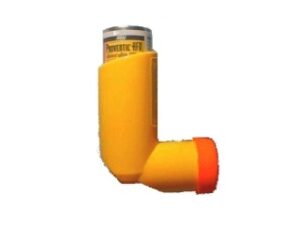
Proair Inhaler (Salbutamol/Albuterol) – Patient Information
Proair Inhaler contains salbutamol (albuterol), a medicine used to quickly relieve breathing problems caused by narrowing of the airways. It works within minutes to help you breathe more easily. This page explains how Proair Inhaler works, when it’s used, how to use it safely, and what to consider with other medicines and lifestyle factors in the UK.
1) Basic product information
| Feature | What it’s for / typical details |
|---|---|
| Medicinal ingredient | Salbutamol (Albuterol) |
| Medicine type | Short-acting beta2-adrenoceptor agonist (SABA) |
| Form | Pressurised inhalation aerosol (inhaler) |
| Main benefit | Rapid symptom relief by relaxing airway muscles |
| Onset | Often within minutes |
| Duration of effect | Typically several hours (variable between people) |
Product strengths and the exact number of doses per canister can vary by presentation. Always check the label on the specific Proair Inhaler you receive.
2) Mechanism of action
Salbutamol is a bronchodilator. It targets beta2-adrenoceptors on the smooth muscle lining the airways. When activated, it:
- Relaxes airway smooth muscle, helping to widen narrowed airways
- Reduces airflow obstruction, improving breathing and reducing wheeze
- May also help to reduce mucus-related resistance indirectly by improving airflow
Proair Inhaler is designed for fast, short-term relief of symptoms such as wheeze, tightness in the chest, and shortness of breath.
3) Pharmacokinetics (how the body handles it)
The exact pharmacokinetics can vary depending on how well you inhale and whether you use a spacer. In general, inhaled salbutamol reaches the lungs where it exerts its effect, and only a portion may be swallowed after inhalation.
- Absorption: Most of the dose is delivered to the airways; a smaller part may be swallowed and absorbed from the gastrointestinal tract.
- Distribution: After absorption, salbutamol distributes throughout the body.
- Metabolism: It is mainly metabolised in the liver.
- Elimination: It is excreted primarily through the kidneys, largely as metabolites.
- Timing: Because it is inhaled, the effect on breathing typically starts quickly.
If you find your inhaler isn’t helping as much as usual, check your inhaler technique (and consider a spacer) before increasing frequency.
4) What Proair Inhaler is used for (indications)
Proair Inhaler is used to relieve symptoms of conditions where airways become temporarily narrow, such as:
- Asthma – for quick relief of acute symptoms and bronchospasm
- Reversible airways obstruction – including some cases of chronic obstructive pulmonary disease (COPD) where reversible bronchospasm is present
- Exercise-induced bronchoconstriction – may be used before exercise if advised by a clinician
- Breathing difficulties triggered by allergens or irritants – for rapid symptom relief
Important: If you use Proair frequently, it may indicate asthma that isn’t well controlled. In asthma, a reliever inhaler should be used for symptoms, while controller therapy (often an inhaled corticosteroid) addresses underlying inflammation.
5) Typical timing and how quickly it works
- Onset: Often begins within a few minutes after inhalation.
- Peak effect: Typically within 15–30 minutes.
- Duration: Often lasts around 4–6 hours, but this can differ from person to person and according to dose and inhaler technique.
If symptoms do not improve after taking your inhaler as directed, or if they rapidly worsen, seek urgent medical advice.
6) Dosing guidance (adult, child, and general principles)
Dosing depends on age, diagnosis, and how severe symptoms are. The following is general patient guidance; always follow the instructions on your medicine label and any care plan you have been given.
General reliever dosing principles
- Use the inhaler dose that has been recommended for you for acute symptoms.
- If symptoms persist, additional doses may be used at intervals—however, do not exceed the maximum frequency on the label without medical advice.
- If you are using your reliever more often than usual, it’s a sign you may need a review of your overall asthma/COPD management.
Before exercise (exercise-induced symptoms)
- Many people may be advised to take a dose before physical activity to help prevent symptoms.
- The exact timing varies; common advice is taken shortly before exercise, but follow your personalised plan.
Spacer use
For many patients—especially children, older adults, or anyone who finds coordination difficult—a spacer can improve delivery to the lungs and reduce side effects. Your pharmacist can help you choose a suitable spacer for your device.
Very important: Do not increase your dose because the inhaler “runs low” or if you feel breathless. Technique issues and trigger management matter. If you’re relying on reliever medicine frequently, discuss an asthma or COPD review.
7) Indications for immediate action (when to seek help)
Contact urgent medical services or seek urgent advice if you have:
- Severe breathlessness or difficulty speaking in full sentences
- No improvement after using your inhaler as directed
- Worsening wheeze or symptoms that return quickly
- Blue lips or face, unusual drowsiness, or exhaustion
- In children: significant retractions (chest pulling in), persistent vomiting with breathing issues, or marked lethargy
These can be signs of a serious attack or complication that needs prompt assessment.
8) Food interactions
Salbutamol is used by inhalation, so food interactions are generally not a major concern. Typical stomach digestion and meals do not significantly affect the way the lungs respond to inhaled salbutamol.
- Swallowed portion: A small amount of inhaled medicine may be swallowed and could be absorbed. However, this usually does not produce clinically significant food-related issues.
- During acute attacks: If you are struggling to breathe, focus on taking your inhaler correctly and seeking advice if symptoms are severe.
If you have a medical condition that affects swallowing, aspiration risk, or you are taking other medicines around the same time, speak to a healthcare professional for personalised advice.
9) Alcohol and medicine interactions
Alcohol
There is no universally required “avoid alcohol completely” rule for salbutamol. However:
- Alcohol may worsen asthma symptoms for some people, potentially through airway irritation, dehydration, or effects on sleep and inflammation.
- Alcohol can interact indirectly with breathing by affecting other conditions and medication use.
- If you notice that alcohol triggers your symptoms, it’s wise to reduce or avoid it.
Interactions with other medicines
Salbutamol’s effects can be altered by other drugs. Common interaction considerations include:
- Beta-blockers (including some eye drops): may reduce the effect of salbutamol and can trigger bronchospasm in susceptible people. Always tell your clinician if you use beta-blocker eye drops or tablets.
- Other inhaled medicines: using multiple bronchodilators may be part of treatment plans. Avoid stacking doses of similar medicines unless advised.
- Diuretics (“water tablets”) and steroids: these can influence potassium levels. Salbutamol can lower potassium (usually transiently), and combined effects may matter for those at risk.
- Diabetic medications: beta2 agonists can sometimes raise blood glucose, which may be noticeable in some people.
- Digoxin: changes in potassium can affect digoxin safety; monitoring may be needed in certain cases.
- MAO inhibitors and certain antidepressants: may affect cardiovascular responses in some situations.
This isn’t an exhaustive list. If you are taking regular medicines (including herbal remedies and eye drops), review them with a pharmacist or clinician.
10) Safety profile and side effects
Like all medicines, Proair Inhaler can cause side effects. Not everyone gets them, and many are dose-related and improve as your body adjusts.
Common side effects
- Tremor (shakiness), often in the hands
- Headache
- Feeling restless or a “fast heart” sensation
- Palpitations
- Muscle cramps
- Dry mouth or throat irritation
Less common but important effects
- Low potassium (hypokalaemia) – more likely with frequent or high doses
- Fast heart rate (tachycardia)
- Changes in heart rhythm – uncommon, but seek advice if you feel severe palpitations, dizziness, or chest discomfort
Serious allergy (rare)
Stop using the inhaler and seek urgent medical help if you develop signs of an allergic reaction such as swelling of the face/lips, severe rash, or difficulty breathing beyond your usual pattern.
If you use the inhaler frequently, side effects may increase. It’s also a sign that your condition may not be well controlled.
11) Practical tips for correct use
Correct inhaler technique is crucial. Even the right dose may not reach the lungs if coordination and timing are off.
General steps for using a pressurised inhaler
- Check the inhaler: Ensure the mouthpiece is clean, and the canister is not empty.
- Shake well: Many aerosol inhalers require shaking before use.
- Exhale fully: Breathe out away from the inhaler.
- Seal lips around the mouthpiece: Avoid gaps.
- Start inhaling slowly and deeply: Begin to breathe in at the same time you press the canister.
- Continue breathing in: Keep breathing in slowly after pressing.
- Hold your breath: Hold for about 5–10 seconds if you can.
- Wait between puffs: Use the interval recommended on your label (often about 1 minute if more than one puff is prescribed).
Why a spacer can help
- Improves delivery to the lungs
- Reduces the amount of medicine deposited in the mouth and throat
- Can reduce some side effects
After use
- If you get throat irritation, rinsing your mouth may help (unless your clinician has advised otherwise).
- Keep track of your inhaler usage. Frequent use may mean your control needs review.
If you’ve recently changed inhaler devices or haven’t used one for a while, ask your pharmacist to watch your technique.
12) Storage, handling, and device care
- Keep the inhaler at room temperature and away from direct sunlight.
- Do not expose to high temperatures or store near strong heat.
- Keep the mouthpiece clean and dry.
- Keep out of sight and reach of children.
13) Alternative options (reliever medicines and other approaches)
If Proair Inhaler isn’t suitable or isn’t effective, alternatives may include:
Other bronchodilator relievers
- Other salbutamol formulations (different inhaler devices, nebulisers)
- Short-acting beta2-agonists from other brands/devices
- Anticholinergic medicines (e.g., ipratropium) – more commonly for COPD, sometimes in specific asthma/COPD plans
Controller medicines (especially for asthma)
For asthma control, people often need an inhaled corticosteroid (controller therapy) rather than relying only on relievers. Your care team may recommend:
- Regular inhaled corticosteroid
- Combination inhalers depending on your plan
- Personalised “reliever” strategies for some patients
Don’t stop or change controller medicines without advice, even if your reliever symptoms improve temporarily.
14) UK market and legal context
In the UK, medicines like salbutamol inhalers are widely used in respiratory care. Availability and prescribing/dispensing rules can vary depending on product type, strength, and local healthcare arrangements. Many people obtain reliever inhalers through their routine NHS or private care pathways and receive individualised instructions.
Pharmacists and healthcare professionals aim to support safe use by:
- Checking inhaler technique
- Reviewing frequency of reliever use
- Assessing side effects and co-existing conditions
- Ensuring medicines are appropriate for the person and diagnosis
15) Recent guidance themes (what commonly matters in practice)
UK respiratory guidance generally emphasises:
- Asthma control: frequent reliever use is a red flag and suggests inadequate control.
- Correct technique: inhaler technique errors are a major reason medicines appear to “not work”.
- Written asthma action plans: many patients benefit from personalised steps for flare-ups.
- Spacer use: often improves effectiveness, particularly for children.
- Review triggers: if you need your reliever often, you should get your treatment plan reviewed.
If your symptoms are not responding or you’re using Proair Inhaler more than usual, it’s appropriate to seek a clinical review.
16) Delivery and availability (UK online pharmacy)
Proair Inhaler availability online can vary by supplier and current stock levels. When ordering from a UK pharmacy, delivery options typically include standard and express services (subject to postcode and carrier availability).
- Processing time: Orders are usually prepared after verification steps (where required).
- Delivery timeframe: Varies by service level; many UK deliveries occur within 1–3 working days for standard options.
- Temperature and handling: Inhalers should be kept within recommended storage conditions; delivery packaging is designed to protect the product.
- Order tracking: Some services provide tracking updates after dispatch.
If you are near a travel date, ask about dispatch cut-off times and estimated delivery windows.
17) FAQ – Proair Inhaler (Salbutamol/Albuterol)
How fast does Proair Inhaler work?
Many people feel improvement within a few minutes. Peak relief is often within 15–30 minutes. If there is no improvement after using it as instructed, or symptoms worsen, seek urgent advice.
How often can I use it?
The safe maximum frequency depends on your age and the specific product label instructions. Do not exceed the labelled maximum without advice. If you’re needing it frequently, your asthma/COPD plan may need review.
What if my inhaler doesn’t seem to work?
Common reasons include incorrect technique, not shaking before use (if required), or the inhaler being low/empty. Check technique with a pharmacist and consider using a spacer if recommended. Also consider other triggers and whether your condition is worsening.
Can I use Proair Inhaler with a spacer?
Often, yes. Spacers can improve delivery and reduce medicine deposited in the mouth. Use a spacer compatible with your inhaler type and follow device-specific guidance.
Will it help with a cold or chest infection?
It may help if wheezing is caused by airway narrowing (for example, if you have asthma). However, it does not treat infections. If you have severe breathlessness, high fever, or worsening symptoms, seek medical assessment.
Can children use salbutamol?
Salbutamol is used in children for asthma and related conditions. Dosing is age-dependent and should follow the child’s specific instructions. Technique (often via a spacer and mask) is particularly important for young children.
Does salbutamol affect heart rate?
It can cause a faster heart rate or palpitations in some people, especially after higher or frequent doses. Seek urgent help if you experience severe chest pain, fainting, or intense/irregular palpitations.
Is it safe to drive after using Proair Inhaler?
Most people can drive normally after using a reliever inhaler. However, if you feel tremor, dizziness, or breathless, avoid driving until you feel safe and fully comfortable.
Can I take other medicines at the same time?
Many medicines can be taken with salbutamol, but some can affect how it works or change side-effect risk (for example, beta-blockers). Tell your pharmacist about all medicines and supplements you use.
Should I rinse my mouth after using it?
Rinsing may help if you experience throat irritation. Unlike some other inhalers, frequent mouth rinsing is not always required solely for salbutamol, but it can still be beneficial for comfort.
What should I do if I forget a dose?
Proair Inhaler is usually used as needed for symptoms rather than on a fixed schedule. If it’s prescribed on a timed basis for a particular plan, follow your label or action plan. If unsure, ask a pharmacist.
18) When to seek a review of your condition
If you find you need Proair Inhaler more often than usual, wake up at night due to breathing symptoms, or symptoms are limiting your daily activity, it’s important to arrange a review. Better control typically means fewer attacks, less reliance on reliever medicine, and improved quality of life.
Always keep your inhaler to hand where appropriate and make sure your inhaler technique is correct. Your pharmacist can provide quick checks and guidance.