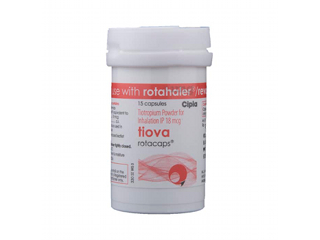
Tiova Rotacap (Tiotropium Bromide) — Patient Information (UK)
Tiova Rotacap contains tiotropium bromide, a long-acting inhaled medicine used to help keep airways open and reduce symptoms in chronic lung diseases. It belongs to a group of medicines called antimuscarinics (also known as anticholinergics).
This page explains how Tiova Rotacap works, how it is usually used, safety information, and practical tips. It is written for patients in the United Kingdom and reflects general, up-to-date clinical understanding.
Key facts
- Active ingredient: Tiotropium bromide
- Medicine type: Long-acting inhaled bronchodilator
- Common conditions: Chronic Obstructive Pulmonary Disease (COPD) and (in selected cases) asthma alongside appropriate controller therapy
- Device: Rotacap inhalation capsules (for use with the Rotahaler-type device, depending on local product packaging)
- Typical dosing pattern: Once daily for COPD; some regimens differ by condition and patient plan
- Not for sudden breathlessness: It is a maintenance medicine, not a fast-relief inhaler
What is Tiova Rotacap?
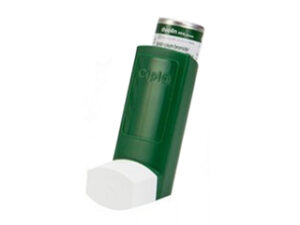
Tiova Rotacap is a set of inhalation capsules containing tiotropium bromide. You inhale the powder from the capsule using a suitable inhalation device (commonly the Rotahaler for Rotacap capsules). Tiotropium works within the lungs to improve airflow and help you breathe more comfortably over time.
Important: Tiova Rotacap capsules are designed to be inhaled only. They should not be swallowed.
How it works (mechanism of action)
Tiotropium bromide is a long-acting antimuscarinic medicine. It blocks muscarinic receptors (particularly M3) in the airways. This helps to:
- Relax airway muscles, reducing bronchoconstriction
- Improve airflow by keeping the airways open
- Reduce symptoms such as breathlessness, wheezing, and coughing related to airflow obstruction
Because it is “long-acting,” its effects last for about 24 hours in most people, which is why it is typically used once daily for maintenance.
Pharmacokinetics (how the body handles the medicine)
Pharmacokinetics describe what happens to the drug after inhalation—how much reaches the lungs, how it is absorbed, and how the body clears it.
- Absorption: Tiotropium is inhaled; most of the delivered dose acts locally in the lungs. Some is swallowed after inhalation (which can happen with inhaled dry powder products), but the key therapeutic action is in the airways.
- Distribution: Tiotropium has a relatively low systemic exposure compared with many tablets because it is targeted by inhalation. It distributes to tissues, but lung effects are the primary goal.
- Metabolism: Tiotropium is not extensively metabolised.
- Elimination: The drug is cleared mainly by the kidneys. In people with reduced kidney function, drug levels may be higher, so monitoring and clinical advice are important.
- Onset and duration: While you may notice benefits within the first days, regular use is usually required for best symptom control.
Practical takeaway: Use Tiova Rotacap daily at the recommended time to maintain steady lung bronchodilation.
What it is used for (indications)
In the UK, tiotropium inhalers are primarily used for:
- COPD (Chronic Obstructive Pulmonary Disease): For symptom relief and to help improve lung function in people with COPD.
- Asthma (in selected patients): In some treatment plans, tiotropium may be added to inhaled corticosteroid therapy for people whose asthma is not fully controlled with standard maintenance treatment. Your clinician will decide whether it is suitable for you.
Tiova Rotacap is generally used as maintenance therapy. For sudden attacks of breathlessness, a separate, fast-acting reliever is typically required.
When and how to take it (timing and dosing)
Typical dosing
Dosing can vary by condition and product strength. Always follow the dosing plan you’ve been given and the instructions on the packaging or by your healthcare professional.
In many adults with COPD, tiotropium is used as:
- Once daily (often at the same time each day)
For asthma, dosing and suitability depend on the overall inhaler regimen. Your clinician will specify the correct dose if prescribed as part of asthma management.
Do not increase your dose: Taking extra doses does not usually provide faster relief and can increase the risk of side effects.
Timing
- Try to take your dose at the same time each day.
- If you miss a dose, take it when you remember unless it is close to the next scheduled dose—do not double.
- If you are switching devices or inhalers, follow the step-by-step instructions for each device type.
Food interactions
Tiotropium is inhaled and works mainly in the lungs. As a result, it generally has no significant food interactions. You can take your inhaler with or without food.
However: try to take it when you can breathe comfortably and consistently use the inhalation technique. If you experience reflux or swallowing issues, speak to a clinician—technique and timing may need individual adjustment.
Alcohol and medicine interactions
Alcohol: There are no specific direct interactions between tiotropium and alcohol commonly listed for patients, but alcohol can worsen breathing and reduce adherence to treatment by affecting routine. If you drink alcohol, do so in moderation and monitor how your breathing responds.
Other medicines: Some medicines can affect the anticholinergic action of tiotropium or increase side effects. Tell your healthcare professional or pharmacist if you take:
- Other antimuscarinic medicines (e.g., certain inhalers or medications for bladder symptoms) — combination may increase the risk of dry mouth or urinary retention.
- Medicines that affect urinary function or increase anticholinergic effects.
- Other inhaled bronchodilators — often used together in COPD/asthma plans, but combinations should be managed to avoid duplication of similar drug classes.
- Eye drops or treatments with anticholinergic effects — may be relevant for those with glaucoma risk.
General advice: If you are using multiple inhalers, it’s useful to keep an up-to-date list of your medicines to prevent overlap and to ensure correct use.
Safety profile and side effects
Like all medicines, Tiova Rotacap can cause side effects, although not everyone gets them. Most side effects are related to the medicine’s local action and antimuscarinic effects.
Common side effects
- Dry mouth
- Throat irritation
- Constipation or changes in bowel habit (less common)
- Headache
Less common but important side effects
- Difficulty passing urine (urinary retention), especially in men with enlarged prostate (BPH) or those with existing urinary problems
- Blurred vision or eye discomfort
- Glaucoma flare in people at risk (angle-closure glaucoma is particularly important)
- Allergic reactions such as rash, swelling, or breathing difficulties (seek urgent help if severe)
Seek urgent medical help if
- You develop wheezing, swelling, or severe shortness of breath soon after using the inhaler
- You experience severe eye pain, halos around lights, or rapidly worsening blurred vision
- You have signs of urinary retention (unable to pass urine with discomfort)
Who should take extra care?
Discuss suitability with a clinician if you have any of the following:
- Glaucoma (especially angle-closure glaucoma) or a history of eye pressure problems
- Prostate enlargement or urinary retention issues
- Severe kidney impairment (since tiotropium is cleared mainly by the kidneys)
- Heart rhythm problems (your clinician will consider overall COPD/asthma therapy)
Practical use tips (how to use Rotacap correctly)
Correct inhaler technique is essential for getting the full dose into your lungs. If the dose doesn’t reach your airways properly, benefits may be reduced.
General technique checklist
- Prepare: Use the correct Rotacap device supplied with your treatment (commonly the Rotahaler). Do not use capsules in another device unless specifically instructed.
- Open and load: Remove one capsule immediately before use. Insert it into the capsule chamber as directed.
- Pierce the capsule: Close the device and pierce the capsule according to the device instructions so powder can be released when you inhale.
- Breathe out fully: Before inhaling the dose, breathe out away from the device.
- Inhale strongly and steadily: Inhale through the mouthpiece deeply and quickly enough to draw the powder into your lungs.
- Hold your breath: Hold for as long as comfortable (often 5–10 seconds if you can).
- Check capsule: After inhalation, check that the capsule is empty; if powder remains, you may not have inhaled the dose fully.
Avoid common mistakes
- Do not swallow the capsule. Tiova Rotacap capsules are for inhalation only.
- Do not shake the capsule. Keep it dry and handle gently.
- Do not exhale into the device. Moisture and exhaled breath can affect powder delivery.
- Don’t double-dose if you think you may have taken the wrong dose—contact a pharmacist or clinician for advice.
Device maintenance
Follow the cleaning and storage guidance in your device instructions. Many dry powder inhaler devices require simple care (e.g., wiping the mouthpiece) and should be kept dry.
Missed dose guidance
If you miss a dose:
- Take it as soon as you remember if it’s still some time before the next dose.
- If it’s close to your next dose, skip the missed dose.
- Do not take two doses at once to make up for a missed one.
Alternative options
Several bronchodilator options may be available depending on your condition, severity, and response. Alternatives include other long-acting inhalers or different medication classes.
Possible alternatives (discuss with your clinician)
- Other long-acting antimuscarinics (LAMA), such as other tiotropium formulations or different LAMA molecules.
- Long-acting beta2-agonists (LABA) or LABA/LAMA combinations for COPD, sometimes as single-inhaler combinations depending on the patient plan.
- Inhaled corticosteroids for asthma (and for COPD in selected patients with frequent exacerbations), usually combined with bronchodilators as appropriate.
- Reliever inhalers (e.g., short-acting bronchodilators) for fast symptom relief during sudden episodes.
If you’re considering switching, ask your pharmacist or clinician to confirm the correct inhaler technique and to provide a personalised step-by-step plan.
Market and legal context in the United Kingdom
In the UK, medicines like tiotropium bromide are regulated by medicines legislation and are supplied through the NHS and private routes according to established clinical practice. COPD and asthma management in the UK is guided by evidence-based recommendations such as:
- NICE guidance for COPD and asthma management
- GOLD (Global Initiative for Chronic Obstructive Lung Disease) recommendations, commonly reflected in clinical practice
- Local NHS formulary preferences and inhaler device availability
Product availability, pack sizes, and specific device compatibility may vary. Patients should ensure they have the correct inhalation device for Rotacap capsules as per UK product instructions.
Recent guidance and clinical updates (general)
Clinical practice for COPD and asthma evolves with new evidence. In general, current UK-facing care emphasises:
- Optimising inhaler technique at every review
- Regular review of symptom control and exacerbations
- Appropriate stepping up or stepping down based on stability and risk
- Vaccination and smoking cessation support to reduce exacerbation risk
It’s also common for clinicians to periodically reassess lung function, ensure correct device use, and confirm that maintenance therapy matches the patient’s current symptoms and exacerbation history.
Delivery and availability
Availability can vary by pharmacy and stock levels. When ordering online in the UK, customers typically receive:
- Pack sizes and strength consistent with the selected product
- Clear storage instructions (inhalation capsules are generally stored according to pack guidance, often at room temperature and protected from moisture)
- Device compatibility notes if relevant (Rotacap capsules require the correct inhalation device)
Tip: When your delivery arrives, check that the correct capsule type matches your inhaler device and that the expiry date is acceptable. Keep capsules in their original packaging until use.
Storing Tiova Rotacap
- Store capsules according to the instructions on the outer pack.
- Keep them dry and protected from moisture.
- Keep out of the sight and reach of children.
- Do not use after the expiry date printed on the packaging.
Frequently asked questions (FAQ)
1) What is Tiova Rotacap used for?
It is used mainly as a maintenance inhaler to improve breathing in COPD. In selected patients, it may also be used as an add-on option in asthma alongside appropriate controller treatment.
2) Is Tiova Rotacap a reliever inhaler?
No. Tiova Rotacap is designed for long-term symptom control. For sudden breathlessness, you typically need a fast-acting reliever inhaler that your clinician has provided.
3) How long does it take to work?
Some people notice improvement early, but the full benefit comes with regular daily use. If you do not feel better after starting or if symptoms worsen, contact a clinician for review.
4) How should I use the Rotacap capsules?
Use the correct Rotacap device, load one capsule at a time, pierce it as instructed, then inhale strongly and steadily. Capsules should never be swallowed.
5) Can I take it with food?
Yes. There are generally no significant food interactions because the medicine is inhaled and acts primarily in the lungs.
6) Are there alcohol interactions?
There is no common direct interaction between tiotropium and alcohol, but alcohol may worsen breathing or affect how you manage your inhaler routine. If you drink, do so in moderation and watch your symptoms.
7) What side effects should I watch for?
Common effects include dry mouth and sometimes throat irritation. Seek urgent medical help if you experience severe allergic symptoms, eye pain/blurred vision suggestive of glaucoma issues, or unable to pass urine.
8) What if I miss a dose?
Take it when you remember unless it is close to your next dose. Do not take a double dose.
9) Can I use Tiova Rotacap with other inhalers?
Often, maintenance inhalers are used in combination depending on your condition. Make sure you avoid duplicating similar medicine classes and follow your personalised plan. If you’re unsure, ask a pharmacist.
10) Do I need kidney or eye monitoring?
If you have kidney problems or glaucoma risk, your clinician may want extra caution. Tiotropium is cleared by the kidneys, and antimuscarinic effects can be relevant for eyes and urinary function.
Summary
Tiova Rotacap (tiotropium bromide) is a long-acting inhaled antimuscarinic used to support breathing in COPD and, for some patients, as part of asthma care. Its once-daily action helps keep airways open and reduce ongoing symptoms. For best results, use the correct Rotacap inhaler technique, take it consistently at the recommended time, and keep separate reliever medication for sudden symptoms.
| Category | Information |
|---|---|
| Medicine | Tiova Rotacap (tiotropium bromide) |
| Type | Long-acting inhaled bronchodilator (antimuscarinic) |
| Typical use | COPD maintenance; selected asthma plans |
| Dosing frequency | Often once daily (confirm your plan) |
| How to take | Inhale capsule contents using the correct inhaler device; do not swallow |
| Food interactions | Generally none significant |
| Alcohol interactions | No common direct interaction; alcohol may worsen breathing/stability |
| Common side effects | Dry mouth, throat irritation |
| Seek urgent help | Severe allergic reaction; severe eye pain/vision changes; urinary retention |