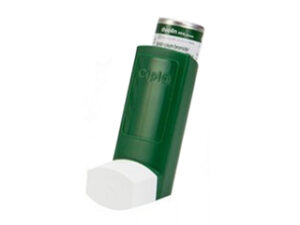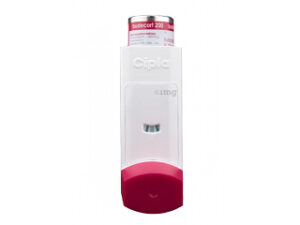
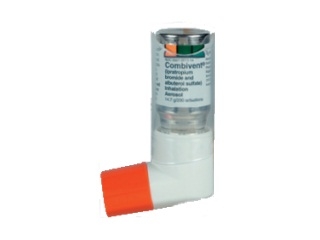
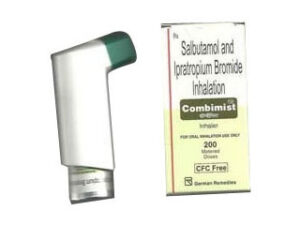
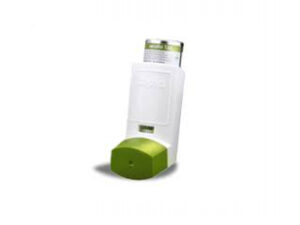
Combivent (Levosalbutamol / Ipratropium bromide) – Patient Information
Combivent is a medicine used to help relieve breathing problems in people with certain long-term lung conditions, especially COPD (chronic obstructive pulmonary disease) and sometimes for bronchospasm in other contexts as advised by a clinician. It contains two active ingredients: levosalbutamol (a bronchodilator that helps open the airways) and ipratropium bromide (an antimuscarinic that also relaxes the airways).
This guide is written for patients and includes practical information about how Combivent works, when it is usually taken, possible side effects, and interactions with medicines, alcohol, and food. Always follow the instructions supplied with your medicine.
Basic product information
| Feature | Details |
|---|---|
| Brand name | Combivent |
| Active ingredients | Levosalbutamol + Ipratropium bromide |
| Therapeutic group | Bronchodilators (beta-2 agonist + antimuscarinic) |
| Common indications | COPD symptom relief; bronchospasm management as advised |
| How it’s usually used | Inhalation (via a device as provided with your product) |
| Where it’s available | UK market availability varies by presentation and stock |
What Combivent does (mechanism of action)
Combivent helps you breathe more easily by targeting the airways in two complementary ways:
- Levosalbutamol is a beta-2 adrenergic agonist. It stimulates beta-2 receptors in the smooth muscle of the airways, which causes the muscles to relax and helps to open (dilate) the airways. It can also help reduce airway narrowing during bronchospasm.
- Ipratropium bromide is an antimuscarinic (anticholinergic). It blocks muscarinic receptors in the airways, reducing the effects of acetylcholine that normally cause airway constriction. This leads to further airway relaxation and can improve airflow.
Used together, the two medicines can provide stronger symptom relief than either component alone for many people, particularly in COPD where airway constriction and mucus contribute to breathlessness.
Pharmacokinetics (how the body handles the medicine)
Because Combivent is inhaled, most of the medicine acts locally in the lungs. A portion can be absorbed into the bloodstream. The exact levels vary based on inhalation technique, the device, and your breathing pattern.
Absorption
- Levosalbutamol is absorbed through the lungs and may be metabolised after absorption.
- Ipratropium bromide is also absorbed, though inhaled delivery mainly aims for lung-local effects.
Distribution
Both active ingredients distribute throughout the body after absorption, but the intended clinical effect is primarily in the respiratory tract.
Metabolism
- Levosalbutamol is metabolised mainly in the body after absorption.
- Ipratropium bromide undergoes metabolic processes that contribute to its clearance.
Elimination
The medicines and their metabolites are eliminated from the body primarily via the kidneys and other metabolic pathways. In people with reduced kidney function, medicine handling can be different, so clinicians may monitor you more closely.
Typical use and timing
Combivent is typically used when you need relief from breathlessness or tightening of the airways, usually in COPD management plans. Your exact schedule depends on your symptoms and the device directions provided.
When it may be used
- Regular symptom control (for some people, as part of a maintenance plan)
- Relief of sudden worsening of breathlessness or wheeze
- As part of stepped care for COPD when additional bronchodilation is needed
How soon does it work?
Many people feel an improvement within minutes after inhalation. The duration of benefit varies between individuals. If your symptoms do not improve, do not simply repeat doses without following the instructions supplied with your medicine.
How to time doses with other inhalers
If you use more than one inhaler, timing can matter. A common approach is to use bronchodilators to open the airways before an inhaled corticosteroid or other inhalers, but follow your personalised treatment plan.
- Keep a list of all your inhaled medicines.
- Ask your pharmacist or clinician if you need a specific order for your inhalers.
- Wait the time recommended in your inhaler instructions if switching between devices.
Food interactions
Because Combivent is inhaled, food interactions are not generally expected to be significant. However, practical considerations can still affect breathing:
- Avoid eating very large meals right before inhalation if you find it worsens shortness of breath.
- If your stomach is uncomfortable or you feel reflux, discuss this with a healthcare professional, as reflux can worsen breathing symptoms.
In general, you can take Combivent as directed regardless of meals.
Alcohol and medicine interactions
Alcohol
Moderate alcohol is not usually a direct interaction with inhaled bronchodilators, but alcohol can worsen breathing in some people (for example, by affecting coordination, hydration, sleep quality, or reflux).
- Limit alcohol if it triggers breathlessness or makes you feel unwell.
- Avoid heavy drinking, especially if you have COPD-related fatigue or breathing difficulty.
Interactions with other medicines
Combivent includes a beta-2 agonist and an antimuscarinic, so interactions mainly involve medicines that affect heart rhythm, potassium levels, or anticholinergic effects.
Medicines that may increase side effects
- Other beta-agonists (e.g., salbutamol/albuterol) may increase effects on the heart (such as palpitations) if used together frequently.
- Other anticholinergic medicines (including some allergy medicines, bladder antimuscarinics, and some other inhaled therapies) may add to dry mouth, constipation, or blurred vision.
- Diuretics (“water tablets”) and certain other medicines can affect potassium levels. Beta-2 agonists can lower potassium slightly, which may matter in people taking medicines that also reduce potassium.
Medicines affecting heart rhythm
- If you take medicines that influence heart rhythm (antiarrhythmics) or you have known heart rhythm problems, use caution—your clinician may monitor you more closely.
When to seek advice promptly
Get advice urgently if you notice chest pain, severe palpitations, fainting, or rapidly worsening breathing.
Indications (what it’s used for)
Combivent is indicated for bronchospasm and symptom relief in people with COPD. It may be used when symptoms such as breathlessness, wheeze, or difficulty breathing persist and a combination of bronchodilators is considered beneficial.
Your exact use should follow the treatment plan provided for you and the product-specific instructions. Conditions such as asthma have different medicines and safety considerations, so using Combivent should be aligned with the guidance for your diagnosis.
Dosing and how to use it correctly
Dosing depends on your condition, severity of symptoms, and how you respond to treatment. Always follow the dose instructions supplied with your Combivent product and your personal care plan.
General dosing principles
- Use the correct dose and do not exceed what is recommended on the medicine label or by your healthcare professional.
- If the medicine is prescribed for regular use, try to keep doses evenly spaced.
- If you use it for relief, use it as directed for symptom flare-ups.
Inhalation technique (very important)
Good inhalation technique ensures the medicine reaches your lungs. Poor technique may reduce effectiveness. Follow these general practical tips:
- Check your device type (different Combivent inhalers/devices may have different steps).
- Breathe out fully before inhaling the dose.
- Inhale steadily and deeply as instructed by your device instructions. If you get dizzy or cough, pause and try again, rather than rushing repeatedly.
- Hold your breath briefly after inhalation if your technique allows (commonly 5–10 seconds), unless told otherwise.
- Rinse and spit if you use an inhaled steroid at the same time, to help protect against mouth/throat irritation.
What to do if you miss a dose
If you miss a dose, follow the usual approach described with your medicine instructions: take it when you remember unless it is close to the next dose. Do not take double doses to make up for a missed one.
Safety profile (side effects and warnings)
Like all medicines, Combivent can cause side effects. Many are mild and improve as your body adjusts, but some may require medical review.
Common side effects
- Tremor (often associated with beta-agonists)
- Headache
- Nervousness or feeling “on edge”
- Dry mouth
- Hoarseness or throat irritation
- Palpitations (awareness of heartbeat)
Less common but important side effects
- Low potassium (may be more likely with frequent beta-agonist use)
- Increased heart rate
- Irregular heartbeat in susceptible people
- Urinary retention (more likely if you have prostate problems or bladder issues)
- Eye symptoms if mist gets into the eyes (see below)
Seek urgent medical help if you have
- Severe or sudden worsening of breathing
- Chest pain
- Fainting or severe dizziness
- Very fast or irregular heartbeat
- Swelling of face/lips or signs of an allergic reaction
Eye safety (important)
Antimuscarinics can cause eye-related effects if inhaled spray or aerosol particles get into the eyes. Stop and get urgent advice if you develop eye pain, blurred vision, or halos around lights.
When to talk to a pharmacist or clinician
- If tremor, palpitations, or headache are bothersome
- If you feel you need this medicine more often than usual
- If you have heart disease, glaucoma, prostate enlargement/urinary issues, or an overactive thyroid
Practical use tips for best results
- Use correct technique: Most effectiveness problems come from inhaler technique rather than the medicine itself.
- Keep track of symptoms: Note when you use Combivent and what effect you feel. Frequent extra use can signal that your COPD plan needs review.
- Check your inhaler regularly: Ensure the device is not empty and stored correctly as directed.
- Clean your device if your brand instructions require it. Follow the leaflet exactly.
- Manage triggers: Cold air, smoke, infections, and allergens can worsen COPD. Avoid triggers where possible.
- Have an action plan: Many people with COPD benefit from a written plan for what to do during flare-ups.
Missed control: when symptoms aren’t improving
If you find that your breathing is not improving after using Combivent as directed, or you are requiring it more frequently than before, you may need reassessment of your COPD management. It could mean infection, worsening COPD, or that your treatment plan needs adjustment.
Contact your healthcare provider promptly for advice. Seek urgent care if you are struggling to breathe, speaking becomes difficult, or you have bluish lips or severe chest tightness.
Alternative options (for COPD symptom relief)
There are several alternative or additional bronchodilator options in the UK, and the “best” choice depends on your symptoms, inhaler technique, previous response, and risk factors. Your clinician may choose one or combine medicines.
Common alternatives
-
Single-agent bronchodilators:
- SABA (short-acting beta-2 agonists) such as salbutamol for quick relief (varies by plan)
- SAMA (short-acting antimuscarinics) such as ipratropium alone
-
Long-acting bronchodilators:
- LAMA (long-acting muscarinic antagonists)
- LABA (long-acting beta-2 agonists)
-
Dual bronchodilation:
- LAMA/LABA combinations, commonly used for maintenance in COPD
-
Inhaled corticosteroids (ICS):
- Usually added for people with specific features (for example, certain exacerbation histories), not as a direct substitute for bronchodilation.
If you are considering switching, ask your pharmacist or clinician about the most suitable option for your COPD severity and flare-up pattern. Never stop your prescribed COPD medicines without guidance.
Market and legal context in the UK
In the United Kingdom, availability and supply depend on the specific product format, licensing status, and pharmacy stock levels. Medicines must be handled and supplied in line with UK regulations and guidance.
Pharmacy dispensing policies may vary, and product availability can change due to manufacturing timelines or supply fluctuations. Online pharmacies may also offer different presentations based on current inventory.
Recent UK guidance (COPD management context)
COPD treatment is generally guided by evidence-based clinical pathways that focus on: smoking cessation, vaccinations, bronchodilation, and tailored escalation based on symptoms and exacerbation risk. Ongoing updates may influence the preferred step in therapy for different patient groups.
In UK practice, clinicians often aim to use long-acting bronchodilators for maintenance and use short-acting medicines for breakthrough symptoms. Your place in this strategy depends on how severe your COPD is and how often you experience flare-ups.
Delivery and availability (online pharmacy)
Delivery times and availability can vary by supplier and local stock. When ordering online in the UK:
- Check estimated delivery times at checkout.
- Ensure the delivery address is correct and that someone is available to receive the parcel if required.
- If stock is temporarily unavailable, some pharmacies may offer an estimated restock date or alternative presentations.
Always keep medicines in line with the storage conditions printed on the packaging (for example, temperature and out of sunlight).
How to store Combivent
- Store according to the label instructions.
- Keep out of sight and reach of children.
- Do not use after the expiry date.
FAQ
1) Is Combivent used for asthma?
Combivent is mainly used for COPD and airway constriction management where a combination bronchodilator is appropriate. If you have asthma, treatment choices may differ; ask a clinician for the safest option for your specific diagnosis.
2) How quickly should I feel better after using it?
Many people notice improvement within minutes after inhalation. If you do not feel any improvement, or your breathing worsens, seek medical advice rather than repeatedly taking additional doses.
3) Can I use Combivent alongside my other inhalers?
Often, yes. Many people with COPD use multiple inhalers. However, the order and timing can matter. Ask your pharmacist for an inhaler-by-inhaler routine tailored to your devices.
4) What if I need it more often than usual?
Needing it significantly more frequently than before can indicate COPD worsening or another issue such as infection. Contact your healthcare provider to review your treatment plan.
5) Are there any food or drink restrictions?
Food interactions are not expected to be significant. Alcohol may worsen breathing in some people, so keep it moderate and monitor how it affects your symptoms.
6) Does Combivent cause tremor or palpitations?
Some people experience tremor, palpitations, or a racing heartbeat, particularly because of the beta-agonist component. If side effects are troublesome or you have heart rhythm problems, speak to a healthcare professional.
7) What should I do if I get eye symptoms?
If mist gets into the eyes and you experience eye pain, blurred vision, or halos, seek urgent medical advice. Avoid allowing aerosol to enter the eyes during inhalation.
8) Can I drive or operate machinery?
Combivent is not usually associated with impaired driving ability, but individual reactions (such as dizziness or palpitations) can occur. If you feel unwell after using it, avoid driving until you feel steady.
9) What are the main risks of taking too much?
Overuse may increase the risk of side effects such as tremor, palpitations, headache, and changes in potassium levels. Always follow dosing instructions and seek advice if you feel you are needing extra doses frequently.
10) Are there alternatives if I can’t tolerate it?
Yes. Options can include other bronchodilators or combination inhalers. The best alternative depends on your symptom pattern, severity, and other medical conditions. Speak to a pharmacist or clinician before switching.
Summary
Combivent (levosalbutamol / ipratropium bromide) combines two bronchodilators to help relax airway muscles and improve airflow, particularly in COPD. It works by a dual mechanism—beta-2 stimulation (levosalbutamol) plus antimuscarinic blockade (ipratropium). While generally effective, it may cause side effects such as tremor, dry mouth, headache, or palpitations in some people.
If you have concerns about side effects, interactions, or how often you need your inhaler, discuss your treatment plan with a healthcare professional.