

Tropicamide Eye Drops (Tropicamide) — Patient-Friendly Guide (UK)
Tropicamide is a medicine used in eye care to dilate (widen) the pupil and to temporarily paralyse focusing so that an optometrist or ophthalmologist can examine the inside of the eye more clearly. It is commonly used for eye examinations and certain diagnostic procedures.
This page explains what tropicamide is, how it works, how it’s used, what to expect, safety information, and practical tips. It is written for people in the United Kingdom.
At a Glance
- Medicine: Tropicamide eye drops
- Common uses: Eye examinations, pupil dilation, diagnostic eye imaging
- What to expect: Blurred vision and light sensitivity for several hours
- How it’s used: Usually a single dose or a short course immediately before examination
- Key safety points: Keep drops in the eye only; avoid touching the dropper; consider precautions if you have angle-closure risk
Basic Product Information
Tropicamide belongs to a group of medicines called antimuscarinic agents (anticholinergics). In the eye, it works mainly to:
- Relax the muscles that control pupil size and focusing.
- Create a controlled temporary dilation of the pupil.
Common formulations
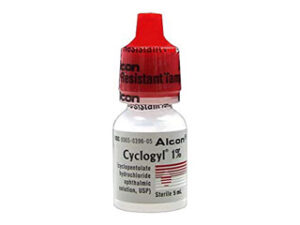
Tropicamide is typically supplied as eye drops. Strengths and specific brands can vary. Always follow the instructions provided with your product and the directions of your eye care professional.
Who supplies it?
In the UK, eye medicines are supplied through community pharmacies and specialist channels. Availability may vary depending on local stock and brand.
How Tropicamide Works (Mechanism of Action)
Tropicamide is an antimuscarinic medicine. It blocks muscarinic receptors in the eye, which are involved in:
- Pupillary constriction (miosis). Blocking this leads to pupil dilation.
- Accommodation (focusing for near objects). Blocking this reduces the eye’s ability to focus, causing temporary blurred vision.
The result is cycloplegia (reduced focusing ability) and mydriasis (widened pupil). These effects are useful for examining the retina, lens, and optic nerve.
Pharmacokinetics (How the Body Handles It)
After eye administration, tropicamide mainly acts locally in the eye. A small amount may enter the bloodstream.
Absorption
Absorption can occur through the conjunctiva and, after blinking, through the nasolacrimal drainage system into the nose and throat (and then the gastrointestinal tract). This systemic absorption is one reason why you may be advised to use punctal occlusion (see practical tips below).
Distribution
Any absorbed medicine distributes through the bloodstream. The clinical impact is usually minimal when used correctly for short diagnostic doses.
Metabolism and excretion
Tropicamide is metabolised and eliminated mainly by the body’s normal clearance processes. Because dosing is usually brief and effects are temporary, systemic exposure is typically limited with proper use.
Note: Individual response can vary, including duration of dilation and focusing blur. Age, tear flow, and whether drops leak into the nose can influence the effect.
Typical Use in the UK
Tropicamide is widely used by eye healthcare professionals for diagnostic purposes, including:
- Fundus examination (checking the retina and optic nerve)
- Assessment of the lens and other internal eye structures
- Preparation for retinal imaging or other tests requiring a dilated pupil
- Paediatric examinations may use tropicamide (often under specific dosing protocols) depending on the clinician’s plan
It may also be used as part of specific clinical pathways determined by eye specialists.
When It Starts Working & Timing
Tropicamide acts relatively quickly. The exact timing can vary, but commonly:
| Effect | Typical onset | Typical duration |
|---|---|---|
| Pupil dilation | Within ~15–30 minutes | Several hours (often most of the day) |
| Blurred vision / reduced focusing | Within ~15–30 minutes | Several hours; near vision may remain difficult longer |
| Light sensitivity | After dilation begins | Until pupils return closer to normal size |
Many people can expect temporary blurred vision and increased sensitivity to bright light. Vision should improve as the medicine wears off. If you need to drive, read, or use screens for a long period, plan around these effects.
How to Use Tropicamide Eye Drops (General Guidance)
Always follow the instructions given by your eye care professional or on the package for your specific product. Do not change the dose yourself.
Practical steps
- Wash your hands.
- If wearing contact lenses, remove them before instilling drops and only reinsert after the clinician’s advice (often after the episode, when vision is clear).
- Tilt your head back and gently pull down the lower eyelid to form a small pocket.
- Instil the prescribed number of drops into the affected eye(s).
- Close your eyes gently for 1–2 minutes (do not squeeze hard).
- Press gently at the inner corner of the eye (near the nose) for about 1 minute if advised. This is called punctal occlusion and can reduce drainage into the nose.
- Wipe away excess fluid with a clean tissue.
Dosing (typical diagnostic use)
Dosing depends on the reason for examination, patient age, and the clinician’s protocol. Common patterns include:
- Single dose shortly before examination
- One or more additional doses at intervals if a wider or more sustained effect is needed
- Different regimens for children versus adults
Because dosing varies by product strength and clinical need, the safest approach is to use the exact amount and timing provided by your eye care professional.
Food Interactions
Tropicamide eye drops act mainly in the eye. Food interactions are not generally expected with topical ophthalmic use.
However, if some medicine drains into the throat and is swallowed, it may contribute to systemic effects. To reduce this, consider:
- Using punctal occlusion after the drop.
- Avoiding eating immediately after instillation if you are prone to swallowing droplets (this is a precaution, not a strict requirement).
Alcohol and Medicine Interactions
Alcohol
There is no classic, guaranteed alcohol interaction with tropicamide eye drops. That said, tropicamide can cause blurred vision and sometimes systemic anticholinergic effects if absorption occurs.
To be cautious, avoid alcohol on the day of use if you feel:
- Drowsy or light-headed
- Confused
- Unusually dry-mouthed
- More light sensitive than expected
The priority is safe functioning (for example, avoiding driving if your vision is impaired).
Other medicines
Interactions depend on your overall medication list. As an antimuscarinic agent, tropicamide may have additive effects when combined with other medicines that can also reduce muscarinic activity. Tell your eye care professional or pharmacist about:
- Other eye drops (including glaucoma treatments)
- Anticholinergic medicines (for bladder overactivity, allergy symptoms, motion sickness, certain antidepressants/antipsychotics, and other products)
- Medicines that affect the pupil or eye
- Medicines for Parkinson’s disease or conditions involving cholinergic pathways
If multiple eye drops are used, allow time between different products as advised (often 5–10 minutes, but follow local instructions).
Indications (What It’s Used For)
Tropicamide is indicated for pupillary dilation and cycloplegia to facilitate diagnostic examination of ocular structures.
- Eye examinations requiring a dilated pupil
- Diagnostic imaging of the retina and optic nerve
- Assessment of intraocular structures where improved visibility is needed
The exact clinical indication will be determined by your eye care provider based on your symptoms, examination findings, and planned tests.
Safety Profile & Side Effects
Most people tolerate tropicamide eye drops well. Side effects are usually temporary and relate to its effects on the pupil and focusing mechanisms.
Common side effects
- Blurred vision, especially for near tasks
- Light sensitivity (photophobia)
- Stinging or mild irritation at the time of instillation
- Temporary difficulty focusing
- Redness of the eye in some people
Less common but important effects
- Dry mouth, mild dizziness, or headache (usually when systemic absorption occurs)
- Raised eye pressure in susceptible individuals
- Allergic-type reactions (rare)
Seek urgent medical attention if
Contact an emergency service or urgent eye care immediately if you develop symptoms suggestive of a serious reaction, such as:
- Severe eye pain
- Marked redness of the eye
- Sudden deterioration of vision
- Halos around lights with severe discomfort
- Severe headache, nausea, or vomiting
Who should be extra cautious?
Inform your eye care professional if you have (or may have):
- Glaucoma, particularly narrow angles or a history suggestive of angle-closure risk
- Eye injury or severe eye inflammation
- Allergy to tropicamide or any ingredient in the drops
- Severe sensitivity to anticholinergic effects
- Certain neurological or behavioural conditions where anticholinergic symptoms may be more difficult to monitor
Practical Use Tips (Make It Easier and Safer)
- Plan for reduced vision: Bring sunglasses if you will be outside.
- Don’t drive until your vision is clear: If you must travel, arrange transport.
- Reduce leakage: After applying the drop, close your eyes gently and press the inner corner of your eye for about a minute if you can.
- Avoid rubbing your eyes: This can increase irritation and may spread medicine to the other eye.
- Be careful with children: If a child receives tropicamide, protect their eyes from rubbing and keep them under supervision until vision stabilises.
- Keep the bottle clean: Avoid touching the dropper tip to the eye or surrounding skin.
- Watch for unexpected symptoms: If you experience severe pain, persistent vomiting, or worsening vision, seek urgent advice.
Alternative Options
Depending on the examination and the clinician’s preferences, other agents may be used to dilate pupils or to induce cycloplegia. Alternatives can include:
- Other antimuscarinic/cycloplegic eye drops used for examination purposes
- Combination regimens where different mechanisms and durations are balanced
- Different dilation strategies for specific eye conditions or imaging requirements
Your optometrist or ophthalmologist will choose an option based on your eye health, your age, and the type of diagnostic test planned.
Market & Legal Context in the UK
In the United Kingdom, medicines are regulated and classified according to their safety profile, intended use, and risk management. Eye drops are controlled to ensure they are supplied appropriately and used safely.
Availability can vary by brand, strength, and the supply route used by the pharmacy or healthcare provider. Your local pharmacy can advise on what is available and how to obtain it safely for your situation.
For eye medicines, regulatory expectations also emphasise:
- Clear patient instructions for correct administration
- Safety warnings about effects such as light sensitivity and rare serious reactions
- Guidance around conditions that may increase risk (such as narrow-angle glaucoma)
- Appropriate advice on driving and work activities
Recent Guidance & Clinical Considerations
Guidance for pupil dilation and eye examination can evolve, particularly around:
- Ensuring safe use in people at risk of angle closure
- Optimising dosing schedules for different age groups and diagnostic pathways
- Providing clearer patient counselling on expected side effects and aftercare (such as driving restrictions)
If you are preparing for an appointment, it’s best to confirm:
- Whether the drops are needed in the clinic or at home beforehand
- How many drops and at what times
- Whether you should bring someone to accompany you (especially if you are sensitive to dilation)
Delivery and Availability (UK)
Availability of tropicamide products may vary. Many pharmacies can supply common eye drops through standard delivery channels, subject to stock and product listing.
When ordering online, check:
- Brand and strength: Ensure it matches what your clinician requested.
- Pack size: Different pack sizes may affect cost-effectiveness.
- Delivery times: Carriage times vary by supplier and postcode.
- Cold-chain requirements: Tropicamide eye drops are generally stored at room temperature, but always follow the storage instructions on the pack.
For best results, order early if you need the drops for a scheduled appointment.
Frequently Asked Questions (FAQ)
1) Will tropicamide blur my vision?
Yes. Tropicamide commonly causes blurred vision and difficulty focusing, particularly for near tasks. It is usually temporary and improves as the medicine wears off.
2) How long do the effects last?
Effects often last for several hours. Some people notice near-vision blur longer than the pupil changes. Avoid driving and tasks requiring sharp close vision until your eyesight returns to normal.
3) Can I drive after using tropicamide?
Driving is generally not advised until your vision is clear. Because tropicamide can cause light sensitivity and blur, consider arranging transport after your appointment.
4) Can I use tropicamide if I have glaucoma?
You should use it only under specific clinical guidance. Tropicamide can potentially raise eye pressure in people with certain types of glaucoma or narrow angles. Always inform your eye care professional about your diagnosis and previous eye pressure issues.
5) What should I do if the drop goes into my nose or throat?
This can happen. To reduce it, close your eyes gently and press the inner corner of your eye for about a minute. If you swallow a droplet and feel unwell (dry mouth, dizziness, headache), contact a healthcare professional for advice.
6) Are there any interactions with my other eye drops?
There can be interactions in terms of timing or additive effects. Tell your eye care professional about all eye drops you use. If multiple drops are used, leave a short interval between them unless instructed otherwise.
7) Can I take my usual medicines the same day?
Usually, yes. However, certain medicines that increase anticholinergic effects may increase side effects. Provide your full medication list to your pharmacist or clinician.
8) Does it matter if I eat before using tropicamide?
Food does not typically interfere with tropicamide eye drops because the action is mainly local. As a precaution, avoid swallowing droplets by using punctal occlusion and gentle closure of the eyes after instillation.
9) What if I miss a dose?
For diagnostic use, tropicamide is usually timed to your appointment. If you miss a dose, contact the clinic for advice rather than re-dosing automatically, especially because dosing schedules are planned for the specific test.
10) How should I store tropicamide?
Store according to the instructions on the pack. Keep the bottle tightly closed and out of sight of children. Do not use beyond the expiry date and follow guidance on discard time after opening if provided.
Summary
Tropicamide eye drops are used in the UK to dilate pupils and reduce focusing for clearer eye examinations and diagnostic testing. The effects include temporary blurred vision and light sensitivity, usually for several hours.
For safe use: apply correctly, avoid rubbing, consider punctal occlusion to reduce drainage, and plan for reduced vision. Seek urgent help if you develop severe eye pain, marked redness, sudden vision changes, or intense headache with nausea.
If you have any questions about your specific product strength, dosing schedule, or suitability (for example, if you have glaucoma or narrow angles), speak to a healthcare professional or your pharmacist.