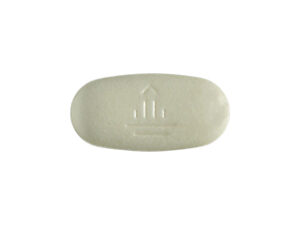

Toprol (Metoprolol) – Patient-Friendly Guide (UK)
Toprol contains metoprolol, a medicine used to manage several heart-related conditions and help reduce the risk of certain complications. This guide explains what Toprol is, how it works, how it is taken, and what to consider in everyday life.
Please read this information alongside the instructions provided with your medicine and any advice from your healthcare professional. Medicines affect people differently. If you have any concerns—especially if you experience unusual symptoms—seek medical help promptly.
Basic product information
- Active ingredient: Metoprolol
- Brand name: Toprol
- Medicine class: Beta-blocker (beta-adrenergic blocker)
- Common formulations: Metoprolol is available in different strengths and may be provided as immediate-release or modified-release preparations depending on the product. Always check your specific pack.
- Use in the UK: Used in the management of cardiovascular conditions, including angina, heart failure (where appropriate), and blood pressure-related treatment plans.
How Toprol works (mechanism of action)
Metoprolol belongs to a group of medicines called beta-blockers. It primarily blocks beta receptors in the heart. This leads to:
- Lower heart rate (slower pulse)
- Reduced force of contraction of the heart muscle
- Lower cardiac oxygen demand (often helpful in angina)
- Reduced blood pressure by affecting how the heart and blood vessels respond to certain signals
By helping to stabilise heart rate and reduce workload on the heart, metoprolol can improve symptoms and help reduce certain risks in long-term conditions.
Pharmacokinetics (how the body handles metoprolol)
Pharmacokinetics describes what happens to a medicine after you take it. With metoprolol, key points may include:
- Absorption: Metoprolol is absorbed after oral dosing. The speed and duration depend on whether your product is immediate-release or modified-release.
- Distribution: It reaches the bloodstream and acts on beta receptors mainly in the cardiovascular system.
- Metabolism: Metoprolol is metabolised in the liver.
- Elimination: Metabolites and some unchanged drug are excreted, primarily via the kidneys.
If you have liver or kidney impairment, your clinician may adjust dosing or monitor you more closely. The exact profile can vary depending on the specific metoprolol formulation.
What Toprol is typically used for (indications)
Toprol is used to manage a range of cardiovascular conditions. Common indications include:
- Angina (stable or chronic): To reduce frequency and severity of chest pain by improving heart efficiency.
- High blood pressure (hypertension): As part of a treatment plan to help lower and control blood pressure.
- Heart rhythm and heart rate control: Some types of tachycardia may be treated using beta-blockers, depending on the situation.
- Heart failure: Metoprolol has a role in certain heart failure regimens. Suitability depends on type/severity and individual assessment.
Your clinician may choose metoprolol based on your symptoms, heart rate, blood pressure, other conditions, and other medicines you take. Do not use it for reasons not agreed with your treatment plan.
Dosing: typical approach and important considerations
Dosing of Toprol varies widely depending on the condition being treated, your response, heart rate, blood pressure, age, and whether you are using an immediate-release or modified-release formulation. For that reason, dosing should follow your specific pack instructions and clinician guidance.
General principles (patient-friendly)
- Start low, go slow: Many beta-blockers are introduced gradually to minimise side effects such as dizziness or a slow pulse.
- Titrate as needed: Dose adjustments may be made based on pulse, blood pressure, and symptoms.
- Do not stop suddenly: Stopping beta-blockers abruptly can worsen angina or trigger rebound symptoms (such as increased heart rate).
- Follow the schedule: Take it at the times you are instructed, consistently each day.
Missing a dose
- If you miss a dose, take it as soon as you remember unless it is close to the time for the next dose.
- Do not double the dose to make up for a missed tablet unless your instructions explicitly say to.
- If you are unsure, check the patient information leaflet (PIL) in your pack or speak to a pharmacist.
Timing: when to take Toprol
The timing depends on the formulation:
- Modified-release products: Often taken once daily, but your specific product may differ. Follow your pack directions.
- Immediate-release products: Often taken more than once daily. Again, follow your prescribed schedule (if provided) and pack instructions.
If Toprol makes you feel light-headed, consider taking it at a time that fits your day (for example, with meals or in the evening) as advised by your healthcare professional. Do not change the dosing schedule without advice if you’re treating heart failure or unstable angina.
Food interactions: can you take Toprol with meals?
Food may affect how quickly metoprolol is absorbed for some formulations. In many cases, metoprolol can be taken with or without food. However, to support comfort and consistency:
- Choose a routine: Take it the same way each day (either always with meals or always without), unless your pharmacist advises otherwise.
- Managing stomach upset: If you experience nausea or dizziness, taking it with food may help.
Always check the leaflet for your exact Toprol product, as recommendations may vary by formulation.
Alcohol interactions and safety
Alcohol can increase the risk of dizziness, light-headedness, and low blood pressure when combined with blood pressure medicines such as beta-blockers. This effect may be more noticeable when you start treatment or after a dose increase.
- Limit alcohol: Consider reducing or avoiding alcohol until you know how Toprol affects you.
- Avoid binge drinking: Large amounts of alcohol can worsen low blood pressure and cause fainting.
- Be cautious with driving: If you feel unsteady, do not drive or operate machinery.
If you have ongoing alcohol use or liver disease, discuss this with your healthcare professional.
Medicine interactions: what to watch for
Metoprolol can interact with other medicines, potentially altering heart rate, blood pressure, or the way each medicine works. Always inform your pharmacist about your current medicines, including over-the-counter products and herbal remedies.
Common interaction areas
- Other heart-rate–lowering medicines: Medications that slow the heart rhythm (certain antiarrhythmics, some calcium-channel blockers such as verapamil/diltiazem, or other beta-blockers) can increase the risk of slow pulse or heart block when combined.
- Blood pressure medicines: Combining with other antihypertensives may increase the risk of low blood pressure.
- Medicines that affect liver enzymes: Some medicines may increase metoprolol levels, raising the chance of side effects like fatigue or bradycardia.
- Diabetes medicines: Beta-blockers can mask some signs of hypoglycaemia (low blood sugar), such as a fast heartbeat. They may not fully remove the sweating or other symptoms. Extra monitoring may be required.
- Non-steroidal anti-inflammatory drugs (NSAIDs): Some NSAIDs may reduce blood pressure–lowering effects in certain people. This is more relevant for long-term use.
- Asthma/COPD medicines: Beta-blockers can potentially worsen breathing problems in susceptible individuals. Cardioselective beta-blockers like metoprolol are often preferred, but caution is still needed.
Top tips to reduce interaction risk
- Keep an up-to-date list of your medicines and show it to your pharmacist.
- Check with a pharmacist before starting new over-the-counter products (including cough/cold remedies).
- Be alert to symptoms such as unusually slow pulse, fainting, worsening breathlessness, or new dizziness.
Safety profile: side effects and when to seek help
Most people tolerate Toprol well, but like all medicines it can cause side effects. The likelihood and severity can increase if your dose is too high or increased too quickly.
Common side effects (often improve with time)
- Tiredness or fatigue
- Dizziness, especially when standing
- Headache
- Cold hands and feet
- Sleep disturbance or unusual dreams
- Slow pulse (bradycardia)
Less common but important effects
- Breathing difficulties, wheezing, or asthma flare in sensitive people
- Low blood pressure (light-headedness, fainting)
- Worsening of heart failure symptoms if the dose is not appropriate or starts too quickly
- Worsening depression in some individuals (tell your clinician if mood changes occur)
- Sexual dysfunction (can occur with some beta-blockers)
Seek urgent medical advice if you experience
- Fainting or near-fainting
- Severe dizziness, confusion, or collapsing
- Chest pain that is new, severe, or worsening
- Severe shortness of breath
- Signs of a serious allergic reaction (swelling of face/lips, difficulty breathing, widespread rash)
Special caution groups
- People with asthma/COPD: You may need monitoring. Do not stop abruptly; seek advice.
- People with diabetes: Watch for hypoglycaemia and monitor blood sugar if relevant.
- People with heart conduction problems: Beta-blockers can worsen some conduction abnormalities.
- Older adults: Dizziness and low blood pressure may be more likely.
- Pregnancy and breastfeeding: Use depends on individual risk/benefit. Discuss with your healthcare professional.
Practical use tips (how to get the best benefit)
- Check your pulse: If you’ve been advised, monitor your heart rate and note symptoms like dizziness or unusual breathlessness.
- Stand up slowly: Helps reduce light-headedness, particularly after starting or increasing the dose.
- Keep follow-up appointments: Dose adjustments may require review and sometimes blood tests.
- Don’t run out: Set reminders. Missing doses repeatedly can affect symptom control.
- Carry a medication list: Useful for emergency care.
- Be consistent: The same daily timing helps maintain stable medicine levels.
Alternative options to consider
If Toprol (metoprolol) is not suitable due to side effects, interactions, or lack of benefit, clinicians may consider other treatments. Alternatives depend on the condition being treated and your individual circumstances.
Possible alternative beta-blockers
- Atenolol
- Bisoprolol
- Carvedilol
- Nebivolol
Non–beta-blocker alternatives (condition-dependent)
- For high blood pressure: ACE inhibitors, ARBs, calcium-channel blockers, and thiazide-type diuretics are commonly used options depending on your health profile.
- For angina: Other antianginal medicines may be used, sometimes in combination.
- For some rhythm issues: Different rhythm control strategies may be considered.
Always discuss alternatives with a pharmacist or clinician. Switching requires careful planning, especially for heart-related conditions.
UK market and legal context (what this means for you)
Medicines containing metoprolol are regulated in the UK and supplied through appropriate routes. In general, beta-blockers are controlled medicines in terms of safe prescribing and dispensing.
UK pharmacies follow strict standards for:
- Identity checks: to ensure the right product and strength are provided
- Safety screening: based on your medication profile and risk factors
- Packaging and labelling: including clear dosing instructions
- Pharmacovigilance: reporting and learning from adverse reactions
Supply practices can differ for different strengths and formulations, and availability depends on supply chain conditions and manufacturer distribution.
Recent guidance and monitoring (general)
Clinical guidance for beta-blocker use evolves as evidence develops. In the UK, treatment approaches for cardiovascular disease commonly emphasise:
- Individualised therapy: dosing tailored to symptoms, heart rate, blood pressure, and tolerance
- Gradual dose titration: especially in conditions like heart failure
- Regular monitoring: including pulse and blood pressure, and reviewing symptoms after changes
- Medicines optimisation: reviewing other medicines that may interact
Your clinician may recommend additional tests (such as ECG monitoring) if there are concerns about heart rhythm or conduction.
Delivery and availability (UK online pharmacy)
Availability of Toprol (metoprolol) can vary by strength, formulation (immediate vs modified release), and current supply levels. When ordering online, typical steps include:
- Stock checks: the pharmacy checks product availability before dispatch.
- Order processing: verification and packaging in line with pharmacy procedures.
- Dispatch timelines: delivery depends on the chosen delivery option and courier network.
If your preferred strength is temporarily unavailable, the pharmacy may offer an alternative formulation/strength where clinically appropriate and permitted, or advise when restock is expected. If you are taking metoprolol for a heart condition, avoid changing the product without clinical advice.
FAQ – Toprol (Metoprolol)
1) How quickly does Toprol start working?
Some effects—such as reducing heart rate and blood pressure—can occur within hours after dosing. Longer-term benefits for conditions like angina and heart failure build over time with consistent use. Your response may vary depending on the formulation and your condition.
2) Can I stop Toprol if I feel better?
Do not stop suddenly. Stopping beta-blockers abruptly can worsen symptoms or cause rebound effects. If you want to stop or switch, your healthcare professional will usually advise a gradual reduction plan.
3) Will Toprol affect my pulse?
Yes. Metoprolol commonly lowers heart rate. If your pulse becomes very slow or you feel faint, seek medical advice. In some cases, your dose may need adjustment.
4) Can I take Toprol with other cold and flu medicines?
Some cold and flu remedies can affect blood pressure or heart rate (for example, products containing decongestants). Ask a pharmacist before taking them, especially if you’re treating high blood pressure or heart conditions.
5) Does Toprol interact with diabetes medicines?
Beta-blockers may mask some warning signs of low blood sugar, such as a fast heartbeat. People with diabetes should monitor blood glucose as advised and report repeated hypos or concerning symptoms.
6) What should I do if I miss a dose?
Take it when you remember unless it’s close to the next dose. Do not double the dose. If unsure, check your leaflet or ask a pharmacist.
7) Is it safe to drink alcohol while taking Toprol?
Alcohol may increase dizziness or lower blood pressure. Limiting alcohol and avoiding heavy drinking is generally wise, particularly when starting or after dose changes. If you feel light-headed after alcohol, stop and seek advice.
8) Are there dietary restrictions?
No special diet is usually required. However, maintaining a consistent routine (for example with meals) and staying hydrated can help with tolerance. If you’re also managing conditions like heart failure or diabetes, follow the dietary guidance provided for those conditions.
9) Can Toprol be taken at night?
It can sometimes be taken at night depending on the formulation and your symptom pattern. Follow your prescribed timing and ask a pharmacist if you want to change the time you take it.
10) Who should be extra cautious with Toprol?
Extra caution is usually needed for people with asthma/COPD, diabetes, heart conduction problems, low blood pressure, and certain other heart rhythm conditions. Always disclose your full medical history to your pharmacist for safe advice.
Quick comparison table (for understanding)
| Topic | What to expect with Toprol (metoprolol) |
|---|---|
| What it does | Helps slow heart rate, reduce heart workload, and lower blood pressure. |
| When you feel it | Some effects can be felt within hours; full benefits may take weeks for chronic conditions. |
| With food | Often can be taken with or without food; consistency is helpful—check your specific leaflet. |
| Alcohol | May worsen dizziness/low blood pressure—limit alcohol and avoid heavy drinking. |
| Key risk | Too much effect on pulse/blood pressure (e.g., fainting, severe dizziness) and interactions with other heart-rate–lowering medicines. |
| Stopping | Do not stop suddenly; reduce gradually if advised. |
Summary
Toprol (metoprolol) is a beta-blocker widely used for cardiovascular conditions such as angina, high blood pressure, and certain heart conditions including heart failure where appropriate. It works by slowing heart rate and reducing the heart’s workload, which can improve symptoms and reduce risk over time.
For safe and effective use in the UK, take Toprol as directed, be consistent with timing, avoid sudden stopping, and review potential interactions—especially with other heart medicines, diabetes treatments, and decongestants. If you experience severe dizziness, fainting, breathing difficulties, or worsening chest pain, seek urgent medical advice.