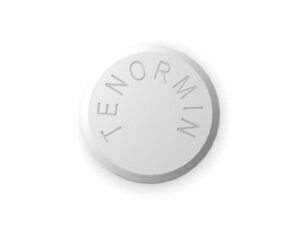
Atenolol (UK) — Patient Information
Atenolol is a well-established medicine used to treat certain heart and circulation conditions. It belongs to a group of medicines called beta-blockers. This guide is written to help you understand what atenolol does, how it works in the body, how it is usually taken, and what to consider for safe use in the United Kingdom.
Quick facts
- Medicinal ingredient: Atenolol
- Type: Beta-blocker (selective β1-receptor blocker)
- Common uses: High blood pressure (hypertension), angina (chest pain), and certain heart rhythm/heart-related conditions as advised
- How it’s taken: Usually once or twice daily, depending on the condition
- Key considerations: Can lower heart rate and blood pressure; may cause tiredness; do not stop suddenly
Basic product information
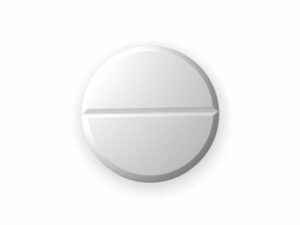
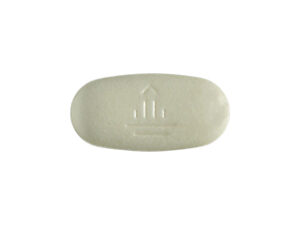
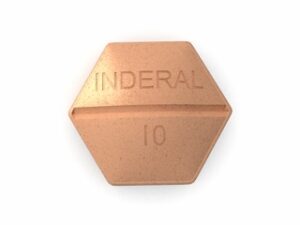
Atenolol is available in tablet form in the UK. Strengths may vary by brand and manufacturer. Your pharmacist can confirm the exact strength and how it matches your prescribed regimen.
In the UK, atenolol is licensed for use in conditions including: high blood pressure and angina. Your doctor may also consider it for other heart-related indications depending on your individual health profile.
How atenolol works (mechanism of action)
Atenolol works primarily by blocking beta-1 receptors in the heart. This leads to:
- Slower heart rate
- Reduced force of heart contraction
- Lower oxygen demand of the heart muscle
- Lower blood pressure over time
Because atenolol is relatively β1-selective at usual doses, it tends to act more on the heart than the lungs. However, at higher doses or in sensitive individuals, beta-blockers may still affect breathing.
Typical uses in the UK
Atenolol may be used to help control and protect the cardiovascular system. The most common indications include:
- Hypertension (high blood pressure): helps reduce the risk of stroke, heart attack, and other complications.
- Angina pectoris: helps prevent chest pain episodes by reducing the heart’s workload.
Depending on clinical circumstances, beta-blockers may also be considered for certain rhythm problems or following specific cardiac events. If your care team has recommended atenolol for you, it is usually because the benefits outweigh potential risks for your situation.
Pharmacokinetics (how the body handles atenolol)
Understanding pharmacokinetics can help explain timing and how missed doses may affect you. Pharmacokinetics describes absorption, distribution, metabolism, and elimination.
Absorption
Atenolol is absorbed from the gut after swallowing a tablet. Its absorption can be influenced by factors like food (see “Food interactions” below).
Distribution
Atenolol distributes into body tissues and acts mainly on the cardiovascular system. It is excreted largely unchanged and is not extensively metabolised in the liver.
Metabolism
Atenolol is minimally metabolised compared with many other drugs. This can make it more predictable in some patients, but kidney function becomes more important.
Elimination (clearance)
Atenolol is eliminated primarily via the kidneys. If you have reduced kidney function, the dose or dosing frequency may need adjustment.
Half-life and duration of action
Atenolol has a relatively long duration of action for a tablet medicine, which is one reason it is often taken once daily. However, individual response and the condition being treated can affect your dosing schedule.
When and how to take atenolol (timing)
The timing of your atenolol dose can affect how consistently your blood levels stay within the effective range. Many people find it easiest to take at the same time each day.
Typical dosing patterns
- Once daily: commonly used for hypertension and sometimes for angina.
- Twice daily: may be used where a more even effect through the day is desired.
Your exact dose should follow your clinician’s instructions. If you are unsure, check the label or ask your pharmacist.
Missed doses
If you miss a dose, take it when you remember unless it’s close to the next scheduled dose. Do not take a double dose to make up for a missed tablet.
Food interactions and dietary considerations
Food can influence the absorption of atenolol. In practice, many people can take atenolol with or without food, but consistency is helpful.
- With meals: some formulations/individuals may experience changes in absorption rate.
- Without meals: taking on an empty stomach may lead to different absorption timing.
A practical approach is to take atenolol the same way each day (either always with food or always without food), unless your healthcare professional advises otherwise.
Alcohol interactions
Alcohol can increase the chance of light-headedness or dizziness in some people taking blood pressure medicines, including beta-blockers. It may also worsen fatigue.
- Consider limiting alcohol, especially when you first start or when your dose changes.
- Be cautious with activities that require alertness if you notice dizziness.
Interactions with other medicines
Atenolol can interact with other medicines that affect heart rate, blood pressure, or heart conduction. Always review your full list of medicines and supplements with a healthcare professional or pharmacist.
Common interaction themes
- Other medicines that slow heart rate: may increase risk of bradycardia (slow heartbeat) or low blood pressure.
- Medicines affecting heart rhythm/conduction: can increase risk of abnormal rhythm.
- Blood pressure medicines: may add to blood pressure-lowering effects.
- Medicines for diabetes: beta-blockers may mask some warning signs of low blood sugar (such as fast heartbeat).
- Non-steroidal anti-inflammatory drugs (NSAIDs): may affect blood pressure control in some patients.
- Respiratory medicines: some people with asthma/COPD may need careful monitoring, as beta-blockers can influence breathing response.
If you use an inhaler or have asthma or chronic obstructive pulmonary disease (COPD), speak with your clinician/pharmacist for advice.
Indications, dosing, and practical guidance
Dosing principles
Dosing is individual. Clinicians typically start at a lower dose and adjust depending on blood pressure, heart rate, symptoms (such as angina), and tolerability.
Typical adult dosing (general information)
The table below provides general dosing ranges used in clinical practice. Your exact regimen may differ based on your medical history, kidney function, age, and response.
| Indication | Typical dosing approach (adults) | Notes |
|---|---|---|
| Hypertension (high blood pressure) | Often once daily | Dose may be adjusted over time to reach target blood pressure. |
| Angina (chest pain) | Often once or twice daily | The goal is to reduce frequency/severity of attacks and improve exercise tolerance. |
| Other heart-related conditions (as advised) | Individualised | Your clinician may adjust dosing based on rhythm, heart rate targets, and overall treatment plan. |
Important: Always follow the dosage instructions on your medicine label. If you have questions about whether your dose is appropriate, speak with your pharmacist or clinician.
How to take atenolol correctly
- Swallow the tablet with water.
- Try to take it at the same time each day.
- Continue unless your clinician tells you to stop.
- If you are changing dose, allow time for your body to adjust and monitor symptoms.
Safety profile and side effects
Most medicines have benefits and potential side effects. Many people tolerate atenolol well, but it’s important to know what to expect and when to seek help.
Common side effects
- Tiredness or reduced energy
- Dizziness, especially when standing up
- Cold hands and feet
- Slow heartbeat (bradycardia)
- Shortness of breath on exertion (more likely in those with lung disease)
- Nausea or stomach discomfort
Less common but important effects
- Worsening symptoms of heart failure in susceptible individuals
- Sleep disturbances or vivid dreams
- Sexual dysfunction (reported by some patients)
- Skin rash (uncommon)
Seek urgent medical help if you have
- Fainting or severe dizziness
- Chest pain that is worsening or not responding to your usual plan
- Severe shortness of breath or wheezing
- Signs of an allergic reaction: swelling of face/lips, difficulty breathing, or widespread rash
Do not stop suddenly
Atenolol should generally not be stopped abruptly. Sudden withdrawal can lead to a worsening of symptoms, such as increased heart rate or angina episodes. If stopping is necessary, a clinician usually reduces the dose gradually.
Practical use tips (making treatment easier)
- Monitor how you feel: track dizziness, fatigue, or changes in exercise tolerance—especially in the first few weeks.
- Check blood pressure and pulse: if you have home monitoring, use it as advised and keep a simple log.
- Stand up slowly: to reduce the chance of light-headedness.
- Be consistent with timing: taking at the same time each day supports steady effects.
- Keep inhalers accessible: if you have asthma/COPD and use a reliever inhaler, ensure your action plan is up to date.
- Tell healthcare professionals you take atenolol: including dentists and hospital staff.
- Carry medication details: in case of emergencies, having a list of your medicines is helpful.
Who should be cautious (special populations)
Kidney problems
Since atenolol is cleared largely through the kidneys, dose adjustment may be needed in people with impaired kidney function. Your clinician may monitor you more closely and tailor the dose.
Diabetes
Beta-blockers can mask some warning signs of low blood sugar, such as a fast heartbeat. If you have diabetes—especially if you use insulin or medicines that can cause hypoglycaemia—ask your clinician about extra monitoring.
Asthma and COPD
Atenolol is β1-selective, but caution is still important. If you have wheezing, asthma, or COPD, discuss with your clinician/pharmacist. If breathing symptoms worsen, seek medical advice.
Heart block or very slow heart rate
People with certain conduction problems or very slow pulse rates may require special monitoring or alternative treatment. Report symptoms like fainting, marked dizziness, or very low pulse.
Alternative options (discuss with your clinician)
If atenolol is not suitable or causes unacceptable side effects, there are other treatments for similar conditions. Alternatives may include:
- Other beta-blockers: such as bisoprolol, metoprolol, or carvedilol (choice depends on the individual and condition).
- Calcium-channel blockers: e.g., amlodipine or diltiazem/ verapamil in selected cases.
- ACE inhibitors: e.g., lisinopril/ramipril for hypertension (depending on your profile).
- Angiotensin receptor blockers (ARBs): e.g., losartan/valsartan when appropriate.
- Diuretics: e.g., indapamide or bendroflumethiazide as part of blood pressure management.
For angina, the choice of medicine often depends on heart rate targets, blood pressure, co-existing conditions, and how symptoms respond over time.
UK market and legal context
In the United Kingdom, medicines are regulated by the Medicines and Healthcare products Regulatory Agency (MHRA). Authorised products undergo assessment for quality, safety, and effectiveness, and are monitored through post-marketing surveillance.
Beta-blockers such as atenolol have long-standing use in the UK healthcare system. Your local NHS guidance and the evolving evidence base may influence preferred first-line choices for hypertension and angina.
Recent guidance (how practice may vary)
Clinical guidance in the UK for cardiovascular disease management can evolve as new evidence emerges. In recent years, emphasis has often been placed on:
- Choosing medicines based on individual risk factors and comorbidities
- Using appropriate blood pressure targets and lifestyle measures
- Reviewing ongoing need for specific beta-blockers where other options may be more suitable for some people
Even when another medicine might be preferred for new starts in certain guidelines, atenolol may still be appropriate for many patients, particularly when it controls symptoms well or is already part of an established regimen. Your clinician may tailor therapy to your response and tolerability.
Delivery and availability (UK)
Availability can vary by strength and brand, and supply may change over time. When purchasing online in the UK, delivery typically depends on stock status and your postcode.
- In-stock items: may be dispatched quickly, often within 24 hours on working days.
- Low stock or back-order situations: may require additional time while stock is replenished.
- Delivery options: some pharmacies offer standard and express services.
Always check the estimated delivery time shown at checkout. If you have an urgent need, contact customer service before ordering.
Storage instructions
Store atenolol tablets according to the information on the patient information leaflet. Common storage guidance is:
- Keep out of the sight and reach of children
- Store in a cool, dry place (away from excessive heat and moisture)
- Keep tablets in the original container
Warnings and when to contact a healthcare professional
Contact your healthcare professional or pharmacist for advice if you experience:
- Symptoms of very low blood pressure (e.g., persistent dizziness, fainting)
- Very slow pulse or worsening fatigue
- New or worsening shortness of breath, wheeze, or breathing difficulty
- Angina symptoms becoming more frequent or more severe
If you have any planned procedures or new diagnoses, ensure the treating team knows you take atenolol.
FAQ
1) Is atenolol safe to take long-term?
Many people take beta-blockers long-term when they provide benefit, particularly for blood pressure and angina. Safety depends on your health profile and monitoring. Your clinician should review your treatment periodically.
2) Will atenolol definitely lower my heart rate?
In many people, yes. Atenolol reduces heart rate and can improve symptoms like angina. However, the degree of effect varies. If your pulse becomes very slow or you feel faint, seek medical advice.
3) Can I drive or operate machinery?
If you feel dizzy or unusually tired, avoid driving or operating machinery until you feel safe. Side effects are often more noticeable when starting or after dose changes.
4) What should I do if I miss a dose?
Take it when you remember unless it’s close to the next dose. Do not take a double dose.
5) Can I take atenolol with food?
Often yes. Food may affect absorption, so try to keep the routine consistent day to day (either with or without meals) unless your healthcare professional advises otherwise.
6) Does alcohol interact with atenolol?
Alcohol can increase dizziness or light-headedness. Keep alcohol moderate, especially when you first start atenolol or after a dose increase.
7) Can I use over-the-counter medicines with atenolol?
Some over-the-counter products can affect blood pressure or heart rate. If you are unsure—especially if you take NSAIDs regularly, decongestants, or have diabetes—ask a pharmacist before combining medicines.
8) What if I have asthma or COPD?
Beta-blockers require caution. Atenolol is relatively selective for the heart, but breathing symptoms can still occur in susceptible people. Discuss with your clinician/pharmacist and seek advice if you notice wheeze or breathlessness worsening.
9) Are there alternatives if atenolol doesn’t suit me?
Yes. Options may include other beta-blockers or different classes of blood pressure and heart medicines. The best alternative depends on your diagnosis, symptoms, and other medicines you take.
10) How soon will I feel effects?
Some effects—like heart rate reduction—may be noticeable sooner. Blood pressure lowering typically develops over days to weeks, depending on your regimen and individual response.
Summary
Atenolol is a β1-selective beta-blocker used in the UK to treat conditions such as hypertension and angina. It works by slowing the heart and reducing its workload, helping control blood pressure and chest pain. It is usually taken once or twice daily, with dosing tailored to your individual needs. Keep taking it as directed, avoid sudden stopping, and be mindful of side effects like dizziness, tiredness, and a slower pulse.
If you have questions about how to take your tablets safely or whether a medicine you plan to buy is suitable alongside atenolol, speak to a pharmacist for personalised advice.