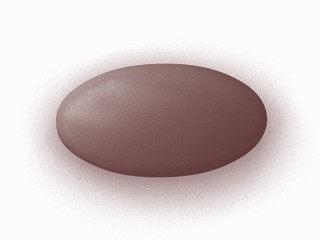
Tretiva (Isotretinoin) – Patient Information (UK)
Tretiva is a medicine containing isotretinoin, a powerful treatment used for certain types of severe acne. It works by reducing oil production, preventing clogged pores, and improving the way skin cells behave. Because of its strength and the need for careful monitoring, treatment with Tretiva should follow UK prescribing and safety guidance.
This page is designed to be patient-friendly and to help you understand how Tretiva works, how it’s used, and what safety steps to consider in the United Kingdom (UK).
Basic product information
| Item | Details |
|---|---|
| Medicine name | Tretiva |
| Active ingredient | Isotretinoin |
| Medicinal use | Severe acne (and certain acne-related conditions) |
| How it’s taken | By mouth, usually once or twice daily depending on your regimen |
| Availability | Available through UK supply channels; suitability depends on your individual assessment |
How Tretiva works (mechanism of action)
Acne is influenced by multiple factors: excess oil production (sebum), blocked pores, inflammation, and the activity of acne-causing bacteria. Isotretinoin targets several of these processes:
- Reduces sebum production: Isotretinoin significantly lowers the activity of oil glands.
- Normalises keratinisation: It helps prevent the formation of clogged pores by affecting how skin cells shed inside follicles.
- Reduces inflammation: Over time, acne lesions become less inflamed.
- May reduce acne-associated bacterial growth: By changing the environment within follicles, acne bacteria are less able to contribute to disease.
Many people notice improvements gradually over several weeks. Some experience a temporary worsening in the early phase (a “flare”), which typically settles.
Pharmacokinetics (how the body handles isotretinoin)
Understanding pharmacokinetics can help explain why certain practical steps—like taking with food—matter.
- Absorption: Isotretinoin is absorbed from the gut. Absorption increases when taken with fat-containing food, which is why timing with meals is important.
- Distribution: Isotretinoin distributes into tissues throughout the body.
- Metabolism: It is metabolised mainly in the liver. The medicine is processed into metabolites that contribute to its overall effect.
- Elimination: Metabolites are cleared primarily via the kidneys and bile/feces.
- Half-life: Isotretinoin and its metabolites persist in the body for some time, which is one reason pregnancy prevention measures must be taken seriously and continued for a period after stopping (see safety section).
Typical use in the UK
Tretiva is generally used for severe acne, particularly when acne:
- does not respond to standard treatments, or
- causes significant scarring, or
- is associated with severe inflammation or nodules.
It may also be considered for other acne-related conditions under clinician guidance, depending on the individual case.
Indications (who it is for)
Isotretinoin is indicated for:
- Severe recalcitrant nodular acne
- Acne that is at risk of permanent scarring, especially when other therapies are insufficient
- Selected cases of other severe acne forms where the risk-benefit is considered appropriate
Not for: Mild acne or purely cosmetic blemishes where less intensive options may be suitable.
Dosing and timing
Exact dosing varies depending on factors such as your weight, acne severity, and tolerance. Your clinician will determine the dose and treatment length.
Common dosing approach (general guidance)
- Isotretinoin is often started at a dose designed to balance effectiveness and side effects.
- The total course is commonly calculated as a cumulative dose over weeks to months.
How to take Tretiva
- Take with food: Taking isotretinoin with a meal—particularly one containing some fat—improves absorption and can reduce variability in blood levels.
- Take at the same times daily as advised.
- Swallow whole with water (do not crush unless your specific formulation instructions indicate otherwise).
What to expect during the course
- First weeks: Skin may feel drier; some people experience a flare of acne.
- Mid-course: Oiliness usually decreases; fewer new lesions appear.
- Later weeks: Lesions continue to improve; most people see marked reduction by the later part of treatment.
Do not stop early without speaking to a healthcare professional, even if acne seems better. Stopping unexpectedly may reduce long-term benefit.
Food interactions
Food (especially fat) affects absorption. For best effect:
- Take each dose with a meal or shortly after eating.
- Avoid taking it on an empty stomach unless instructed otherwise.
If you notice stomach upset or you have a low appetite, speak to your healthcare professional for practical advice on dosing with meals you can tolerate.
Alcohol interactions
Isotretinoin can affect liver enzymes and blood lipids in some people. Alcohol can also affect the liver. As a result:
- Limit or avoid alcohol during treatment whenever possible.
- Follow your clinician’s advice, especially if you have a history of liver problems, high triglycerides, or abnormal liver tests.
If you do drink alcohol occasionally, discuss safe limits with your prescriber or pharmacist.
Interactions with medicines (including supplements)
Tell your healthcare professional about all medicines and supplements you take, including herbal products. Some combinations require extra caution.
Important medicine classes to discuss
- Tetracycline antibiotics (e.g., doxycycline, minocycline): may increase risk of raised intracranial pressure (rare but serious).
- Vitamin A (retinol) supplements: combining vitamin A with isotretinoin can increase the risk of vitamin A–related toxicity.
- Other acne treatments: may increase skin irritation. Topical retinoids or strong keratolytics may require review.
- Corticosteroids: discuss if you are on oral or long-term steroid therapy.
- Medicines affecting liver enzymes: your team may monitor liver function more closely.
- Wafarin/anticoagulants (warfarin): interactions may affect clotting control in some cases; monitoring may be required.
Herbal and “natural” products
Some herbal products or high-dose supplements can affect liver function or vitamin A levels. Always disclose what you take so interactions can be assessed.
Practical tip: keep a list (or photos of packaging) of all products you use and review it at appointments.
Safety profile and key warnings
Tretiva is highly effective, but it can cause significant side effects. The safety profile includes:
Most common side effects
- Dry lips (very common): cracking and discomfort
- Dry skin and flaky peeling
- Dry eyes, eye irritation or sensitivity
- Dry nose, nosebleeds
- Muscle aches or joint stiffness
- Headache (if severe or persistent, seek advice)
- Rash or increased sun sensitivity
- Changes in blood lipids (e.g., triglycerides)
- Changes in liver function tests
- Temporary hair thinning in some people
- Fatigue in some individuals
Serious warnings (rare but important)
- Pregnancy risk: Isotretinoin can cause severe congenital malformations if taken during pregnancy. Pregnancy must be prevented before, during, and after treatment according to UK guidance.
- Raised intracranial pressure: Seek urgent medical advice for severe headache, blurred vision, nausea/vomiting, or visual changes.
- Severe skin reactions: If you develop widespread rash, blistering, or peeling skin, urgent assessment is needed.
- Severe liver or lipid problems: usually detected via blood tests.
Emotional wellbeing
Some people report mood changes while taking isotretinoin. If you experience new or worsening depression, anxiety, agitation, or thoughts of self-harm, seek immediate help and speak to a healthcare professional.
Practical use tips (making treatment easier)
Skin and lip care
- Use a bland emollient regularly (fragrance-free moisturiser).
- Apply lip balm frequently (often several times daily). Consider ointments/chapsticks designed for very dry lips.
- Avoid irritant products such as strong exfoliants, alcohol-based toners, and harsh scrubs.
- Use gentle cleansers and moisturisers rather than “stripping” products.
Eye and nose care
- Lubricating eye drops may help dryness (follow pharmacist/clinician advice for suitability).
- If you wear contact lenses, dryness may worsen; consider switching to glasses if needed.
- For dry nose, saline sprays or moisturising gels may help (ask your pharmacist).
Sun protection
- Isotretinoin can increase sun sensitivity. Use SPF 30+ (or higher), sunglasses, and protective clothing.
- Avoid tanning beds.
Exercise and body comfort
- If you feel muscle/joint aches, reduce intensity temporarily and stay hydrated.
- Report severe pain or weakness to a healthcare professional.
How to manage missed doses
If you miss a dose, take it as advised by your clinician or pharmacist. In general, avoid doubling up unless instructed. If you are unsure, ask your pharmacist for guidance.
Blood tests and monitoring (what is usually checked)
Monitoring is an essential part of treatment with isotretinoin. Your healthcare team may conduct periodic checks such as:
- Liver function tests
- Blood lipids (especially triglycerides)
- Full blood count in some cases
- Pregnancy testing where relevant, as required by UK safety systems
Attend scheduled appointments and blood test appointments so any changes can be identified early.
Alternative options for severe acne
Depending on your skin type, acne severity, and previous treatments, alternatives may include:
- Topical treatments (e.g., retinoids, benzoyl peroxide, topical antimicrobials)
- Oral antibiotics for limited durations as part of a plan (usually combined with topical agents to reduce resistance)
- Hormonal therapies for eligible patients where acne is influenced by hormones
- Non-isotretinoin procedures such as certain light/laser therapies or drainage/excision strategies for specific lesions
- Other oral anti-acne medicines where appropriate
Your clinician can help you compare expected benefits, side effects, and time-to-improvement for each option.
Market and legal context in the UK
In the UK, isotretinoin products are subject to strict safety considerations due to the risk of birth defects. As a result:
- Use is typically managed through structured prescribing and risk-reduction systems.
- There are requirements around pregnancy prevention for people who could become pregnant, including education, contraception measures, and testing in line with UK guidance.
- Patients and clinicians are expected to follow agreed monitoring schedules and safety checks.
UK guidance and regulatory requirements may evolve. Your healthcare team can confirm the most up-to-date approach during your treatment.
Recent UK guidance and updates (high-level)
Guidance for isotretinoin in the UK emphasises:
- Risk-reduction measures centred on preventing pregnancy
- Clear patient communication about side effects and when to seek urgent help
- Regular monitoring for blood lipids and liver function where appropriate
- Awareness of medicine interactions, including vitamin A supplements and specific antibiotics
Because local protocols can differ slightly between clinics, always follow the plan provided to you.
Delivery and availability (UK)
Availability of Tretiva depends on your assessment and the supply process in place within the UK. When ordered through an online pharmacy, delivery options and timelines vary based on stock levels and courier service.
What to expect:
- Orders are typically processed promptly during opening hours.
- Delivery times depend on location and stock availability.
- Some items may require additional checks before dispatch.
Tip: ensure your delivery address is correct and someone can receive the parcel if a signature is required.
FAQ – Tretiva (Isotretinoin) in the UK
1) How long does it take to work?
Many people notice improvement within 4–8 weeks, although it can take longer for full benefit. Acne patterns vary—some may flare early before improving.
2) Will my acne get worse at the start?
Some people experience an early flare. This is usually temporary. If your symptoms are severe or accompanied by alarming signs, contact your healthcare team.
3) Should I avoid sun while taking Tretiva?
Yes. Isotretinoin can make skin more sensitive. Use daily sun protection (SPF 30+), wear protective clothing, and avoid tanning beds.
4) Can I take vitamins or supplements?
Be cautious. Avoid taking vitamin A (retinol) supplements unless your clinician specifically advises it. If you’re unsure about any product, ask your pharmacist.
5) Can I drink alcohol?
Alcohol is not automatically “forbidden,” but it may increase stress on the liver. It’s often best to limit or avoid alcohol during treatment. Follow personalised advice from your healthcare team.
6) What if I’m planning a pregnancy or could become pregnant?
Isotretinoin can cause serious birth defects. UK safety guidance requires strict pregnancy prevention measures before, during, and after treatment. Discuss contraception options and testing plans urgently with your clinician.
7) Are there interactions with antibiotics?
Certain antibiotics, especially tetracyclines, can be unsafe with isotretinoin due to the risk of raised intracranial pressure. Always disclose all medicines you’re taking.
8) What side effects are most common?
The most common are dry lips, dry skin, dry eyes, dry nose/nosebleeds, and aches. These often improve with supportive care but should still be discussed if troublesome.
9) When should I seek urgent medical advice?
Seek urgent help for symptoms such as severe headache with visual changes, signs of severe allergic reaction, blistering/widespread skin peeling, or any other severe or worrying reaction.
10) Can I use moisturisers and acne washes during treatment?
Yes—gentle moisturisers and non-irritating cleansers are usually helpful. Avoid harsh exfoliants and irritating products unless your clinician advises otherwise.
Important: This information is for general guidance. Your individual treatment plan, safety checks, and side-effect management should be based on the advice of your healthcare professional and the most current UK guidance.