
Urispas (Flavoxate Hydrochloride) – Patient Information (UK)
Urispas is a medicine used to help relieve symptoms related to bladder overactivity and irritation. It contains flavoxate hydrochloride, which works in the urinary tract to reduce the spasm-like activity that can cause discomfort, urgency and frequent urination.
This page explains how Urispas works, how it’s used, what to expect, and important safety information. It is written for patients in the United Kingdom and is intended to help you use your medicine safely and effectively.
Quick Facts
- Active ingredient: Flavoxate hydrochloride (HCl)
- Uses: Helps relieve symptoms of bladder urgency and frequency due to functional bladder irritation
- Common symptoms addressed: Urinary urgency, bladder spasms, frequent urination, discomfort
- How it works: Antispasmodic/uroselective effects to calm abnormal bladder contractions
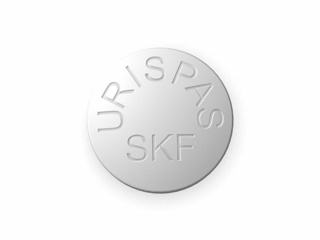
- Typical form: Tablets (as supplied by the product/brand in your pharmacy)
What Urispas is used for
Urispas is traditionally used for the symptomatic treatment of bladder discomfort and overactivity. In particular, it may be used when symptoms such as the following are thought to be due to functional bladder spasm or irritation:
- Urinary urgency (a sudden strong need to urinate)
- Urinary frequency (needing to pass urine more often than usual)
- Bladder cramps or spasms
- Lower urinary tract discomfort associated with bladder irritability
If your symptoms are caused by an infection (for example, a urine infection), Urispas may not treat the underlying cause. It’s important to consider whether you need further medical assessment.
Important warning: seek advice urgently if
- you have fever, chills, or flank/back pain
- you have blood in the urine (not explained by known causes)
- you are pregnant or have significant kidney problems
- symptoms persist or worsen despite treatment
How Urispas works (mechanism of action)
Flavoxate has a spasm-relieving (antispasmodic) action on the smooth muscle of the urinary tract. By helping to calm abnormal contractions within the bladder, Urispas can reduce:
- the sensation of urgency
- cramping/spasmodic bladder activity
- the need to pass urine frequently due to irritability
In simple terms: while it doesn’t “cure” the cause of bladder irritation, it can help reduce the bladder muscle overreacting and ease symptoms.
Pharmacokinetics (how the body handles the medicine)
Pharmacokinetics describes what happens after you take a medicine—how it is absorbed, metabolised and eliminated. For flavoxate, clinical use is based on its ability to exert activity in the urinary tract, with metabolism and excretion through normal body processes.
Absorption: After oral administration, flavoxate is absorbed from the gastrointestinal tract.
Metabolism: It is metabolised primarily in the liver.
Elimination: The metabolites and/or drug are excreted, largely through the urine.
Exact timing can vary between individuals. Your response may depend on severity of symptoms, other medicines, and kidney/liver function.
When to take Urispas (timing and practical schedule)
Urispas is usually taken on a regular schedule throughout the day to help maintain symptom control. Many patients find that taking doses at evenly spaced times helps.
Use the dosing instructions provided with your specific product packaging. If you’re unsure, ask your pharmacist.
Typical approach
- Take doses at even intervals during waking hours
- If your symptoms are worst at certain times (for example, evenings), your dosing schedule should still follow the prescribed timetable
- Keep taking it for as long as recommended—don’t stop early without considering whether symptoms have improved
Dose and how to use
Dosing depends on age and the exact strength/form of the product. Always follow the instructions on the pack or those provided by your healthcare professional/pharmacist.
General dosing principle: Use the lowest effective dose for the shortest time needed to control symptoms.
| Group | Typical dosing (general guidance) | Key notes |
|---|---|---|
| Adults | Commonly taken several times daily (dose and frequency vary by product strength) | Follow pack instructions; maintain even spacing between doses where possible. |
| Older people | Generally the same as adult dosing unless your clinician/pharmacist advises otherwise | Report any side effects promptly; consider kidney function and overall health. |
| Children | Dosing is age-dependent and should follow the product information | Use only if appropriate for the child’s age; confirm dose with a pharmacist. |
| People with kidney or liver problems | May require caution or adjustment | Seek pharmacist advice, especially if you have known impairment. |
Missed dose: If you miss a dose, take it when you remember unless it’s close to the next dose. Do not take a double dose.
Overdose: If you think you may have taken too much, seek medical advice immediately. If possible, take the medicine pack with you.
Food interactions and diet advice
Urispas can generally be taken with or without food. However, individual absorption and tolerability can vary. If stomach discomfort occurs, taking the tablet with food may help.
Practical tip: Maintain normal hydration unless you have been told to restrict fluids due to another condition. Adequate fluid intake can reduce urine concentration and may ease irritation for some people.
There are no well-known “specific foods to avoid” for flavoxate in typical community use. Still, if you notice patterns (such as symptoms worsening after certain drinks), discuss them with your pharmacist.
Alcohol interactions
Alcohol may worsen bladder irritation and can make urinary symptoms feel more noticeable in some people. It may also increase the likelihood of side effects such as dizziness or reduced alertness (depending on the individual).
Advice: It’s best to keep alcohol to a minimum while you’re treating urinary symptoms with Urispas. If you choose to drink, do so moderately and monitor for worsening symptoms or side effects.
Interactions with other medicines
Flavoxate can interact with other medicines indirectly (for example, through effects on the urinary tract or shared side effect profiles). The main interaction guidance for patients is to:
- Tell your pharmacist about all medicines you take, including OTC products and herbal remedies
- Report medicines that affect urinary function or can influence central nervous system effects
- Take special care with medicines that can cause dizziness or have anticholinergic-like effects
If you are taking other bladder medicines, diuretics (“water tablets”), or treatments for overactive bladder, ask your pharmacist whether there are any relevant interaction concerns for your specific regimen.
Indications and symptom guidance
Urispas is indicated for symptom relief in functional bladder irritation/spasm. It is most helpful when your main problem is:
- spasmodic or crampy bladder discomfort
- urgency and frequency without signs of infection
- overactive bladder symptoms that are not primarily due to a bacterial infection
If you suspect a urine infection—especially with burning pain on passing urine, fever, or foul-smelling urine—consider urgent advice. Bladder symptom relief medication should not delay appropriate assessment for infection.
What to expect: effectiveness and timing of relief
Many patients notice some symptom improvement within the first day or two, though this can vary depending on the cause of symptoms and severity.
- Within 24–48 hours: some may see reduced urgency and frequency
- If no improvement: speak to a pharmacist or GP, especially if symptoms are worsening or you have infection red flags
- Complete response is not guaranteed: persistent symptoms may indicate an underlying cause needing different treatment
Safety profile (side effects and risks)
Like all medicines, Urispas can cause side effects, although not everyone gets them. Most side effects are mild and temporary.
Common or expected side effects
- Gastrointestinal upset (e.g., stomach discomfort or nausea)
- Headache
- Dizziness or feeling light-headed in some people
Seek urgent medical help if you experience
- Allergic reaction (swelling of face/lips, rash, breathing difficulty)
- Severe or persistent symptoms suggesting an underlying condition (e.g., severe pain, fever)
- Blood in urine or significant worsening of urinary symptoms
When to stop and get advice
If side effects are troublesome or you feel unwell, stop taking the medicine and seek advice from a pharmacist or healthcare professional. Don’t wait if you have signs of an allergic reaction.
Special cautions
- Pregnancy and breastfeeding: ask a pharmacist/doctor for guidance before use.
- Kidney/liver impairment: ask for tailored advice, as safety may depend on organ function.
- Driving and operating machinery: if you feel dizzy, avoid driving and use caution.
Practical tips for getting the best results
- Track your symptoms: note urgency episodes, frequency, and any pain/burning so you can judge whether treatment is helping.
- Stay hydrated: regular fluid intake can reduce irritation for many people.
- Reduce bladder irritants: caffeine (tea/coffee/energy drinks), fizzy drinks, and alcohol can worsen symptoms for some.
- Use good toileting habits: don’t “hold on” when you feel the urge; consider scheduled toileting if advised.
- Check for infection signs: burning, fever, flank pain, or cloudy/bad-smelling urine should be assessed promptly.
- Keep to schedule: take doses at consistent times rather than skipping frequently.
Alternative options for urinary urgency and bladder symptoms
Alternative approaches depend on the underlying cause of symptoms. If symptoms are due to infection, antibiotics (where appropriate) and clinician review are usually needed. If symptoms are due to overactive bladder or irritation, other medicines and non-medicinal options may be considered.
Non-medicine approaches (often useful)
- Bladder training and scheduled voiding
- Pelvic floor exercises (where appropriate)
- Reducing irritants (caffeine, alcohol, bladder-triggering drinks)
- Managing constipation (constipation can worsen urinary urgency)
Medicines (discuss with a pharmacist/doctor)
- Antimuscarinic medicines commonly used for overactive bladder (choice depends on your medical history and side-effect risk)
- Beta-3 agonists used in certain cases of overactive bladder
- Symptom relievers for specific bladder pain patterns
The “best” alternative depends on whether your symptoms are due to infection, inflammation, medication effects, or bladder muscle overactivity. Your pharmacist can help you decide what’s appropriate based on your symptoms.
UK market and legal/regulatory context
In the United Kingdom, medicines are supplied in line with regulatory requirements set by the Medicines and Healthcare products Regulatory Agency (MHRA). Availability and how the medicine is supplied can vary by product and pack size.
When buying online, reliable sellers will typically provide clear information about the product, and may require age-related checks or symptom screening depending on the medicine’s classification and the intended use.
If you are using Urispas for urinary symptoms, it’s important to ensure it is suitable for your situation and not masking symptoms that could require prompt assessment.
Recent guidance and clinical approach (high level)
Over recent years, urinary symptom guidance in the UK has emphasised:
- Assessing possible infection rather than relying solely on symptom relief
- Appropriate antimicrobial use when infection is confirmed or strongly suspected
- Considering non-drug measures for bladder health and long-term symptom control
- Reviewing persistent symptoms to rule out underlying conditions
Your local NHS service or a pharmacist can help you decide whether conservative measures, a urine test, or further review is needed.
Delivery and availability in the UK
Urispas may be available online through UK registered pharmacies and medicine retailers where permitted. Delivery options vary by supplier.
What to expect when ordering online
- Packaging: sealed medicine packs with manufacturer labelling
- Delivery time: depends on the courier/service level selected at checkout
- Availability: stock can change; if unavailable, you may see alternatives or a restock date
Always check that the product strength/form matches what you intended to order. If you have questions, contact the pharmacy’s support team.
Storage and handling
- Store away from excessive heat and moisture
- Keep tablets in their original packaging
- Keep out of reach of children
- Do not use after the expiry date on the pack
FAQ – Urispas (Flavoxate HCl)
1) Is Urispas the same as an antibiotic?
No. Urispas is used to relieve bladder spasm and urgency symptoms. It does not treat bacterial infections. If you suspect a urine infection, seek advice promptly.
2) How long does it take to work?
Some people notice improvement within 24–48 hours. If you don’t improve or symptoms worsen, speak to a pharmacist or GP.
3) Can I take Urispas with food?
In general, you can take it with or without food. If it upsets your stomach, consider taking it with meals.
4) Can I drink alcohol while using Urispas?
Alcohol may worsen bladder irritation and could increase side-effect risk such as dizziness. It’s best to limit alcohol while your symptoms are being treated.
5) What if I miss a dose?
Take the missed dose when you remember unless it’s close to your next dose. Do not take a double dose.
6) Who should be careful using Urispas?
People who are pregnant/breastfeeding, have kidney or liver problems, or who experience troublesome dizziness should take extra care. If in doubt, consult a pharmacist before use.
7) Are there any side effects?
Commonly reported effects can include headache, stomach upset, or dizziness. Seek urgent help for signs of allergy, severe illness, fever, back/flank pain, or blood in urine.
8) Can Urispas be used for pain when passing urine?
Urispas is intended for bladder spasm/irritation symptoms. Pain/burning on urination can also indicate infection. If you have burning, fever, or worsening symptoms, get advice and consider a urine test.
9) What should I do if my symptoms don’t improve?
Persistent or worsening urinary symptoms should be reviewed. A pharmacist or GP can help determine whether you need a urine test, a different treatment approach, or further investigation.
10) Can I drive after taking Urispas?
If you feel dizzy or unwell, avoid driving and operating machinery until you’re sure you’re unaffected.
Summary
Urispas (flavoxate hydrochloride) is a medicine commonly used to relieve urinary symptoms related to bladder spasm and irritability, such as urgency and frequency. It works by helping to calm abnormal bladder muscle activity. While it may reduce symptoms, it doesn’t treat urine infections—so seek prompt advice if infection signs are present.
For best results, follow the dosing instructions on your product packaging, maintain hydration, and consider reducing bladder irritants such as caffeine and alcohol. If symptoms persist or you experience concerning side effects, consult a pharmacist or healthcare professional.