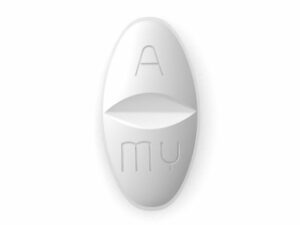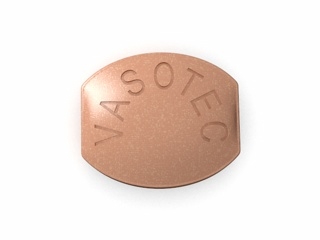


Vasotec (Enalapril) — Patient-Friendly Guide (UK)
Vasotec is a brand of enalapril, an angiotensin-converting enzyme (ACE) inhibitor medicine. It is used to help the heart and blood vessels work more effectively, particularly in people with high blood pressure or certain types of heart failure.
This guide explains how Vasotec works, how it is used, important safety information, and practical tips for everyday use in the United Kingdom. Always follow the instructions given by your healthcare professional and the information in the patient information leaflet provided with your medicine.
Basic product information
| Product name | Active ingredient | Medicine type | Common reasons for use |
|---|---|---|---|
| Vasotec | Enalapril | ACE inhibitor | High blood pressure; heart failure; left-ventricular dysfunction after heart attack |
- Medicinal class: ACE inhibitor
- How it helps: Widens blood vessels and reduces strain on the heart
- Typical dosing style: Often once or twice daily depending on the condition and formulation
How Vasotec works (mechanism of action)
Enalapril is converted in the body to its active form, enalaprilat. It works by blocking the angiotensin-converting enzyme (ACE). ACE normally helps produce angiotensin II, a substance that tightens (constricts) blood vessels and raises blood pressure.
By inhibiting ACE, Vasotec:
- Relaxes and widens blood vessels, helping lower blood pressure
- Reduces resistance the heart must pump against
- Decreases the release of aldosterone, which can help the body retain less salt and water
- Supports improved heart function in suitable patients (particularly in heart failure)
Important note: The benefits in heart failure can develop over weeks as the heart adapts to reduced load.
Pharmacokinetics (how the body handles the medicine)
Pharmacokinetics describes absorption, distribution, metabolism, and elimination.
- Absorption: Enalapril is generally well absorbed after oral dosing.
- Activation: Enalapril is a prodrug and is converted to enalaprilat.
- Distribution: The active metabolite reaches the cardiovascular system.
- Peak effect: Blood levels rise after dosing; the timing and strength of effect can vary by person.
- Elimination: Enalaprilat is mainly eliminated via the kidneys, so kidney function matters.
Kidney function and age: People with reduced kidney function may have higher medicine levels and may need dose adjustment. Older adults may also require careful monitoring.
Typical uses in the UK
Vasotec may be used for a number of cardiovascular conditions, depending on your individual situation and local clinical guidance.
Common indications
- Hypertension (high blood pressure): To lower blood pressure and reduce cardiovascular risk.
- Symptomatic heart failure: To improve symptoms and reduce hospitalisations and associated risk.
- Asymptomatic left-ventricular dysfunction: After certain heart-related events, particularly if the left ventricle’s pumping function is reduced.
Also relevant: Your healthcare team may consider ACE inhibitors as part of a broader treatment plan, which can include medicines such as diuretics, beta-blockers, and others depending on your needs.
Dosing: what is typical and what to expect
Dosage varies depending on the reason for taking Vasotec, your kidney function, blood pressure, and other medicines you use. The dose may be adjusted gradually (a process called titration) to find the safest and most effective dose for you.
General approach
- Start low, go slow: Many patients begin with a lower dose to reduce the chance of dizziness or blood pressure dropping too quickly.
- Gradual increases: Doses may be increased every 1–2 weeks (or as directed) with blood tests to monitor kidney function and potassium.
- Maintenance: A stable dose may be used long-term.
Timing of doses
- Once or twice daily: Depending on the prescribed regimen, Vasotec is often taken either once daily or divided into morning and evening doses.
- Consistency helps: Try to take each dose at roughly the same times each day.
- If you miss a dose: Take it when you remember unless it’s close to the next dose. Do not take a double dose to make up for a missed tablet.
Practical tip: If taking twice daily, many people find it helps to use a morning and evening routine (for example with breakfast and after dinner).
When does Vasotec start working?
- Blood pressure effects: You may notice blood pressure lowering within hours to days, but full benefit may take longer.
- Heart failure effects: Symptom improvements and reduced stress on the heart typically occur over weeks.
- Monitoring timeline: Healthcare professionals commonly arrange blood tests shortly after starting or increasing the dose.
Food interactions
Food is not usually a major issue for enalapril. In many cases, Vasotec can be taken with or without food.
- General advice: Follow your prescribed schedule.
- If you experience stomach upset: Taking the dose with food may help reduce nausea or discomfort.
Salt intake: For people with heart failure or fluid retention, keeping to dietary advice (including salt restriction if recommended) can be important.
Alcohol interactions and safety
Alcohol can further lower blood pressure and may increase dizziness or light-headedness, especially when you first start Vasotec or when the dose is increased.
- Avoid heavy drinking: Large amounts of alcohol may make side effects more likely.
- Be cautious with driving/using machinery: If you feel dizzy, wait until you feel steady.
- Hydration matters: Dehydration can increase the risk of kidney problems with ACE inhibitors.
If you have concerns about alcohol use (for example due to liver disease or frequent low blood pressure), ask your healthcare professional for personal advice.
Medicine interactions (important)
Certain medicines can affect how Vasotec works or increase the risk of side effects. This is not an exhaustive list. Always inform your healthcare team about all medicines, including over-the-counter products and herbal supplements.
Key interaction categories
-
Potassium supplements and potassium-rich salt substitutes:
ACE inhibitors can raise potassium levels. Combining with potassium supplements or salt substitutes may increase hyperkalaemia risk.
-
Diuretics (“water tablets”):
Using diuretics with Vasotec may lower blood pressure more and can affect kidney function, especially early in treatment. Monitoring is common.
-
Other blood pressure medicines:
Combination therapy may be beneficial but can increase the likelihood of low blood pressure (hypotension).
-
Non-steroidal anti-inflammatory drugs (NSAIDs):
Examples include ibuprofen and naproxen. Regular or high-dose NSAIDs together with an ACE inhibitor can increase the risk of kidney impairment and may reduce blood pressure control.
-
Medicines affecting the renin-angiotensin system:
Some combinations that also target angiotensin pathways may increase risk. Your clinician will decide what is appropriate for you.
-
Lithium:
Enalapril may increase lithium levels; this combination usually requires close monitoring.
-
Trimethoprim:
May increase potassium levels in combination with ACE inhibitors.
-
Immunosuppressants or allopurinol (occasionally):
May affect risk of blood disorders; your doctor may take extra precautions if used together.
Allergy and “double checking”
Be especially careful if you’ve previously had allergic reactions to an ACE inhibitor. Also tell your healthcare provider about any past episodes of swelling (angioedema), as this can influence whether enalapril is suitable.
Safety profile: side effects and when to seek help
Most people tolerate Vasotec well, but like all medicines it can cause side effects. Some effects are more common at the start of treatment or after dose increases.
Common side effects
- Dizziness or light-headedness (often from lower blood pressure)
- Headache
- Dry cough (a well-known ACE inhibitor effect)
- Fatigue
- Nausea or stomach discomfort
Less common but important effects
- Low blood pressure (especially when standing)
- Changes in kidney function (seen in blood tests)
- Raised potassium levels (also identified in blood tests)
- Rash or taste changes
Seek urgent medical help if you notice
- Signs of angioedema: swelling of the face, lips, tongue, or throat; difficulty breathing or swallowing
- Severe allergic reaction: widespread hives, wheezing, or collapse
- Fainting or severe dizziness
- Very reduced urination or sudden worsening of health
- Yellowing of the skin/eyes (jaundice) or severe persistent abdominal pain
Do not ignore: Swelling of the mouth or throat can be life-threatening.
Pregnancy and breastfeeding considerations (high priority)
- Pregnancy: ACE inhibitors are generally not suitable in pregnancy. If you become pregnant or plan a pregnancy, contact a healthcare professional promptly for advice on safer alternatives.
- Breastfeeding: Suitability depends on individual factors; discuss with a clinician.
Practical use tips for safer, more effective treatment
Before you start (or when restarting)
- Know your baseline tests: Kidney function (creatinine/eGFR) and potassium are typically checked before starting.
- Review your medicines: Include OTC painkillers, salt substitutes, and herbal products.
- Hydration: Avoid becoming dehydrated (for example from vomiting/diarrhoea) without medical advice.
During treatment
- Blood tests: Expect follow-up blood tests after starting or increasing the dose, and periodically thereafter.
- Stand up slowly: If you feel dizzy when rising, take your time moving from sitting to standing.
- Don’t stop suddenly: If Vasotec is stopped abruptly, blood pressure and heart symptoms may worsen. Seek medical advice before any changes.
- Report cough: A dry cough is common with ACE inhibitors. If it becomes troublesome, contact a clinician for advice.
“Sick day” advice (important)
If you develop significant vomiting, diarrhoea, or fever and you are not able to drink or keep fluids down, kidney stress can occur. During these times, contact your healthcare professional for personalised guidance on whether to hold or adjust certain medicines, including ACE inhibitors.
Alternative options
If Vasotec isn’t suitable (for example due to side effects such as angioedema, intolerable cough, or issues with potassium/kidneys), doctors may consider other medicines.
Possible alternatives (depending on the condition)
- Other ACE inhibitors (if enalapril is not tolerated, though class effects may persist)
- Angiotensin receptor blockers (ARBs): often considered if ACE inhibitors cause cough
- Other heart failure treatments: beta-blockers, mineralocorticoid receptor antagonists, SGLT2 inhibitors, and diuretics—chosen according to clinical assessment
- Blood pressure alternatives: calcium channel blockers, thiazide-like diuretics, beta-blockers (depending on comorbidities)
Important: Do not switch medicines without medical guidance, because dosing and monitoring differ between drug classes.
Market and legal context in the United Kingdom
In the UK, medicines like enalapril are regulated by the Medicines and Healthcare products Regulatory Agency (MHRA) and must meet standards for quality, safety, and efficacy. Many ACE inhibitor medicines used for cardiovascular conditions are widely available, and enalapril is commonly prescribed due to its long-standing use.
Enalapril-containing products are supplied in accordance with UK medicines regulations. If you are ordering through an online pharmacy, availability and the exact presentation (tablet strength and formulation) can vary by supplier.
Recent emphasis in clinical practice: UK and international guidance increasingly focuses on careful blood pressure monitoring, kidney function and potassium checks, and appropriate selection of therapy for heart failure and hypertension based on patient risk profiles.
Recent guidance and monitoring considerations (UK clinical focus)
While guidance may be updated over time, common UK practice points for ACE inhibitors include:
- Appropriate patient selection (for example, considering kidney function and potassium levels)
- Baseline and follow-up monitoring after starting or titrating the dose
- Managing hyperkalaemia risk (avoiding potassium supplements unless specifically advised)
- Checking for contraindications such as history of ACE-inhibitor-related angioedema
- Addressing ACE inhibitor cough (evaluating causes and considering alternative classes if needed)
If you have heart failure, clinicians may also align treatment choices with evidence-based updates that continue to refine best practice for symptom control and improved outcomes.
Delivery and availability (UK)
Availability can depend on the specific strength and formulation of Vasotec (enalapril). Online pharmacy listings typically show:
- Tablet strength (e.g., specified mg per tablet)
- Pack size
- Delivery options and estimated times
- In-stock status at time of ordering
Delivery timeframe: Delivery performance can vary by supplier and location within the UK. Standard and express options may be available. Check the product page for the most accurate current estimate.
Storage: Store tablets in a cool, dry place and keep them out of the sight and reach of children. Use the expiry date printed on the packaging.
FAQ
1) Is Vasotec the same as enalapril?
Yes. Vasotec is a brand name, and the active ingredient is enalapril.
2) How long does it take for Vasotec to lower blood pressure?
Blood pressure can start to improve within hours to days, but the full effect may take longer. For heart failure, noticeable benefits may take several weeks.
3) Can I take Vasotec with food?
In most cases, yes. Vasotec can usually be taken with or without food. If it upsets your stomach, taking it with food may help.
4) Does Vasotec cause a cough?
A dry, persistent cough is a known side effect of ACE inhibitors like enalapril. If the cough is troubling, contact a healthcare professional. A different medicine class may be considered.
5) Can I drink alcohol while taking Vasotec?
Moderate alcohol may be acceptable for some people, but alcohol can make you more dizzy or lower your blood pressure further. Avoid heavy drinking and be cautious when starting or increasing your dose.
6) What blood tests are needed?
Typically, clinicians check kidney function and potassium levels before starting and after dose changes, and then periodically.
7) Who should not take Vasotec?
It may not be suitable if you have had angioedema related to ACE inhibitors, certain kidney conditions, or if you are pregnant. Your healthcare professional can assess suitability based on your medical history.
8) What should I do if I miss a dose?
Take it as soon as you remember unless it is close to your next dose. Do not take a double dose.
9) Are there common medicines I should avoid?
Be cautious with NSAIDs (like ibuprofen), potassium supplements, and salt substitutes containing potassium. Always check with your healthcare professional or pharmacist when starting any new product.
10) What symptoms mean I should seek urgent help?
Seek urgent help if you experience swelling of the face/lips/tongue, breathing or swallowing difficulties, severe allergic reactions, fainting, or signs of severe kidney problems.
Disclaimer: This information is for general guidance for patients in the UK. It does not replace advice from your healthcare professional. If you have questions about whether Vasotec is suitable for you, or how to manage side effects and interactions, contact your clinician or pharmacist.