
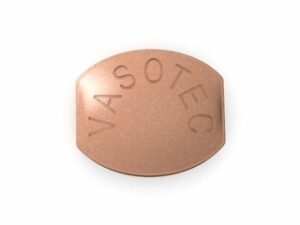
Enalapril (ACE Inhibitor) — Patient-Friendly Guide (UK)
Enalapril is a widely used medicine in the United Kingdom for conditions affecting the heart and blood pressure. It belongs to a group of medicines called ACE inhibitors (angiotensin-converting enzyme inhibitors). This page explains how enalapril works, how it’s typically used, what to expect, and important safety information.
1) Basic product information
| Feature | Details |
|---|---|
| Generic name | Enalapril |
| Medicine type | ACE inhibitor (blood pressure and heart medicine) |
| Common uses | High blood pressure (hypertension), heart failure, and certain heart conditions after a heart attack |
| How it’s taken | By mouth (tablets) |
| Typical dosing frequency | Often once or twice daily depending on the condition and strength |
| Key monitoring | Blood pressure, kidney function (creatinine/eGFR), and potassium levels |
The exact brand names and tablet strengths vary. Always follow the instructions provided with your specific product.
2) What enalapril does: mechanism of action
Enalapril helps relax and widen blood vessels. It works by reducing the effects of angiotensin II, a hormone that normally causes blood vessels to narrow and increases blood pressure. By lowering angiotensin II levels, enalapril:
- Reduces blood pressure and eases the workload on the heart.
- Improves blood flow to organs.
- Helps in heart failure by reducing strain on the heart and improving symptoms in many people.
Enalapril may also increase levels of bradykinin. This is one reason ACE inhibitors are associated with specific side effects such as a persistent dry cough in some people.
3) Pharmacokinetics: how the body handles enalapril
Understanding how enalapril is absorbed, processed and eliminated can help set expectations. In simple terms:
- Absorption: Enalapril is absorbed from the gut after you swallow a tablet.
- Conversion in the body: Enalapril is a prodrug. Your body converts it into enalaprilat, the active form.
- Onset: Blood-pressure effects typically begin within a few hours, with improvement becoming clearer over days.
- Peak effect: The active drug concentration peaks after it has been absorbed and converted.
- Half-life & elimination: The active drug is removed mainly via the kidneys. If kidney function is reduced, dosage may need adjustment.
Your clinician may monitor kidney function and potassium more closely when starting or increasing the dose.
4) Typical uses in the UK
Enalapril is used for several cardiovascular conditions. Common indications include:
- High blood pressure (hypertension).
- Heart failure (symptomatic heart failure), including cases with reduced heart pumping ability.
- After a heart attack in certain people to help manage the risk of further problems, depending on the individual’s condition.
- Other clinician-directed indications in line with clinical guidance and product information.
Whether enalapril is the best choice depends on your overall health, blood test results and how your symptoms respond to treatment.
5) Timing and how to take enalapril
When to take it
Enalapril is usually taken once or twice daily depending on the reason you’re taking it and the strength of the tablet. Try to take it at the same times each day for steady effect.
With or without food
Enalapril can generally be taken with or without food. Many people find it easiest to take with meals if this helps reduce stomach discomfort or supports routine.
If you miss a dose
- If you remember soon after your scheduled time, take it as soon as you can.
- If it’s near the time of the next dose, skip the missed dose and continue as normal.
- Do not take a double dose to make up for the missed tablet.
6) Food interactions
Enalapril is not well known for major food-drug interactions. However, a few practical points matter:
- Salt intake: A high-salt diet can make blood-pressure control harder. Some people with heart failure are advised to limit salt.
- Electrolytes: Your potassium levels matter. Foods high in potassium are usually fine in normal amounts, but avoid high-potassium salt substitutes unless advised.
If you have been told to follow a specific diet (for example, heart-failure or kidney-related advice), follow those instructions alongside your medicine plan.
7) Alcohol and interactions with other medicines
Alcohol
Drinking alcohol may increase the blood-pressure–lowering effect of enalapril and make you feel dizzy or lightheaded, especially when you first start treatment or after dose changes. If alcohol causes you to feel unwell, consider reducing intake and speaking to a clinician.
Common medicine interactions
Enalapril can interact with other medicines, particularly those affecting kidneys, potassium, or blood pressure. It’s important to tell your healthcare professional about all medicines you take, including over-the-counter products and herbal supplements.
- Potassium supplements or potassium-containing salt substitutes (may raise potassium levels).
- Diuretics (water tablets), especially potassium-sparing diuretics (may increase potassium and affect kidney function).
- NSAIDs (e.g., ibuprofen, naproxen, diclofenac): can reduce the blood-pressure effect and increase risk to kidneys, particularly in people with dehydration or kidney impairment.
- Other blood pressure-lowering medicines (may increase dizziness/low blood pressure).
- Diabetes medicines (monitoring may be needed; ACE inhibitors can affect blood sugar in some people).
- Lithium (requires careful monitoring due to risk of lithium toxicity).
- Immunosuppressants or medicines affecting immune function (may influence risk of certain side effects).
If you’re starting a new medication (including short courses such as painkillers), check it’s safe to use with enalapril. In the UK, many people can speak to a pharmacist for quick interaction checks.
8) Indications and suitability: who enalapril is for
Enalapril is suitable for many people, but it’s not ideal for everyone. Your clinician will consider factors such as:
- Your blood pressure readings.
- Your kidney function and potassium levels.
- Your history of ACE-inhibitor side effects (including angioedema).
- Any other heart conditions and the medications you already take.
- Any pregnancy plans (important for safety—see below).
If you have kidney problems, the dose may need adjustment and monitoring may be more frequent. If you have a history of swelling of the face/lips/tongue or breathing difficulties related to ACE inhibitors, do not use enalapril unless a clinician advises it.
9) Dosing: typical schedules and dose adjustment
Dosing can vary based on the condition being treated and your response. The dose is usually started low and adjusted to achieve the desired effect while minimising side effects. Always follow the dose and instructions provided for your specific situation.
Common dosing patterns (overview)
- High blood pressure: Often started at a lower dose and titrated based on blood pressure response.
- Heart failure: Usually started carefully at a low dose with closer monitoring.
- After a heart attack: May be started in a controlled manner depending on symptoms and clinical judgement.
Your clinician may adjust the dose if you experience low blood pressure symptoms, changes in kidney function, or changes in potassium.
Monitoring during dose changes
When starting enalapril or increasing the dose, blood tests commonly include:
- Kidney function (creatinine/eGFR)
- Potassium
- Blood pressure and symptoms (especially dizziness)
If you develop significant side effects, you may need review and potential dose adjustment.
10) Safety profile: side effects and what to watch for
Like all medicines, enalapril can cause side effects. Many are mild and improve after the body adjusts, but some require urgent medical attention.
Seek urgent medical help if you get signs of angioedema
Stop taking enalapril and seek urgent medical care if you develop:
- Swelling of the face, lips, tongue or throat
- Difficulty swallowing
- Wheezing or trouble breathing
- Hives or rapidly worsening swelling
Angioedema is a known (though uncommon) risk with ACE inhibitors.
Common side effects
- Dry, persistent cough (common with ACE inhibitors)
- Dizziness, especially when standing up
- Headache
- Fatigue or weakness
- Nausea or abdominal discomfort in some people
Less common but important side effects
- Changes in kidney function (monitoring is essential)
- High potassium (may cause weakness or abnormal heart rhythms; usually detected through blood tests)
- Low blood pressure (may cause fainting in some people)
- Rash or taste changes in some cases
When to contact a clinician promptly
- You feel faint, have repeated dizziness, or blood pressure is very low.
- You become unwell with vomiting/diarrhoea or cannot keep fluids down (dehydration can increase kidney risk).
- Blood tests show significant changes in kidney function or potassium.
11) Practical use tips for everyday life
- Stand up slowly: If you feel lightheaded, rise gradually from sitting or lying positions.
- Stay hydrated: Dehydration can worsen dizziness and kidney effects—especially in hot weather or during illness.
- Track your blood pressure: Many people benefit from occasional home readings (if recommended) to see how you’re responding.
- Attend blood test appointments: Kidney function and potassium checks are an important part of safe use.
- Avoid potassium salt substitutes: Unless specifically advised, these can raise potassium too much.
- Be cautious with painkillers: Frequent NSAID use (like ibuprofen) may affect kidney function in some patients taking ACE inhibitors.
- Keep an up-to-date medicine list: Include over-the-counter medicines and supplements for quick interaction checks.
12) Alternatives to enalapril (UK options)
If enalapril isn’t suitable (for example, due to side effects like persistent cough or based on medical history), clinicians may consider alternative options. Common classes include:
- Angiotensin II receptor blockers (ARBs) (often used if an ACE inhibitor cough occurs).
- Beta blockers (commonly used in certain heart conditions).
- Calcium-channel blockers (for blood pressure in some cases).
- Diuretics (especially in fluid-related heart failure symptoms).
- Mineralocorticoid receptor antagonists (in selected heart failure patients under monitoring).
The “best alternative” depends on your diagnosis, blood test results, and what other medications you’re already taking.
13) UK market and legal context (high-level)
In the United Kingdom, medicines are regulated and supplied under the Medicines and Healthcare products Regulatory Agency (MHRA) framework. Enalapril tablets are considered a well-established medicine with product information detailing indications, dosing, contraindications and side effects.
Availability may vary by manufacturer and strength. Many people in the UK use branded or generic versions, which should have the same active ingredient and broadly similar effectiveness when used as directed.
Guidance and prescribing decisions are shaped by clinical practice recommendations from bodies such as NICE (National Institute for Health and Care Excellence) and cardiology/primary care pathways used in the NHS.
14) Recent guidance and clinical monitoring themes
While specific recommendations may change over time, current clinical themes for ACE inhibitors like enalapril typically include:
- Careful initiation and titration, especially in heart failure and in people with kidney impairment.
- Regular monitoring of kidney function and potassium after starting and after dose changes.
- Assessment of dehydration risk (e.g., “sick day” advice is commonly recommended for some medicines to reduce kidney stress during vomiting/diarrhoea or severe dehydration).
- Review of drug interactions, especially NSAIDs and other agents that can raise potassium.
- Pregnancy safety precautions, because ACE inhibitors can harm an unborn baby.
If you’re unsure about “sick day” rules or what to do if you become unwell, ask your healthcare professional for advice tailored to you.
15) Delivery and availability in the UK (online pharmacy)
Enalapril availability depends on the specific strength and formulation (e.g., tablet strengths) and supply at the time. Many online pharmacies in the UK can offer home delivery within the service areas they operate.
- Check stock status on the product page for the exact tablet strength and pack size you want.
- Delivery times vary based on location and the dispatch time of the pharmacy.
- Packaging typically protects tablets from damage and supports safe handling during delivery.
For accurate delivery information, refer to the specific checkout or delivery policy shown on the website you’re using.
16) FAQ (Frequently Asked Questions)
Is enalapril used for high blood pressure?
Yes. Enalapril is commonly used to treat high blood pressure. Lowering blood pressure helps reduce the risk of stroke, heart attack and other cardiovascular complications.
How quickly will enalapril start working?
Many people notice some effect within the first few hours after a dose, but the full benefit for blood pressure may take several days. Heart-failure benefits may also improve over weeks, depending on the individual.
Why do I need blood tests?
Enalapril can affect kidney function and potassium levels. Blood tests help detect changes early so the dose can be adjusted safely if needed.
Can I take enalapril with food?
Typically, yes. Enalapril can generally be taken with or without food. Taking it at the same time each day may help you remember.
What if I get a dry cough?
A persistent dry cough is a known side effect of ACE inhibitors. Many coughs improve after review, but don’t stop the medicine without advice—contact a clinician or pharmacist for guidance on next steps and alternatives if needed.
Can I drink alcohol while taking enalapril?
Alcohol may increase the risk of dizziness or low blood pressure. If you choose to drink, do so in moderation and be cautious—especially when starting treatment or after a dose increase.
What medicines should I avoid with enalapril?
Particular caution is needed with NSAIDs (regular ibuprofen/naproxen), potassium supplements, potassium salt substitutes, and lithium. Always check with a pharmacist if you’re unsure about a specific product.
Is enalapril safe in pregnancy?
Enalapril is not recommended during pregnancy. If you are pregnant, trying to conceive, or could become pregnant, you should discuss this urgently with your healthcare professional.
What should I do if I’m unwell with vomiting or diarrhoea?
Dehydration can increase the risk of kidney-related problems while on ACE inhibitors. Seek advice promptly. Many services provide “sick day” guidance—follow the instructions given by your clinician.
Are there any signs of too much potassium or kidney problems?
Symptoms can be subtle. Contact a clinician promptly if you feel unusually weak, have palpitations, or develop significant reduced urine output, or if your blood tests indicate concerning results.
What are the main benefits of enalapril in heart failure?
Enalapril can help reduce symptoms, improve exercise tolerance in many people, and lower the workload on the heart. It may also improve long-term outcomes when used as part of an overall heart-failure treatment plan.
Key takeaways
- Enalapril is an ACE inhibitor used for blood pressure and heart-related conditions.
- It works by relaxing blood vessels and lowering harmful hormone effects that raise blood pressure.
- Kidney function and potassium monitoring are important, especially when starting or increasing the dose.
- A dry cough and dizziness can occur; urgent help is needed for swelling of the face/lips/tongue.
- Avoid dehydration and be cautious with alcohol and certain painkillers like NSAIDs.
This information is designed to help you understand enalapril in everyday terms. For advice tailored to your health situation, contact a healthcare professional or pharmacist.