
Effexor XR (Venlafaxine) — Patient Guide (UK)
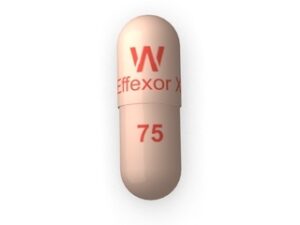
Effexor XR is a brand of venlafaxine designed to release medicine slowly over the day. It is used to treat certain mental health conditions such as depression and anxiety disorders. This page explains how it works, how it’s typically taken, important safety information, and practical tips to help you use it effectively in the United Kingdom.
Always follow the advice of your clinician and the information leaflet included with your medicine.
Basic product information
| Item | Details |
|---|---|
| Medicine | Effexor XR |
| Active ingredient | Venlafaxine (extended-release) |
| How it’s supplied | Oral capsules/tablets depending on formulation; “XR” indicates extended release |
| Typical dosing frequency | Once daily (extended release) |
| Common strengths | Varies by product pack (your pharmacist can confirm exact strength) |
| Category (general) | Antidepressant (SNRI: serotonin-noradrenaline reuptake inhibitor) |
What Effexor XR is and how it works
Effexor XR contains venlafaxine, a medicine from the group called serotonin–noradrenaline reuptake inhibitors (SNRIs). It helps improve symptoms by changing how brain chemicals (neurotransmitters) are handled.
Mechanism of action (simple explanation)
- Serotonin reuptake inhibition: venlafaxine reduces reuptake of serotonin, helping improve mood and anxiety symptoms.
- Noradrenaline reuptake inhibition: it also reduces reuptake of noradrenaline, which can support motivation, energy, and alertness in some people.
- Extended-release design: Effexor XR releases medicine gradually, which helps maintain steadier levels over the day.
It’s important to know that improvement is often gradual rather than immediate. Many people notice changes within 1–2 weeks, with fuller benefits sometimes taking several weeks.
How the body handles venlafaxine (pharmacokinetics)
“Pharmacokinetics” describes what happens to a medicine in the body—how it is absorbed, metabolised, and removed. Effexor XR is designed for extended release, so the timing and blood levels are more stable than with immediate-release versions.
Absorption
- Effexor XR is taken by mouth and absorbed into the bloodstream over time.
- Because it’s extended-release, the medicine aims to provide a steady effect through the day.
Metabolism
- Venlafaxine is largely metabolised in the liver.
- A key metabolite is O-desmethylvenlafaxine (often called desvenlafaxine), which also contributes to the medicine’s overall effect.
Elimination
- The medicine and its metabolites are removed from the body mainly via the kidneys.
- Your clinician may adjust dosing if you have liver or kidney impairment.
Typical use in the UK
Effexor XR is used for mental health conditions where an SNRI can be beneficial. Your exact treatment plan depends on your symptoms and medical history.
Indications (what it may be used for)
- Depression (including major depressive episodes)
- Generalised anxiety disorder (GAD)
- Social anxiety disorder
- Panic disorder (with or without agoraphobia)
In the UK, antidepressants are often considered as part of a wider approach that may include psychological therapies, lifestyle changes, and monitoring for side effects.
When to take Effexor XR (timing and how to use)
Effexor XR is typically taken once daily. Many people find taking it at the same time each day helps form a routine.
Typical timing
- Morning may be preferred if it causes mild stimulation or insomnia in you.
- Evening may be preferred if it tends to make you feel drowsy.
- Follow the direction on your label or as advised by your clinician.
How to take it
- Swallow the capsule/tablet whole with water.
- Do not crush, chew, or open extended-release capsules unless your specific product instructions say otherwise—this can affect release.
- If you miss a dose, take it when you remember unless it’s close to your next scheduled dose. Do not take a double dose.
How long until it helps?
- Some people notice early improvements in sleep, anxiety, or appetite within days to two weeks.
- Full benefit can take several weeks.
- If you feel worse early on, contact your clinician promptly for advice.
Food interactions (what to know)
Food does not typically require major changes with venlafaxine. However, practical guidance helps you stay consistent.
- Effexor XR can generally be taken with or without food.
- If you experience nausea or stomach upset, taking it with food may help.
- Keep your dosing routine consistent day to day to support steadier effects.
Alcohol and medicine interactions
Alcohol
It’s generally recommended to avoid or minimise alcohol while taking Effexor XR. Alcohol can worsen mood symptoms and may increase side effects such as dizziness, drowsiness, and impaired concentration.
Other important medicine interactions
Venlafaxine can interact with a range of medicines. Some interactions may increase risk of serious side effects. Tell your clinician (and pharmacist) about all medicines, including over-the-counter products and herbal remedies.
Common interaction categories to discuss
- Monoamine oxidase inhibitors (MAOIs): should not be combined with venlafaxine.
- Other antidepressants and serotonergic medicines: combining with drugs that increase serotonin may increase risk of serotonin syndrome.
- Triptans (migraine medicines), tramadol, and linezolid: may increase serotonergic risk.
- St John’s wort (herbal antidepressant): can increase serotonergic effects.
- Medicines affecting blood clotting: if you take anticoagulants or antiplatelets, your clinician may monitor bleeding risk.
- Drugs that affect liver enzymes: may alter venlafaxine levels. Examples can include some antifungals and antibiotics; your pharmacist can check specifics.
- Blood pressure and heart rhythm medicines: venlafaxine may affect blood pressure in some people, so monitoring may be needed.
What to do if you’re unsure
- If you’re starting, stopping, or changing any medicine, check with a pharmacist.
- Keep a list of your medicines and bring it to appointments.
Dosing: common starting and adjustment principles
Dosing varies by the condition being treated, your response, side effects, and other health factors. Only your clinician should set your dose and adjust it over time.
General dosing approach (patient-friendly)
- Treatment usually starts at a lower dose and increases gradually if needed.
- Adjustments help balance improving symptoms while minimising side effects.
- For some conditions, the clinician may adjust based on symptom severity and tolerability.
How dose changes are often handled
- Dose increases are typically made at intervals of at least one to several weeks, depending on response and side effects.
- If side effects occur, your clinician might reduce the dose or slow the titration.
Missed doses
- If you forget a dose, take it when you remember unless it’s near the next dose.
- Never take extra capsules to “catch up” unless specifically instructed.
Safety profile: common side effects and warning signs
Like all medicines, Effexor XR can cause side effects. Many are mild and improve over time, especially during the first few weeks. However, some symptoms require prompt medical advice.
Common side effects
- Nausea
- Headache
- Dizziness
- Dry mouth
- Sweating (including increased sweating)
- Sleep changes (sleepiness or insomnia)
- Fatigue
- Sexual side effects (e.g., reduced libido or delayed orgasm)
- Constipation
Changes in blood pressure
Venlafaxine can increase blood pressure in some people, especially at higher doses. Your clinician may monitor your blood pressure before and during treatment.
Important seek-help signs
Get medical advice urgently if you experience:
- Signs of serotonin syndrome: agitation, confusion, fast heartbeat, fever, sweating, tremor, severe diarrhoea.
- Severe allergic reaction: swelling of face/lips, breathing difficulty, widespread rash.
- Suicidal thoughts or sudden worsening of mood, especially in the first weeks of treatment or after dose changes.
- Unusual bleeding or bruising.
- Mania symptoms: unusually high energy, reduced need for sleep, racing thoughts, risky behaviour.
- Eye pain or vision changes (rare, but urgent if it occurs).
If you feel you may harm yourself or are in immediate danger, seek emergency help right away (for example, by calling 999 or attending an emergency department). If you are in the UK, the Samaritans can also provide support at 116 123.
Stopping or missing doses: discontinuation (withdrawal) symptoms
Venlafaxine can cause discontinuation symptoms if stopped suddenly or missed abruptly. Common symptoms may include dizziness, “electric shock” sensations, irritability, nausea, headaches, and sleep disturbance.
Practical advice
- Do not stop suddenly unless a clinician advises you to.
- If stopping is planned, clinicians often recommend gradual tapering to reduce symptoms.
- If you experience significant withdrawal symptoms, contact your clinician promptly—they may adjust your taper plan.
Practical use tips to get the best outcome
- Take it consistently: choose a time you can maintain daily.
- Give it time: early side effects can settle; symptom improvement can take weeks.
- Track changes: note sleep, appetite, anxiety, mood, and side effects to share at review appointments.
- Stay hydrated: dry mouth and sweating may be improved with water and oral care.
- Be cautious when starting: some people feel dizzy; avoid driving if you feel unsafe.
- Use supportive strategies: regular meals, gentle exercise, and sleep routines can complement medication.
- Speak up early: if side effects are uncomfortable or mood worsens, early contact often helps.
Alternative options (if Effexor XR isn’t suitable)
There are several alternatives depending on your diagnosis, previous treatment response, and side effect concerns. These may include other SNRIs, SSRIs, and other antidepressants. Your clinician can help select the most appropriate option.
Possible medication alternatives
- SSRIs such as sertraline, citalopram, escitalopram, or fluoxetine (depending on local guidance and your needs).
- Other SNRIs such as duloxetine (often considered for pain-related symptoms or anxiety in certain cases).
- Other antidepressants where appropriate (choice depends on condition and safety profile).
Non-medicine options to discuss
- Psychological therapies (for example, CBT).
- Lifestyle and sleep strategies.
- Structured support from mental health services.
If you want to consider alternatives, discuss the reason—side effects, effectiveness, or specific medical conditions—so the next option can be matched to you.
UK market and legal context
In the United Kingdom, Effexor XR (venlafaxine) is regulated under medicines legislation and is widely available through authorised supply channels. Medicines used for depression and anxiety are typically subject to monitoring and clinical review to ensure safe and effective use.
Safety updates and prescribing practices in the UK are influenced by regulatory information and guidance from health authorities and professional bodies. Ongoing monitoring helps ensure that benefits outweigh risks for individual patients.
Recent guidance and common UK safety themes
- Increased emphasis on monitoring mood and behaviour changes during early treatment and after dose adjustments.
- Reinforced advice about gradual discontinuation to reduce withdrawal/discontinuation symptoms.
- Continued attention to serotonin syndrome risk when combining serotonergic medicines.
- Use of integrated treatment plans (medication + psychological support where appropriate).
For the most current information, refer to your medicine leaflet and local NHS guidance, or ask your pharmacist.
Delivery, availability, and ordering in the UK
Effexor XR availability can vary by strength and formulation. In the UK, authorised online pharmacies may supply medicines that are eligible for e-commerce according to applicable rules.
Delivery expectations
- Delivery times depend on stock availability and your postcode area.
- Orders are typically dispatched using tracked delivery methods where available.
- Some medicines may require additional verification steps before dispatch to comply with legal requirements.
Storage
- Store at room temperature, away from direct sunlight and moisture.
- Keep out of the sight and reach of children.
- Do not use after the expiry date on the pack.
FAQ — Effexor XR (Venlafaxine) in the UK
1) How quickly will Effexor XR start working?
Some improvement can occur within 1–2 weeks, but many people need several weeks for fuller benefits. Early side effects may appear before mood benefits.
2) Should I take Effexor XR in the morning or evening?
Many people choose based on side effects. If it affects sleep, consider morning; if it causes drowsiness, consider evening. Use the schedule your clinician advises and your label instructions specify.
3) Can I take Effexor XR with food?
Generally yes. Taking it with food may help if you experience nausea.
4) What should I do if I miss a dose?
Take it when you remember unless it’s close to the next dose. Do not take a double dose.
5) Is alcohol safe with venlafaxine?
It’s best to avoid or minimise alcohol. Alcohol may worsen mood symptoms and increase side effects such as dizziness or drowsiness.
6) What medicines should I avoid?
Avoid combining with MAOIs and be cautious with serotonergic medicines (other antidepressants, triptans, tramadol, linezolid, and St John’s wort). Always check with your pharmacist for your specific medicines.
7) Will I get withdrawal symptoms if I stop?
Discontinuation symptoms can occur if you stop suddenly or miss doses abruptly. Gradual tapering under clinical guidance usually reduces this risk.
8) Can Effexor XR affect blood pressure?
Yes, venlafaxine can increase blood pressure in some people. Monitoring may be recommended, particularly at higher doses or if you already have hypertension.
9) Are there alternatives if I don’t tolerate it?
Yes. Depending on your diagnosis and medical history, your clinician may consider an SSRI, a different SNRI, or another antidepressant, alongside talking therapies.
10) What should I do if I feel my symptoms are getting worse?
If you feel worse after starting or after dose changes—especially with agitation, severe anxiety, or suicidal thoughts—seek urgent medical advice.
Need help choosing or checking interactions? Contact your pharmacist. They can review your current medicines and advise on practical steps for safe use.