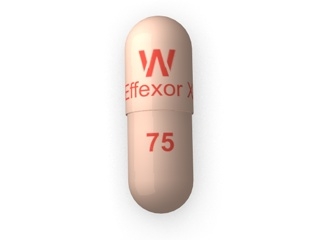
Venlor (Venlafaxine) – Patient-Friendly Medicine Guide (United Kingdom)
Venlor is a medicine containing venlafaxine, used to treat certain mental health conditions. This page explains how Venlor works, how it’s typically taken, important safety information, and practical tips to help you use it safely and confidently. It’s written for people in the UK and aims to be clear and patient-friendly.
Important: This information is for education and support. Always follow the instructions provided with your medicine and seek professional advice if you have questions or concerns. If you feel unwell or your symptoms worsen significantly, get medical help promptly.
1) Basic product information
| Category | Details |
|---|---|
| Medicinal ingredient | Venlafaxine (as venlafaxine hydrochloride) |
| Brand name | Venlor |
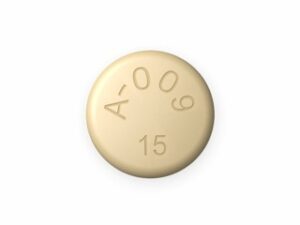
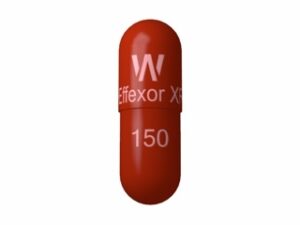
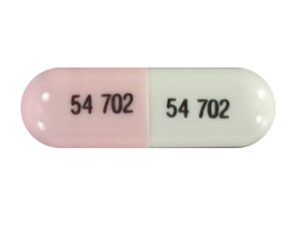
| Common formulations | Immediate-release tablets and/or prolonged-/extended-release formulations (depending on product) |
| Medicine type | Antidepressant (SNRI: serotonin–norepinephrine reuptake inhibitor) |
| Typical uses | Depression, anxiety disorders (varies by condition and formulation) |
| Where it’s used | Available in the UK under usual NHS/private prescribing pathways |
2) What is Venlor and what conditions is it used for?
Venlor belongs to the class of antidepressants known as serotonin–norepinephrine reuptake inhibitors (SNRIs). It is commonly used for:
- Depression (including major depressive disorder)
- Generalised anxiety disorder (GAD) (in some patients/indications depending on UK clinical guidance)
- Other anxiety-related conditions where venlafaxine is considered appropriate by clinicians
Different formulations and strengths may be selected based on your condition, symptoms, and response to treatment. Your prescriber will determine the most suitable option for you.
3) How Venlor works (mechanism of action)
Venlafaxine increases the levels and effects of certain neurotransmitters in the brain:
- Serotonin (5-HT): by helping reduce its reuptake, allowing more serotonin to act at nerve connections
- Norepinephrine (noradrenaline): similarly, venlafaxine reduces its reuptake in many situations
This activity may help improve mood, anxiety symptoms, and overall emotional wellbeing over time. Many people do not feel the full benefit immediately—changes typically develop gradually.
4) Pharmacokinetics (how the body handles venlafaxine)
Pharmacokinetics describes how the medicine is absorbed, processed, and cleared from the body. For venlafaxine, several points are helpful for patients:
- Absorption: Venlafaxine is absorbed after oral dosing.
- Metabolism: The body primarily processes venlafaxine in the liver to form an active metabolite called O-desmethylvenlafaxine (ODV).
- Distribution: Venlafaxine and ODV circulate throughout the body and act within the nervous system.
- Elimination: Metabolites are cleared mainly via the kidneys.
- Half-life (general idea): Venlafaxine and ODV have biologically relevant half-lives, which is why consistent daily dosing matters.
Specific numbers can vary between individuals and formulations, but the key practical takeaway is: venlafaxine works via steady levels over time, and stopping abruptly can lead to withdrawal-like symptoms in some people.
5) Timing: when to take Venlor
Many people are advised to take venlafaxine once daily for certain formulations or multiple times daily for others, depending on what has been prescribed. It’s important to use the same schedule every day.
Choosing morning vs evening
- If you feel it makes you feel more alert, consider taking it earlier in the day.
- If it seems to cause sleepiness, your clinician may suggest taking it in the evening.
- If nausea is an issue, taking with food may help (see “Food interactions” below).
Tip: If you miss a dose, take it when you remember unless it is close to the next dose. Don’t take a double dose to make up for a missed one—ask your pharmacist for advice based on your regimen.
6) Food interactions and what to eat with Venlor
Venlafaxine can usually be taken with or without food, but food may influence comfort and tolerability.
- With food: Often helps reduce nausea or stomach upset.
- Without food: Some people find mild stomach discomfort more likely.
There are no common “do not mix with” dietary restrictions for venlafaxine in most patients. However, maintain a balanced diet and stay well hydrated, especially during the first few weeks.
7) Alcohol and medicine interactions
Alcohol
It’s generally advisable to limit or avoid alcohol while taking venlafaxine. Alcohol can:
- worsen mood and anxiety symptoms
- increase sedation or dizziness
- make side effects harder to predict
- increase risk if you experience drowsiness or impaired coordination
Common medicine interactions
Venlafaxine may interact with other medicines. Tell your pharmacist/clinician about everything you take, including over-the-counter products and herbal supplements. Key interaction themes include:
- Other antidepressants or serotonergic medicines (e.g., SSRIs, MAO inhibitors, certain migraine medicines like triptans): combining these may increase the risk of serotonin syndrome.
- Medicines that increase bleeding risk (e.g., some antiplatelet/anticoagulant medicines, NSAIDs such as ibuprofen/naproxen): can raise the chance of bleeding in some patients.
- Medicines affecting liver enzymes: changes in metabolism can alter venlafaxine/ODV levels.
- Medicines that affect heart rhythm or blood pressure: venlafaxine can sometimes influence blood pressure, especially at higher doses.
- Herbal supplements such as St John’s wort: may affect serotonin levels and drug levels.
- Other substances that affect the brain (e.g., sedatives): may increase drowsiness or impair driving ability.
If you start a new medicine—prescribed or purchased over the counter—check with a pharmacist to confirm it’s safe to use with venlafaxine.
8) Indications (what to use it for) and expectations
Venlafaxine is indicated for depression and certain anxiety-related conditions. Treatment is usually started after assessment of your symptoms, medical history, and previous experiences with antidepressants.
When benefits might begin: Many people notice some improvement within 1–2 weeks, but full benefit may take several weeks. It’s common to have early side effects that improve as your body adapts.
If you feel worse during the first days or weeks, contact a clinician promptly for advice. In some cases, symptoms can fluctuate, but significant worsening needs assessment.
9) Dosing: how much Venlor is usually taken
Dose depends on the condition being treated, the specific formulation, and individual factors such as age and other medicines. Your clinician will provide a personalised regimen.
Typical dosing approach (general)
- Starting dose: often low to improve tolerability.
- Gradual increase: may occur over time to reach an effective dose.
- Maintenance: once symptoms improve, dosing may be continued to prevent relapse.
- Stopping or reducing: usually done gradually to minimise withdrawal effects.
Because venlafaxine dosing schedules vary by product and patient circumstances, it’s not appropriate to state exact dose numbers here. Always follow the strength and instructions provided with your Venlor medicine.
Renal/hepatic considerations: If you have kidney or liver impairment, dosing may need adjustment. Always inform your clinician/pharmacist about your medical history.
10) Safety profile: important warnings and side effects
Like all medicines, venlafaxine can cause side effects. Many are mild and improve over time, but some require urgent attention. Below is a patient-friendly summary of key risks and when to seek help.
Common side effects
- Nausea
- Headache
- Dizziness or light-headedness
- Dry mouth
- Sweating
- Sleep changes (insomnia or drowsiness)
- Reduced appetite
- Sexual dysfunction
- Feeling more restless (sometimes)
Blood pressure and cardiovascular effects
Venlafaxine can sometimes raise blood pressure, particularly at higher doses. Your clinician may monitor your blood pressure, especially after dose changes.
Serotonin syndrome (rare but serious)
The risk of serotonin syndrome is higher when venlafaxine is combined with other serotonergic medicines. Seek urgent medical help if you experience:
- agitation, confusion
- fever
- fast heart rate
- shaking/tremor
- muscle stiffness or clonus (involuntary jerks)
- severe diarrhoea
Withdrawal-like symptoms if stopping suddenly
Stopping venlafaxine abruptly can cause discontinuation symptoms, sometimes called withdrawal effects. These can include dizziness, sensory disturbances (e.g., “electric shock” sensations), irritability, nausea, anxiety, and sleep problems. These risks are reduced by gradual dose reduction under clinical guidance.
When to seek urgent help
Contact emergency services or urgent medical care if you have:
- thoughts of harming yourself
- severe worsening of mental health symptoms
- signs of an allergic reaction (swelling of face/lips, breathing difficulty, rash with severe symptoms)
- fainting, severe chest pain, or severe shortness of breath
11) Practical use tips (how to make treatment easier)
- Take it at the same time each day: consistent timing helps maintain steadier levels.
- Don’t stop suddenly: if you need to stop, do it gradually with professional guidance.
- Track side effects early: note when they start, what time of day you take it, and whether they improve.
- Manage nausea: try taking with food or adjusting timing (ask your pharmacist).
- Hydrate and eat regularly: dizziness and headache can be worse with missed meals or dehydration.
- Be cautious when driving: dizziness or drowsiness can occur, especially when starting or adjusting dose.
- Keep follow-up appointments: mental health treatments often require reviewing progress and tolerability.
- Report unusual symptoms: especially changes in mood, sleep, agitation, or blood pressure-related symptoms.
12) Alternatives to Venlor (venlafaxine)
Treatment choices depend on your diagnosis, symptom pattern, past response, co-existing medical conditions, and preferences. If Venlor isn’t suitable or you experience intolerable side effects, clinicians may consider other options.
Common alternative medicine options
- SSRIs (selective serotonin reuptake inhibitors), such as sertraline, citalopram, escitalopram, fluoxetine, depending on suitability.
- Other SNRIs (e.g., duloxetine) in appropriate cases.
- Other antidepressants (varies by patient and region; examples include mirtazapine or others depending on clinical judgement).
- Non-medicine options that often complement treatment, including talking therapies (e.g., CBT) and lifestyle supports.
Switching between antidepressants can involve careful planning to reduce side effects and discontinuation symptoms. Always discuss any changes with a healthcare professional rather than stopping on your own.
13) United Kingdom market & legal context (availability and responsible use)
In the UK, venlafaxine is an established antidepressant and is used in routine clinical practice. Availability may depend on formulation (immediate-release or prolonged/extended-release) and the exact product strength. Medicines are provided through standard healthcare pathways.
Like many prescription-only medicines, venlafaxine is subject to medicines regulation and safe supply practices in the UK. Pharmacies will typically verify appropriateness and legality of supply, and they may offer advice to help you use the medicine safely.
Recent guidance themes (UK-facing)
Clinical guidance and safety messaging in the UK commonly emphasise:
- Careful initiation with attention to tolerability and early monitoring.
- Gradual dose changes to minimise discontinuation symptoms.
- Awareness of suicidality risk and the need for prompt support if mental health worsens.
- Monitoring blood pressure, especially where dose escalation is planned.
- Serotonin syndrome risk awareness when combining serotonergic medicines.
Guidance may be updated over time; your healthcare team can provide the most current, condition-specific advice.
14) Delivery and availability (online pharmacy considerations)
Online pharmacies in the UK may offer home delivery for eligible medicines. Availability can vary by:
- formulation (e.g., prolonged-release vs immediate-release)
- strengths and package sizes
- stock and distribution schedules
- current prescribing/clinical requirements for your region
When ordering, ensure the medicine strength and formulation match what your clinician intended. If you are unsure, contact the pharmacy’s support team before placing the order.
Storage: Keep Venlor out of sight and reach of children. Store it according to the instructions on the packaging (commonly at room temperature away from moisture and direct heat). Do not use after the expiry date.
15) FAQ
How long does it take for Venlor to work?
Some people notice changes within 1–2 weeks, but for many it takes several weeks for the full antidepressant effect. If you don’t feel improvement after a reasonable time, discuss this with your clinician rather than stopping abruptly.
Can I take Venlor with food?
Yes. Taking it with food may reduce nausea or stomach upset for some people. If your medicine is prolonged/extended-release, do not change how it’s taken—follow the packaging instructions carefully.
What should I do if I miss a dose?
Take it as soon as you remember unless it’s close to your next dose. Do not take a double dose. Ask a pharmacist for tailored advice based on your schedule and formulation.
Is it safe to drink alcohol while taking Venlor?
It’s generally best to limit or avoid alcohol because it may worsen mood and anxiety and can increase dizziness or drowsiness. If you want to drink occasionally, discuss it with a clinician or pharmacist for personalised guidance.
Can I stop Venlor suddenly?
It’s not usually recommended to stop abruptly. Discontinuation symptoms can occur. If treatment needs to change, reduce gradually under professional guidance.
Are there medicines I should avoid with Venlor?
Some medicines raise risks when combined with venlafaxine, especially those that affect serotonin (e.g., other serotonergic drugs) or increase bleeding risk. Always tell your pharmacist about all medicines and supplements you take.
Will Venlor affect blood pressure?
It can. Venlafaxine may raise blood pressure, particularly at higher doses, so clinicians may monitor it. Report symptoms like severe headache, chest pain, or unusual shortness of breath promptly.
What side effects are most common?
Common side effects include nausea, headache, dizziness, dry mouth, sweating, sleep changes, appetite changes, and sexual dysfunction. Many improve over the first weeks.
Where can I get help if I feel worse on Venlor?
If you feel significantly worse or have thoughts of harming yourself, seek urgent help immediately. You can also contact your healthcare team for advice on whether your dose or treatment plan needs review.
Remember: If you have any concerns about Venlor—such as side effects, missed doses, or possible interactions—speak to a pharmacist or clinician. Safe, informed use helps you get the best chance of benefit from treatment.