Vitamin C (Ascorbic Acid)
Vitamin C (also known as ascorbic acid) is an essential vitamin the body needs to support normal growth and repair, maintain a healthy immune system, and protect cells from oxidative stress. It is naturally found in fruits and vegetables, and it is also available as a supplement in many forms (for example tablets, capsules, chewable tablets, effervescent tablets and powders).
This guide is designed to help you understand what Vitamin C does, how it works in the body, how to take it safely, and what to consider alongside food, alcohol, and other medicines—tailored for customers in the United Kingdom.
Product overview
- Active ingredient: Ascorbic Acid (Vitamin C)
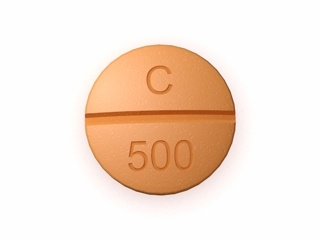
- Common strengths: 100 mg, 250 mg, 500 mg, 1000 mg (varies by brand)
- Typical forms: Tablets, capsules, chewable, effervescent, sachets/powders
- Category: Dietary supplement
- Suitable for: People who may not get enough Vitamin C from diet, or who wish to top up intake
Note: Always check the label of the specific product you choose for the exact strength per tablet/capsule and any added ingredients.
How Vitamin C works (mechanism of action)
Vitamin C is a water-soluble vitamin that plays multiple roles in the body:
- Antioxidant activity: Vitamin C helps neutralise free radicals, supporting cellular protection.
- Collagen formation: It is required for collagen synthesis, a key structural protein in skin, blood vessels, gums, and connective tissue.
- Immune support: Vitamin C contributes to normal immune function and is present in immune cells.
- Iron absorption: Vitamin C increases the absorption of non-haem iron (found in plant-based foods and some fortified foods) by reducing it to a form the body can absorb more easily.
- Regeneration of other antioxidants: It helps regenerate other antioxidant systems within the body.
Pharmacokinetics (what happens in the body)
“Pharmacokinetics” describes how the body absorbs, distributes, metabolises, and excretes a substance.
- Absorption: Vitamin C is absorbed in the small intestine. Absorption efficiency can vary depending on the dose and whether it’s taken with food.
- Transport and distribution: After absorption, Vitamin C is distributed into body fluids and tissues. Higher levels may be seen in some cells involved in immune defence.
- Metabolism: Vitamin C is metabolised to inactive compounds (including dehydroascorbic acid and other metabolites).
- Excretion: Excess Vitamin C is mainly eliminated via the kidneys into urine.
- Important concept: Because Vitamin C is water-soluble, very high intakes may increase urinary excretion rather than proportionally increasing body stores.
Typical uses
Vitamin C supplements are commonly used to support general wellbeing and to address situations where dietary intake may be low.
Typical reasons people take Vitamin C:
- Supporting immune function during times of increased stress (for example winter months)
- Helping collagen maintenance for healthy skin, gums, and connective tissue
- Complementing an iron-rich diet, particularly for people who eat less red meat (Vitamin C can improve non-haem iron absorption)
- Reducing risk of deficiency in people with limited intake of fruits and vegetables
Indications on supplement labels are regulated. In the UK, many Vitamin C products are marketed with permitted health claims (for example “contributes to normal immune system function” and “contributes to the reduction of tiredness and fatigue”) depending on dose and compliance with EU/UK nutrition labelling rules.
Timing: when to take Vitamin C
Vitamin C can generally be taken any time of day. Choose a routine you can stick to.
- With meals: Often gentler on the stomach, especially for people who are prone to indigestion.
- Morning: Some people prefer taking it in the morning, particularly if it helps them maintain consistency.
- Dividing doses: If taking higher amounts (depending on the product), splitting into smaller doses across the day may be more comfortable.
- Effervescent tablets: Dissolve in water as directed; drink promptly after dissolving.
If you take iron supplements: Many people take Vitamin C at the same time as non-haem iron or with meals that include plant-based iron. Follow product guidance and avoid taking multiple supplements at once if your stomach is sensitive.
Food interactions (and diet considerations)
Vitamin C can interact with diet rather than “medication-like” interactions. However, certain food patterns may influence absorption and tolerance.
- Better absorbed with meals: Food may reduce stomach irritation for some people.
- Harm reduction strategies: If Vitamin C upsets your stomach, take it with food or switch form (e.g., to chewable or buffered varieties if available).
- Iron-containing meals: Vitamin C-rich foods (citrus fruits, peppers, berries) can enhance iron absorption. This is particularly relevant for vegetarian or vegan diets.
- Possible sensitivity: Very high doses may increase likelihood of gastrointestinal effects (for example heartburn or diarrhoea), regardless of food.
Alcohol interactions
There is no single direct “drug interaction” that reliably applies to all individuals, but alcohol can affect how you feel and may increase the risk of side effects.
- Gastrointestinal irritation: Both alcohol and high-dose Vitamin C can irritate the stomach in some people.
- Hydration: Alcohol can contribute to dehydration; adequate fluids are important.
- Balanced nutrition: Regular heavy alcohol intake can worsen overall nutrition, increasing the chance of micronutrient gaps.
Practical tip: If you drink alcohol, consider taking your Vitamin C with food and choose the dose recommended on the label. Avoid “doubling up” doses after drinking.
Medicine interactions
Vitamin C is widely used and is generally well tolerated at recommended doses, but it can interact with certain medicines or conditions.
Potential interactions to be aware of
- Iron and other supplements containing iron: Vitamin C increases non-haem iron absorption. This can be beneficial if iron intake is low, but it may increase gastrointestinal discomfort in some people. If you are taking iron, follow both products’ dosing instructions.
- Warfarin (anticoagulant): High-dose Vitamin C may affect clotting in some circumstances (the extent can vary). If you take warfarin, seek individual advice from a healthcare professional before using higher-dose Vitamin C.
- Certain kidney-related medicines or conditions: If you have a history of kidney stones (particularly those involving oxalate), high-dose Vitamin C may increase risk in some individuals. Discuss with a clinician if you have such history.
- Chemotherapy medicines and certain treatments: People undergoing cancer treatment or other complex therapies should get personalised advice before using high-dose Vitamin C, because interactions can depend on the specific regimen.
- Urine test interference: Large Vitamin C doses may interfere with some lab tests, including some glucose monitoring and urine test strips. If you do home monitoring, follow the guidance for your device and inform clinicians that you take Vitamin C.
General safety reminder: If you take regular medication, it’s wise to check the product label and, when in doubt, consult a pharmacist for interaction advice—especially if you plan to take higher doses.
Indications and label health claims (UK context)
In the United Kingdom, supplements must meet food supplement regulations and may include authorised health claims only when conditions are satisfied (for example minimum dose). Common permitted Vitamin C claims include:
- Immune system: Vitamin C contributes to the normal function of the immune system.
- Tiredness and fatigue: Vitamin C contributes to the reduction of tiredness and fatigue.
- Collagen formation: Vitamin C contributes to the normal formation of collagen for the normal function of gums, skin, blood vessels, and bones.
- Iron absorption: Vitamin C contributes to the absorption of iron.
Your exact “indication” depends on the dose per serving stated on the label. If you’re choosing a product for a specific goal, check that the amount you take matches the claim requirements.
Dosing: how much Vitamin C to take
Vitamin C dose recommendations vary by age, health status, and dietary intake. For supplements, many UK products follow broadly established adult intake guidance. Always follow the label on your specific product.
Adults (typical supplemental doses)
- General support: Many people take 100–500 mg daily.
- Higher-dose products: Some products provide 1000 mg. These are typically used short-term or as directed on pack, but higher doses increase the chance of stomach upset or loose stools.
Children
- Children should take Vitamin C only in age-appropriate doses and forms designed for them. Choose a product specifically intended for children and follow the pack instructions.
- If you are unsure, ask a pharmacist.
Pregnancy and breastfeeding
- Vitamin C requirements may be increased, but it is important to avoid excessive dosing. Check with a pharmacist or midwife for advice tailored to you.
Upper limits (important): Taking more than recommended may increase risk of side effects such as diarrhoea, nausea, stomach cramps, and—at very high intakes—increased kidney stone risk in susceptible individuals. If you’re considering long-term high-dose supplementation, seek advice.
Safety profile: side effects and who should take care
Vitamin C is generally safe when used as directed. However, side effects can occur—especially with higher doses.
Common side effects (more likely at higher doses)
- Gastrointestinal discomfort (nausea, heartburn, stomach cramps)
- Diarrhoea or loose stools
- Headache in some individuals
Less common but important considerations
- Kidney stones: People with a history of kidney stones may need to avoid high-dose Vitamin C unless advised otherwise.
- G6PD deficiency: In people with glucose-6-phosphate dehydrogenase (G6PD) deficiency, high-dose Vitamin C may increase the risk of haemolysis. If you have G6PD deficiency, consult a healthcare professional before using Vitamin C supplements.
When to stop and seek advice
- Persistent diarrhoea, severe abdominal pain, blood in urine, or unusual symptoms
- If you have underlying kidney problems or a history of kidney stones
- If you are taking warfarin or other medicines with potential clotting implications
Practical use tips (how to get the best results safely)
- Start with a modest dose: If you’re new to Vitamin C, consider starting at 100–250 mg daily and adjusting only if needed.
- Choose a form you tolerate: Effervescent products may contain additional acids/salts; chewable tablets can contain sweeteners. If you have reflux or sensitive stomachs, tablets or capsules taken with food may be more comfortable.
- Pair with a balanced diet: Supplements support, but don’t replace, regular fruit and vegetable intake.
- Don’t “stack” multiple Vitamin C products: Many cold/flu supplements or multivitamins include Vitamin C. Check total daily intake to avoid accidental overconsumption.
- Hydrate: Drink plenty of fluids, particularly if you take Vitamin C daily or in higher amounts.
- Respect label instructions: If the pack says “once daily,” do not exceed the stated amount unless a pharmacist or clinician advises otherwise.
Alternative options
If Vitamin C in tablet form doesn’t suit you, there are alternatives.
Food sources
- Citrus fruit: oranges, mandarins, grapefruit
- Berries: strawberries, blackcurrants
- Vegetables: peppers, broccoli, Brussels sprouts
- Other sources: kiwi fruit and tomatoes
Other supplement approaches
- Multivitamins: Can help cover multiple micronutrients at once; check Vitamin C content.
- Buffered or “gentle” Vitamin C formulations: Some products are designed to be easier on the stomach.
- Iron + Vitamin C combination products: Useful if you’re addressing low iron intake, but consider total dosing and tolerability.
If you’re taking Vitamin C specifically for a medical reason (for example iron deficiency), discuss your plan with a pharmacist to ensure your approach is appropriate.
Delivery and availability in the United Kingdom
Vitamin C supplements are widely available across the UK via pharmacies, supermarkets, and online retailers. Online availability typically includes different strengths and formats, and stock levels can vary by brand.
Delivery considerations (typical):
- Orders are usually dispatched within 1–3 working days depending on the supplier and warehouse location.
- Delivery times vary by service (standard vs. express) and by postcode.
- Most products are non-prescription supplements and are shipped in protective packaging.
Storage: Keep in a cool, dry place, away from direct sunlight. Ensure the lid is closed after use and check expiry dates.
Market and legal context for Vitamin C supplements (UK)
In the UK, Vitamin C is regulated as a food supplement when sold to the general public. Key points include:
- Products must comply with UK food supplement rules and general consumer safety expectations.
- Any health claim must be authorised and used within permitted wording and conditions.
- Labelling should include the product name, ingredients, recommended daily dose, and information relevant to allergy or intolerance.
- Manufacturers must follow appropriate quality standards to ensure the declared content is accurate.
Important: Regulatory oversight and claim wording can evolve. When choosing a product, prioritise brands with clear labelling and transparent content.
Recent guidance and practical interpretation
In recent years, public health messaging has consistently encouraged:
- Obtaining vitamins from a balanced diet where possible (fruit, vegetables, and varied meals)
- Using supplements to correct shortfalls rather than as a substitute for nutrition
- Being cautious with high-dose supplements, especially long-term use
- Staying hydrated and maintaining overall healthy habits alongside any supplement routine
For Vitamin C specifically, the overall message remains that regular intake supports normal body functions, but excessive dosing increases the risk of unwanted effects. If you are pregnant, breastfeeding, have a medical condition, or take regular medicines, consider speaking with a pharmacist before using high doses.
Frequently asked questions (FAQ)
1) What is Vitamin C (ascorbic acid) used for?
Vitamin C is used to support normal immune system function, collagen formation (skin, gums, blood vessels, bones), reduction of tiredness and fatigue, and absorption of iron. It may be especially useful if your diet is low in fruit and vegetables.
2) How quickly does Vitamin C work?
Some benefits—such as antioxidant support and effects on iron absorption—may be seen fairly quickly when intake increases. However, collagen-related processes and immune support are ongoing and depend on consistent intake over time.
3) Can I take Vitamin C every day?
Many people can take Vitamin C daily within recommended amounts. If you want long-term daily supplementation, consider choosing a dose that matches the label guidance and avoid routinely exceeding high doses.
4) Should I take Vitamin C with food?
It’s often better tolerated with meals, particularly if you have sensitive digestion or notice heartburn. If you tolerate it well on an empty stomach, you may take it either way—follow the label instructions.
5) Does Vitamin C cure colds?
Vitamin C is not a “cure” for colds. Some people take it to support general wellbeing. Its effect on cold duration and severity varies between studies and individuals. A balanced approach—rest, hydration, and appropriate symptom relief—remains important.
6) Can Vitamin C help iron absorption?
Yes. Vitamin C enhances the absorption of non-haem iron (plant-based iron and iron from fortified foods). Taking Vitamin C with meals that contain iron can be helpful, especially for vegetarians and vegans.
7) Are there foods I should avoid with Vitamin C?
There are no universal “must-avoid” foods. However, if Vitamin C upsets your stomach, reduce dose or take with food. Also, check total intake from all supplements to avoid overconsumption.
8) Can I take Vitamin C with alcohol?
Moderate alcohol consumption is not known to create a specific universal interaction with Vitamin C, but both can irritate the stomach in some people. Taking Vitamin C with food and sticking to recommended doses can help minimise discomfort.
9) What if I take other supplements or cold remedies?
Many multivitamins and cold/flu products already include Vitamin C. Check labels to ensure you’re not doubling up accidentally. If you have frequent stomach upset or diarrhoea, review your total daily intake.
10) Who should be careful with high-dose Vitamin C?
Extra caution is recommended for people with a history of kidney stones, those with G6PD deficiency, and anyone taking medicines such as anticoagulants (for example warfarin) or undergoing complex medical treatment. When in doubt, seek pharmacy advice.
Summary
Vitamin C (ascorbic acid) is a vital, water-soluble vitamin that supports immune function, collagen formation, and iron absorption. Most people can take it safely when following label guidance, with food helping tolerance for some. While interactions are generally limited at recommended doses, high-dose Vitamin C may increase the risk of side effects and may require extra caution in certain medical situations.
If you’d like, tell me the Vitamin C strength and form you’re considering (for example 500 mg tablets or effervescent) and what you’re taking it for, and I can help you interpret the label and build a simple, safe routine.