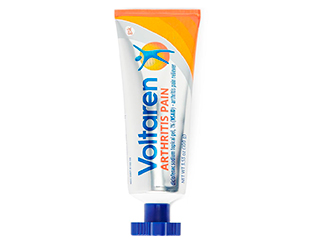
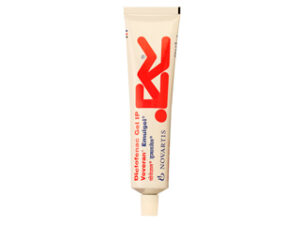
Voltaren Gel (Diclofenac Sodium) — Patient Guide (UK)
Voltaren Gel is a topical pain-relieving medicine containing diclofenac sodium. It is used to help relieve pain and inflammation in specific joints and muscles, especially where symptoms are limited to a particular area. This guide explains what Voltaren Gel is, how it works, how to use it safely, and what to expect while taking it.
Basic product information
| Feature | What this means for you |
|---|---|
| Medicine | Voltaren Gel (diclofenac sodium) |
| Type | Topical non-steroidal anti-inflammatory drug (NSAID) |
| Route | Applied to the skin over the painful area |
| Common strengths (varies by product) | Typically 1% gel in the UK (diclofenac sodium 10 mg/g). Always check your pack. |
| Who it’s for | Adults and sometimes adolescents, depending on the exact product and indication (see dosing section and pack instructions). |
| How it helps | Reduces pain and inflammation locally in the affected area |
How Voltaren Gel works (mechanism of action)
Voltaren Gel contains diclofenac sodium, which belongs to the NSAID group. NSAIDs reduce the production of certain chemicals in the body called prostaglandins. Prostaglandins are involved in pain signals and inflammation. By lowering prostaglandin activity at/near the painful tissue, diclofenac helps to:
- Relieve pain in the targeted joint or soft tissue
- Reduce inflammation and swelling where present
- Improve movement by easing discomfort
Because Voltaren Gel is applied to the skin over the affected area, it aims to deliver pain relief locally with less systemic exposure than oral NSAID tablets for many people. However, some absorption can still occur.
Pharmacokinetics (how the body handles it)
When applied to the skin, diclofenac can be absorbed through the skin surface and into the underlying tissues. The exact amount absorbed varies depending on factors such as:
- Amount of gel applied
- Skin condition and location (intact skin typically absorbs less)
- Whether the area is covered with a dressing
- Duration of use
- Extent of the treated area
After skin absorption, diclofenac may enter the bloodstream. The absorbed fraction is generally lower than with oral diclofenac, but it is not zero. Diclofenac is then processed by the liver and eliminated primarily through urine and bile.
The key practical point: while topical use reduces overall exposure for many people, it can still contribute to the risks associated with NSAIDs—especially with high doses, prolonged use, broken skin, or heavy use over large areas.
Typical uses and indications (what it’s for)
Voltaren Gel is used to treat localised pain and inflammation affecting joints, particularly where symptoms are concentrated in one area. Depending on the product and strength, it is commonly used for conditions such as:
- Osteoarthritis of certain joints (for example, hands, knees, and feet—where indicated on your pack)
- Muscle or tendon pain, such as sports-related strains and sprains affecting the skin area applied
- Localized soft-tissue inflammation when pain is in a specific region
Choose Voltaren Gel when your pain is likely to be localized rather than widespread. For pain that affects many areas, oral pain relief may be more suitable—discuss with a pharmacist or healthcare professional.
When and how to apply (timing and dosing)
General dosing principles
Dosing depends on the size of the affected area and the specific product instructions. Always follow the dosage on your carton/leaflet. As a guide:
- Apply a thin layer to the painful area.
- Use an amount measured by the fingertip rule (see practical tips below) or by product guidance.
- Wash your hands after applying unless your hands are the treatment site.
- Allow the gel to dry before covering with clothing.
Typical frequency (often 3–4 times daily)
Many Voltaren Gel products are used up to 3 or 4 times daily depending on the indication. For example, some regimens are:
- Up to 4 times daily for certain joint pains (depending on pack instructions)
- Try to space doses evenly through the day (e.g., morning, midday, evening, and at night if directed)
Do not exceed the recommended dose on the pack. If you are unsure which regimen applies to your specific product, check the box or speak to a pharmacist.
Duration of use
- If symptoms improve, you can continue according to the label for the shortest time needed.
- If there is no improvement after the recommended period on your pack (often a few days for minor strains, or longer for osteoarthritis symptoms), seek advice.
- Stop and get medical advice urgently if you experience significant worsening or unusual symptoms (see Safety section).
Where to apply
- Apply to intact skin over the painful area.
- Avoid eyes, mouth, and inside the nose.
- Do not apply to broken, infected, or irritated skin.
- Avoid tight occlusive dressings unless advised.
Special situations (children and adolescents)
Use in children and adolescents is product- and indication-specific. Always check the age limits on your pack. If you’re buying for a child or teenager, consult a pharmacist if you are not sure.
Food interactions
Because Voltaren Gel is applied to the skin, food interactions are unlikely. Unlike oral NSAIDs, it does not typically rely on stomach absorption. That said, overall NSAID safety still applies if significant absorption occurs (for example, with large-area or long-duration use). If you take other medicines that interact with NSAIDs (see below), you should still review those risks with a pharmacist.
Alcohol and medicine interactions
Alcohol
Topical diclofenac generally has a lower systemic effect than tablets, but alcohol can still increase the risk of stomach irritation or bleeding when NSAID exposure is higher. If you use Voltaren Gel heavily, have a history of stomach ulcers, or take blood-thinning medicines, it is sensible to avoid excessive alcohol and seek advice for personal risk assessment.
Medicine interactions (important)
Diclofenac absorbed from the skin may interact with medicines that affect bleeding, blood pressure, kidney function, or liver function. Tell your pharmacist if you use any of the following:
- Other NSAIDs (including ibuprofen, naproxen, aspirin for pain) — combined use may increase adverse effects.
- Blood thinners such as warfarin or other anticoagulants — may increase bleeding risk.
- Antiplatelet medicines (e.g., clopidogrel) — may increase bleeding risk.
- Diuretics (water tablets) and certain blood-pressure medicines (e.g., ACE inhibitors/ARBs) — NSAIDs can affect kidney function.
- Corticosteroids — may increase stomach-related risks with NSAIDs.
- Other diclofenac products (oral or other topical preparations) — avoid duplication.
If you have kidney problems, liver disease, a history of stomach ulcers, or cardiovascular disease, ask a pharmacist before using Voltaren Gel regularly or in larger quantities.
Safety profile: who should be careful
Voltaren Gel is generally well tolerated when used correctly, but it can still cause side effects. Most common reactions are local skin-related effects because it is applied to the skin.
Common side effects
- Skin irritation, including redness
- Itching or rash
- Dryness or mild burning sensation
Less common but serious reactions
Seek urgent advice or stop using the gel and contact a healthcare professional if you develop:
- Severe allergic reaction (swelling of face/lips, wheezing, difficulty breathing)
- Severe blistering rash or widespread skin reactions
- Signs of bleeding such as unusual bruising, black stools, or vomiting blood (especially if you’re on blood thinners)
- Worsening kidney symptoms (e.g., reduced urine output) in people at risk when using NSAIDs broadly
When not to use (contraindications)
Do not use Voltaren Gel if you:
- Have a known allergy to diclofenac or other NSAIDs
- Have had allergic reactions such as asthma, swelling, or severe rash triggered by aspirin/NSAIDs
- Have used similar NSAIDs and experienced severe skin reactions
Also avoid applying to skin that is broken or infected.
Extra caution if you:
- Have a history of stomach ulcers or bleeding
- Take blood-thinning medicines
- Have kidney, liver, or heart conditions
- Are pregnant (especially later pregnancy) — NSAIDs may pose risks, so ask for advice before using
- Are using it over large areas or for a long period
Practical use tips (make it work better and stay safe)
- Use the fingertip measure: Many topical diclofenac regimens describe dosing using the “fingertip unit” (a strip of gel from the fingertip to the first joint). Follow the pack instructions for your specific area and frequency.
- Apply gently: Rub lightly into the skin—don’t aggressively massage.
- Let it dry before dressing: This helps reduce transfer to clothing and other people.
- Avoid heat over the area: Heat packs, hot baths, or heating pads can increase absorption—unless your pharmacist advises otherwise.
- Don’t cover with tight occlusion: Unless directed, avoid airtight bandages that may increase absorption.
- Wash hands after use: This prevents accidental contact with eyes or mouth.
- Prevent transfer: Keep treated skin covered with clothing if there’s a risk of contact with children or others.
- Track your progress: If pain is not improving within the expected timeframe, reassess with advice.
How to manage common scenarios
If you miss a dose
Apply it when you remember, then continue as directed. Do not apply extra gel to make up for a missed dose. If you are close to the next scheduled application, skip the missed one.
If you accidentally apply too much
- Remove excess gel by gently washing the skin with water (and mild soap if appropriate).
- Avoid reapplying until your next scheduled dose.
- Contact a pharmacist or healthcare professional if you feel unwell or if a large area was treated.
If gel gets in your eyes or mouth
- Rinse immediately with plenty of water.
- Seek medical advice if irritation persists.
Alternative options for local pain relief (UK)
Depending on your symptoms and medical history, alternatives may include:
- Other topical NSAIDs (e.g., different diclofenac gels or ibuprofen gels where available)
- Topical analgesics such as capsaicin (for certain types of nerve-related pain) — not a direct replacement for inflammatory joint pain
- Oral pain relief such as paracetamol or oral NSAIDs (where suitable), considering your personal risk factors
- Non-medicine measures including rest, gentle movement, physiotherapy advice, or ice/heat (use caution with heat over treated skin)
A pharmacist can help you choose the most appropriate option based on the location of your pain, your health conditions, and your current medicines.
Market and legal context in the United Kingdom
In the UK, Voltaren Gel is provided within regulated medicine supply processes. Many diclofenac topical products are available as pharmacy medicines and may be supplied through community pharmacies. Regulations include requirements around:
- Clear product labelling and patient information
- Age and usage instructions on the pack
- Safety messaging about contraindications, skin reactions, and interaction risks
- Pharmacist oversight where applicable, including advice during supply
Guidance and availability can change over time. Always follow the latest advice on the product packaging and consult a pharmacist if you are uncertain.
Recent guidance and considerations (UK)
Clinical focus in the UK has continued to emphasise appropriate use of NSAIDs, including topical products. Key themes in ongoing safety discussions include:
- Using the lowest effective dose for the shortest time
- Avoiding duplication of NSAIDs from different products
- Considering risk factors for gastrointestinal, kidney, and cardiovascular effects—especially with prolonged or high-dose use
- Encouraging review if symptoms do not improve or if they worsen
If you have chronic pain (such as osteoarthritis), topical NSAIDs are often considered as one component of management alongside exercise and physiotherapy where appropriate.
Delivery and availability (online pharmacy)
Voltaren Gel is widely available through UK pharmacies and authorised online retailers. Delivery options commonly include standard and expedited services, depending on the retailer and your location. Availability may vary by strength, pack size, and current demand.
- Check stock on the product page before ordering.
- Packaging typically includes the original retail carton and patient information leaflet.
- Storage is usually at room temperature—store in the original container and keep out of sight and reach of children.
Frequently asked questions (FAQ)
1) Is Voltaren Gel suitable for everyday use?
It may be used regularly for certain local joint pains, but you should follow the pack directions. If you need it for more than a short period, or if symptoms are persistent, speak to a pharmacist for advice tailored to your situation.
2) Can I use Voltaren Gel with other painkillers?
Some combinations may be safe, but you should avoid using multiple NSAID products together (for example, diclofenac plus ibuprofen) unless a pharmacist advises it. Paracetamol is often used alongside NSAIDs, but always confirm what’s appropriate for you, especially if you have medical conditions or take regular medicines.
3) Will it show up in a drug test?
Diclofenac is the active ingredient. Drug test results vary by test type and the person’s circumstances. If you need guidance for a specific test, ask the testing authority.
4) How long does Voltaren Gel take to work?
Some people notice relief within days. If you do not feel any benefit after the timeframe stated on the pack, it’s a sign to stop and seek advice.
5) Can I use it on my hands, knees, or feet?
Voltaren Gel is commonly used for specific joint areas depending on the product indication. Use only on the body areas stated on your pack and follow the recommended dosing and frequency.
6) Is it safe to use if I have sensitive skin?
Be cautious. Apply to a small area first if your pharmacist agrees, and stop if irritation becomes significant. Do not apply to broken or infected skin.
7) Can I shower or wash after applying?
You should allow the gel to dry before washing or covering the area. Avoid washing the treated area soon after application unless the pack instructions specify otherwise.
8) What should I do if I develop a rash?
Stop using the gel and seek pharmacy advice promptly. A mild irritation may settle, but a worsening rash or signs of allergy require urgent review.
9) Can I use it during pregnancy or breastfeeding?
NSAIDs, including topical diclofenac, may have risks during pregnancy—particularly later pregnancy. Ask a pharmacist or healthcare professional for personalised advice before using in pregnancy or while breastfeeding.
10) Is Voltaren Gel safe for children?
Use in children depends on the specific product and age limits on the packaging. If you’re considering it for a child, check the pack and ask a pharmacist for guidance.
Summary
Voltaren Gel (diclofenac sodium) is a topical NSAID designed to relieve pain and inflammation in localised joint and soft-tissue problems. When used as directed—on intact skin, in the correct amount, and for the appropriate duration—it can provide targeted relief. As with all NSAIDs, safety matters: avoid exceeding the recommended dose, prevent gel transfer, and be mindful of interactions with other medicines. If symptoms persist or worsen, seek advice from a pharmacist or healthcare professional.