Isotretinoin (UK) — Patient-Friendly Guide
Isotretinoin is a powerful medicine used to treat certain types of severe acne and other related skin conditions. It can dramatically improve skin by reducing oil production and changing how the skin grows. Because it can affect the whole body and may cause serious side effects, it is important to understand how it works, how to take it safely, and what to watch for.
This guide is written for people in the United Kingdom and focuses on what isotretinoin is, how it works, typical use, food and alcohol interactions, practical tips, safety information, and frequently asked questions.
Basic product information
| Item | Details |
|---|---|
| Generic name | Isotretinoin |
| Common medicine type | Oral retinoid (vitamin A–like medicine) |
| How it is taken | By mouth, usually once or twice daily depending on the dose plan |
| Key reasons it’s used | Severe acne (especially nodular/cystic), acne that scars, and certain other approved skin conditions |
| Typical course length | Often several months (commonly around 15–20 weeks, sometimes longer depending on response) |
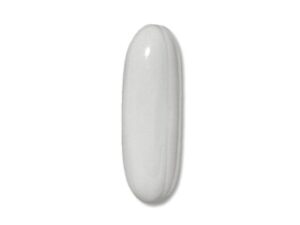
| Formulations | Capsules or soft-gel formulations (brand/form varies by product) |
How isotretinoin works (mechanism of action)
Isotretinoin targets multiple factors involved in acne:
- Reduces sebum (skin oil) production: it decreases the activity of sebaceous glands, leading to less oily skin.
- Helps prevent clogged pores: it normalises cell turnover in the skin, reducing the formation of comedones (clogged follicles).
- Reduces inflammation: it helps calm the inflammatory processes that cause redness, swelling, and pain in acne.
- May affect acne-causing bacteria: by changing the skin environment, it can reduce the conditions that support acne bacteria growth.
The result is often a strong improvement in acne severity and a reduced risk of future scarring when used appropriately. However, the early phase of treatment can include a temporary flare in some people.
Pharmacokinetics — what the body does with it
Understanding pharmacokinetics can help explain why timing and food matter. Isotretinoin is absorbed from the gut and then processed by the liver into active and less active metabolites.
- Absorption: absorption increases significantly when taken with food, particularly meals containing fat.
- Distribution: isotretinoin and its metabolites distribute into body tissues, including the skin.
- Metabolism: it is metabolised mainly in the liver.
- Elimination: metabolites are removed from the body largely via urine and bile.
- Half-life: it and its metabolites are cleared gradually; effects can continue even after stopping.
Because levels build up with ongoing dosing, it’s important to take isotretinoin consistently as advised and attend monitoring appointments.
Typical use and timing
What it is used for
In clinical practice, isotretinoin is primarily used for severe acne or acne that has not responded to standard treatments. It may also be used for other approved conditions as determined by a healthcare professional.
When you can expect improvements
- First few weeks: dryness and irritation commonly start early. Acne may sometimes flare.
- By 6–8 weeks: many people begin to notice improvement in new lesions.
- Later months: the clearest improvements often occur as treatment continues.
- After the course: some benefits continue to develop after stopping, as skin turnover stabilises.
Follow the exact schedule recommended by your clinician. Do not change the dose or dosing frequency without advice.
Food interactions: taking isotretinoin with meals
Isotretinoin absorption increases when taken with food. To maximise consistent absorption:
- Take it with a meal rather than on an empty stomach.
- Be consistent: if you take it once daily, take it with the same main meal each day.
- If your stomach is sensitive: consider taking it with food and not immediately before lying down (ask a healthcare professional if you have severe nausea or reflux).
If you miss a dose, do not double up. Take the next dose at your usual time and seek advice if you’re unsure.
Alcohol interactions
Alcohol is not always strictly “forbidden” with isotretinoin, but it is an important consideration because isotretinoin can affect:
- Blood fats: it may raise triglycerides (a type of blood fat).
- Liver function: it can affect liver enzymes.
Drinking alcohol while taking isotretinoin may increase the risk of liver stress and can worsen triglyceride levels in some people. Many clinicians advise minimising alcohol or avoiding it during treatment, particularly if your blood tests show changes.
If you have a history of liver disease, heavy alcohol use, or high triglycerides, speak with your healthcare team for personalised guidance.
Interactions with other medicines
Isotretinoin can interact with several medicines. Always inform your healthcare professional and pharmacist about everything you take, including over-the-counter products, herbal supplements, and vitamins.
Common interaction themes
- Other vitamin A products: combining isotretinoin with vitamin A can increase the risk of side effects related to excess vitamin A (e.g., headache, vision changes, and severe skin/eye symptoms).
- Tetracycline antibiotics: some antibiotics in the tetracycline family may increase risk of increased pressure in the brain when combined with isotretinoin.
- St John’s Wort: this herbal product may affect medicine levels in some people.
- Strong photosensitisers: some medicines can increase sensitivity to sunlight—this may add to isotretinoin’s effects on skin dryness and irritation.
Many drug interaction decisions depend on your specific medicines and health history. Your pharmacist can help check interactions when you share a full list.
Notes on skin-care products and topical medicines
- Be cautious with harsh exfoliants: scrubs, strong acids, and abrasive treatments may worsen irritation.
- Moisturiser and lip balm are often essential: isotretinoin frequently causes dry lips and skin.
- Use gentle cleansing: mild, non-comedogenic cleansers are usually better tolerated.
Indications — when isotretinoin may be considered
In the UK, isotretinoin is commonly indicated for acne types where the benefits outweigh risks, such as:
- Severe nodular or cystic acne (painful, deep acne lesions)
- Acne causing scarring or risk of permanent scarring
- Acne that has not responded to standard treatments (for example, courses of antibiotics and topical therapies)
- Certain other dermatological conditions may be treated with isotretinoin under specialist care, depending on local guidance and approval status.
A clinician will assess severity, previous treatments, and overall suitability, including the ability to comply with required safety measures.
Dosing — what to know
Isotretinoin dosing is individualised. The total dose aimed for over the course is often based on:
- Body weight
- Acne severity
- How well you tolerate the medicine
- Lab test results (e.g., liver enzymes and blood fats)
Typical dosing regimens often fall within a range (for example, daily total doses that may vary widely). Your prescriber will choose a starting dose and adjust it based on side effects and response.
How to take it safely
- Take with food as advised.
- Use the same schedule each day.
- Swallow capsules whole with water (unless your specific product instructions state otherwise).
- Do not share isotretinoin with others.
- Keep out of reach of children.
If side effects become difficult to manage, the dose may sometimes be adjusted; do not stop suddenly without discussing with a clinician.
Safety profile — key risks and what to monitor
Isotretinoin has a well-known safety profile. Some effects are common and manageable with supportive care, while others are serious and require prompt medical attention.
Common side effects
- Dry lips (cheilitis) and cracked corners of the mouth
- Dry skin, mild rash, and itching
- Dry eyes or eye irritation
- Dry nose and nosebleeds
- Muscle or joint aches
- Headache (usually mild, but see warning symptoms below)
- Increased skin sensitivity to sunlight
Serious warnings (seek prompt medical advice)
- Severe mood changes or depression: report any changes in mood, anxiety, or thoughts of self-harm urgently.
- Signs of raised intracranial pressure: severe or persistent headaches, blurred vision, vomiting, or visual changes.
- Severe allergic reaction: swelling of face/lips, trouble breathing, or widespread rash.
- Pancreatitis symptoms: severe abdominal pain (especially upper abdomen), persistent vomiting.
- Severe liver issues: yellowing of skin/eyes, dark urine, unusual fatigue, or persistent right upper abdominal pain.
Birth defects risk (critical)
Isotretinoin is highly teratogenic (can cause severe birth defects) if taken during pregnancy. Because of this, strict pregnancy prevention measures are required for people who could become pregnant, including clear contraception planning and compliance with safety programmes in the UK.
If there is any chance of pregnancy, you must seek urgent medical advice and follow the safety guidance provided by your healthcare team.
Blood test monitoring
Monitoring may include blood tests to check:
- Liver function
- Triglycerides and cholesterol
- Other parameters depending on your situation
These tests help detect problems early and guide safe dosing decisions.
Practical use tips — making treatment easier
Dryness management (often the biggest day-to-day issue)
- Lip balm frequently: use a bland moisturising lip balm as often as needed.
- Moisturise your skin: choose a fragrance-free moisturiser; apply after washing and as required.
- Gentle face wash: avoid harsh cleansers, scrubs, and “acne” soaps that strip the skin.
- Consider eye lubricants: if eyes feel gritty or dry, ask a pharmacist about suitable lubricating drops.
- Manage nose dryness: saline spray or gentle methods may help reduce discomfort (ask for advice).
Sun protection
- Use broad-spectrum sunscreen with adequate SPF daily.
- Wear protective clothing (hats, long sleeves) when outdoors.
- Avoid solariums and be cautious with intense midday sun.
Exercise and aches
- Expect mild muscle/joint discomfort in some people.
- Hydrate and consider reducing high-impact exercise if pain increases.
- Seek advice if you develop severe pain, weakness, or dark urine.
Skin and hair changes
- Acne flare-ups: temporary worsening can occur early; this is not always a sign treatment is failing.
- Hair/scalp effects: some people notice dryness or changes. Use gentle shampoos and seek advice if severe.
What to avoid during treatment
- Avoid cosmetic procedures that can irritate skin (e.g., aggressive chemical peels, dermabrasion) unless specifically approved.
- Do not donate blood during and for a specified period after stopping isotretinoin (to protect recipients).
Alternative options for acne
Treatment choice depends on acne severity, previous therapies, scarring risk, and individual tolerance. Alternatives may include:
- Topical retinoids (e.g., adapalene/tretinoin where available): help prevent clogged pores.
- Benzoyl peroxide: reduces bacterial load and inflammation.
- Antibiotics (topical or oral courses): sometimes used in combination, usually limited in duration.
- Hormonal therapies for suitable individuals (e.g., combined oral contraceptives or anti-androgens under specialist care).
- Other procedural options (depending on local practice): such as light/laser therapies or dermatological procedures.
Your clinician can help compare likely benefits, timelines, and side effects to find the best fit for you.
Market and legal context in the United Kingdom
In the UK, isotretinoin is a medicine with strict safety controls due to the high risk of severe fetal harm. This is reflected in regulations and risk-minimisation measures for people who can become pregnant.
These measures typically include:
- Structured pregnancy prevention requirements where applicable
- Eligibility and compliance checks
- Clear patient information and monitoring expectations
Requirements can vary depending on the specific product and current NHS/local dermatology pathways. Always follow the instructions provided by your treating healthcare team and pharmacy.
Recent guidance (high-level)
Guidance in the UK has continued to emphasise:
- Risk minimisation for pregnancy prevention
- Baseline and follow-up monitoring for liver function and blood fats in appropriate circumstances
- Patient education on dryness management, sun avoidance, and “when to seek help” symptoms
- Awareness of mood-related effects and other serious adverse reactions
If you are starting or restarting treatment, ask your clinician or pharmacist which monitoring schedule applies to you.
Delivery and availability in the UK
Availability depends on pharmacy stock and the specific isotretinoin product (capsule strength/brand). For online pharmacy services in the UK, typical processes may include:
- Order verification and eligibility checks
- Safe packaging and discreet delivery options
- Delivery times varying by postcode and carrier service
Availability can change, so it’s helpful to order in advance of when you need your next supply. If a particular strength is unavailable, your pharmacist may suggest alternatives available through the supply chain.
Always check the delivery details at checkout and ensure you can receive the parcel safely.
FAQ about isotretinoin
1) Why does isotretinoin need to be taken with food?
Isotretinoin absorption increases when taken with food, leading to more consistent blood levels. Taking it with the same main meal each day can improve reliability of treatment.
2) Will my acne get worse before it gets better?
Some people experience an early flare during the first weeks. This can happen even when treatment will ultimately help. Tell your clinician if it becomes severe or if you’re worried, but don’t stop suddenly without advice.
3) How long does a course usually last?
Courses are commonly several months. The overall duration may be adjusted based on your response and side effects.
4) What can I do for dry lips and skin?
Use a fragrance-free moisturiser and reapply bland lip balm frequently. Gentle cleansers, avoiding harsh exfoliants, and sun protection can make a big difference.
5) Can I drink alcohol while taking isotretinoin?
Alcohol may increase stress on the liver and can worsen triglycerides in some people. Many clinicians recommend minimising alcohol or avoiding it, especially if your blood tests are affected.
6) Are there medicines or supplements I should avoid?
Common examples include vitamin A supplements and some antibiotics (tetracyclines). Always check with your pharmacist if you’re taking other medicines, including over-the-counter products and herbal supplements.
7) Does isotretinoin affect driving or day-to-day activities?
Most people can continue normal activities. If you feel light-headed, have severe headaches, or experience vision changes, seek medical advice and avoid driving until you’re assessed.
8) What blood tests will I need?
Your healthcare team may check liver enzymes and blood fats (such as triglycerides). The timing and frequency depend on your circumstances.
9) Can I use skincare actives like retinoids or strong acids?
It depends on your skin tolerance. Because isotretinoin can make skin very sensitive, many people need to avoid or reduce strong actives during treatment. Ask your clinician or pharmacist what’s suitable for you.
10) What should I do if I miss a dose?
Follow the instructions provided by your healthcare team. In general, do not double the dose. Take the next dose at the usual time and contact a pharmacist if unsure.
When to seek urgent advice
Contact urgent medical help if you experience symptoms suggesting a serious reaction, such as:
- Severe headache, blurred vision, vomiting, or new visual symptoms
- Yellowing of the skin/eyes, dark urine, or severe abdominal pain
- Signs of an allergic reaction (swelling, difficulty breathing)
- Severe mood changes or thoughts of self-harm
Remember: isotretinoin can be highly effective for the right skin condition, but safe use requires careful adherence to dosing, food advice, monitoring, and early reporting of concerning symptoms.