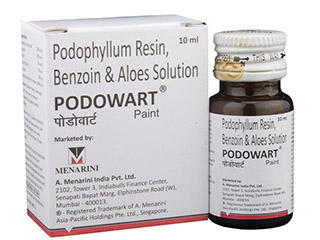
Podowart (Podophyllum resin) – Patient Information
Podowart contains podophyllum resin for the treatment of certain skin growths (commonly warts). This page explains what Podowart is used for, how it works, how to use it safely, what to expect, and important interactions and safety information for people in the United Kingdom.
Always follow the instructions provided with your product or by your healthcare professional. If you’re unsure whether Podowart is right for your specific condition, speak to a pharmacist or clinician.
1) Basic product information
| Category | Details |
|---|---|
| Product name | Podowart |
| Active ingredient | Podophyllum resin (plant-derived resin) |
| Medicinal purpose | Topical treatment for certain warts |
| Route of use | Applied to the affected skin only (external use) |
| How it is supplied | Topical preparation; availability may vary by pack size and formulation |
Important: Warts can look similar but differ in type and location. Podowart is intended for specific wart types and areas. Using it on the wrong condition or on unsuitable body sites can cause burns and scarring.
2) What Podowart is used for (typical use)
Podowart is used for the local treatment of warts. In practice, it is most commonly associated with treatment of warts in areas where topical chemical treatments may be used under clear guidance.
Common indications include:
- External genital warts caused by human papillomavirus (HPV), when appropriate to use topical podophyllum-based treatments and when instructions are followed carefully.
- Other selected warts where podophyllum resin is indicated by the product instructions (depending on formulation and local UK guidance).
Do not use Podowart on:
- Areas of skin that are broken, infected, or oozing
- Inside the vagina, inside the penis (urethral meatus), or inside the anus
- Eyes or near the eye area
- Large areas of skin unless specifically advised
3) How it works (mechanism of action)
Podophyllum resin contains naturally occurring compounds that interfere with cell division. In simple terms:
- It targets the rapid growth of wart tissue by disrupting processes needed for cell replication.
- As a result, the wart tissue gradually breaks down and the wart may shrink and eventually disappear.
Because wart tissue tends to grow differently from surrounding healthy skin, careful application only to the wart is crucial to reduce irritation or damage to healthy tissue.
4) When to apply it (timing and expected course)
Timing depends on the specific Podowart product instructions (strength and formulation can vary). In general, podophyllum-based treatments are used in a cycle pattern over a short treatment period, with rest intervals.
Follow your pack instructions exactly. Typical real-world patterns include:
- Apply in the evening or as directed
- Use for a set number of days, then pause before repeating if needed
- Continue until the wart responds, up to the maximum duration stated on the label
What to expect:
- Some redness, mild soreness, or irritation may occur.
- Warts often take several sessions to improve.
- If there is no improvement within the recommended timeframe, do not keep using indefinitely—seek advice.
Do not exceed the recommended amount or frequency. More frequent application increases the risk of burns and systemic toxicity.
5) Dosing (how much to use)
Dosing is application-based rather than weight-based. You should generally:
- Use a small amount sufficient to cover the wart surface
- Apply only to the affected area using the provided applicator if included
- Avoid spreading the product onto surrounding normal skin
Practical dosing tips:
- Wash hands before and after application.
- Apply to clean, dry skin.
- If the product causes significant irritation, stop and seek medical advice.
Missed dose: If you miss an application within your cycle, apply it when next scheduled according to the pack instructions. Do not “double up”.
6) Mechanistic and practical pharmacokinetics (how the body handles it)
Because Podowart is applied to skin, overall absorption into the bloodstream is generally limited when used correctly on small areas. Pharmacokinetic details can vary depending on the formulation and the condition of the skin.
General points:
- Absorption: With careful topical use on limited areas, systemic absorption is usually low. However, absorption may increase if you apply too much, use too often, cover large areas, or treat broken/irritated skin.
- Distribution: Any absorbed fraction may be distributed throughout the body.
- Metabolism and elimination: Like many plant-derived compounds, podophyllum constituents are processed by the body and cleared over time. The key safety message is to prevent excessive absorption by following dosing and cycle limits.
Why this matters: Podophyllum-related compounds can be harmful if taken in excessive amounts. Incorrect use may increase risk of adverse effects.
7) Food interactions
Podowart is applied to the skin, so direct food interactions are not expected. Food does not typically affect how topical podophyllum resin works.
However: avoid alcohol and other medicines that may increase irritation or complicate safety if you experience significant side effects (see interaction section below).
8) Alcohol and medicine interactions
Alcohol
There is no well-established direct interaction between topical podophyllum resin and alcohol. Still, it’s sensible to be cautious:
- If you experience dizziness, nausea, severe burning, or weakness—stop using and seek advice.
- Do not treat larger areas or more frequently because alcohol can coincide with other behaviours that increase risk (e.g., forgetting dosage limits).
Other medicines
Because systemic absorption is usually low with correct use, interactions with oral medicines are not commonly expected. Nonetheless:
- Avoid applying Podowart alongside other topical irritants to the same area (e.g., strong acids, harsh antiseptics, or other wart products) unless advised.
- If you are using treatments for skin conditions (such as steroid creams, retinoids, or antiseptics), ask a pharmacist for advice about whether they can be used at the same time.
- If you are taking medicines that affect the immune system (immunosuppressants), your warts may behave differently; speak to a clinician if warts are persistent or widespread.
Stop and seek help urgently if you develop severe pain, blistering, extensive skin damage, or signs of systemic illness.
9) Indications and suitability (including who should be careful)
Podowart is intended for treating appropriate wart types on suitable skin areas. Suitability depends on the location, appearance, and skin integrity.
Not suitable for some people or circumstances:
- Pregnancy and breastfeeding: do not use unless a healthcare professional says it is appropriate. Topical treatments for genital warts may require careful selection.
- Children: use only if the product instructions and a professional confirm it is suitable for age and site.
- Immunocompromised individuals: warts may be more severe; you may need assessment to ensure correct diagnosis and treatment plan.
- Uncertain diagnosis: if you’re not sure it’s a wart (for example, sores, ulcers, bleeding lumps, or pain), seek medical advice first.
Do not use Podowart to treat:
- Suspected skin cancer or precancerous lesions
- Herpes sores or other sexually transmitted lesions that can mimic warts
- Skin conditions where wart diagnosis is unclear
10) Safety profile and side effects
Like all medicines, Podowart can cause side effects. Many are local and mild to moderate, especially with correct, limited use—but severe reactions can occur if applied incorrectly.
Common local effects
- Redness
- Burning or stinging sensation
- Itching or discomfort
- Temporary swelling
- Skin tenderness or mild pain
Serious reactions (seek urgent medical advice)
- Severe burning or significant blistering
- Open sores or rapidly worsening skin damage
- Spreading rash, hives, or signs of allergic reaction (e.g., facial swelling, breathing difficulties)
- Symptoms suggesting excessive absorption (rare but important): marked weakness, vomiting, dizziness, or unusual illness—especially after over-application or large-area treatment
When to stop
Stop using Podowart and contact a pharmacist, GP, or sexual health clinic if:
- Your skin becomes very sore, raw, or bleeds
- You develop signs of infection (increasing warmth, pus, fever)
- Your warts do not improve within the recommended treatment timeframe
- You are unsure you are treating the correct condition
Special precautions
- Avoid contact with healthy skin—apply carefully.
- Do not cover with occlusive dressings unless instructed.
- Keep away from eyes and mucous membranes.
- Wash hands after use. Do not touch your eyes.
11) Practical use tips (step-by-step)
The goal is effective wart removal with minimal irritation. Use these practical tips:
- Confirm the area: Only treat the wart(s) as instructed on the pack.
- Clean and dry: Gently wash and pat the area dry before application.
- Use the right technique: Apply a small amount directly onto the wart, using an applicator if provided.
- Avoid spreading: Keep the product from running onto surrounding skin.
- Allow it to work: Let it dry or remain on the area for the time stated in the instructions.
- Wash hands immediately after.
- Monitor the response: Mild redness is common; severe pain or blistering is not. Stop if severe reactions occur.
Hygiene and transmission awareness: Warts can be contagious. Reducing contact during treatment and following safer sex advice can help lower spread to partners. If you have genital warts, a sexual health clinic can provide personalised guidance.
12) Alternative options
Depending on wart type, location, size, and your medical history, other approaches may be considered.
Examples of alternatives (discuss with a pharmacist or clinician)
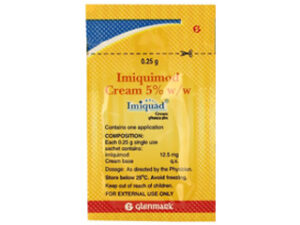
- Imiquimod cream (immune-modulating topical therapy for some wart types)
- Other wart treatments available over the counter or via services in the UK (varies by product and wart location)
- Cryotherapy (freezing) performed by clinicians
- Surgical removal or other procedures for persistent or extensive warts
- Assessment for diagnosis: if the lesion is not clearly a wart, targeted treatment differs
Which option is best? The most effective treatment depends on the wart site and whether it’s recurrent or widespread. If you’ve tried one method without success, a clinician can help refine the plan.
13) UK market and legal context (what to expect)
In the United Kingdom, access to treatments for warts may include a mix of pharmacy products, clinician-led care, and local sexual health services. Classification and availability can vary based on:
- The exact formulation and strength of the product
- The intended indication (e.g., specific wart types and sites)
- Regulatory classification under UK medicines and pharmacy frameworks
- Brand availability and supply conditions
Online pharmacies often provide patient information, eligibility checks, and delivery options. In some cases, products for genital warts may be restricted to ensure appropriate use and safety.
Recent guidance note: UK healthcare advice for HPV-related conditions frequently emphasises correct diagnosis, careful topical application, partner counselling/safer sex recommendations, and prompt clinical review if symptoms worsen or fail to respond.
14) Delivery and availability in the UK
Podowart availability may vary depending on stock levels and the specific pack you choose. When ordering from a UK online pharmacy:
- Check the product strength and pack size shown on the page to ensure it matches your instructions.
- Delivery times vary by supplier and location; most UK providers offer standard and express options.
- Orders are typically dispatched quickly once payment is confirmed, subject to stock and regulatory checks.
Storage: Keep the medicine in a cool, dry place as directed on the label. Keep out of reach of children.
15) FAQ
Is Podowart safe to use on all warts?
No. Podowart is intended for specific wart types and suitable body areas as described in the product instructions. If the lesion is in a sensitive area or diagnosis is uncertain, speak to a pharmacist or clinic first.
How long does it take to work?
Some improvement may be noticed after a few treatment sessions, but complete clearing can take longer. Follow the recommended treatment cycles and seek advice if there’s little or no improvement within the timeframe on the label.
What should I do if I get burning or irritation?
Mild irritation can occur. If the discomfort is mild, you can continue as instructed. If it becomes severe, you develop blistering, or skin breaks down, stop and seek medical advice promptly.
Can I use Podowart with other creams?
It’s best to avoid applying other strong or irritating topical products to the same area unless you have been told it’s safe. Ask a pharmacist for advice about your current treatments.
Can I have sex while treating warts with Podowart?
If you’re treating genital warts, it’s important to follow safer sex guidance to reduce the risk of transmitting HPV. Treatment irritation can also increase discomfort during contact. A sexual health clinic can provide tailored advice.
Will Podowart prevent warts from coming back?
Podowart can help remove visible warts, but it doesn’t eliminate HPV infection. Warts may recur. If warts return, you may need further evaluation and treatment.
What if I accidentally apply it to healthy skin?
Stop application to that area and rinse with water if instructed by the product leaflet. Avoid further contact with healthy skin in future applications. If you get a worsening burn or blistering, seek advice.
Can children use Podowart?
Children should only use Podowart if the product instructions and a healthcare professional confirm it is appropriate for the child’s age and the specific wart location.
Is there any link between Podowart and cancer?
Podowart is used to treat warts, not cancer. If a lesion changes, bleeds, ulcers, or looks unlike typical warts, get medical assessment—wart-like lesions can have different causes.
What should I do if the warts don’t improve?
Seek advice from a pharmacist, GP, or sexual health clinic. Persistent warts may require a different treatment approach, a reassessment of diagnosis, or additional care for HPV-related conditions.
Summary
Podowart (podophyllum resin) is a topical medicine used for the treatment of certain wart conditions. It works by disrupting the growth of wart tissue, leading to gradual wart breakdown. For best results and the safest experience, apply a small amount only to the wart, follow the recommended treatment cycle exactly, and monitor for side effects. If irritation is severe, if you’re unsure about the diagnosis, or if warts do not respond within the recommended timeframe, seek advice.