Pimecrolimus (for the skin): Patient-friendly guide
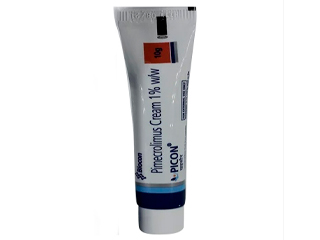
Pimecrolimus is a medicine used to treat certain inflammatory skin conditions. It belongs to a group of topical medicines that calm immune activity in the skin, helping to reduce redness, itching and flare-ups. This guide explains how pimecrolimus works, how it’s used, what to expect, and practical safety advice for people in the United Kingdom.
1) Basic product information
| Feature | Details |
|---|---|
| Generic name | Pimecrolimus |
| Medicinal form | Cream for skin use |
| Strength (commonly available) | Often supplied as 1% pimecrolimus cream |
| Therapeutic area | Topical anti-inflammatory / immune-modulating skin treatment |
| Typical conditions treated | Atopic dermatitis (eczema) and related inflammatory flare control |
| How it’s applied | Thin layer to affected areas only |
Pimecrolimus is designed for use directly on the skin. It is intended to be applied carefully to affected areas and used as part of an overall skin-care approach (often alongside moisturisers and avoidance of known triggers).
2) How pimecrolimus works (mechanism of action)
Pimecrolimus is a topical calcineurin inhibitor. In simplified terms, it helps reduce an immune signalling pathway in the skin that contributes to inflammation.
When applied to the skin, pimecrolimus dampens immune activation in the area affected by eczema. This can help:
- Reduce inflammation and redness
- Relieve itching
- Help manage flare-ups and prevent progression of symptoms during active episodes
- Support longer-term control when used appropriately in early flares
Unlike some treatments that work by directly numbing or drying the skin, pimecrolimus aims to calm immune-driven inflammation at the source in the skin.
3) Pharmacokinetics: what happens in the body
Because pimecrolimus is applied to the skin, only a small amount is expected to be absorbed through intact skin in most typical use. In general, systemic exposure is low compared with medicines taken by mouth.
- Absorption: Minimal systemic absorption when used as directed on affected skin.
- Distribution: Any absorbed fraction is distributed throughout the body, but levels are typically very low.
- Metabolism: Any absorbed pimecrolimus is broken down by the body’s natural metabolic processes.
- Elimination: Metabolites are removed mainly through normal body excretion routes.
Absorption can increase if pimecrolimus is applied to large areas, under occlusion (covered with airtight dressings), or on skin that is significantly damaged or very inflamed. This is one reason to use it exactly as instructed and avoid occlusive wrapping.
4) Typical use in the UK: indications
Pimecrolimus is commonly used for atopic dermatitis (eczema), particularly where flare control is needed and when a topical non-steroidal option is suitable.
In everyday terms, it may be used for:
- Treatment of mild to moderate eczema flares
- Management of symptoms in sensitive areas where creams are easier to tolerate than stronger alternatives
- Early treatment during flare onset to help reduce how quickly symptoms worsen
The exact suitability depends on your age, the severity of the condition, skin type, previous treatments and other medical factors. Your local clinical guidance may recommend moisturisers as a foundation and pimecrolimus as one option for inflammatory control.
5) How to use pimecrolimus: dosing and timing
Always follow the instructions on the product packaging and the advice given by a healthcare professional. Dosing below is general information intended to help you use the medicine correctly.
Typical dosing (general approach)
- Adults and children: Apply a thin layer to the affected areas.
- Frequency: Often applied twice daily during an active episode, or as advised for your specific product plan.
- Amount: Use the smallest amount needed to cover the affected skin.
Timing: when to start and when to stop
Many people find it helps to start treatment soon after the first signs of a flare (for example, early itching or visible redness). Continued use is typically guided by symptom response and product instructions.
- Best time to apply: After gentle skin cleansing and drying, then apply the cream.
- Moisturiser routine: Use moisturisers regularly. If you apply both a moisturiser and pimecrolimus: apply the moisturiser first, wait a short time, then apply pimecrolimus; or follow a clinician/pharmacist’s routine recommendation.
- Stop when improved: Many regimens aim for short-term use during flares rather than continuous long-term daily use indefinitely.
Applying correctly (step-by-step)
- Wash your hands.
- Clean the affected skin gently with mild soap or cleanser if needed, then pat dry.
- Apply a thin layer of pimecrolimus to the affected area only.
- Rub in gently until the cream is absorbed.
- Wash your hands again after application (unless the hands are the treated area).
- Avoid getting it in eyes, mouth or inside the nose.
Avoid occlusion unless specifically advised
Do not cover the treated area with airtight dressings (occlusive bandages) unless your clinician instructs you to do so. Loose clothing is generally fine.
6) Food interactions
Pimecrolimus is used on the skin. For most people, there is no relevant interaction with food because systemic absorption is low. You do not usually need to alter your diet while using pimecrolimus.
If you notice stomach upset or other unexpected symptoms, it is more likely related to other factors than pimecrolimus, but it’s still worth discussing with a pharmacist.
7) Alcohol and medicine interactions
Alcohol
There are no well-known direct alcohol interactions with pimecrolimus due to the topical nature and low systemic absorption. However, alcohol may indirectly worsen eczema in some people by affecting sleep, hydration, stress or causing flushing.
If you find your skin flares after drinking alcohol, consider reducing intake and monitor triggers.
Interactions with other medicines
Significant systemic interactions are unlikely, but medicines can still interact through shared pathways or through combined skin treatments. Tell your pharmacist or healthcare professional about all medicines you use, including:
- Other creams or ointments applied to the same area
- Any topical steroids used for eczema flares
- Medicines that affect the immune system (if applicable)
- Any long-term treatments for chronic conditions
In practice, the main “interaction” people notice is simply using multiple products on the same area at the same time. If combining therapies, it’s best to follow a structured plan (for example, one product in the morning and the other at night, or switching based on flare severity).
8) Safety profile: common and serious side effects
Pimecrolimus is generally well tolerated when used correctly. However, like all medicines, it can cause side effects. The section below summarises typical issues and the safety actions that may help.
Common side effects
- Temporary burning or stinging at the application site
- Itching or skin discomfort during flare treatment
- Redness or mild irritation where the cream is applied
These sensations are often most noticeable when eczema is active and the skin barrier is weakened. Using a thin layer and applying to clean, dry skin may reduce irritation.
Serious side effects: seek medical advice promptly
Although uncommon, you should seek prompt medical advice if you notice signs of a serious allergic reaction or worsening infection.
- Swelling of the face, lips or eyelids
- Severe rash, blistering, or widespread hives
- Signs of skin infection such as increasing pain, spreading redness, pus, crusting, fever, or rapidly worsening eczema
- Any unexpected persistent lymph node swelling
Important precautions
- Use on affected skin only: avoid applying to large areas unnecessarily.
- Infection: if the eczema area is infected, you may need different treatment before continuing.
- Sun exposure: reduced skin barrier can make irritation more likely; consider sun protection.
- Long-term continuous use: follow the plan for flare control and avoid using it longer than instructed.
9) Practical tips for day-to-day use
Get the most benefit
- Moisturise consistently: moisturisers help restore the skin barrier and reduce itch and flares.
- Treat flares early: applying soon after symptoms start can improve control.
- Use a thin layer: more is not better; it increases irritation risk and potential absorption.
- Stick to a routine: consistent timing supports steadier symptom control.
Skin comfort tips
- If burning happens: it often reduces as the skin calms. Try applying after the skin is fully dry.
- Avoid fragrances: choose gentle, fragrance-free soaps and moisturisers.
- Keep nails short: scratching can worsen inflammation and increase infection risk.
What about eczema flare triggers?
Many people find eczema improves when triggers are reduced. Common triggers include harsh soaps, dry air, overheating/sweating, stress, wool or rough fabrics, and certain irritants.
10) Alternative options for eczema treatment
Pimecrolimus is one option for managing inflammatory skin conditions such as atopic dermatitis. Alternatives may include:
Moisturisers and skin barrier support
- Emollients (thick moisturising creams/ointments)
- Barrier-repair products to reduce dryness and itch
Anti-inflammatory topical medicines
- Topical corticosteroids (often used for short courses during flares)
- Other topical calcineurin inhibitors (e.g., tacrolimus) where suitable
- Other topical anti-inflammatory options depending on age, severity and location of eczema
When eczema is more severe
If eczema is widespread or not controlled with topical treatments, clinicians may consider additional therapies such as phototherapy or systemic treatments. The best choice depends on severity and age.
Your pharmacist can also help you compare products and explain how different treatments are typically used together (for example, “flare rescue” versus “maintenance” options).
11) UK market & legal context, plus recent guidance
In the United Kingdom, topical medicines for eczema are widely supported by national guidance and NHS practice. Management typically follows a stepwise approach: regular moisturisation, trigger management, and appropriate anti-inflammatory treatment for flares.
Pimecrolimus is used as a topical anti-inflammatory option in eczema care, with emphasis on correct application and appropriate flare use. Advice and policies may be updated over time by bodies such as the NHS and professional dermatology guidance providers.
When considering any topical eczema treatment, current UK clinical practice generally highlights:
- Skin barrier care (emollients) as a foundation
- Use of anti-inflammatory creams/ointments during flares
- Careful choice of treatment potency based on age, location and severity
- Education about correct use, expectations, and side effect management
For the latest local guidance, it can be helpful to check NHS resources or ask a pharmacist for an up-to-date summary aligned with current practice.
12) Delivery and availability in the United Kingdom
Availability can vary by brand, pack size and stock levels. Many online pharmacies in the UK may supply topical products like pimecrolimus as part of their routine range, subject to regulatory requirements and distribution rules.
- Dispatch: Many orders are dispatched quickly once payment is confirmed and the item is in stock.
- Delivery options: Options often include standard delivery and, where available, tracked delivery.
- Packaging: Medicines are typically shipped in protective packaging to prevent damage.
- Cold chain: Topical creams are generally shipped without a cold chain, but always store as stated on the pack.
If you have urgent flare symptoms, consider ordering early and ensuring you have enough moisturiser in your household routine.
13) Storage and handling
- Store at temperatures recommended on the product label.
- Keep the cream tightly closed.
- Keep out of sight and reach of children.
- Check expiry date before use.
- Do not share your cream with others.
14) FAQ
Is pimecrolimus suitable for all types of eczema?
Pimecrolimus is commonly used for atopic dermatitis (eczema). Suitability depends on severity, age and whether the skin is infected. If you have signs of infection or another skin condition, advice from a pharmacist or clinician is important.
How long does it take to work?
Many people notice improvement within days, but the timeline can vary. It may take longer for itch and redness to settle fully, particularly during significant flare-ups.
Can I use pimecrolimus with moisturisers?
Yes—moisturisers are often a key part of eczema care. Apply moisturiser first, allow it to absorb, then apply pimecrolimus. Following a consistent routine can help reduce irritation.
What should I do if I accidentally miss an application?
Apply it when you remember unless it’s close to the next dose time. Do not double up. Continue with your normal routine.
Can I apply makeup or sunscreen over it?
If the treated area is on the face, you may need to wait until the cream is absorbed before applying cosmetics. Choose non-irritating, fragrance-free products where possible.
Will pimecrolimus thin my skin like steroid creams can?
Pimecrolimus is not a topical corticosteroid. However, any topical medicine can irritate damaged skin if used incorrectly. If you’re unsure about comparative risks, ask a pharmacist for personalised advice for your situation.
Can I go in the sun while using pimecrolimus?
Sensible sun protection is recommended, particularly if your skin is more reactive during flare treatment. Avoid direct sun on treated areas when possible and use appropriate clothing.
Is it safe for children?
Pimecrolimus may be used for certain paediatric cases, but the right choice and dosing depend on age and severity. Check the product instructions and seek pharmacy guidance if you are treating a child.
What if my eczema looks infected?
If you see increasing redness, warmth, swelling, pus, crusting, severe pain, or fever, stop using pimecrolimus and seek medical advice promptly. Infected eczema often requires different treatment.
Can I use pimecrolimus on broken skin?
It should not be used on areas that are severely broken or infected unless advised by a clinician. Damaged skin can sting more and may require a different approach.
Are there long-term risks from using pimecrolimus?
When used as directed for flare control, it is generally well tolerated. As with any medicine, longer-term use should follow professional advice and product instructions, particularly regarding prolonged continuous use.