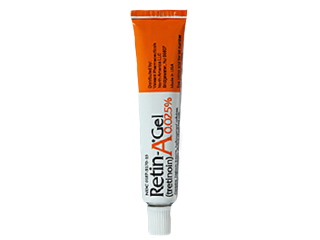
Retin-A Gel (Tretinoin) – Patient Information (United Kingdom)
Retin-A Gel contains tretinoin, a medicine from the retinoid family used mainly for acne and other skin conditions. This leaflet-style guide explains how Retin-A Gel works, how to use it safely, what to expect, and when to seek advice. It is written for people in the United Kingdom and includes practical guidance on timing, interactions, and availability.
| Category | Details |
|---|---|
| Active ingredient | Tretinoin |
| Medicine type | Topical retinoid (vitamin A–related) |
| Common form | Gel for application to skin |
| Typical use | Acne vulgaris (comedones and inflammatory acne) |
| How it works | Helps normalise skin cell turnover and reduce clogged pores |
| Where to apply | Usually affected areas of face (or as directed) |
Basic product information
Retin-A Gel (tretinoin) is applied to the skin. It is designed to treat acne by improving how skin cells renew and by reducing blockages within pores. While many people associate tretinoin mainly with acne, topical retinoids are also used under medical supervision for certain other skin problems.
Strengths: Retin-A Gel may be supplied in different strengths depending on product availability in the UK market. Always follow the strength and instructions provided with your specific product.
Who it’s for: It is intended for people who need topical treatment to help control acne and prevent new spots from forming. It may be suitable for adults and some adolescents depending on local clinical guidance and product instructions.
How Retin-A Gel works (mechanism of action)
Tretinoin is a topical retinoid. On the skin, it:
- Normalises keratinisation: helps regulate how skin cells shed inside the follicle (pore), which can reduce clogging.
- Reduces microcomedones: prevents very early acne lesions from developing.
- Improves cell turnover: encourages more regular cell renewal, helping the skin to clear existing blockages over time.
- May reduce inflammation: by improving the underlying process of acne formation.
Important: Retin-A Gel does not usually work like an “instant spot treatment.” It typically takes time to show results as the skin renews and existing comedones resolve.
Pharmacokinetics (how the body handles tretinoin)
When applied to the skin, tretinoin is absorbed in small amounts through the surface layers. In most users, the systemic exposure is low compared with oral medicines.
- Absorption: Generally limited, but it can increase if applied over large areas, on broken skin, or if used more frequently than recommended.
- Distribution: Because absorption is small, significant whole-body distribution is not usually a clinical concern.
- Metabolism and elimination: Any absorbed drug is processed by the body and eliminated primarily through normal metabolic pathways.
Practical takeaway: For topical use, the main “body-level” risks are not typically the limiting factor. Instead, skin irritation and adherence to safe use are the key considerations.
Typical indications and conditions treated
In the UK, Retin-A Gel (tretinoin) is commonly used for:
- Acne vulgaris, particularly:
- Comedonal acne (blackheads and whiteheads)
- Mild to moderate inflammatory acne (papules and pustules)
- Other dermatological conditions may be treated with topical tretinoin in certain circumstances, but suitable use depends on local clinical direction and individual skin needs.
What it’s not ideal for: Retin-A Gel is not usually the fastest option for immediately stopping an active severe flare. It works gradually to reduce formation of new acne lesions and to improve the skin’s pore behaviour.
How to start and use it (dosing and timing)
General dosing guidance
Most tretinoin regimens are based on applying a thin layer to the affected areas. The exact dose and frequency depend on the product strength, your skin tolerance, and the severity of your acne.
Typical approach (common starting pattern):
- First 1–2 weeks: apply once every 2–3 nights (for sensitive skin, start even less often).
- Weeks 3–6: if tolerated, increase gradually toward once daily, often in the evening.
- Maintenance: continue the highest frequency your skin tolerates comfortably.
Amount to use: A pea-sized amount can be enough for the whole face (unless your clinician or product instructions say otherwise). Using too much does not improve results and may increase irritation.
Step-by-step practical use
- Wash your hands.
- Cleanse the skin gently with a mild cleanser. Avoid harsh scrubs.
- Dry completely. Wait until your skin is fully dry before applying (this can reduce irritation).
- Apply a thin layer to affected areas. Avoid the corners of the nose, lips, and eyelids unless your instructions specify otherwise.
- Wash hands again after application.
When to apply (timing)
- Typically used in the evening because tretinoin may be more irritating when exposed to sunlight.
- Try to apply at a consistent time each night to build a routine.
- If you miss a dose, do not apply extra the next day. Continue with your regular schedule.
How long until you see results?
People often experience a gradual improvement:
- Early weeks: some may notice dryness or redness; in some cases acne can appear worse initially (“purging”).
- 4–8 weeks: early signs of fewer new spots may appear.
- 8–12 weeks: more noticeable improvement is common.
- 3–6 months: many benefit further with continued use.
Tip: Because tretinoin works slowly, changing brands or restarting too often can make it harder to judge whether it is helping.
Food interactions
Food interactions are unlikely for Retin-A Gel because it is applied to the skin and systemic absorption is generally low.
Even so, good overall skin support matters—staying hydrated and eating a balanced diet may help your skin tolerate treatment, especially if you are also using other acne products.
Alcohol and medicine interactions
Alcohol
There are no well-established direct interactions between alcohol and topical tretinoin for typical use. However:
- Skin sensitivity: Alcoholic drinks and dehydration may indirectly affect skin dryness in some people.
- Body irritation: If alcohol makes your skin redder or drier, your irritation from tretinoin may feel worse.
If you notice increased irritation after alcohol, consider reducing your dose of alcohol and focus on moisturiser support.
Other medicines (topical and systemic)
Interactions with other medicines are usually more relevant to the skin than to the whole body. Be cautious when combining tretinoin with:
- Other potentially irritating topical agents such as:
- Strong exfoliants (e.g., alpha-hydroxy acids in high strength)
- Peels
- Scrubs
- Overly drying cleansers or toners with alcohol/strong fragrance
- Other acne treatments (for example, benzoyl peroxide) — many people use combinations, but timing and tolerance matter.
Practical combo tip: If you are using other acne products, introduce them one at a time. Use moisturiser and consider alternating nights to reduce irritation.
If you’re taking other medicines (including tablets) or using prescription creams, it’s sensible to speak with a pharmacist or healthcare professional about what can safely be used alongside tretinoin.
Safety profile and precautions
Common side effects
Topical tretinoin commonly causes skin-related effects, especially during the first weeks of use:
- Dryness
- Redness or mild irritation
- Peeling
- Burning or stinging sensation
- Itching
- Increased sensitivity
Less common or more serious reactions
Seek medical advice promptly if you develop:
- Severe swelling of the face or eyelids
- Blistering or intense pain
- Signs of allergy (e.g., rash spreading beyond the treatment area)
- Worsening irritation that does not improve with reduced frequency and moisturiser
Who should be extra cautious
- People with eczema or very sensitive skin may need a slower start and careful moisturising.
- Individuals with frequent sun exposure should be particularly strict about sunscreen and sun protection.
- Anyone with skin cuts or broken areas should avoid application until the skin heals.
Sun exposure and weather
Retin-A Gel can make skin more sensitive to sunlight. To reduce irritation and discoloration risk:
- Use a broad-spectrum sunscreen in the morning (SPF 30 or higher is commonly recommended).
- Wear protective clothing or shade when possible.
- Avoid tanning beds and intentional sunbathing.
Practical tips to reduce irritation and get the best results
- Start slowly: once every 2–3 nights initially often improves long-term tolerance.
- Use a moisturiser: apply a moisturiser after tretinoin if your routine allows. Many people use moisturiser “sandwiching” (moisturiser–tretinoin–moisturiser) to reduce dryness.
- Avoid concurrent harsh products: hold off on strong exfoliants, alcohol-based toners, and abrasive cleansers during the first weeks.
- Keep application precise: use a thin layer only on affected areas.
- Let skin dry after washing: applying to damp skin can increase stinging.
- Don’t double dose: more is not better—overuse usually increases irritation without improving acne clearance.
What about moisturisers? Choose gentle, non-comedogenic products (often labelled “for acne-prone skin”). Fragrance can sometimes worsen sensitivity.
Alcohol and “skin care routines” (what to avoid)
Although alcohol isn’t a direct interacting substance in the same way as some medicines, alcohol-containing skincare products can worsen dryness and irritation. Consider avoiding:
- Alcohol-based toners
- Aftershaves or fragranced astringents on or near the treated areas
- Harsh peels and scrubs
If you’re unsure whether a product is suitable, ask a pharmacist or check for “gentle/non-comedogenic” labelling.
Alternative options to Retin-A Gel
If tretinoin isn’t suitable, isn’t well tolerated, or is not available in your area, there are other evidence-based options for acne and comedones. Alternatives may include:
Topical alternatives
- Other topical retinoids (different molecules or strengths): some people tolerate alternatives better.
- Benzoyl peroxide: helps reduce acne-causing bacteria and inflammation; often combined with retinoids.
- Topical antibiotics (where appropriate): used in short courses and often combined with benzoyl peroxide to reduce resistance.
- Salicylic acid (beta-hydroxy acid): helps with exfoliation and clogged pores.
Non-topical options
- Oral treatments for moderate–severe acne: typically reserved for more severe cases and guided by clinicians.
- Procedures (e.g., certain in-clinic treatments): may be considered for persistent acne.
Choosing the right alternative: The best option depends on the type of acne (comedonal vs inflammatory), your skin sensitivity, and how quickly you need improvement.
UK market and legal context (how it fits in the NHS/private supply landscape)
In the UK, tretinoin products fall under the broader category of topical acne treatments and are handled through established medicines supply channels. Availability may differ by strength and brand, and product supply may be affected by demand and licensing.
Why this matters: You should always ensure that the product you receive matches the strength and formulation stated and that it is sourced through legitimate, compliant distribution channels.
Guidance updates: Acne management guidance in the UK has generally emphasised evidence-based topical therapies, cautious escalation to reduce irritation, and appropriate combination strategies. Clinicians often tailor treatment based on acne severity, skin type, and tolerance.
Recent guidance and practical adherence advice
Across contemporary acne guidance, a few themes are consistent:
- Use topical retinoids as a key foundation for comedonal acne.
- Introduce gradually to minimise irritant dermatitis.
- Expect early dryness and possible temporary worsening before improvement.
- Pair with gentle moisturising rather than abandoning treatment at the first sign of irritation.
- Use sun protection to reduce irritation and hyperpigmentation risk.
If you experience significant irritation, adjusting frequency and moisturising strategies is often the first step before stopping treatment altogether.
Delivery, availability, and what to check when your order arrives
Availability of Retin-A Gel may vary depending on stock levels and product strength. When ordering from an online pharmacy in the UK, you should:
- Confirm the strength and pack size before checkout.
- Check the expiry date on arrival.
- Store the medicine as instructed on the packaging (typically at room temperature and away from direct sunlight).
Delivery: Delivery times can vary by provider and location. Most UK online pharmacies provide standard and sometimes expedited delivery options. If you need the product urgently, choose the delivery method available at checkout.
When to seek advice
Consider speaking with a pharmacist or healthcare professional if:
- Your acne is not improving after an adequate trial (often 8–12 weeks), assuming good use and tolerance.
- You develop severe irritation, blistering, or a widespread rash.
- Your skin becomes very painful or you notice signs of infection.
- You are pregnant, trying to conceive, or breastfeeding and need tailored advice about topical retinoids. (Your clinician can help balance risks and benefits.)
- You are planning treatments like laser/peels and want to avoid excessive skin sensitivity.
Frequently Asked Questions (FAQ)
1) Can I use Retin-A Gel every day?
Many people build up gradually. If your skin tolerates it, daily use may be possible. However, starting slowly often reduces irritation. If you get significant burning, redness, or peeling, reduce the frequency and use moisturiser.
2) Will my acne get worse before it gets better?
Some people experience an initial flare or “purging” as clogged pores begin to clear. This can occur in early weeks. If worsening is extreme or you develop severe irritation, pause and seek advice.
3) What moisturiser should I use?
Use a gentle, non-comedogenic moisturiser. Fragrance-free options may be better for sensitive skin. If your product irritates your skin, stop and try an alternative.
4) Can I combine Retin-A Gel with benzoyl peroxide?
Many acne plans use combination therapies. Tolerance varies. A practical approach is to introduce products one at a time, and if irritation occurs, alternate nights or separate application times. If your skin stings strongly, reduce frequency and speak to a pharmacist.
5) Should I apply it over my entire face?
Apply a thin layer to affected areas unless your instructions specify full-face use. Applying to more skin than needed can increase irritation.
6) How should I handle sun exposure?
Use sunscreen every morning and minimise direct sun. Tretinoin can increase sensitivity. If you have redness or peeling, sun protection becomes even more important.
7) Is it safe around my eyes and mouth?
Avoid the corners of the nose, lips, eyelids, and any areas where skin is cut or very sensitive. If it accidentally spreads, rinse with water.
8) Can I drink alcohol while using Retin-A Gel?
There is no known direct interaction for typical topical use. However, alcohol can affect skin hydration and may make dryness feel worse. If you notice an effect, consider reducing alcohol and focusing on moisturising and gentle skincare.
9) Can I exfoliate or use facial scrubs while on tretinoin?
It’s best to avoid harsh exfoliants and scrubs, especially during the first weeks. If you want to use exfoliating acids, introduce them cautiously and only after your skin is stable.
10) What should I do if I miss a dose?
Apply when you remember only if it’s close to the usual time and your schedule allows. Otherwise, skip it and continue your normal routine. Do not apply extra.
11) How should I store Retin-A Gel?
Store it according to the instructions on the packaging. Keep the gel away from excessive heat, light, and out of reach of children.
12) Are there any long-term risks?
With correct topical use, most risks are local skin-related and manageable. Long-term effectiveness depends on consistent use and appropriate acne care. If irritation persists despite reducing frequency and moisturising, seek advice for an adjusted plan.
Summary
Retin-A Gel (tretinoin) is a topical retinoid commonly used to treat acne, especially clogged pores and comedonal acne. It works by normalising skin cell turnover and reducing the formation of new lesions. Results take time—often several weeks—so consistent, gentle use is key. Start slowly, apply a thin layer, moisturise, and use sun protection to reduce irritation. If you experience severe reactions or persistent problems, consult a pharmacist or healthcare professional for personalised guidance.