Efudex (Fluorouracil) Cream – Patient Information (UK)
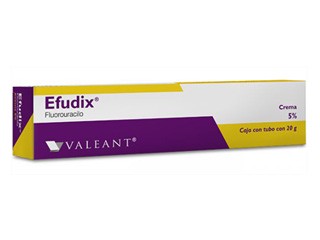
Efudex is a topical medicine containing fluorouracil (5‑FU), used to treat certain skin conditions caused by abnormal or precancerous cell growth. This guide explains how Efudex works, how it is typically used, key safety information, and what you can expect during treatment.
Information below is written for people in the United Kingdom and is intended to help you understand the medicine. Your clinician may tailor advice to your specific skin problem.
Quick overview
- Active ingredient: Fluorouracil (5‑FU)
- Medicine type: Topical chemotherapy/antimetabolite
- Common form: Cream for application to affected skin
- Main use: Treatment of certain actinic (solar) keratoses and superficial skin cancers
- Common effect during treatment: Redness, irritation, crusting and peeling (“field treatment” response)
- Location: Applied only to the areas specified by your prescriber
What is Efudex?
Efudex (fluorouracil) is a medicine that interferes with how certain cells grow and divide. When applied to the skin, it helps destroy abnormally growing cells in affected areas. It is commonly used for actinic keratosis (a sun-damaged, potentially pre-cancerous skin change) and for some superficial basal cell carcinoma cases, depending on the treatment plan.
Efudex works locally on the treated skin area, but absorption and side effects can still occur—especially if large areas are treated, the skin barrier is damaged, or the medicine is used more frequently/for longer than recommended.
How does Efudex work?
Mechanism of action (in simple terms)
Fluorouracil is an antimetabolite. It mimics normal building blocks needed for DNA and interferes with their use. Specifically, 5‑FU:
- Blocks key steps in DNA synthesis, reducing the ability of fast-growing abnormal cells to multiply.
- Acts within cells to alter RNA/DNA processing, contributing to reduced cell growth.
- Produces a controlled inflammatory and cell-damage response in the treated area, helping clear abnormal skin cells.
Because abnormal cells often have different growth patterns from healthy skin, the medicine may preferentially affect the target cells, though irritation of normal surrounding skin is also common.
Pharmacokinetics: what happens in the body?
Pharmacokinetics describes how the body absorbs, distributes, metabolises, and removes a medicine.
- Absorption: With topical use, systemic absorption is generally limited, but it can increase when applying to larger areas, using higher quantities, treating broken skin, or when the skin barrier is compromised.
- Distribution: If absorbed, 5‑FU follows normal metabolic pathways through the bloodstream.
- Metabolism: Fluorouracil is metabolised mainly in the liver through pathways that process nucleotides.
- Elimination: Metabolites are eliminated primarily via the kidneys (urine) and to a lesser extent through other routes.
In practice, most people experience local skin effects rather than whole-body effects. Still, follow the exact application plan and do not exceed recommended amounts.
Typical uses in the UK
Efudex is used for skin conditions where abnormal cells are present or suspected, especially those linked to sun exposure. The exact use depends on your diagnosis and the treatment approach chosen by your healthcare professional.
Common indications
- Actinic keratosis (AK): Sun-damaged patches or scaly areas that may be precancerous.
- Superficial basal cell carcinoma (sBCC): Some cases may be managed with topical therapy depending on size, location, and clinical judgement.
- Other superficial lesions where a specialist has decided that fluorouracil cream is an appropriate option.
If you are unsure what condition you are treating, ask your clinician for the diagnosis and treatment rationale.
How to use Efudex: dosing and timing
Dosing can vary significantly depending on the condition (for example, actinic keratosis vs superficial basal cell carcinoma), the strength/formulation, and the skin area involved. The most important rule is to follow the regimen given to you.
Typical dosing principles (general guidance)
- Apply to affected area only: Use a thin layer on the skin specified.
- Frequency and duration: Usually once or more daily for a set number of weeks, depending on the condition and your response.
- Wash hands: Wash your hands thoroughly before and after applying.
- Do not cover unless instructed: Some regimens use dressings or occlusion, but this should be guided by your clinician.
- Continue despite irritation (as advised): Mild-to-moderate reaction is expected; severe pain or ulceration should be discussed.
Timing with daily life
Many people find it easiest to apply at the same time each day, often in the evening, to minimise irritation during the day and to allow the cream to work undisturbed.
If you are concerned about irritation, ask about supportive measures (for example, moisturisers, barrier creams, or how to protect surrounding skin).
How much to apply (practical application tips)
Correct application improves effectiveness and reduces unnecessary side effects. In general:
- Apply a thin layer to the targeted patch/lesion(s).
- Aim for coverage of the visible affected area, not excessive spreading beyond it.
- Let the cream absorb before getting dressed or exposing treated skin to friction.
- Avoid application near eyes, lips, nostrils, or genital area unless specifically directed.
If irritation spreads beyond the intended area, stop using the cream and contact your clinician promptly for advice.
Food interactions
Because Efudex is applied to the skin, food interactions are not usually expected. Systemic absorption is typically limited when used as directed.
However, if you experience significant side effects (for example, mouth sores, fever, or severe inflammation), contact your clinician. They will advise whether any additional precautions are needed.
Alcohol and medicine interactions
Alcohol
There is no well-established, direct interaction between alcohol and topical fluorouracil. Still, avoid alcohol if it:
- Worsens dehydration or general wellbeing
- Triggers symptoms you associate with treatment
- Contributes to missed doses or poor skin care
As a general safety step during inflammatory treatment periods, moderation is sensible.
Other medicines (possible interactions)
With topical Efudex, clinically significant interactions are less common than with medicines taken by mouth. Nevertheless, interactions can occur, especially if systemic absorption increases or if you are using other medicines that affect the skin barrier or immune response.
- Other topical products on the same area: Avoid layering with other potentially irritating creams (for example, strong antiseptics, harsh exfoliants, or medicated acne preparations) unless your clinician has recommended it.
- Radiotherapy or other cancer treatments: Your clinician should coordinate if you are receiving other therapies.
- Photosensitising medicines: While Efudex itself is not classically a photosensitiser, sun exposure can worsen irritation. If you take medicines that make skin more sensitive to sunlight, take extra sun protection measures.
If you are taking warfarin or other anticoagulants, or if you are on immunosuppressive therapy, it is important to discuss your full medication list with your clinician.
Indications, what to expect, and when to seek help
Efudex is intended to treat abnormal cells. A response usually appears over days to weeks and may continue even after stopping, as the treated cells react and the skin heals.
Typical treatment reaction
- Early stage: Mild redness, dryness, and itching or burning.
- Progression: Increasing inflammation, scaling, crusting, and sometimes weeping.
- Later stage: Healing with new skin as the course ends.
When to stop and get medical advice urgently
Contact a clinician urgently (or seek same-day medical advice) if you develop:
- Severe blistering, intense pain, or rapidly spreading inflammation
- Signs of infection (increasing warmth, pus, spreading redness, fever)
- Extensive ulceration in areas beyond what was expected
- Allergic symptoms such as significant swelling or widespread hives
Safety profile: common and serious side effects
Like all medicines, Efudex can cause side effects. Many are expected because the medicine irritates and damages abnormal cells; however, severe reactions require prompt advice.
Common local side effects
- Redness (erythema)
- Dryness and peeling
- Burning, stinging, or itching
- Crusting and scabbing
- Swelling in the treated area
- Occasional oozing or superficial sores during the reaction phase
Less common, more concerning effects
- Severe inflammation or ulceration
- Contact dermatitis (skin allergy to the product or its components)
- Systemic effects are rare but may occur if absorption is increased, particularly over large areas or prolonged treatment.
Rare systemic symptoms (seek advice if they occur)
- Unexplained fever or feeling very unwell
- Mouth ulcers or severe mouth soreness
- Unexpected widespread bruising/bleeding (this is uncommon but requires medical review)
Practical use tips to improve comfort and results
- Sun protection is essential: Cover treated areas, avoid sunbeds, and use protective clothing. Sun can worsen irritation.
- Gentle skin care: Use lukewarm water and mild, fragrance-free cleansers on treated and surrounding skin.
- Moisturise as advised: Many people benefit from moisturisers between treatments or after the medicine has been applied and absorbed (ask your clinician/pharmacist what is appropriate for your regimen).
- Protect clothing and bedding: If the area may ooze, consider non-adherent dressings to reduce sticking and friction.
- Avoid picking crusts: Allow scabs to fall off naturally to reduce bleeding and scarring risk.
- Hand hygiene: Wash hands thoroughly after application. Avoid touching your eyes or mucous membranes.
- Keep track of progress: Photos (if appropriate) can help monitor response. Note discomfort levels and any unexpected spread.
Alternative options
Depending on the diagnosis, lesion size, number of lesions, and location, other treatments may be considered. Options your clinician might discuss include:
- Cryotherapy (liquid nitrogen): Often used for individual actinic keratoses.
- Photodynamic therapy (PDT): A field treatment approach using a photosensitiser and light activation.
- Imiquimod cream: An immune-modulating topical treatment used for certain superficial lesions.
- Surgery (excision or Mohs surgery): Common for confirmed skin cancer lesions depending on risk and location.
- Other topical agents used for keratinocyte disorders, depending on local guidance and availability.
The “best” option depends on your specific skin type, number of lesions, where they are located, and how much reaction you can comfortably tolerate.
UK market and legal context (what to expect)
In the UK, medicines are regulated to support safe use. Fluorouracil-based therapies are commonly supplied as topical products for dermatology indications. Product availability can vary due to manufacturing, supply chain factors, and formulation changes.
Efudex and fluorouracil products are supplied through appropriate channels and used under clinical direction where necessary. Always ensure you receive the correct product strength and formulation intended for your treatment plan.
If you have questions about availability in the UK, your pharmacist can check supply options and recommend suitable alternatives if needed.
Recent guidance and clinical practice notes
Clinical management of actinic keratoses and superficial skin cancers in the UK generally focuses on:
- Accurate diagnosis and assessment of lesion risk
- Choosing treatments based on lesion number (“field” versus single lesion) and location
- Monitoring response and ensuring appropriate follow-up
- Strong sun protection to reduce new lesions
Topical fluorouracil is widely used as a “field therapy” option because it can treat more than one subclinical abnormal area in a region. Regimens may differ by clinical setting and patient factors. If you miss a dose, do not double up; ask your clinician or pharmacist how to proceed.
Delivery and availability in the UK
Online pharmacy availability can vary by product format and strength. When ordering Efudex, check:
- Product name and active ingredient: Ensure the cream contains fluorouracil.
- Strength and pack size: Match what your treatment plan requires.
- Stock status: Some products may be temporarily unavailable due to supply demands.
- Delivery options: Many UK online pharmacies offer standard and express delivery, subject to location and local availability.
If the exact Efudex pack size is unavailable, your pharmacist may be able to offer an alternative fluorouracil formulation or a clinically suitable option, depending on the diagnosis and regimen.
FAQ
1) When will I see results with Efudex?
Most people notice irritation such as redness or scaling within the first week. Clearance and full healing take longer—often several weeks—depending on the condition and duration of treatment. Visible improvement should be assessed after the skin reaction settles.
2) Should I stop if my skin becomes very red or sore?
Mild-to-moderate redness and irritation can be expected. However, if you experience severe pain, blistering, widespread ulceration, or signs of infection, stop and contact a clinician/pharmacist promptly for advice.
3) Can I put moisturiser over Efudex?
Often, supportive moisturisers are used to improve comfort, but the timing can matter (for example, whether to moisturise after the cream has absorbed). Follow your specific plan and ask a healthcare professional if unsure.
4) Can I use Efudex on my whole face?
It may be used as field therapy on facial areas in certain regimens, but the exact area and duration must be tailored to your condition and tolerance. Do not apply beyond the recommended region without medical advice.
5) What should I do if I miss a dose?
If you forget a dose, apply it when you remember unless it is close to the next dose time. Do not apply extra to “catch up.” Ask your pharmacist for guidance based on your schedule.
6) Is Efudex safe to use around the eyes?
Efudex should not be applied near the eyes or directly onto the eyelids unless your clinician specifically instructs it. If accidental contact occurs, rinse thoroughly with water and seek medical advice.
7) Will Efudex leave scars?
Healing usually occurs with new skin. Scarring is uncommon when used correctly and when you avoid picking scabs. Severe reactions or infection can increase the risk of lasting changes.
8) Can I drink alcohol while using Efudex?
No direct interaction is typically expected with topical Efudex. However, if you feel unwell, keep hydrated, and moderate alcohol intake—especially if your skin is very irritated.
9) What if I’m pregnant or breastfeeding?
Topical fluorouracil should be used with caution in pregnancy and breastfeeding. Discuss your situation with a clinician before starting. If breastfeeding, avoid application on or near the breast/nipple area and follow specialist advice.
10) Are there alternatives if Efudex isn’t suitable?
Yes. Depending on the condition, options may include cryotherapy, photodynamic therapy, or other topical treatments such as imiquimod, plus surgical approaches for certain lesions.
Summary
Efudex (fluorouracil) cream is a topical medicine used to treat sun-damaged, abnormal skin changes, including actinic keratoses and some superficial skin cancers. It works by disrupting cell growth, leading to a controlled inflammatory response in the treated area. Treatment commonly causes redness, scaling, crusting and peeling—expected signs of the medicine’s activity. For the best balance of effectiveness and comfort, apply only to the specified areas, use sun protection, and seek advice if side effects are severe or suggest infection.