Itraconazole — Patient-Friendly Guide (UK Online Pharmacy)
Itraconazole is an antifungal medicine used to treat a variety of fungal infections. It works by stopping fungi from making the substances they need to survive and grow. Because itraconazole can interact with other medicines and may be affected by food and stomach acid, it’s important to use it correctly and follow the advice provided with your product.
This guide is designed to be easy to read and helpful. It does not replace the specific information from your clinician or the patient information leaflet that comes with your medicine.
Basic product information
- Active ingredient: Itraconazole
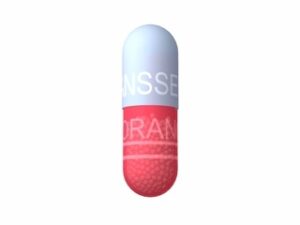
- Medicines available: commonly capsules and oral solution (formulation details vary by brand)
- Class: triazole antifungal
- Common uses: fungal infections of the skin, nails, lungs, and sometimes deeper infections
- Important note: The capsule and oral solution are not interchangeable. Their absorption differs and dosing advice can vary.
How itraconazole works (mechanism of action)
Itraconazole belongs to the triazole group of antifungals. It works mainly by:
- Blocking ergosterol synthesis: fungi use a substance called ergosterol to build and maintain their cell membranes.
- Inhibiting an enzyme (lanosterol 14α-demethylase): this prevents the formation of ergosterol, leading to fungal cell membrane dysfunction.
Depending on the infection and the fungus involved, itraconazole may be fungistatic (slows growth) or fungicidal (kills), though in real-world use it’s often described as slowing fungal growth while the body clears the infection.
Pharmacokinetics (how the body handles itraconazole)
Understanding absorption and persistence can help explain why timing and food interactions matter.
Absorption
- Capsules: absorption depends on stomach acid. Medicines that reduce stomach acid can lower absorption.
- Oral solution: absorption is generally better with an acidic environment and may be more reliable than capsules in some people, but it is still affected by stomach conditions and interactions.
Distribution
- Itraconazole distributes into various tissues, including skin and nails, where it may remain at therapeutic levels for some time.
Metabolism
- Itraconazole is metabolised mainly in the liver.
- It can interact with medicines by affecting liver enzymes and drug transport systems.
Elimination
- Itraconazole leaves the body slowly, which contributes to prolonged effects but also means interactions may matter for longer than a single dose.
Typical uses (indications)
Itraconazole may be used for infections caused by susceptible fungi. Depending on the site and severity, clinicians may choose itraconazole when other options are unsuitable or when a broad or targeted approach is needed.
Common indications include:
- Fungal infections of the skin: such as tinea (ringworm) and other dermatophyte or yeast-related skin infections
- Fungal nail infections (onychomycosis): including certain patterns of nail involvement
- Vaginal or mucosal fungal infections: in certain cases (choice depends on the specific situation and local guidance)
- Systemic fungal infections: such as aspergillosis or other serious deep mycoses (usually specialist-led)
- Yeast infections: when they are susceptible and appropriate
Important: The exact indications and dosing schedules depend on the fungal species, infection site, severity, and patient factors (for example liver health).
Timing and how to take itraconazole
General principles
- Follow the schedule exactly. Antifungal treatment often requires weeks to months depending on the infection.
- Use at the same time(s) each day. This supports consistent drug levels.
- Don’t stop early even if you feel better. The fungus may still be present.
Capsules vs oral solution (food matters)
Food can influence absorption differently based on the formulation:
- Itraconazole capsules: often need to be taken with food (especially important for adequate absorption).
- Itraconazole oral solution: is often taken on an empty stomach to improve absorption. It may be advised to take it with water and avoid food around the dose.
Always check your specific product’s directions. Taking a capsule like the solution (or vice versa) can reduce effectiveness or increase side effects.
Missed dose
- If you miss a dose, take it when you remember if it is close to the next dose time.
- If it’s nearly time for the next dose, skip the missed dose.
- Do not double up to make up for a missed dose.
Food interactions
Because absorption can depend on stomach acid and food, the way you take itraconazole with meals can affect how well it works.
Key food-related points
- Capsules: absorption may be reduced if taken without food.
- Oral solution: absorption may be improved when taken away from food.
Stomach-acid medicines (important)
Some medicines and conditions reduce stomach acid and can significantly affect itraconazole levels, especially capsules.
Avoid or be cautious with:
- Proton pump inhibitors (PPIs): e.g., omeprazole, esomeprazole, lansoprazole
- H2-receptor antagonists: e.g., famotidine
- Antacids: often need timing separation
In many cases, clinicians may recommend alternative antifungals, adjust timing, or choose the formulation that gives more reliable absorption. If you use acid-reducing medicines, tell your pharmacist before starting itraconazole.
Alcohol and medicine interactions
Alcohol
Alcohol does not always directly interact with itraconazole, but itraconazole can affect the liver and may cause side effects such as dizziness or nausea. To reduce strain on your body and improve tolerability:
- Consider avoiding alcohol or keeping it minimal during treatment, particularly if you have any liver concerns.
- If you notice worsening fatigue, nausea, dark urine, or yellowing of the skin/eyes, seek medical advice promptly.
Drug interactions (very important)
Itraconazole has a high potential for interactions because it can affect liver enzymes and transport proteins. Some interactions can reduce itraconazole levels (making it ineffective) while others can increase itraconazole or partner-drug levels (increasing risk of toxicity).
Medicines that commonly matter include:
| Medicine or group | Why it matters | What to do |
|---|---|---|
| Strong CYP3A4 inhibitors/inducers (enzyme interactions) | May raise or lower itraconazole levels | Check all medicines and ask your pharmacist about specific combinations |
| Some cholesterol-lowering medicines (statins) | Risk of increased statin levels and side effects | May require dose adjustment or a temporary change |
| Some heart rhythm medicines | Potential for rhythm-related side effects | Combination may be unsafe—always check first |
| Medicines that reduce stomach acid (PPIs/H2-blockers/antacids) | Can significantly reduce absorption, especially with capsules | Timing adjustments or alternative treatments may be needed |
| Oral anticoagulants (e.g., warfarin) | May change bleeding risk via INR changes | More frequent monitoring may be required |
| Some antihistamines and sedatives | Possible increased sedating effects or other toxicity | Check suitability and dose |
Tip: Keep a list of all medicines you take (including inhalers, creams, eye drops, supplements, and over-the-counter products). Share it with your pharmacist or clinician before starting.
Dosing (how itraconazole is commonly prescribed)
Dosing depends on the type of infection, its severity, the fungus suspected or confirmed, and the formulation (capsules vs oral solution). Treatment duration also varies.
Because dosing regimens can differ substantially, the safest approach is to use the exact dosing instructions provided with your product.
Common dosing patterns (examples)
- Skin and mucosal infections: dosing is often daily, sometimes adjusted based on response and diagnosis.
- Nail infections: may be treated with either continuous dosing or “pulse”-style regimens depending on local protocols and product licence.
- Systemic infections: typically involve specialist assessment, and dosing may require blood-level monitoring in some cases.
How long it takes to work
- Skin infections: may start improving within days to a couple of weeks, depending on the fungus and site.
- Nail infections: improvement is slow because nails grow gradually; it may take months to see clear recovery.
Do not change the dose or stop early without medical advice, particularly for deeper infections.
Safety profile and who should take extra care
Most people tolerate itraconazole reasonably well, but side effects and risks can occur. Seek urgent advice if you develop severe allergic symptoms or concerning symptoms (details below).
Common side effects
- Nausea, stomach discomfort, diarrhoea or constipation
- Headache
- Dizziness
- Rash or itching
Less common but serious risks
- Liver problems: itraconazole can rarely cause liver inflammation. Contact medical help promptly if you notice yellowing of the skin/eyes, dark urine, severe fatigue, or persistent nausea/vomiting.
- Heart-related concerns: in some cases itraconazole has been associated with worsening heart failure. People with existing heart failure should discuss risks carefully before use.
- Severe allergic reactions: swelling of the face/lips, severe rash, breathing difficulty—seek urgent help.
Pregnancy, breastfeeding, and fertility
Use in pregnancy and breastfeeding should be guided by a clinician based on benefits and risks. If you are pregnant, planning pregnancy, or breastfeeding, discuss with a healthcare professional before taking itraconazole.
Driving and using machines
- If you feel dizzy, light-headed, or tired, avoid driving or operating machinery until you know how itraconazole affects you.
Practical use tips (to get the best outcome)
- Confirm the formulation: Check whether you have capsules or oral solution. They have different absorption characteristics and food advice.
- Take with the correct timing relative to meals: follow your product instructions closely.
- Keep to the schedule: set a daily reminder.
- Use consistently for nails: expect slow improvement; treat for the recommended duration.
- Support skin hygiene: keep affected areas clean and dry; change socks/footwear regularly for foot infections.
- Don’t share towels or socks: reduce reinfection risk.
- Check for reinfection sources: athlete’s foot can spread to nails; treat the skin too if advised.
Alternative options (depending on the infection)
There are several antifungal alternatives. The best choice depends on the infection site, likely organism, severity, interactions, and patient factors such as liver health.
Common alternatives include:
- Terbinafine: often used for dermatophyte skin infections and nail fungal infections; may have a different interaction profile.
- Fluconazole: commonly used for some yeast infections; still has interaction considerations.
- Griseofulvin: used for certain fungal infections in some settings.
- Topical antifungals: such as terbinafine cream, clotrimazole, miconazole, or ciclopirox for milder or localised infections.
- For nails: some cases may involve topical nail treatments, but oral therapy is often more effective for moderate to severe nail disease.
Important: Don’t switch without guidance—different antifungals have different spectra, dosing, and safety profiles.
Market and legal context in the United Kingdom
In the UK, access to medicines is governed by product licensing, classification, and pharmacy/pharmacist oversight. Antifungal medicines such as itraconazole may be supplied through different routes depending on formulation and local regulations. Supply in the UK typically involves:
- Licensed medicine availability: products must be authorised for use within the UK.
- Pharmacist checks: pharmacists may review interactions, patient history, and suitability.
- Patient information: you should receive clear instructions on how to take the product and what to monitor.
Regulatory and clinical guidance can evolve. If you’re accessing itraconazole through an online pharmacy, you can expect pharmacists to confirm the product is appropriate and safe for your situation.
Recent guidance and clinical practice overview (UK context)
While specific guidance varies by the condition and local formulary, current UK antifungal practice generally emphasises:
- Accurate diagnosis: confirming that symptoms are due to fungal infection rather than eczema or bacterial causes.
- Species and site considerations: nail and systemic infections often require specialist-led selection and longer treatment.
- Review of interactions: itraconazole’s interaction potential is widely recognised; clinicians often check for interacting medicines, including acid-reducing therapies and certain cardiovascular and lipid medications.
- Monitoring for toxicity risks: attention to liver health and cardiac history where relevant.
If you have complex medical conditions or multiple medicines, extra medication review is particularly important with itraconazole.
Delivery and availability (UK)
Online pharmacies in the UK typically deliver medicines to eligible addresses within the country. Availability can vary by brand and formulation. To support timely treatment:
- Check product availability: some formulations may have limited stock.
- Plan ahead: antifungals are often used over extended courses—consider ordering early.
- Track delivery: reputable online pharmacies provide delivery tracking details.
- Keep medicines properly stored: store as directed on the label and protect from moisture/heat.
Note: Delivery times may vary depending on location and courier services. Always allow enough time to start treatment on schedule.
How to store itraconazole
- Store at the temperature and conditions stated on the product label.
- Keep medicines out of the sight and reach of children.
- Do not use after the expiry date printed on the packaging.
FAQ — Frequently asked questions
1) Is itraconazole for “yeast” or “ringworm”?
Itraconazole can treat infections caused by different fungi, including yeast and dermatophytes (ringworm-type fungi), depending on the diagnosis. The correct choice depends on the infection site and the organism involved.
2) Why does the advice differ between capsules and oral solution?
Because their absorption patterns differ. Capsules often require food to be taken with them to work reliably, while the oral solution often has different timing advice relative to meals.
3) Can I take itraconazole with antacids or acid reducers?
Some stomach-acid medicines can reduce itraconazole absorption and lower effectiveness, especially with capsules. It may still be possible to use them with careful timing or an alternative formulation, but you should get personalised advice from your pharmacist.
4) How long will it take to see improvement?
Skin infections may improve within days to weeks. Nail infections take much longer because nails grow slowly—improvement may take several months.
5) What should I do if I forget a dose?
Take it when remembered if it’s close to the next dose time. If you’re near the next scheduled dose, skip the missed one. Do not double up.
6) What are the signs of a serious problem?
Contact urgent medical help if you have signs of severe allergic reaction (swelling of face/lips, trouble breathing, severe rash). Seek prompt advice if you notice symptoms of liver issues (yellow skin/eyes, dark urine, severe or persistent nausea/vomiting, unusual fatigue).
7) Are there foods I should avoid?
No specific “forbidden foods” are usually required, but food timing is important—especially for capsules vs oral solution. Follow the meal instructions for your specific formulation.
8) Can I drink alcohol during treatment?
It’s often best to minimise alcohol. Because itraconazole can affect the liver and may cause dizziness or stomach upset, alcohol could worsen side effects. If you have liver disease or notice troubling symptoms, avoid alcohol and seek advice.
9) Will itraconazole interact with my other medicines?
It can. This is one of the most important considerations with itraconazole. Tell your pharmacist about all medicines you take, including over-the-counter products and supplements.
10) Are there alternatives if itraconazole isn’t suitable?
Yes. Depending on your infection type and your medical history, alternatives may include terbinafine, fluconazole, topical antifungals, or other options. Your clinician or pharmacist can help choose the safest and most effective approach.
When to seek advice
Get medical help promptly if:
- your symptoms worsen or do not improve as expected
- you develop a rash, swelling, or breathing difficulties
- you experience symptoms suggestive of liver problems
- you have heart failure or a history of heart rhythm issues and are starting itraconazole
- you’re unsure about interactions with acid-reducing medicines or other prescriptions/over-the-counter products
Always read the patient information leaflet supplied with your itraconazole product for the most accurate dosing instructions and safety information for your specific formulation.